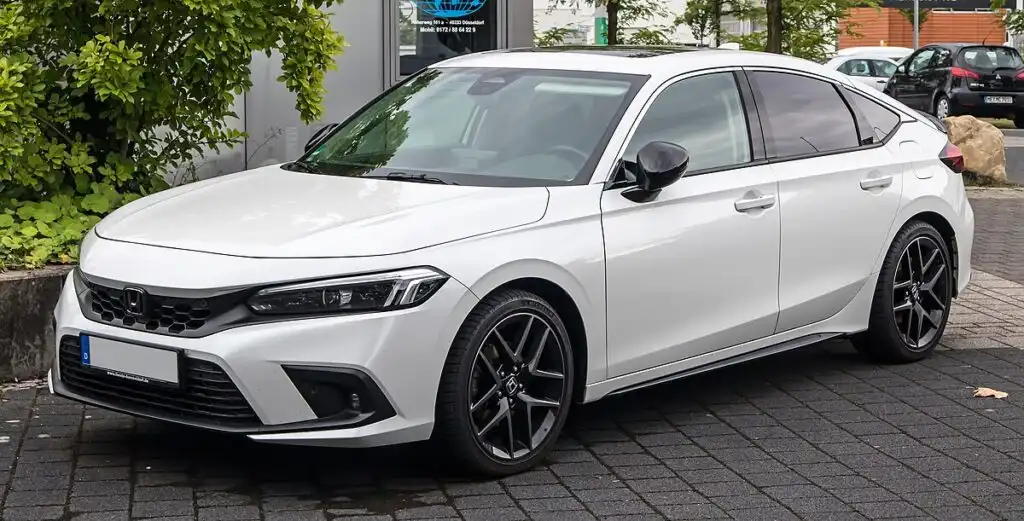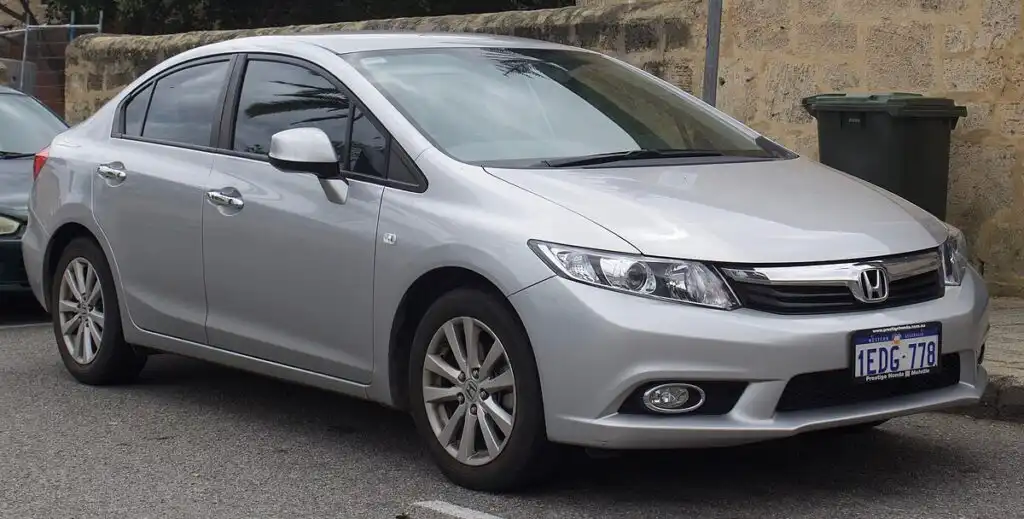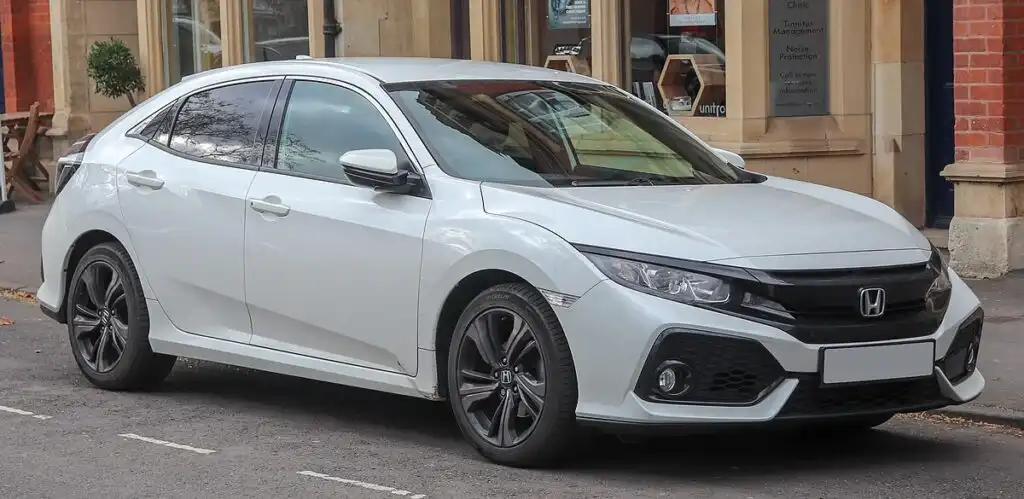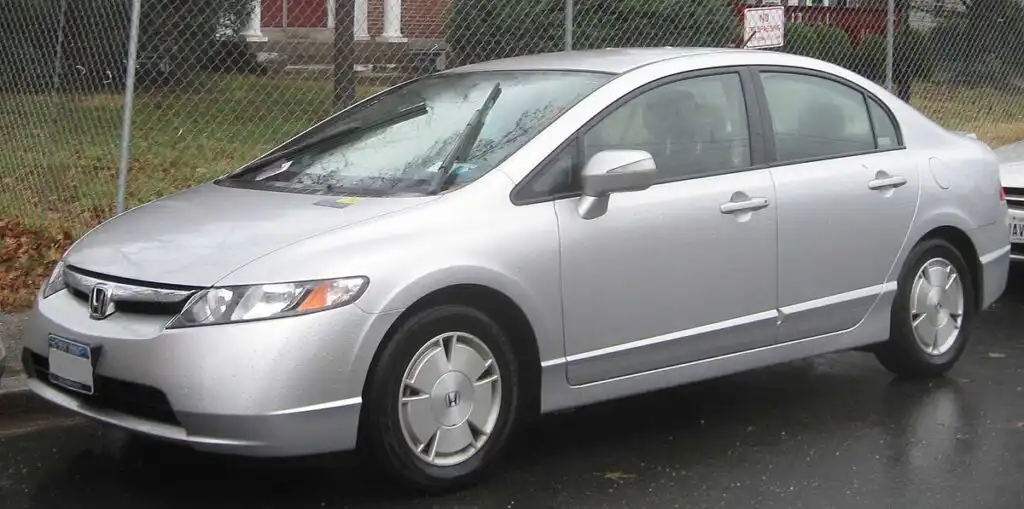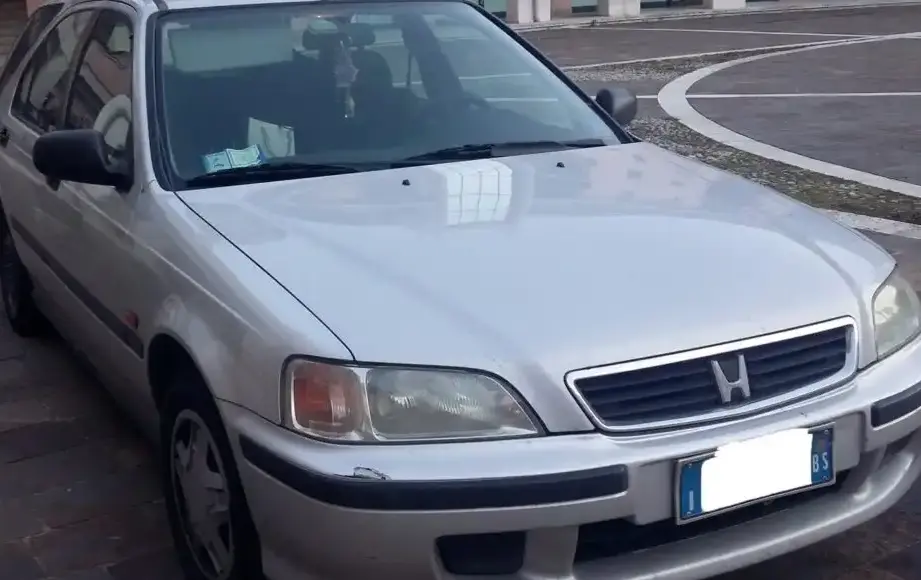
The Honda Civic VI Wagon 1.6 16V, produced between 1998 and 2000, represented a practical and versatile offering within the sixth-generation (EG/EH/EJ) Civic lineup. Specifically designed for the European market, this wagon variant aimed to provide the renowned Civic reliability and fuel efficiency in a body style favored by families and those requiring increased cargo capacity. It occupied a middle ground in the Civic range, offering a step up in performance from the base 1.4L models while remaining more affordable than the sporty VTi variants. This model is part of the broader Civic VI series, known for its evolutionary styling and improvements over its predecessor.
Technical Specifications
| Brand | Honda |
| Model | Civic |
| Generation | Civic VI Wagon |
| Type (Engine) | 1.6 16V (116 Hp) |
| Start of production | 1998 |
| End of production | 2000 |
| Powertrain Architecture | Internal Combustion engine |
| Body type | Station wagon (estate) |
| Seats | 5 |
| Doors | 5 |
| Fuel consumption (urban) | 10.1 l/100 km (23.3 US mpg) |
| Fuel consumption (extra urban) | 6.6 l/100 km (35.6 US mpg) |
| Fuel Type | Petrol (Gasoline) |
| Acceleration 0 – 100 km/h | 11.3 sec |
| Acceleration 0 – 62 mph | 11.3 sec |
| Acceleration 0 – 60 mph | 10.7 sec |
| Maximum speed | 187 km/h (116.2 mph) |
| Weight-to-power ratio | 10 kg/Hp |
| Weight-to-torque ratio | 8.1 kg/Nm |
| Power | 116 Hp @ 6300 rpm |
| Power per litre | 73 Hp/l |
| Torque | 143 Nm @ 4800 rpm (105.47 lb.-ft. @ 4800 rpm) |
| Engine layout | Front, Transverse |
| Engine displacement | 1590 cm3 (97.03 cu. in.) |
| Number of cylinders | 4 |
| Engine configuration | Inline |
| Cylinder Bore | 75 mm (2.95 in.) |
| Piston Stroke | 90 mm (3.54 in.) |
| Compression ratio | 9.6:1 |
| Number of valves per cylinder | 4 |
| Fuel injection system | Multi-port manifold injection |
| Engine aspiration | Naturally aspirated engine |
| Valvetrain | DOHC |
| Engine oil capacity | 3.3 l (3.49 US qt | 2.9 UK qt) |
| Kerb Weight | 1155 kg (2546.34 lbs.) |
| Max. weight | 1670 kg (3681.72 lbs.) |
| Max load | 515 kg (1135.38 lbs.) |
| Trunk (boot) space – minimum | 415 l (14.66 cu. ft.) |
| Trunk (boot) space – maximum | 1312 l (46.33 cu. ft.) |
| Fuel tank capacity | 55 l (14.53 US gal | 12.1 UK gal) |
| Length | 4425 mm (174.21 in.) |
| Width | 1695 mm (66.73 in.) |
| Height | 1410 mm (55.51 in.) |
| Wheelbase | 2620 mm (103.15 in.) |
| Front track | 1475 mm (58.07 in.) |
| Rear (Back) track | 1470 mm (57.87 in.) |
| Drivetrain Architecture | The Internal combustion engine (ICE) drives the front wheels of the vehicle. |
| Drive wheel | Front wheel drive |
| Number of gears and type of gearbox | 5 gears, manual transmission |
| Front suspension | Double wishbone |
| Rear suspension | Trailing arm |
| Front brakes | Ventilated discs |
| Rear brakes | Drum |
| Assisting systems | ABS (Anti-lock braking system) |
| Steering type | Steering rack and pinion |
| Power steering | Hydraulic Steering |
| Tires size | 185/60 R14 |
Powertrain & Engine Architecture
The heart of the Civic VI Wagon 1.6 16V is the S16A engine, a 1.6-liter inline-four cylinder gasoline engine. This engine is a naturally aspirated unit featuring a double overhead camshaft (DOHC) valvetrain and multi-point fuel injection. The 16 valves (four per cylinder) contribute to improved breathing and higher-end power delivery. The engine produces 116 horsepower at 6,300 rpm and 143 Nm (105.47 lb-ft) of torque at 4,800 rpm. The engine’s design prioritized fuel efficiency and smooth operation over outright performance. The five-speed manual transmission was the standard offering, providing a relatively direct connection between the engine and the front wheels. The gear ratios were tuned for a balance of acceleration and highway cruising, though it wasn’t designed for rapid acceleration.
Driving Characteristics
The 1.6 16V engine, paired with the five-speed manual transmission, offered a reasonably engaging driving experience for its class. While not a particularly fast car, it provided adequate power for everyday driving and highway overtaking. The engine felt responsive in the mid-range, making it easy to maintain speed on inclines. The manual gearbox was light and precise, enhancing driver control. Compared to the base 1.4L Civic Wagon, the 1.6 16V offered a noticeable improvement in acceleration and overall performance. However, it lacked the sporty feel of the VTi models, which featured more powerful engines and sport-tuned suspensions. The wagon body style did add some weight compared to the hatchback, slightly impacting acceleration and handling.
Equipment & Trim Levels
The Civic VI Wagon 1.6 16V typically came equipped with a reasonable level of standard features. These included power steering, central locking, electric front windows, and an adjustable steering column. Interior upholstery was typically cloth, with a functional and durable design. Optional extras included air conditioning, a sunroof, and upgraded audio systems. Trim levels varied slightly depending on the specific European market, but generally, this variant represented a mid-range offering, bridging the gap between the basic models and the more luxurious trims. Safety features were relatively basic for the time, consisting primarily of ABS brakes.
Chassis & Braking
The Civic VI Wagon utilized a front-engine, front-wheel-drive layout. The suspension consisted of a double wishbone setup at the front and a trailing arm configuration at the rear. This suspension design provided a comfortable ride quality, absorbing bumps and imperfections in the road effectively. The front brakes were ventilated discs, offering good stopping power, while the rear brakes were drums. ABS (Anti-lock Braking System) was standard, enhancing safety by preventing wheel lockup during hard braking. The chassis was relatively lightweight, contributing to the car’s nimble handling characteristics.
Market Reception & Comparison
The Civic VI Wagon 1.6 16V was generally well-received by automotive critics and consumers alike. It was praised for its practicality, reliability, and fuel efficiency. Compared to other wagons in its class, such as the Ford Escort Estate or the Vauxhall Astra Estate, the Civic offered a more refined driving experience and a reputation for exceptional reliability. Fuel economy was a strong point, with the 1.6L engine returning respectable figures for its time. However, some critics noted that the interior was somewhat basic compared to some competitors. The 1.6 16V offered a good balance between performance and economy, making it a popular choice for families and individuals seeking a versatile and dependable vehicle.
Legacy
The Honda Civic VI Wagon 1.6 16V has proven to be a remarkably durable and reliable vehicle. Many examples are still on the road today, a testament to Honda’s engineering prowess. The S16A engine is known for its longevity and relatively low maintenance costs. In the used car market, these wagons are often sought after by enthusiasts and those looking for a practical and affordable vehicle. While not a collector’s item, well-maintained examples command reasonable prices. The Civic VI Wagon 1.6 16V remains a popular choice for those seeking a dependable and fuel-efficient estate car with a reputation for lasting quality.