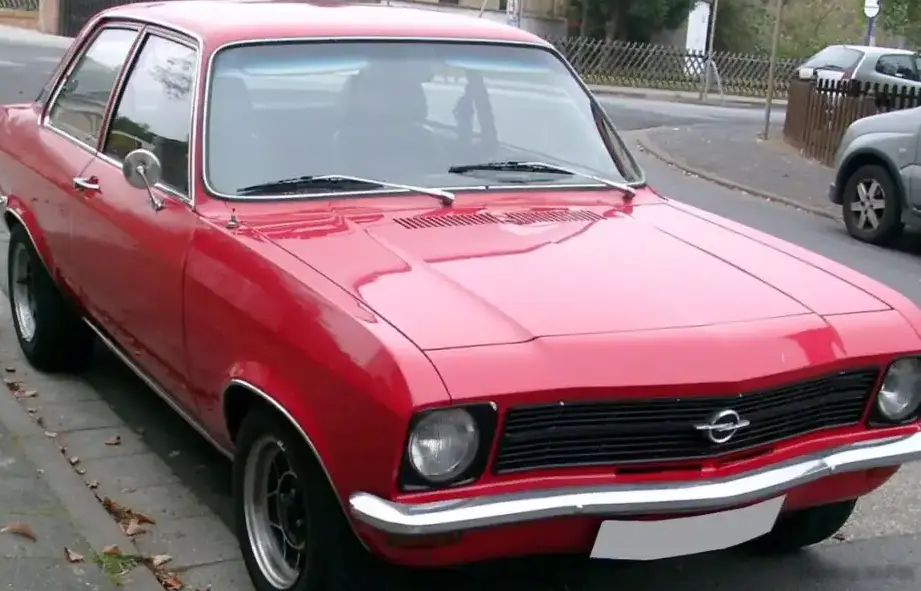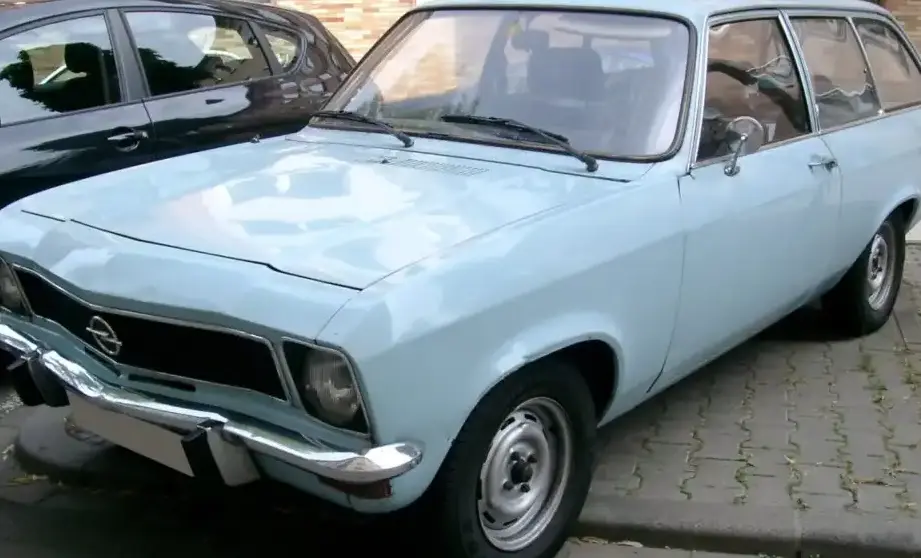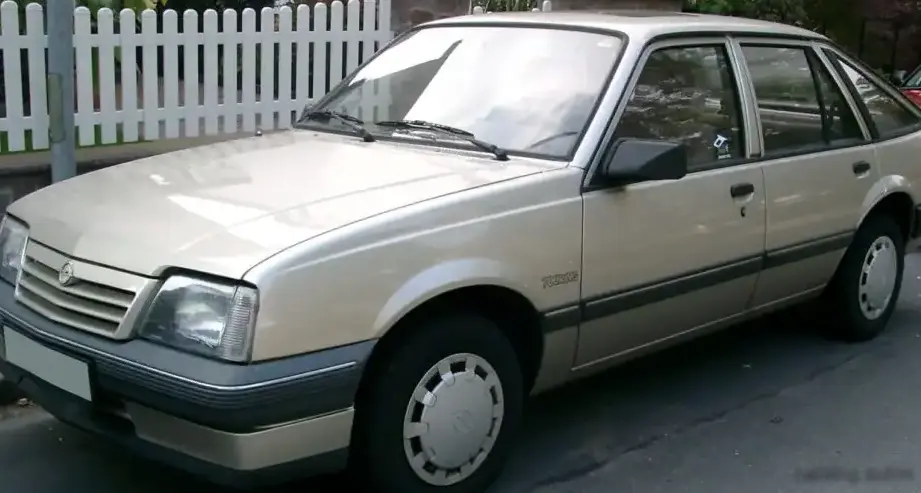
The Opel Ascona C CC 1.6 D, produced between 1982 and 1988, represented the entry-level diesel offering within the Ascona C range. Positioned as a practical and economical choice, it catered to buyers prioritizing fuel efficiency over outright performance. The “CC” designation signified the *Coupé Caravan* body style – a five-door hatchback – which was a popular configuration in Europe during this period. This variant played a significant role in Opel’s strategy to offer a diverse lineup within the compact family car segment, competing with models like the Ford Taunus and Volkswagen Passat.
Technical Specifications
| Brand | Opel |
| Model | Ascona |
| Generation | Ascona C CC |
| Type (Engine) | 1.6 D (54 Hp) |
| Start of production | 1982 |
| End of production | 1988 |
| Powertrain Architecture | Internal Combustion engine |
| Body type | Hatchback |
| Seats | 5 |
| Doors | 5 |
| Fuel Type | Diesel |
| Acceleration 0 – 100 km/h | 20 sec |
| Acceleration 0 – 62 mph | 20 sec |
| Acceleration 0 – 60 mph | 19 sec |
| Maximum speed | 141 km/h (87.61 mph) |
| Weight-to-power ratio | 19.3 kg/Hp, 51.9 Hp/tonne |
| Weight-to-torque ratio | 10.8 kg/Nm, 92.3 Nm/tonne |
| Power | 54 Hp @ 4600 rpm |
| Power per litre | 33.8 Hp/l |
| Torque | 96 Nm @ 2400 rpm (70.81 lb.-ft. @ 2400 rpm) |
| Engine Model/Code | 16D |
| Engine displacement | 1598 cm3 (97.52 cu. in.) |
| Number of cylinders | 4 |
| Engine configuration | Inline |
| Cylinder Bore | 80 mm (3.15 in.) |
| Piston Stroke | 79.5 mm (3.13 in.) |
| Compression ratio | 23:1 |
| Number of valves per cylinder | 2 |
| Engine aspiration | Naturally aspirated engine |
| Valvetrain | SOHC |
| Engine oil capacity | 3.8 l (4.02 US qt | 3.34 UK qt) |
| Coolant | 7.5 l (7.93 US qt | 6.6 UK qt) |
| Kerb Weight | 1040 kg (2292.81 lbs.) |
| Max. weight | 1550 kg (3417.17 lbs.) |
| Max load | 510 kg (1124.36 lbs.) |
| Trunk (boot) space – minimum | 445 l (15.72 cu. ft.) |
| Trunk (boot) space – maximum | 1215 l (42.91 cu. ft.) |
| Fuel tank capacity | 61 l (16.11 US gal | 13.42 UK gal) |
| Permitted trailer load without brakes | 700 kg (1543.24 lbs.) |
| Length | 4264 mm (167.87 in.) |
| Width | 1668 mm (65.67 in.) |
| Height | 1385 mm (54.53 in.) |
| Wheelbase | 2574 mm (101.34 in.) |
| Front track | 1406 mm (55.35 in.) |
| Rear (Back) track | 1406 mm (55.35 in.) |
| Ride height (ground clearance) | 145 mm (5.71 in.) |
| Drag coefficient (Cd) | 0.38 |
| Minimum turning circle (turning diameter) | 10.95 m (35.93 ft.) |
| Drivetrain Architecture | The Internal combustion engine (ICE) drives the front wheels of the vehicle. |
| Drive wheel | Front wheel drive |
| Number of gears and type of gearbox | 4 gears, manual transmission |
| Front brakes | Disc |
| Rear brakes | Drum |
Powertrain & Engine Architecture
The heart of the Ascona C CC 1.6 D was the 16D engine, a naturally aspirated, inline-four cylinder diesel. This engine, a mainstay of Opel’s diesel offerings during the 1980s, featured a single overhead camshaft (SOHC) valvetrain operating two valves per cylinder. The 16D utilized indirect injection, a common diesel technology of the time, relying on pre-combustion chambers to initiate the combustion process. This system, while less efficient than direct injection, offered quieter operation and smoother running characteristics. The engine’s relatively low compression ratio of 23:1 was typical for indirect injection diesels. The 1.6-liter engine produced 54 horsepower at 4600 rpm and 96 Nm (70.81 lb-ft) of torque at 2400 rpm. The engine was paired with a four-speed manual transmission, the only gearbox option available for this variant.
Driving Characteristics
The Ascona C CC 1.6 D was not designed for spirited driving. Its 54 horsepower and relatively high weight resulted in leisurely acceleration – approximately 20 seconds to 62 mph. The four-speed manual transmission, while adequate, lacked the versatility of a five-speed gearbox, particularly when attempting to maintain highway speeds. The engine’s torque peak at 2400 rpm meant that it offered reasonable pulling power at lower speeds, making it suitable for everyday driving and hauling moderate loads. However, extending the engine to higher revolutions yielded diminishing returns. Compared to the more powerful gasoline-powered Ascona variants, such as the 1.8 or 2.0-liter models, the 1.6 D felt significantly underpowered. Even compared to other diesel Ascona models, like the later 1.7 D, it offered less performance.
Equipment & Trim Levels
The 1.6 D Ascona C CC was generally considered the base model. Standard equipment typically included cloth upholstery, basic instrumentation (speedometer, fuel gauge, temperature gauge), and a simple two-speaker radio. Power steering and central locking were often optional extras. The interior trim was functional and durable, prioritizing practicality over luxury. Exterior features were similarly basic, with steel wheels, black plastic bumpers, and minimal chrome trim. Optional extras included upgraded upholstery, a sunroof, and alloy wheels. The trim level was designed to appeal to budget-conscious buyers who valued reliability and fuel economy above all else.
Chassis & Braking
The Ascona C CC featured a MacPherson strut front suspension and a rigid axle rear suspension. The front brakes were disc brakes, providing adequate stopping power, while the rear brakes were drum brakes, a cost-saving measure common in this class of vehicle. The suspension setup was tuned for comfort rather than handling precision. The 1.6 D variant, being the entry-level model, typically had a smaller diameter stabilizer bar compared to higher-spec Ascona models. This contributed to a slightly more pronounced body roll during cornering. The curb weight of approximately 1040 kg (2292.81 lbs) was relatively light for a car of its size, which helped to mitigate the effects of the low-powered engine.
Market Reception & Comparison
The Ascona C CC 1.6 D was generally well-received as a practical and economical family car. Critics praised its fuel efficiency and durability, but noted its lack of performance. Compared to the gasoline-powered Ascona variants, the 1.6 D offered significantly better fuel economy, but at the expense of acceleration and overall driving enjoyment. The 1.6 D was often seen as a sensible choice for drivers who covered long distances or frequently transported passengers or cargo. Its reliability was also a key selling point, making it a popular choice in the used car market.
Legacy
The Opel Ascona C CC 1.6 D, while not a performance icon, remains a respected example of 1980s European automotive engineering. The 16D engine, despite its age, is known for its robustness and longevity. Today, well-maintained examples are sought after by classic car enthusiasts and collectors. The Ascona C CC 1.6 D represents a simpler era of automotive design, prioritizing practicality and affordability over technological sophistication. Its enduring appeal lies in its honest character and its ability to provide reliable transportation at a reasonable cost. Finding parts can be challenging, but a dedicated community of Opel enthusiasts ensures that these cars continue to be preserved and enjoyed.