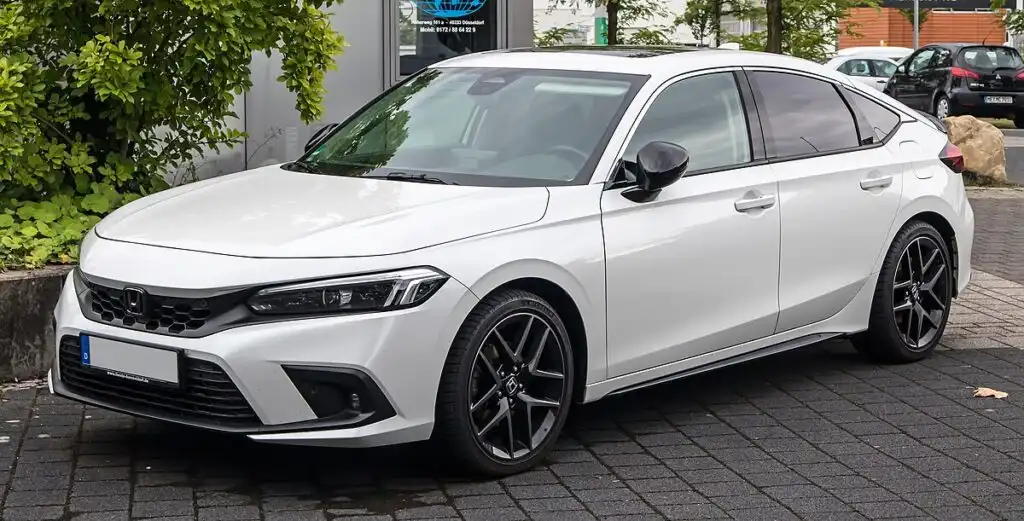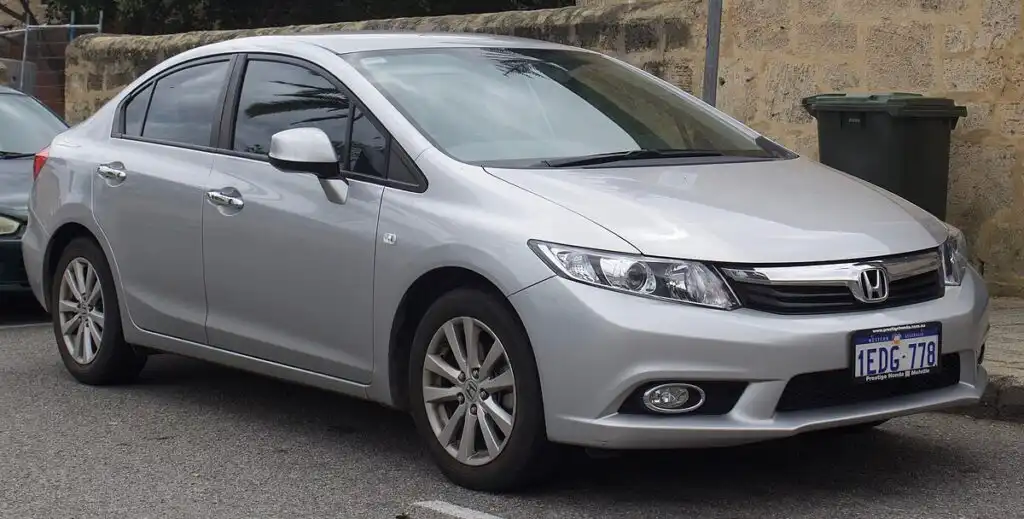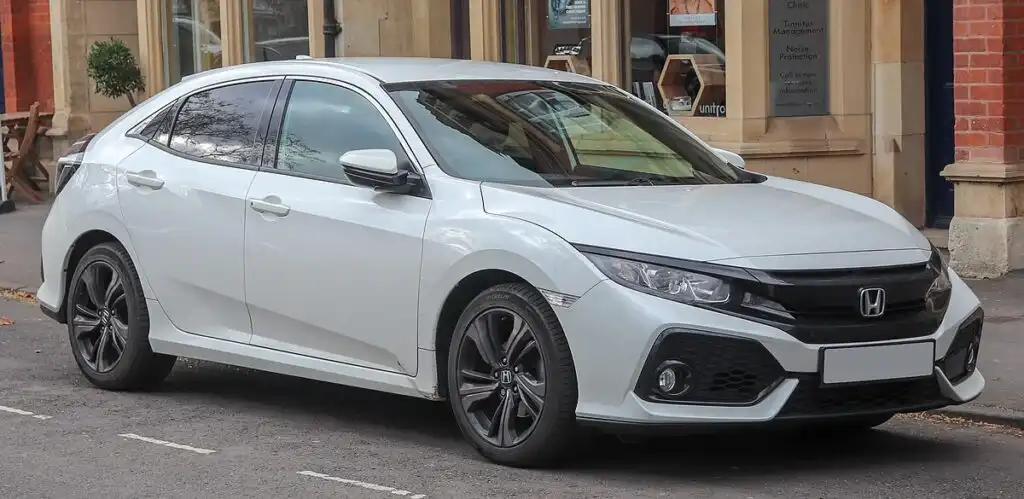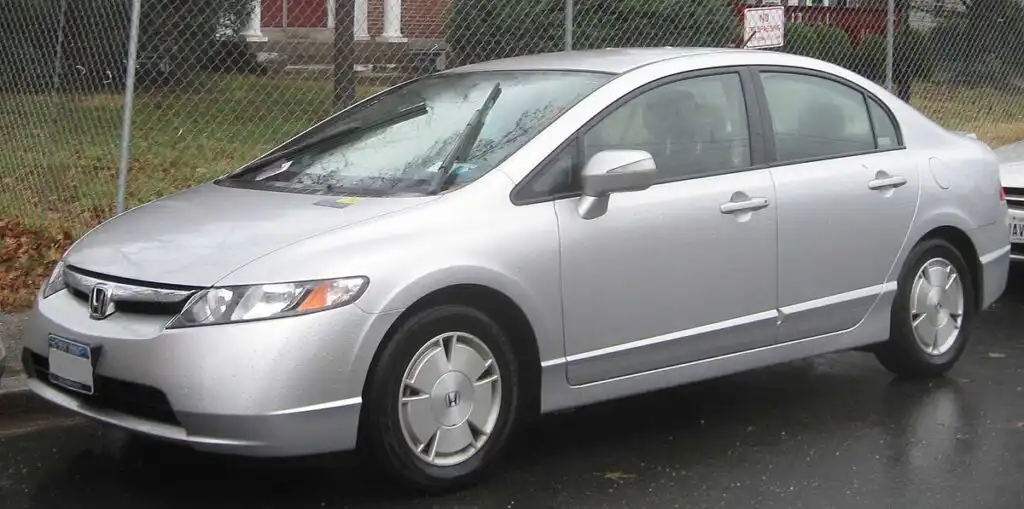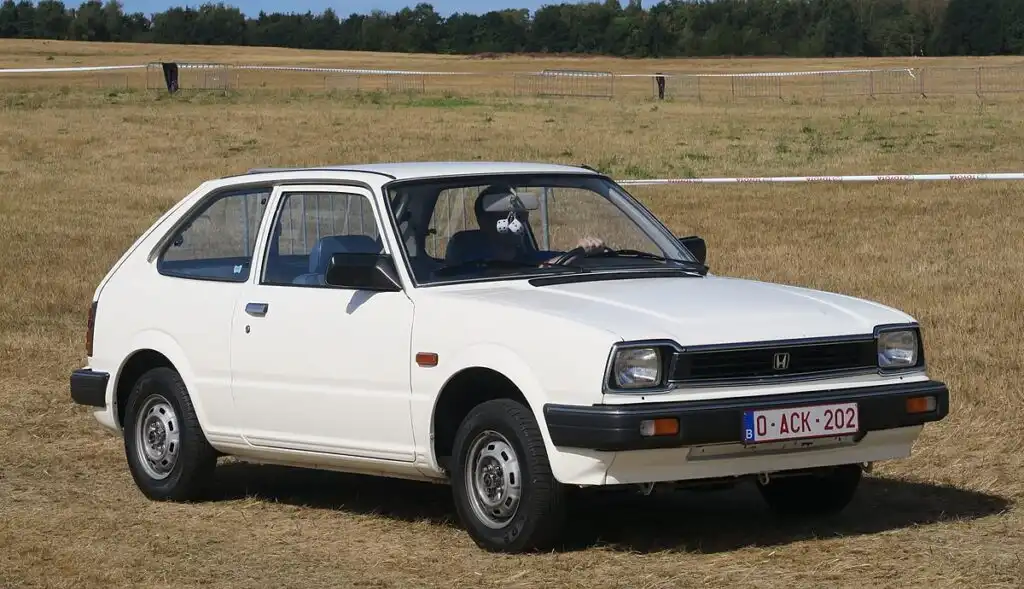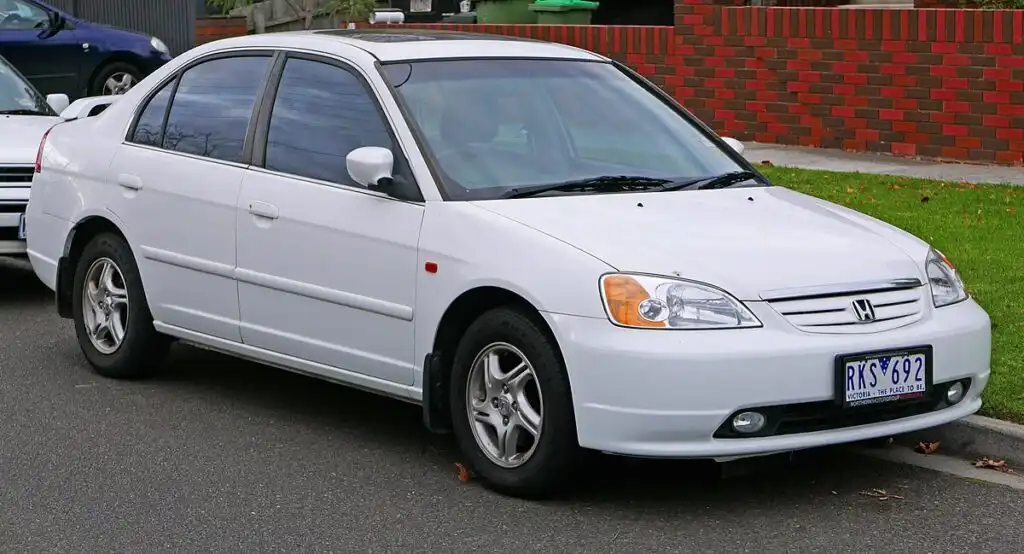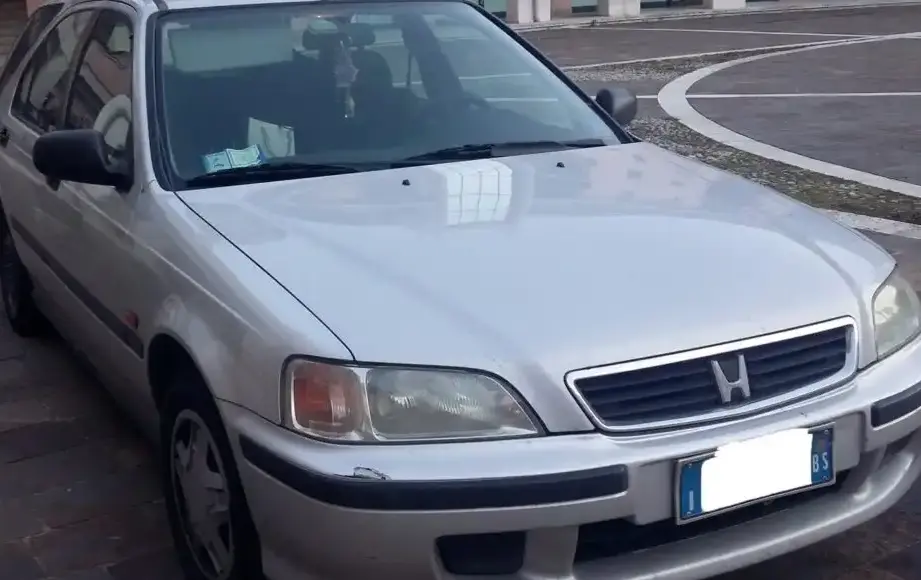
The Honda Civic VI Wagon 2.0 D (105 hp) was a European market variant of the sixth-generation Civic Wagon, produced between 1998 and 2000. This model represented Honda’s attempt to cater to the practical needs of European families who desired a compact, fuel-efficient, and versatile vehicle. Positioned as a mid-range offering within the Civic Wagon lineup, it slotted between the lower-powered 1.6-liter gasoline engines and the more expensive, albeit less common, gasoline variants. The 2.0 D utilized a direct injection diesel engine, a relatively advanced feature for the time, aimed at providing a balance of performance and economy. It was built on the 1HX0 platform, shared with other Civic models of the era.
Technical Specifications
| Brand | Honda |
| Model | Civic |
| Generation | Civic VI Wagon |
| Type (Engine) | 2.0 D (105 Hp) |
| Start of production | 1998 |
| End of production | 2000 |
| Powertrain Architecture | Internal Combustion engine |
| Body type | Station wagon (estate) |
| Seats | 5 |
| Doors | 5 |
| Fuel consumption (urban) | 7.1 l/100 km (33.1 US mpg) |
| Fuel consumption (extra urban) | 4.3 l/100 km (54.7 US mpg) |
| Fuel Type | Diesel |
| Acceleration 0 – 100 km/h | 8.8 sec |
| Acceleration 0 – 62 mph | 8.8 sec |
| Acceleration 0 – 60 mph | 8.4 sec |
| Maximum speed | 215 km/h (133.59 mph) |
| Weight-to-power ratio | 12 kg/Hp |
| Weight-to-torque ratio | 6 kg/Nm |
| Power | 105 Hp @ 4200 rpm |
| Power per litre | 52.7 Hp/l |
| Torque | 210 Nm @ 2000 rpm (154.89 lb.-ft. @ 2000 rpm) |
| Engine layout | Front, Transverse |
| Engine Model/Code | L / 20T2N |
| Engine displacement | 1994 cm3 (121.68 cu. in.) |
| Number of cylinders | 4 |
| Engine configuration | Inline |
| Cylinder Bore | 84.5 mm (3.33 in.) |
| Piston Stroke | 88.9 mm (3.5 in.) |
| Compression ratio | 19.5:1 |
| Number of valves per cylinder | 2 |
| Fuel injection system | Direct injection |
| Engine aspiration | Turbocharger |
| Valvetrain | OHC |
| Engine oil capacity | 5 l (5.28 US qt | 4.4 UK qt) |
| Kerb Weight | 1265 kg (2788.85 lbs.) |
| Max. weight | 1710 kg (3769.9 lbs.) |
| Max load | 445 kg (981.06 lbs.) |
| Trunk (boot) space – minimum | 415 l (14.66 cu. ft.) |
| Trunk (boot) space – maximum | 1312 l (46.33 cu. ft.) |
| Fuel tank capacity | 55 l (14.53 US gal | 12.1 UK gal) |
| Length | 4425 mm (174.21 in.) |
| Width | 1695 mm (66.73 in.) |
| Height | 1410 mm (55.51 in.) |
| Wheelbase | 2620 mm (103.15 in.) |
| Front track | 1465 mm (57.68 in.) |
| Rear (Back) track | 1470 mm (57.87 in.) |
| Drivetrain Architecture | The Internal combustion engine (ICE) drives the front wheels of the vehicle. |
| Drive wheel | Front wheel drive |
| Number of gears and type of gearbox | 5 gears, manual transmission |
| Front suspension | Double wishbone |
| Rear suspension | Trailing arm |
| Front brakes | Ventilated discs |
| Rear brakes | Disc |
| Assisting systems | ABS (Anti-lock braking system) |
| Steering type | Steering rack and pinion |
| Power steering | Hydraulic Steering |
| Tires size | 185/65 R14 |
Powertrain & Engine Architecture
The heart of the Civic VI Wagon 2.0 D was the L / 20T2N engine, a 1.994-liter inline-four cylinder diesel. This engine featured direct fuel injection, a technology that improved combustion efficiency and reduced emissions compared to older indirect injection systems. The engine was turbocharged, which helped to boost power output to 105 horsepower at 4200 rpm and 210 Nm (155 lb-ft) of torque at 2000 rpm. The turbocharger provided a noticeable improvement in responsiveness, particularly at lower engine speeds. The engine utilized a single overhead camshaft (OHC) valvetrain with two valves per cylinder. The 20T2N engine was known for its relatively robust construction, though it did require regular maintenance to ensure longevity. The transmission was a standard five-speed manual gearbox, chosen for its efficiency and driver engagement. An automatic transmission was not offered with this engine configuration.
Driving Characteristics
The 2.0 D variant of the Civic Wagon offered a practical and reasonably efficient driving experience. While not a performance-oriented model, the turbocharger provided adequate power for everyday driving and highway cruising. Acceleration from 0 to 100 km/h (0-62 mph) took approximately 8.8 seconds, which was competitive for a diesel wagon of its size and era. The five-speed manual transmission allowed drivers to keep the engine in its optimal power band, maximizing performance and fuel economy. The gear ratios were well-chosen for both city and highway driving. Compared to the gasoline-powered Civic Wagons, the 2.0 D offered significantly better fuel economy, making it an attractive option for drivers who covered long distances. However, it lacked the refinement and responsiveness of the gasoline engines.
Equipment & Trim Levels
The Civic VI Wagon 2.0 D typically came with a moderate level of standard equipment. This included power steering, central locking, electric front windows, and an adjustable steering column. Interior upholstery was typically cloth, with a functional and durable design. Optional extras included air conditioning, a sunroof, and upgraded audio systems. The dashboard layout was typical of Honda designs of the period, with a clear and easy-to-read instrument cluster. Trim levels were relatively basic, with the focus being on practicality and value for money. The 2.0 D was generally positioned as a step up from the base 1.6-liter models, offering more power and a slightly higher level of equipment.
Chassis & Braking
The Civic VI Wagon featured a front-wheel-drive layout with independent double wishbone suspension at the front and a trailing arm suspension at the rear. This suspension setup provided a comfortable ride and decent handling characteristics. The front brakes were ventilated discs, while the rear brakes were solid discs. Anti-lock braking system (ABS) was standard, enhancing safety and control during emergency braking. The steering was a rack and pinion system with hydraulic power assistance, providing precise and responsive steering feel. The tires were typically 185/65 R14, offering a good balance of grip and ride comfort.
Market Reception & Comparison
The Civic VI Wagon 2.0 D was generally well-received in European markets as a practical and fuel-efficient family vehicle. Critics praised its spacious interior, versatile cargo area, and economical diesel engine. However, some reviewers noted that the engine was somewhat noisy and lacked the refinement of some of its competitors. Compared to other diesel wagons in its class, the Civic 2.0 D offered a good balance of performance, economy, and reliability. It was often compared to models like the Volkswagen Golf Estate TDI and the Ford Focus Estate TDDi. The Civic generally offered a more engaging driving experience than the Golf, while the Focus provided a slightly more comfortable ride.
Legacy
The Honda Civic VI Wagon 2.0 D has proven to be a relatively reliable vehicle over the long term, with many examples still on the road today. The 20T2N diesel engine, while not without its quirks, is known for its durability and ability to withstand high mileage. However, like all diesel engines, it requires regular maintenance, including oil changes and filter replacements. In the used car market, the Civic VI Wagon 2.0 D is often sought after by those looking for a practical, economical, and reliable family vehicle. Its relatively simple construction and readily available parts make it a relatively easy car to maintain and repair. It remains a popular choice for those who appreciate the classic Honda engineering and design of the 1990s.