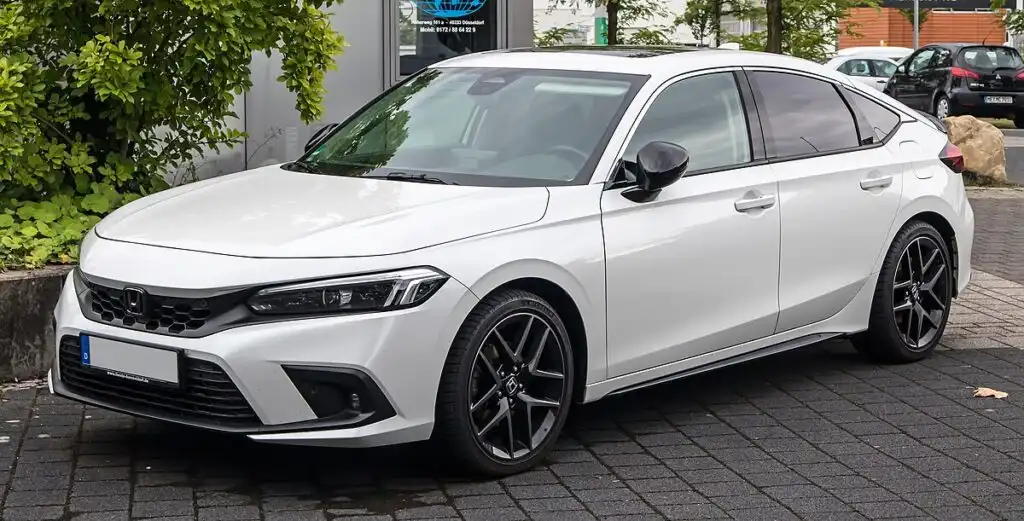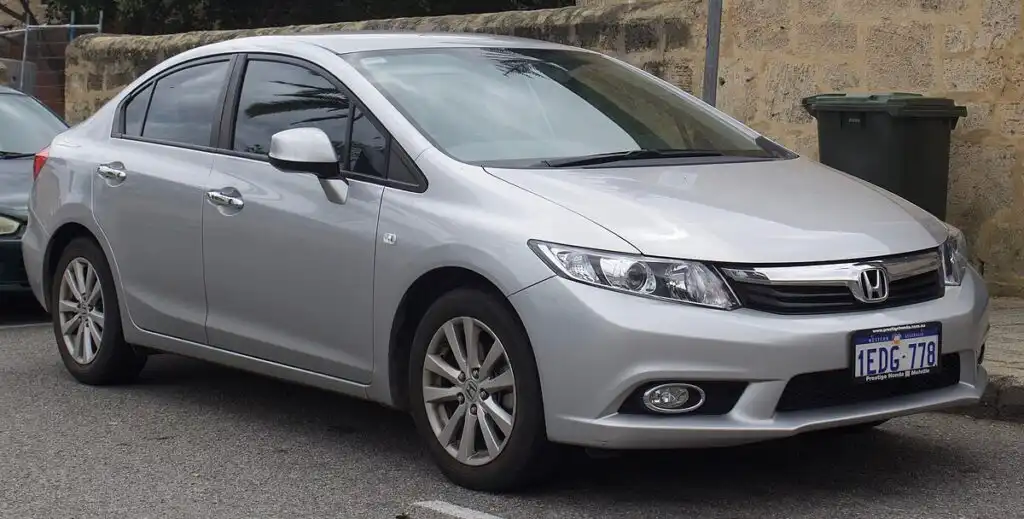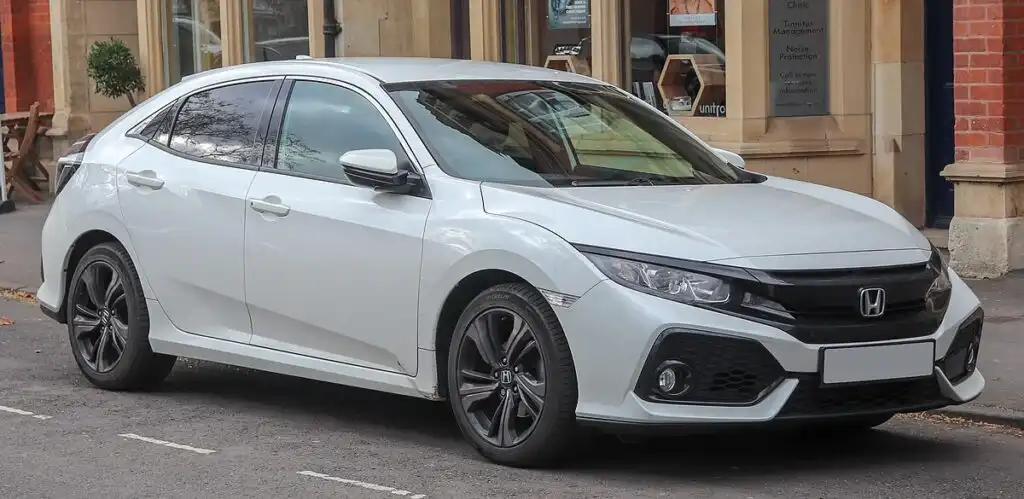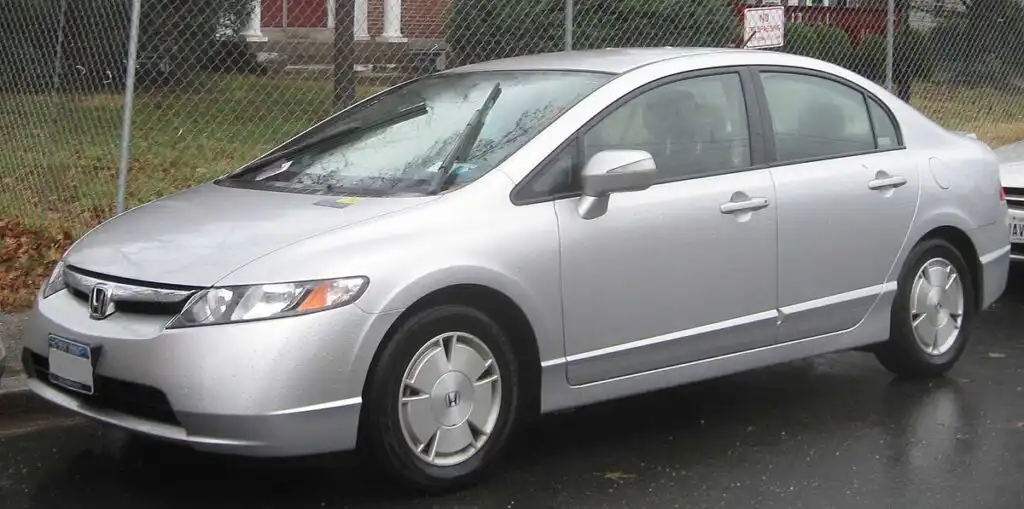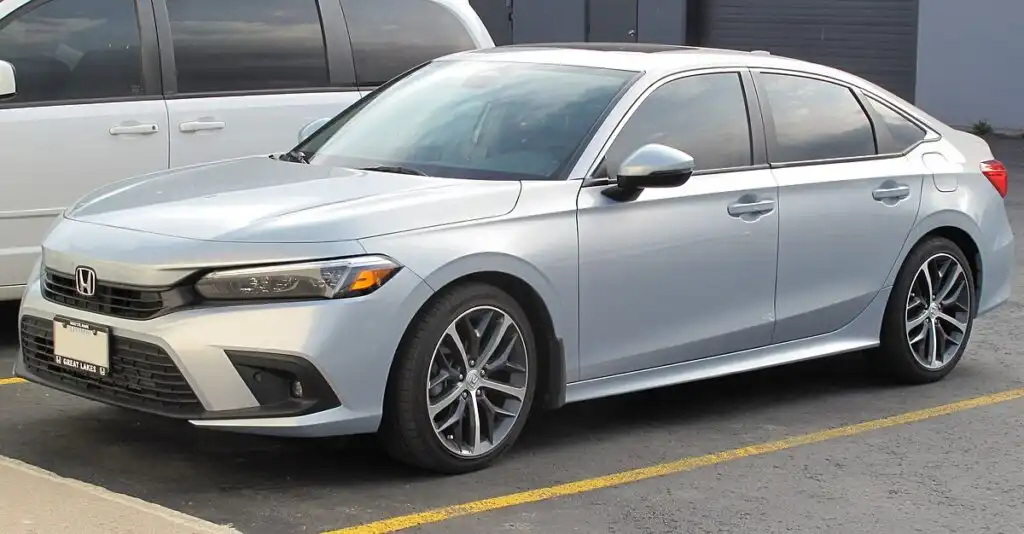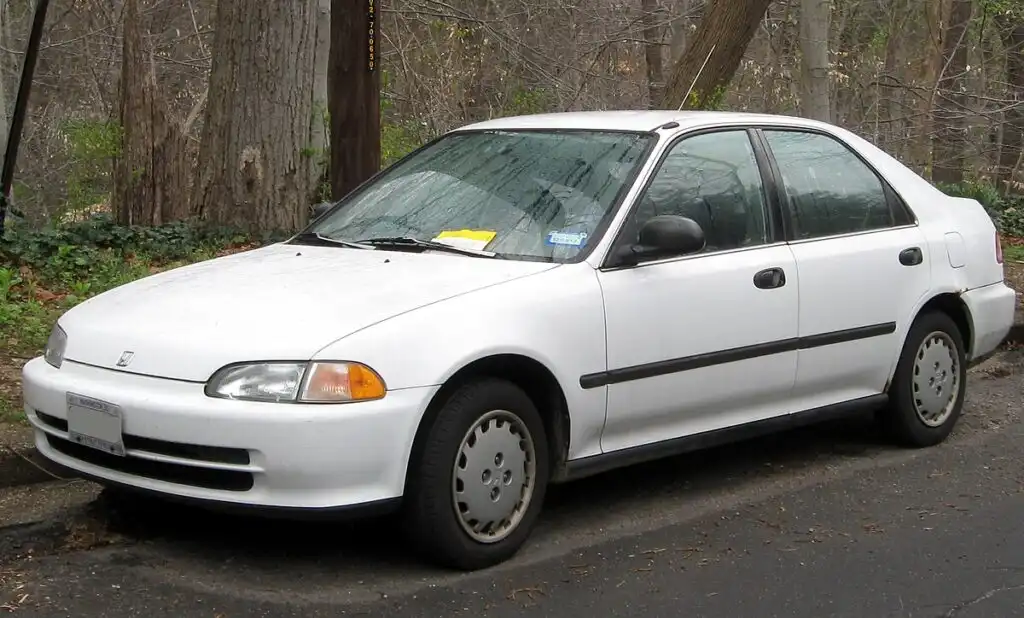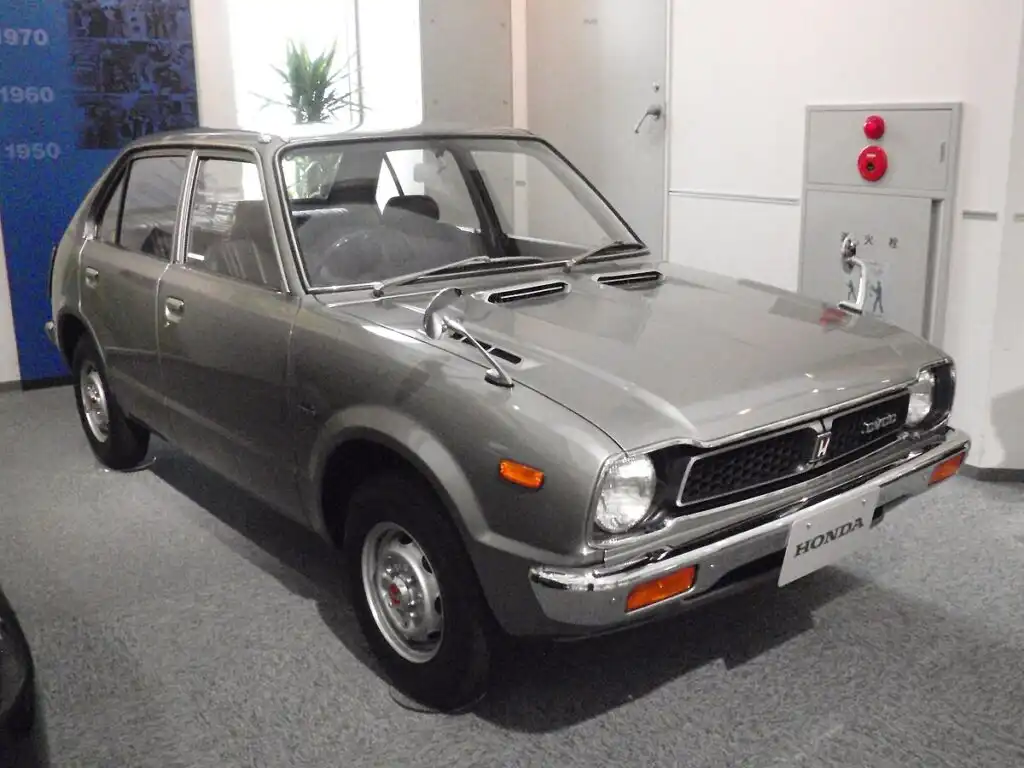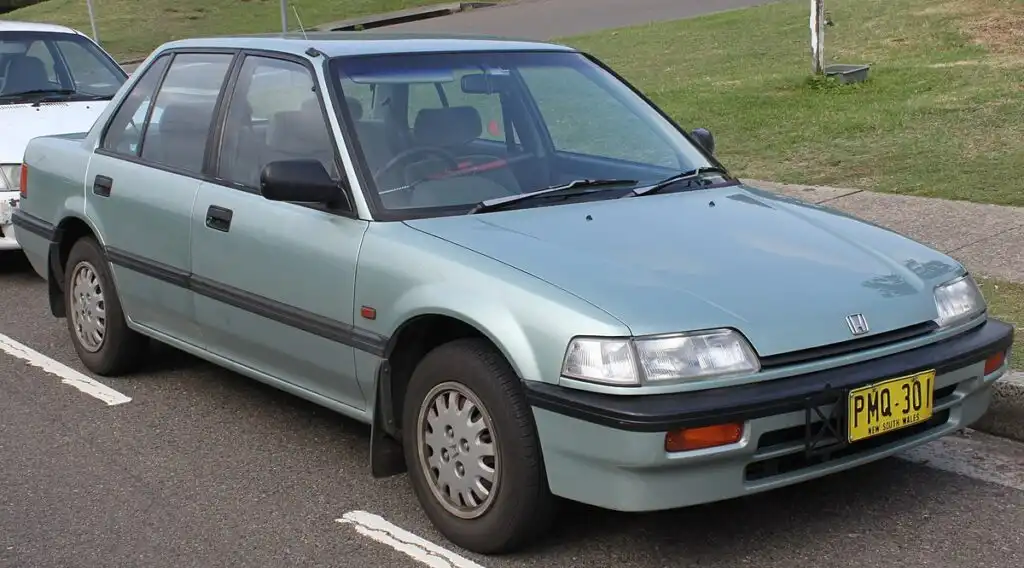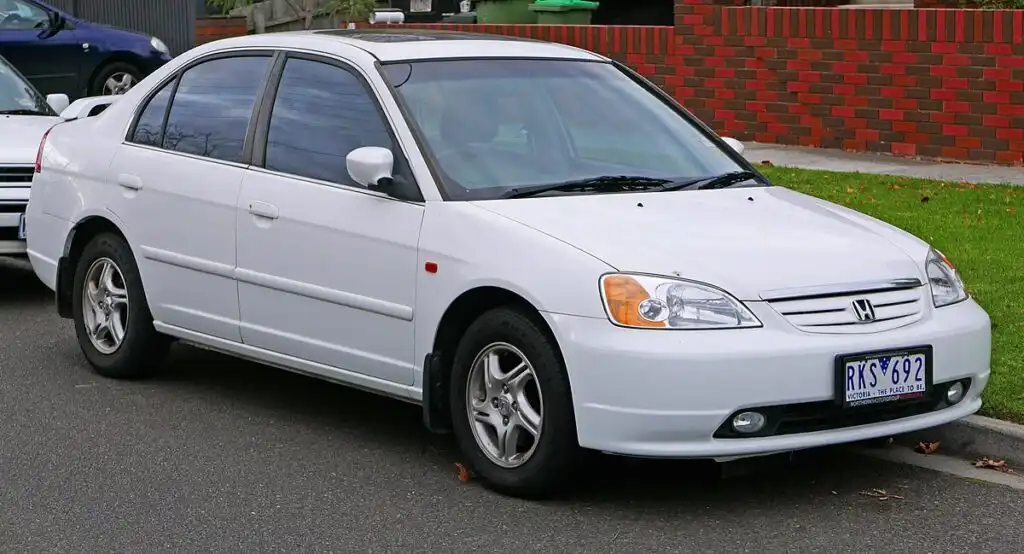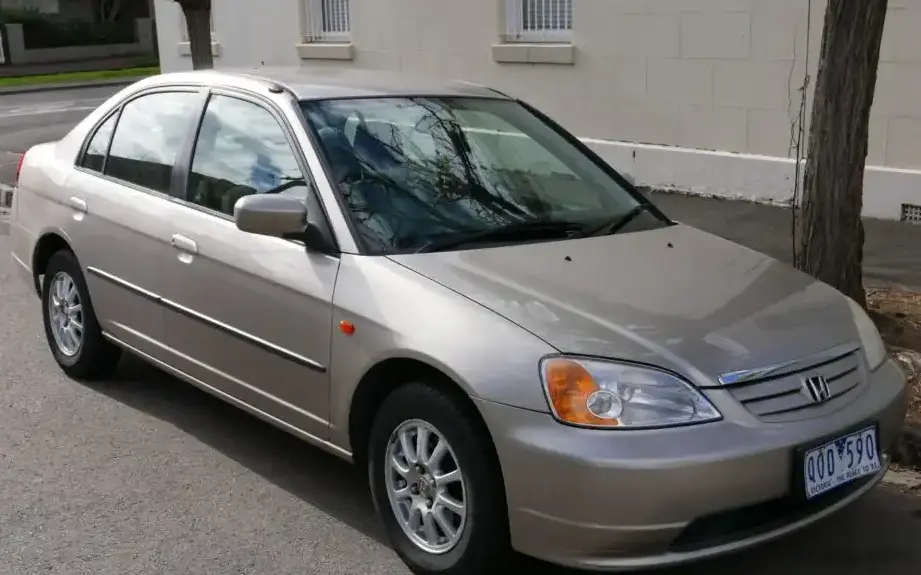
The Honda Civic VII Sedan 1.3 Hybrid, produced between 2003 and 2006, represented Honda’s initial foray into mainstream hybrid technology within the popular Civic lineup. This variant, part of the seventh generation Civic (2001-2005) – internally designated as the ES platform – aimed to offer improved fuel economy and reduced emissions without sacrificing the practicality and affordability that defined the Civic. Positioned as an eco-conscious option, it sat alongside traditional gasoline-powered Civic models, offering a unique powertrain combination. The 1.3 Hybrid was primarily marketed in Japan and Europe, where demand for fuel-efficient vehicles was particularly strong, though limited numbers were available in other markets.
Technical Specifications
| Brand | Honda |
| Model | Civic |
| Generation | Civic VII Sedan |
| Type (Engine) | 1.3 (93 Hp) Hybrid |
| Start of production | 2003 |
| End of production | 2006 |
| Powertrain Architecture | FHEV (Full Hybrid Electric Vehicle) |
| Body type | Sedan |
| Seats | 5 |
| Doors | 4 |
| Fuel consumption (urban) | 5.1 l/100 km (46.1 US mpg) |
| Fuel consumption (extra urban) | 4.6 l/100 km (51.1 US mpg) |
| Fuel Type | Petrol (Gasoline) |
| Emission standard | ULEV |
| Weight-to-power ratio | 13 kg/Hp |
| Weight-to-torque ratio | 7.7 kg/Nm |
| Gross battery capacity | 0.86 kWh |
| Battery voltage | 144 V |
| Battery technology | Nickel-metal hydride (NiMH) |
| Electric motor power | 13.4 Hp @ 4000 rpm |
| Electric motor Torque | 62 Nm @ 1000 rpm (45.73 lb.-ft. @ 1000 rpm) |
| System power | 93 Hp @ 5700 rpm |
| System torque | 157 Nm @ 1500 rpm (115.8 lb.-ft. @ 1500 rpm) |
| Internal combustion engine power | 85 Hp @ 5700 rpm |
| Internal combustion engine torque | 118 Nm @ 3300 rpm (87.03 lb.-ft. @ 3300 rpm) |
| Engine displacement | 1339 cm3 (81.71 cu. in.) |
| Number of cylinders | 4 |
| Compression ratio | 10.8:1 |
| Kerb Weight | 1207 kg (2660.98 lbs.) |
| Max. weight | 1642 kg (3619.99 lbs.) |
| Trunk (boot) space | 286 l (10.1 cu. ft.) |
| Fuel tank capacity | 50 l (13.21 US gal) |
| Length | 4440 mm (174.8 in.) |
| Width | 1715 mm (67.52 in.) |
| Height | 1430 mm (56.3 in.) |
| Wheelbase | 2620 mm (103.15 in.) |
| Number of gears | 5 |
| Gearbox type | Manual transmission |
Powertrain & Engine Architecture
The Civic 1.3 Hybrid employed Honda’s Integrated Motor Assist (IMA) system, a full hybrid configuration. The core of the powertrain was a 1.3-liter, 4-cylinder gasoline engine (engine code D13Z) producing 85 horsepower and 87 lb-ft of torque. This engine utilized a single overhead camshaft (SOHC) valvetrain with Honda’s Variable Valve Timing and Lift Electronic Control (VTEC) technology on the intake valves, optimizing performance and efficiency. Fuel delivery was managed by a multi-port fuel injection system. Supplementing the gasoline engine was a 13.4 horsepower electric motor, powered by a 144-volt nickel-metal hydride (NiMH) battery pack located behind the rear seats. The electric motor was integrated between the engine and the transmission, providing assistance during acceleration and enabling electric-only operation under certain conditions, such as low-speed cruising. The system seamlessly switched between gasoline, electric, and combined power modes, managed by a sophisticated control system. The transmission was a 5-speed manual, chosen to maximize fuel efficiency and provide a more engaging driving experience.
Driving Characteristics
The 1.3 Hybrid offered a noticeably different driving experience compared to the standard 1.3-liter Civic. While the combined system output of 93 horsepower wasn’t dramatically higher than the non-hybrid 1.3, the electric motor’s instant torque filled in gaps in the gasoline engine’s powerband, resulting in smoother acceleration, particularly from a standstill. The electric assist was most noticeable during initial acceleration, providing a boost that reduced the need to rev the engine aggressively. The 5-speed manual transmission allowed drivers to maintain optimal engine speed for efficiency or performance. Compared to higher-trim Civic models with larger engines (like the 1.7L), the 1.3 Hybrid felt less powerful, especially at highway speeds. However, its focus was not on outright performance but on maximizing fuel economy. The regenerative braking system, which captured energy during deceleration and stored it in the battery, contributed to the car’s efficiency and provided a unique braking feel.
Equipment & Trim Levels
The 1.3 Hybrid trim level typically included features focused on comfort and convenience, reflecting its positioning as a more environmentally conscious option. Standard equipment generally included air conditioning, power windows and locks, and a basic audio system. Interior upholstery was typically cloth, with a functional and durable design. Optional extras could include alloy wheels, a sunroof, and upgraded audio systems. The dashboard layout was similar to other Civic VII Sedan models, with a straightforward and user-friendly design. Safety features included dual front airbags and ABS (Anti-lock Braking System). The overall interior ambiance was practical and well-built, typical of Honda’s reputation for quality.
Chassis & Braking
The Civic 1.3 Hybrid utilized a McPherson strut front suspension and a double wishbone rear suspension, providing a comfortable and controlled ride. The suspension was tuned to balance ride comfort with handling stability. Braking duties were handled by ventilated discs at the front and drum brakes at the rear. The ABS system helped to prevent wheel lockup during hard braking, enhancing safety. The car’s relatively lightweight construction, thanks to the hybrid components, contributed to its nimble handling. Stabilizer bars were included to reduce body roll during cornering.
Market Reception & Comparison
The Civic 1.3 Hybrid was generally well-received by critics for its impressive fuel economy and smooth driving experience. It was praised for being one of the first affordable hybrid vehicles, making hybrid technology accessible to a wider audience. However, some reviewers noted that its performance was modest compared to other Civic models. Compared to the standard 1.3-liter Civic, the Hybrid offered significantly better fuel economy – around 46-51 mpg combined – but came at a slightly higher price. Compared to the more powerful 1.7-liter Civic, the Hybrid sacrificed performance for efficiency. Reliability was generally good, although the NiMH battery pack was a potential long-term maintenance item.
Legacy
The Honda Civic VII Sedan 1.3 Hybrid played a significant role in popularizing hybrid technology and demonstrating Honda’s commitment to environmental sustainability. While the NiMH battery technology has since been superseded by lithium-ion batteries in newer hybrid models, the Civic Hybrid paved the way for future generations of Honda hybrid vehicles. Today, the Civic VII Hybrid is a relatively rare and sought-after vehicle among enthusiasts, particularly those interested in early hybrid technology. The powertrain, while aging, is generally reliable if properly maintained. The availability of replacement parts for the hybrid system can be a challenge, but the gasoline engine components are readily available. The car’s fuel efficiency and unique driving experience continue to appeal to environmentally conscious drivers.