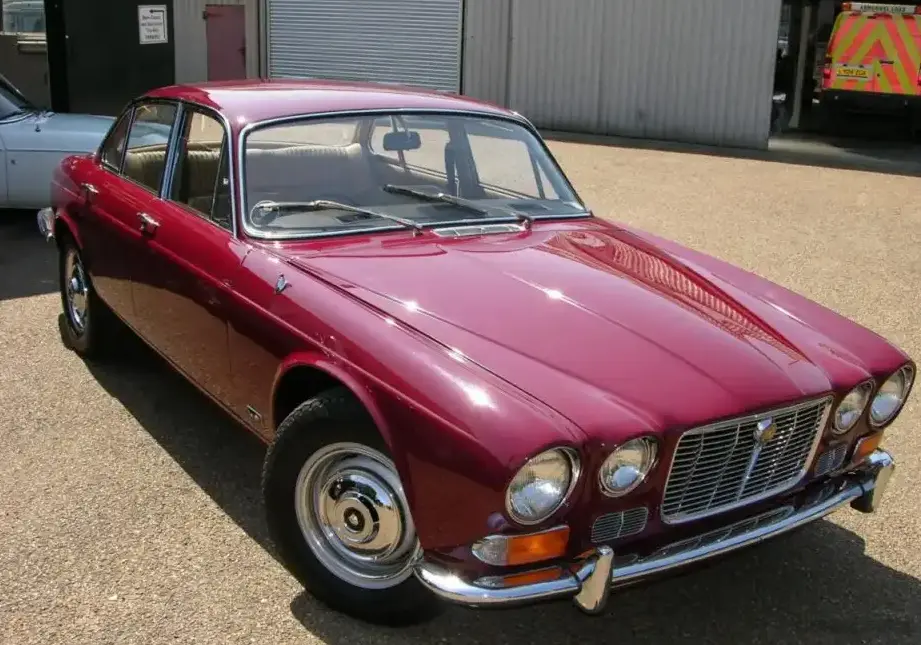
The Jaguar XJ (X300) 4.0 24V Classic Sovereign Lang, produced between 1994 and 1997, represents a significant evolution in the iconic XJ lineage. Positioned as a premium luxury sedan, this variant occupied the upper echelon of the X300 range, offering a blend of performance and refinement. The X300 generation itself was a crucial model for Jaguar, representing a substantial investment and a move towards more modern engineering while retaining the classic Jaguar aesthetic. It served as a bridge between the traditional XJ12 models and the later, more technologically advanced X308.
Technical Specifications
| Brand | Jaguar |
| Model | XJ |
| Generation | XJ (X300) |
| Type | 4.0 24V Classic Sovereign Lang (241 Hp) Automatic |
| Start of production | 1994 |
| End of production | 1997 |
| Powertrain Architecture | Internal Combustion engine |
| Body type | Sedan |
| Seats | 5 |
| Doors | 4 |
| Fuel consumption (combined) | 11 l/100 km |
| Fuel consumption (US mpg) | 21.4 |
| Fuel consumption (UK mpg) | 25.7 |
| Fuel consumption (km/l) | 9.1 |
| Fuel Type | Petrol (Gasoline) |
| Acceleration 0 – 100 km/h | 8.2 sec |
| Acceleration 0 – 62 mph | 8.2 sec |
| Acceleration 0 – 60 mph | 7.8 sec |
| Maximum speed | 232 km/h (144.16 mph) |
| Weight-to-power ratio | 7.5 kg/Hp |
| Weight-to-torque ratio | 4.8 kg/Nm |
| Power | 241 Hp @ 4800 rpm |
| Power per litre | 60.6 Hp/l |
| Torque | 375 Nm @ 4000 rpm (276.59 lb.-ft. @ 4000 rpm) |
| Engine layout | Front, Longitudinal |
| Engine displacement | 3980 cm3 (242.87 cu. in.) |
| Number of cylinders | 6 |
| Engine configuration | Inline |
| Cylinder Bore | 91 mm (3.58 in.) |
| Piston Stroke | 102 mm (4.02 in.) |
| Compression ratio | 10:1 |
| Number of valves per cylinder | 4 |
| Fuel injection system | Multi-port manifold injection |
| Engine aspiration | Naturally aspirated |
| Valvetrain | DOHC |
| Kerb Weight | 1800 kg (3968.32 lbs.) |
| Max. weight | 2220 kg (4894.26 lbs.) |
| Max load | 420 kg (925.94 lbs.) |
| Trunk (boot) space – minimum | 430 l (15.19 cu. ft.) |
| Fuel tank capacity | 86 l (22.72 US gal | 18.92 UK gal) |
| Length | 5149 mm (202.72 in.) |
| Width | 1798 mm (70.79 in.) |
| Height | 1314 mm (51.73 in.) |
| Front track | 1500 mm (59.06 in.) |
| Rear (Back) track | 1498 mm (58.98 in.) |
| Drivetrain Architecture | Rear wheel drive |
| Number of gears | 4 |
| Gearbox type | Automatic transmission |
| Front suspension | Double wishbone |
| Rear suspension | Coil spring |
| Front brakes | Ventilated discs |
| Rear brakes | Ventilated discs |
| Assisting systems | ABS (Anti-lock braking system), Hydraulic Power Steering |
| Tires size | 225/60 R16 |
Powertrain & Engine Architecture
The heart of the XJ 4.0 is Jaguar’s 3,980cc (242.87 cu. in.) inline-six cylinder engine. This engine, internally designated as the AJ6, was a significant departure from the earlier Jaguar V12s, offering improved reliability and fuel efficiency. The ‘24V’ designation refers to the four valves per cylinder, contributing to its strong power output. The engine utilizes a multi-port fuel injection system, carefully calibrated to deliver smooth power delivery and responsiveness. The DOHC (Double Overhead Camshaft) valvetrain further enhances breathing and performance. Paired with this engine is a four-speed automatic transmission, providing a comfortable and effortless driving experience. This transmission, while not known for its sportiness, was chosen for its smoothness and suitability for the XJ’s luxury focus.
Driving Characteristics
The 4.0-liter engine, producing 241 horsepower and 276 lb-ft of torque, provided a noticeable step up in performance compared to the smaller-displacement XJ variants. Acceleration from 0-60 mph was achieved in around 7.8 seconds, respectable for a large luxury sedan of the era. The automatic transmission, while smooth, did result in some power loss compared to the available manual transmission. Gear ratios were tuned for comfortable cruising rather than outright acceleration. The XJ 4.0 offered a refined driving experience, prioritizing comfort and quietness over sporty handling. The engine delivered ample torque throughout the rev range, making it easy to overtake and maintain highway speeds.
Equipment & Trim Levels
The Classic Sovereign Lang trim level represented a high degree of luxury within the X300 range. Standard features included Connolly leather upholstery, burled walnut wood trim, electric front seats with memory function, climate control, and a premium sound system. The ‘Lang’ designation indicated a long-wheelbase version, providing increased rear legroom for enhanced passenger comfort. Optional extras included a sunroof, upgraded sound systems, and various exterior color choices. The interior was designed to provide a sense of opulent comfort, with attention paid to detail and craftsmanship.
Chassis & Braking
The XJ X300 utilized a robust chassis with independent double wishbone suspension at the front and a coil spring setup at the rear. This suspension configuration provided a comfortable ride while maintaining reasonable handling characteristics. All four wheels were equipped with ventilated disc brakes, providing ample stopping power. An Anti-lock Braking System (ABS) was standard, enhancing safety and control during emergency braking situations. Hydraulic power steering made maneuvering the large sedan relatively easy. The X300’s chassis was a significant improvement over previous XJ generations, offering increased rigidity and refinement.
Market Reception & Comparison
The XJ 4.0 was generally well-received by automotive critics. It was praised for its smooth engine, comfortable ride, and luxurious interior. However, some critics noted that the automatic transmission could feel somewhat sluggish compared to the manual option. Compared to the XJ6 variants, the 4.0 offered a significant performance upgrade, justifying its higher price tag. Against competitors like the BMW 7 Series and Mercedes-Benz S-Class, the XJ 4.0 offered a unique blend of British style and luxury, although it often lagged behind in terms of cutting-edge technology. Fuel economy, at around 21.4 US mpg, was typical for a large luxury sedan of the time.
Legacy
The Jaguar XJ X300 4.0 remains a desirable classic car today. The inline-six engine, while not without its quirks, is generally considered reliable when properly maintained. The automatic transmission, while not a performance standout, has proven to be durable. Parts availability is generally good, although some specific trim pieces can be difficult to find. The X300 represents a sweet spot in the XJ lineage, offering a classic Jaguar experience with improved reliability and build quality compared to earlier models. Well-maintained examples command a premium in the used car market, appealing to enthusiasts who appreciate the car’s blend of luxury, performance, and British heritage.