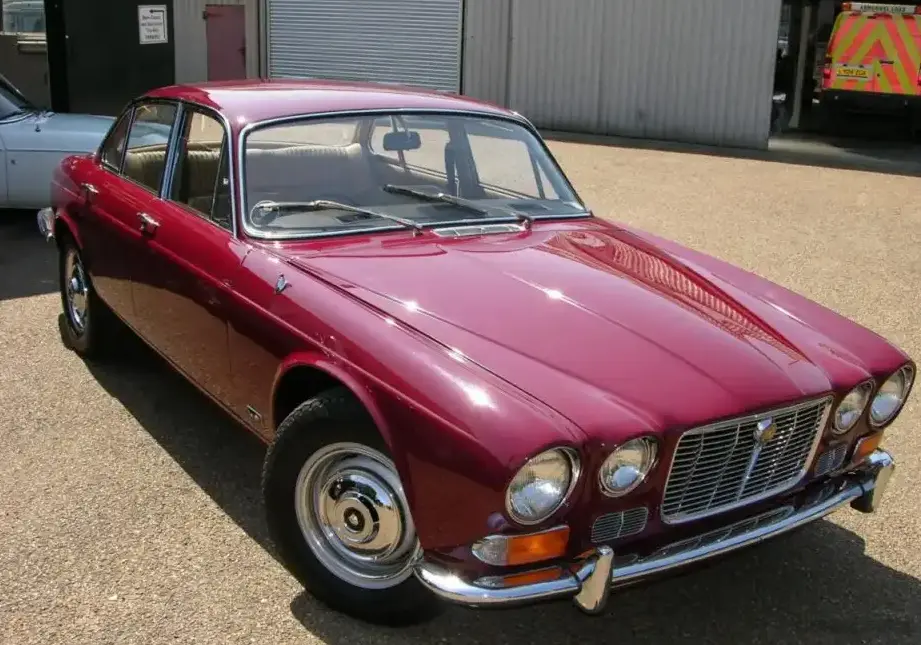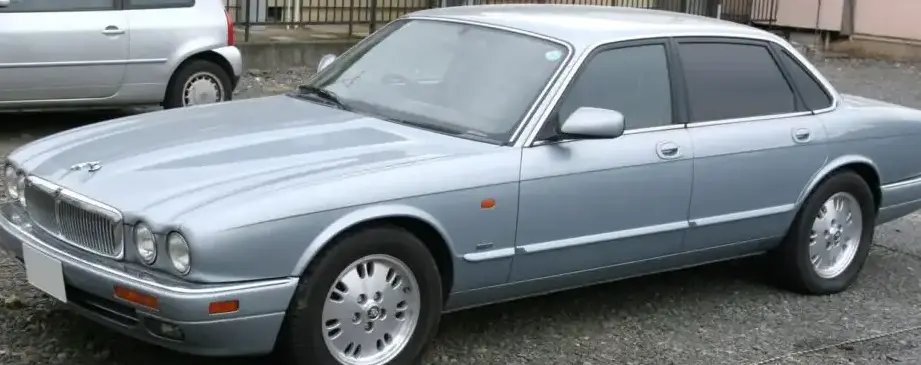
The Jaguar XJ (X300) 4.0 24V Sport, produced between 1994 and 1997, represented a significant evolution of Jaguar’s flagship saloon. Falling within the X300 generation (which replaced the XJ12 series), this variant was positioned as a performance-oriented offering within the XJ range, bridging the gap between the standard 4.0-liter models and the more luxurious Vanden Plas trim. The X300 series as a whole aimed to modernize the XJ while retaining its traditional luxury and refinement, addressing criticisms of the preceding XJ40 model regarding build quality and electrical systems. This particular 4.0-liter Sport model aimed to appeal to drivers seeking a blend of performance and sophistication.
Technical Specifications
| Brand | Jaguar |
| Model | XJ |
| Generation | XJ (X300) |
| Type (Engine) | 4.0 24V Sport (241 Hp) |
| Start of production | 1994 |
| End of production | 1997 |
| Powertrain Architecture | Internal Combustion engine |
| Body type | Sedan |
| Seats | 5 |
| Doors | 4 |
| Fuel consumption (combined) | 11.8 l/100 km |
| Fuel consumption (US mpg) | 19.9 US mpg |
| Fuel consumption (UK mpg) | 23.9 UK mpg |
| Fuel consumption (km/l) | 8.5 km/l |
| Fuel Type | Petrol (Gasoline) |
| Acceleration 0 – 100 km/h | 7.4 sec |
| Acceleration 0 – 62 mph | 7.4 sec |
| Acceleration 0 – 60 mph | 7 sec |
| Maximum speed | 232 km/h (144.16 mph) |
| Weight-to-power ratio | 7.5 kg/Hp |
| Weight-to-torque ratio | 4.8 kg/Nm |
| Power | 241 Hp @ 4800 rpm |
| Power per litre | 60.6 Hp/l |
| Torque | 375 Nm @ 4000 rpm (276.59 lb.-ft. @ 4000 rpm) |
| Engine layout | Front, Longitudinal |
| Engine displacement | 3980 cm3 (242.87 cu. in.) |
| Number of cylinders | 6 |
| Engine configuration | Inline |
| Cylinder Bore | 91 mm (3.58 in.) |
| Piston Stroke | 102 mm (4.02 in.) |
| Compression ratio | 10:1 |
| Number of valves per cylinder | 4 |
| Fuel injection system | Multi-port manifold injection |
| Engine aspiration | Naturally aspirated engine |
| Valvetrain | DOHC |
| Kerb Weight | 1800 kg (3968.32 lbs.) |
| Max. weight | 2220 kg (4894.26 lbs.) |
| Max load | 420 kg (925.94 lbs.) |
| Trunk (boot) space – minimum | 430 l (15.19 cu. ft.) |
| Fuel tank capacity | 86 l (22.72 US gal | 18.92 UK gal) |
| Length | 5023 mm (197.76 in.) |
| Width | 1798 mm (70.79 in.) |
| Height | 1307 mm (51.46 in.) |
| Wheelbase | 2870 mm (112.99 in.) |
| Front track | 1500 mm (59.06 in.) |
| Rear (Back) track | 1498 mm (58.98 in.) |
| Drivetrain Architecture | Rear wheel drive |
| Drive wheel | Rear wheel drive |
| Number of gears and type of gearbox | 5 gears, manual transmission |
| Front suspension | Double wishbone |
| Rear suspension | Coil spring |
| Front brakes | Ventilated discs |
| Rear brakes | Ventilated discs |
| Assisting systems | ABS (Anti-lock braking system), Hydraulic Steering |
| Tires size | 225/55 R16 |
Powertrain & Engine Architecture
The heart of the XJ 4.0 24V Sport was Jaguar’s 3,980cc (242.87 cu. in.) inline-six cylinder engine. This engine, internally designated as the AJ6, was a naturally aspirated unit featuring a 10:1 compression ratio and multi-port fuel injection. The ‘24V’ designation refers to the four valves per cylinder, operated by a dual overhead camshaft (DOHC) valvetrain. This configuration allowed for efficient cylinder filling and improved breathing, contributing to the engine’s 241 horsepower output at 4,800 rpm and 375 Nm (276.59 lb.-ft.) of torque at 4,000 rpm. The engine’s long stroke and relatively small bore contributed to a broad torque curve, providing good drivability. The five-speed manual transmission was standard on the Sport model, offering a more engaging driving experience than the optional four-speed automatic found in other XJ variants.
Driving Characteristics
The combination of the 4.0-liter engine and the five-speed manual gearbox gave the XJ 4.0 24V Sport a noticeably more spirited driving experience compared to its automatic counterparts. Acceleration to 60 mph was achieved in around 7 seconds, and the car could reach a top speed of 144 mph. The manual transmission allowed drivers to fully exploit the engine’s power and torque, providing precise control over gear selection. While not a true sports saloon in the modern sense, the XJ 4.0 Sport offered a compelling blend of performance and luxury. The suspension, tuned for comfort, still provided reasonably controlled handling, although body roll was present during aggressive cornering. The rear-wheel-drive configuration contributed to a balanced feel, but traction could be limited in wet conditions.
Equipment & Trim Levels
The ‘Sport’ designation on this XJ variant signified more than just the manual transmission. Standard equipment included sports suspension, a leather-wrapped steering wheel, and upgraded interior trim. Interior upholstery was typically Connolly leather, and wood veneer trim was used extensively throughout the cabin. Optional extras included a premium sound system, heated seats, and a sunroof. The XJ 4.0 Sport generally featured a more restrained exterior appearance than the Vanden Plas model, with subtle styling cues to indicate its performance focus. The dashboard layout was typical of the X300 generation, featuring analog gauges and a relatively uncluttered design.
Chassis & Braking
The XJ 4.0 24V Sport utilized a double wishbone suspension setup at the front and a coil spring arrangement at the rear. Ventilated disc brakes were fitted to all four wheels, providing ample stopping power. An anti-lock braking system (ABS) was standard, enhancing safety and stability during hard braking. The steering was hydraulically assisted, offering a good balance between lightness and feel. The chassis was a monocoque construction, providing a rigid and safe platform. The X300 generation saw improvements in build quality and corrosion resistance compared to the XJ40, addressing common criticisms of earlier models.
Market Reception & Comparison
The XJ 4.0 24V Sport was generally well-received by automotive critics, who praised its performance and engaging driving experience. It was seen as a more appealing option for drivers who wanted a Jaguar with a bit more character than the more traditionally luxurious models. Compared to the automatic versions of the XJ 4.0, the Sport offered a noticeable improvement in acceleration and responsiveness. Against competitors like the BMW 5 Series and Mercedes-Benz E-Class, the XJ 4.0 Sport offered a unique blend of British luxury and performance. Fuel economy, however, was not a strong point, averaging around 19.9 US mpg in combined driving.
Legacy
The Jaguar XJ (X300) 4.0 24V Sport has become a sought-after classic among Jaguar enthusiasts. The AJ6 engine, while not without its quirks, is generally considered to be a robust and reliable unit when properly maintained. The manual transmission version is particularly desirable due to its rarity and engaging driving experience. Today, well-maintained examples command a premium in the used car market. Common issues include electrical gremlins (though less prevalent than in the XJ40) and potential oil leaks. However, the XJ 4.0 Sport remains a testament to Jaguar’s commitment to building luxurious and capable automobiles, offering a unique driving experience that continues to appeal to enthusiasts today.