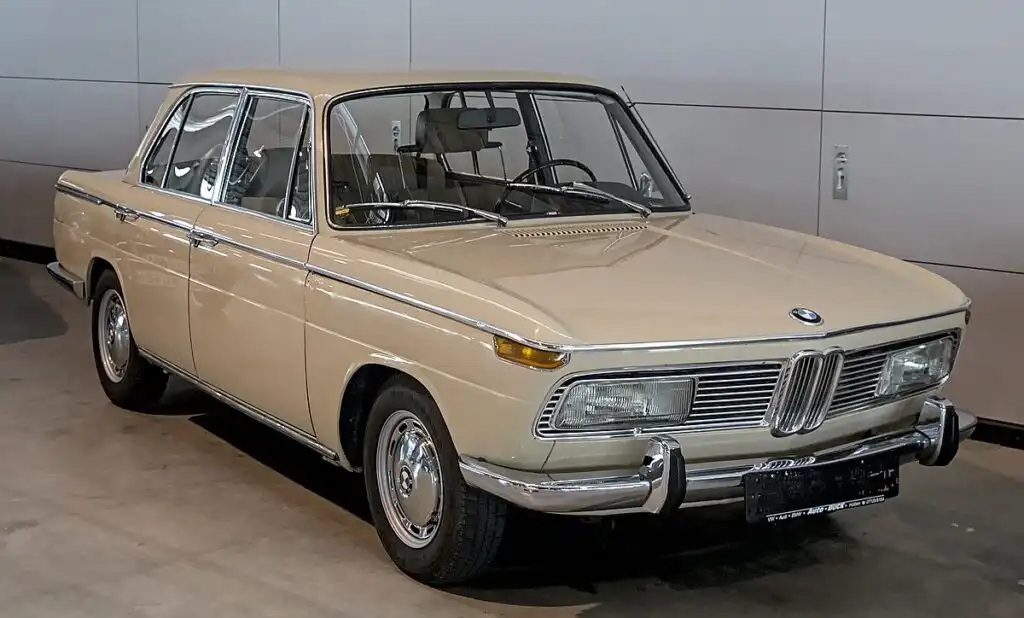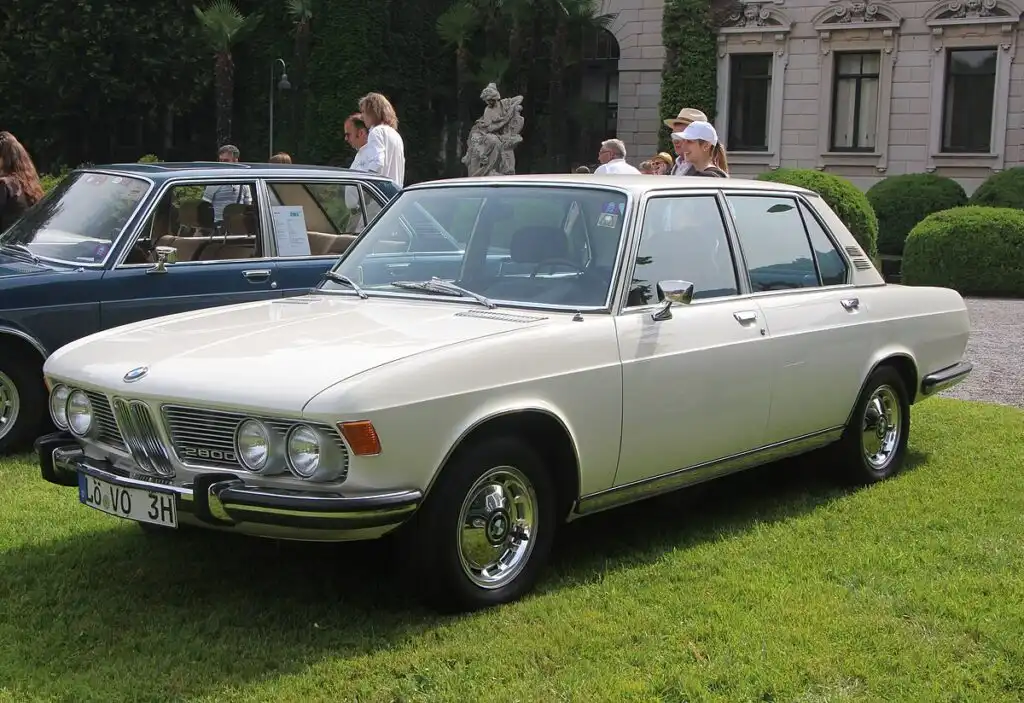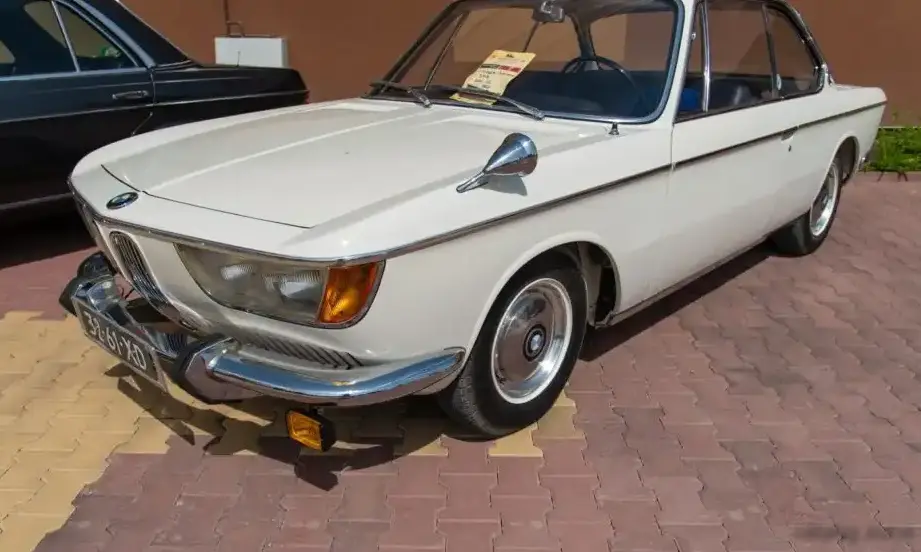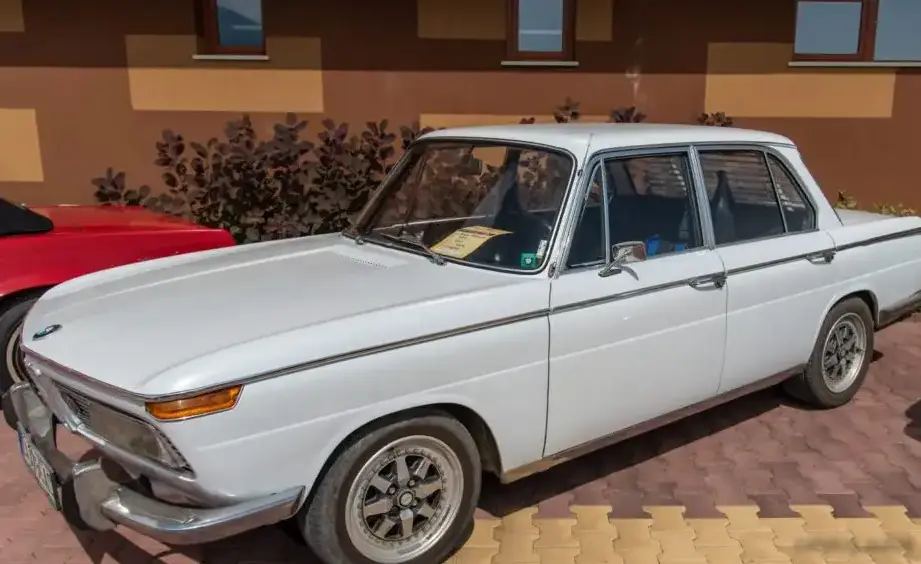
The BMW New Class 1800, equipped with a 90 horsepower engine and automatic transmission, represents a pivotal model in BMW’s post-war recovery. Produced between September 1963 and August 1968, this variant occupied the entry-level position within the New Class (internally designated as the 1100, 1600, 1800, and 2000 series) and played a crucial role in establishing BMW as a maker of sporty, modern sedans. It was the first fully independent design from BMW after World War II, moving away from licensed designs and setting the stage for the company’s future success. The 1800 Automatic offered a more accessible entry point into the New Class range, appealing to buyers prioritizing comfort and ease of use over outright performance.
Technical Specifications
| Brand | BMW |
| Model | New Class |
| Generation | New Class |
| Type (Engine) | 1800 (90 Hp) Automatic |
| Start of production | September, 1963 |
| End of production | August, 1968 |
| Powertrain Architecture | Internal Combustion engine |
| Body type | Sedan |
| Seats | 5 |
| Doors | 4 |
| Fuel consumption (combined) | 11 l/100 km |
| Fuel consumption (US mpg) | 21.4 US mpg |
| Fuel consumption (UK mpg) | 25.7 UK mpg |
| Fuel consumption (km/l) | 9.1 km/l |
| Fuel Type | Petrol (Gasoline) |
| Acceleration 0 – 100 km/h | 13.2 sec |
| Acceleration 0 – 62 mph | 13.2 sec |
| Acceleration 0 – 60 mph | 12.5 sec |
| Maximum speed | 160 km/h (99.42 mph) |
| Weight-to-power ratio | 11.9 kg/Hp |
| Weight-to-torque ratio | 7.5 kg/Nm |
| Power | 90 Hp @ 5250 rpm |
| Power per litre | 50.8 Hp/l |
| Torque | 143 Nm @ 3000 rpm (105.47 lb.-ft. @ 3000 rpm) |
| Engine layout | Front, Longitudinal |
| Engine Model/Code | M118 |
| Engine displacement | 1773 cm3 (108.2 cu. in.) |
| Number of cylinders | 4 |
| Engine configuration | Inline |
| Cylinder Bore | 84 mm (3.31 in.) |
| Piston Stroke | 80 mm (3.15 in.) |
| Compression ratio | 8.6:1 |
| Number of valves per cylinder | 2 |
| Fuel injection system | Carburettor |
| Engine aspiration | Naturally aspirated engine |
| Valvetrain | SOHC |
| Engine oil capacity | 4.3 l (4.54 US qt | 3.78 UK qt) |
| Coolant capacity | 7 l (7.4 US qt | 6.16 UK qt) |
| Kerb Weight | 1070 kg (2358.95 lbs.) |
| Max. weight | 1470 kg (3240.8 lbs.) |
| Max load | 400 kg (881.85 lbs.) |
| Trunk (boot) space – minimum | 600 l (21.19 cu. ft.) |
| Fuel tank capacity | 53 l (14 US gal | 11.66 UK gal) |
| Permitted trailer load with brakes (12%) | 1200 kg (2645.55 lbs.) |
| Permitted trailer load without brakes | 500 kg (1102.31 lbs.) |
| Length | 4500 mm (177.17 in.) |
| Width | 1710 mm (67.32 in.) |
| Height | 1450 mm (57.09 in.) |
| Wheelbase | 2550 mm (100.39 in.) |
| Front track | 1320 mm (51.97 in.) |
| Rear (Back) track | 1366 mm (53.78 in.) |
| Ride height (ground clearance) | 150 mm (5.91 in.) |
| Minimum turning circle (turning diameter) | 9.6 m (31.5 ft.) |
| Drivetrain Architecture | Rear wheel drive |
| Number of gears and type of gearbox | 3 gears, automatic transmission |
| Front suspension | Independent coil spring |
| Rear suspension | Independent coil spring, Trailing arm |
| Front brakes | Disc, 268 mm |
| Rear brakes | Drum, 250 mm |
| Steering type | Worm-reduction unit |
Powertrain & Engine Architecture
The BMW 1800 Automatic was powered by the M118 engine, a 1.8-liter (1773 cc) inline-four cylinder unit. This engine featured a single overhead camshaft (SOHC) valvetrain with two valves per cylinder. Fuel delivery was managed by a Solex carburetor, a common setup for the era. The engine produced 90 horsepower at 5250 rpm and 143 Nm (105.47 lb-ft) of torque at 3000 rpm. The engine’s longitudinal front-engine layout, coupled with rear-wheel drive, was a hallmark of BMW’s engineering philosophy at the time. The automatic transmission was a three-speed unit, offering a smoother, albeit less engaging, driving experience compared to the available four-speed manual. This transmission was sourced from ZF, a well-respected supplier of automotive driveline technology.
Driving Characteristics
The 1800 Automatic, while offering a comfortable ride, wasn’t known for its blistering performance. The combination of the 90 hp engine and the three-speed automatic transmission resulted in a 0-60 mph time of around 12.5 seconds and a top speed of 99.42 mph. Compared to the manual transmission versions of the 1800, or the more powerful 2000 models, the automatic felt noticeably slower. The automatic transmission’s gear ratios were optimized for smooth cruising rather than rapid acceleration. However, the automatic provided a more relaxed driving experience, particularly in city traffic, making it appealing to a broader range of buyers. The car’s handling was still characteristically BMW, with responsive steering and a well-balanced chassis, but the automatic transmission diminished the driver’s control somewhat.
Equipment & Trim Levels
The 1800 Automatic typically came equipped with a relatively basic level of standard features. Interior upholstery was generally cloth, though vinyl options were available. The dashboard featured a straightforward layout with essential gauges, including a speedometer, tachometer, fuel gauge, and temperature gauge. Optional extras included a sunroof, upgraded upholstery, a radio, and whitewall tires. The 1800 Automatic was positioned as a comfortable and practical sedan, and its trim level reflected this. It lacked the luxurious appointments found in the higher-end 2000 models, but it offered a solid and well-built interior.
Chassis & Braking
The New Class models, including the 1800 Automatic, featured an independent suspension on all four wheels. The front suspension utilized coil springs and wishbones, while the rear suspension employed a trailing arm setup with coil springs. This suspension design provided a comfortable ride and good handling characteristics. Braking was accomplished via disc brakes on the front wheels and drum brakes on the rear wheels. The 1800 Automatic’s braking system was adequate for its performance level, but it lacked the stopping power of later BMW models with four-wheel disc brakes. The car’s relatively light weight (approximately 2359 lbs) helped to offset the limitations of the braking system.
Market Reception & Comparison
The BMW 1800 Automatic was generally well-received by automotive critics. It was praised for its comfortable ride, solid build quality, and responsive handling. However, its performance was often criticized as being underwhelming, particularly when compared to the manual transmission versions or the more powerful 2000 models. Fuel economy was reasonable for the time, averaging around 21.4 US mpg. Compared to other sedans in its class, such as the Mercedes-Benz “Fintail” models, the 1800 Automatic offered a more sporty driving experience. However, it was generally more expensive than its competitors.
Legacy
The BMW New Class 1800 Automatic played a significant role in revitalizing the BMW brand and establishing its reputation for building high-quality, sporty sedans. The M118 engine proved to be a reliable and durable powerplant, and many examples are still on the road today. While the automatic transmission isn’t as sought after by enthusiasts as the manual versions, the 1800 Automatic remains a popular choice for classic car collectors and enthusiasts who appreciate its comfortable ride and classic BMW styling. The New Class platform laid the foundation for many future BMW models, and its influence can still be seen in the company’s current lineup. The 1800 Automatic, in particular, represents a crucial step in BMW’s journey from a struggling post-war manufacturer to a global automotive leader.