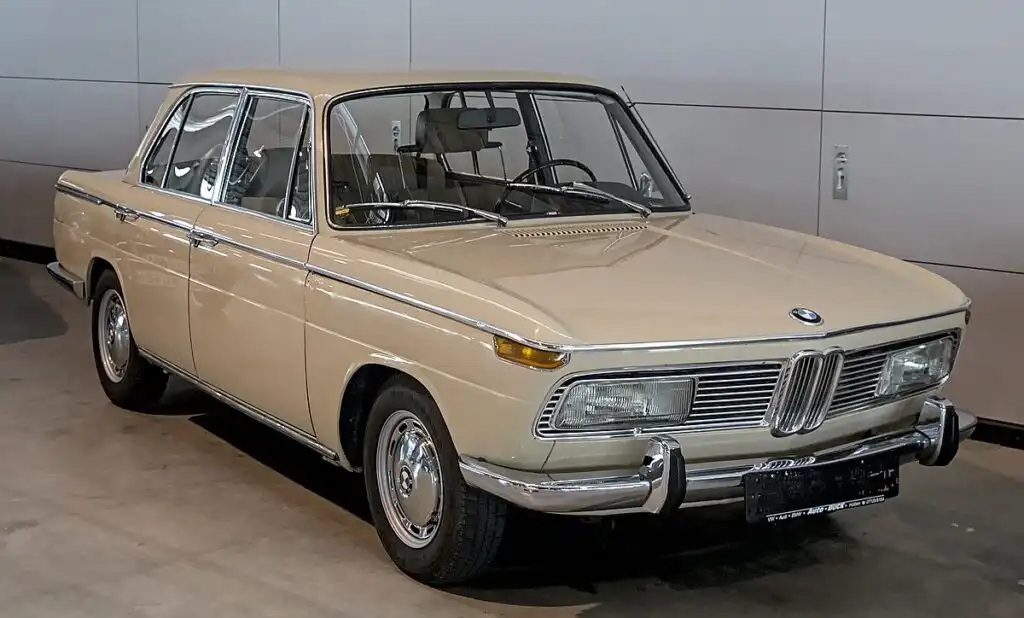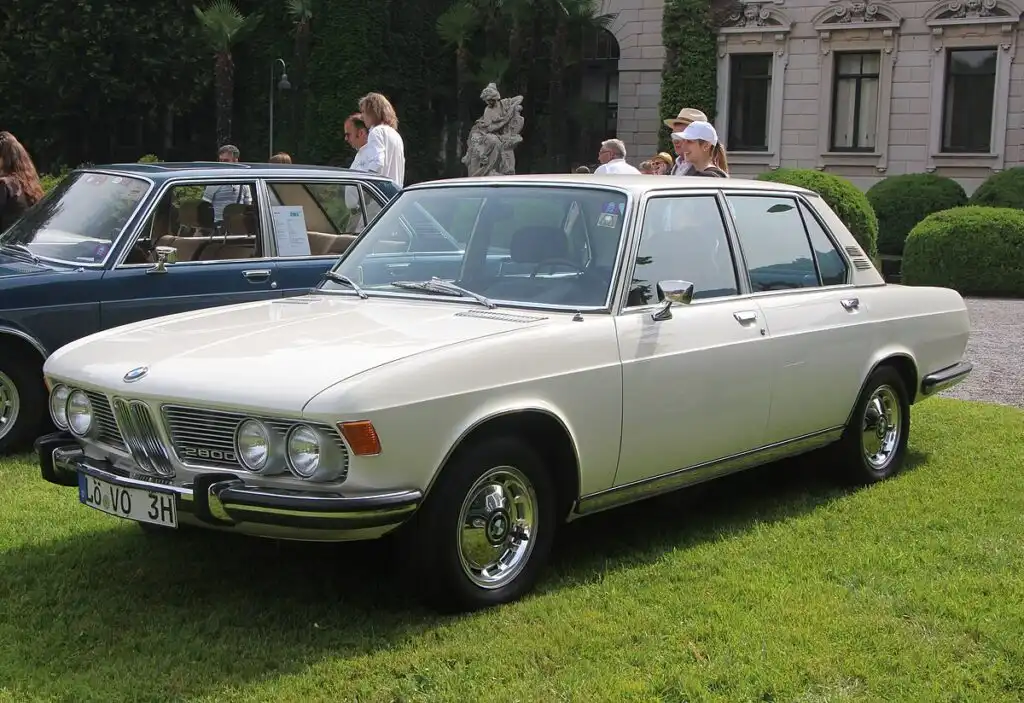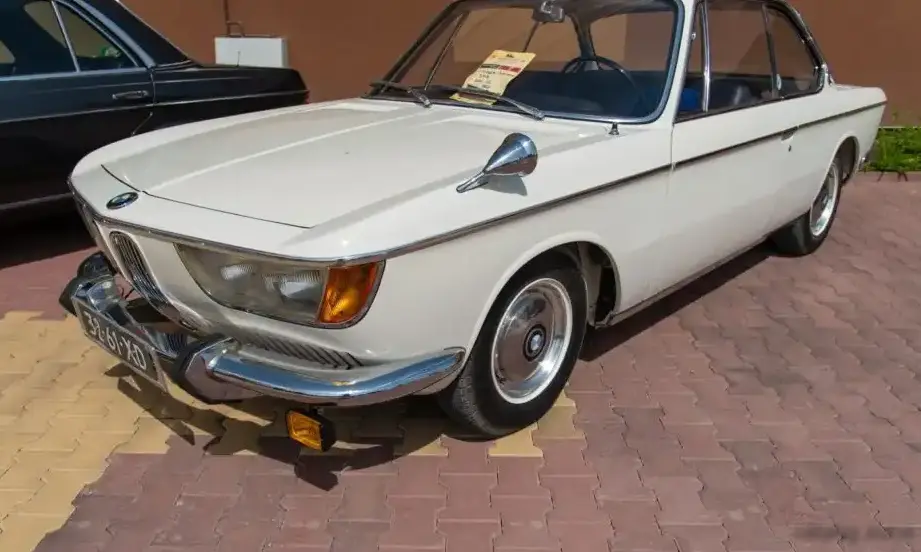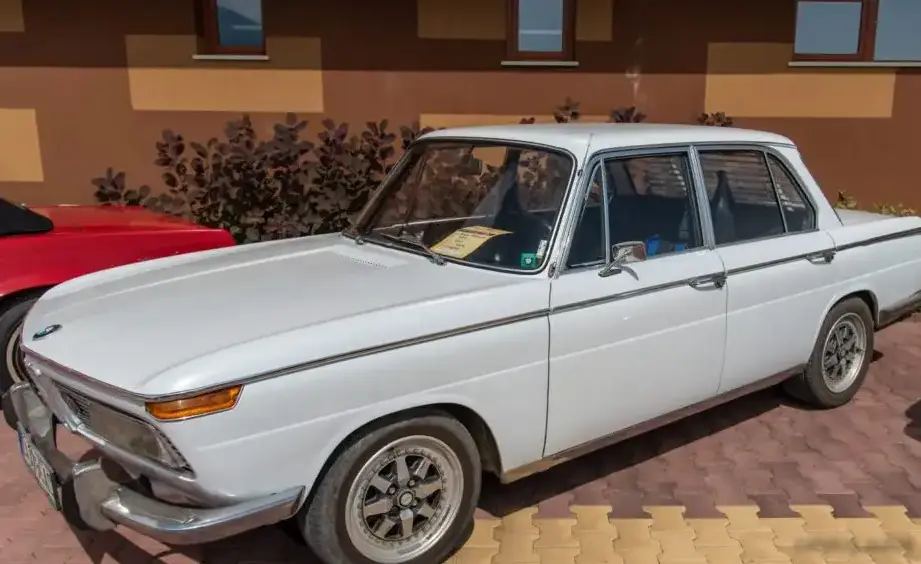
The BMW New Class 1800 ti, produced between February 1964 and January 1966, represents a pivotal moment in BMW’s history. This model, designated internally as the 1800 ti, was a key component of the “New Class” (Neue Klasse) series – a lineup designed to rescue BMW from financial difficulties and redefine its brand image. Positioned as a sporty, upscale sedan, the 1800 ti offered a compelling blend of performance and refinement, establishing BMW as a manufacturer of driver-focused automobiles. It served as a direct predecessor to the iconic 2002 series, laying the groundwork for many of the characteristics that would define BMW’s future success. The “ti” designation, standing for “Touring International,” signified a higher performance variant within the New Class range.
Technical Specifications
| Brand | BMW |
| Model | New Class |
| Generation | New Class |
| Type (Engine) | 1800 ti (110 Hp) |
| Start of production | February, 1964 |
| End of production | January, 1966 |
| Powertrain Architecture | Internal Combustion engine |
| Body type | Sedan |
| Seats | 5 |
| Doors | 4 |
| Fuel Type | Petrol (Gasoline) |
| Acceleration 0 – 100 km/h | 11.8 sec |
| Acceleration 0 – 62 mph | 11.8 sec |
| Acceleration 0 – 60 mph | 11.2 sec |
| Maximum speed | 172 km/h (106.88 mph) |
| Weight-to-power ratio | 9.5 kg/Hp, 105.8 Hp/tonne |
| Weight-to-torque ratio | 6.5 kg/Nm, 153.8 Nm/tonne |
| Power | 110 Hp @ 6000 rpm |
| Power per litre | 62 Hp/l |
| Torque | 160 Nm @ 4000 rpm (118.01 lb.-ft. @ 4000 rpm) |
| Engine layout | Front, Longitudinal |
| Engine Model/Code | M118 |
| Engine displacement | 1773 cm3 (108.2 cu. in.) |
| Number of cylinders | 4 |
| Engine configuration | Inline |
| Cylinder Bore | 84 mm (3.31 in.) |
| Piston Stroke | 80 mm (3.15 in.) |
| Compression ratio | 9.5:1 |
| Number of valves per cylinder | 2 |
| Fuel injection system | Carburettor |
| Engine aspiration | Naturally aspirated engine |
| Valvetrain | SOHC |
| Engine oil capacity | 5 l (5.28 US qt | 4.4 UK qt) |
| Coolant | 7 l (7.4 US qt | 6.16 UK qt) |
| Kerb Weight | 1040 kg (2292.81 lbs.) |
| Max. weight | 1440 kg (3174.66 lbs.) |
| Max load | 400 kg (881.85 lbs.) |
| Trunk (boot) space – minimum | 600 l (21.19 cu. ft.) |
| Fuel tank capacity | 55 l (14.53 US gal | 12.1 UK gal) |
| Permitted trailer load with brakes (12%) | 1200 kg (2645.55 lbs.) |
| Permitted trailer load without brakes | 500 kg (1102.31 lbs.) |
| Length | 4500 mm (177.17 in.) |
| Width | 1710 mm (67.32 in.) |
| Height | 1450 mm (57.09 in.) |
| Wheelbase | 2550 mm (100.39 in.) |
| Front track | 1320 mm (51.97 in.) |
| Rear (Back) track | 1366 mm (53.78 in.) |
| Ride height (ground clearance) | 150 mm (5.91 in.) |
| Minimum turning circle (turning diameter) | 9.6 m (31.5 ft.) |
| Drivetrain Architecture | The Internal combustion engine (ICE) drives the rear wheels of the vehicle. |
| Drive wheel | Rear wheel drive |
| Number of gears and type of gearbox | 4 gears, manual transmission |
| Front suspension | Independent coil spring |
| Rear suspension | Independent coil spring, Trailing arm |
| Front brakes | Disc, 268 mm |
| Rear brakes | Drum, 250 mm |
| Steering type | Worm-reduction unit |
Powertrain & Engine Architecture
The heart of the 1800 ti is the BMW M118 engine, a 1.8-liter (1773 cc) inline-four cylinder unit. This engine featured a single overhead camshaft (SOHC) valvetrain operating two valves per cylinder. Fuel delivery was managed by a Solex 32 PHH carburetor, a common setup for the era. The M118 produced 110 horsepower at 6000 rpm and 160 Nm (118 lb-ft) of torque at 4000 rpm. The engine’s longitudinal front-engine, rear-wheel-drive layout was a hallmark of BMW’s engineering philosophy at the time, contributing to balanced handling. The 1800 ti was exclusively offered with a four-speed manual transmission, providing a direct connection between the driver and the engine. This transmission was chosen to enhance the sporty driving experience, aligning with the “ti” designation.
Driving Characteristics
The 1800 ti offered a noticeably more engaging driving experience than its standard 1800 sibling. While not overtly powerful by modern standards, the 110 hp engine provided sufficient power for spirited driving on the winding roads of Europe. Acceleration from 0 to 60 mph took approximately 11.2 seconds, and it could achieve a top speed of 106.88 mph. The four-speed manual transmission allowed drivers to fully exploit the engine’s powerband. The car’s relatively light weight (around 2293 lbs) contributed to its nimble handling. Compared to later, more powerful New Class models like the 2002, the 1800 ti prioritized balanced performance and driver involvement over outright speed. The gear ratios were tuned for acceleration in the mid-range, making it a pleasant car to drive in everyday situations.
Equipment & Trim Levels
The 1800 ti was relatively well-equipped for its time, though options were available to further enhance the interior. Standard features included comfortable cloth upholstery, a wood-trimmed dashboard, and a comprehensive instrument cluster. The “ti” trim also included features like a more sporty steering wheel and upgraded interior trim compared to the base 1800. Optional extras included a sunroof, radio, and upgraded wheels. The interior design was functional and understated, reflecting the German emphasis on practicality and build quality. The focus was on providing a comfortable and driver-focused environment.
Chassis & Braking
The 1800 ti featured an independent suspension system at all four wheels, utilizing coil springs and shock absorbers. The front suspension employed a MacPherson strut design, while the rear utilized a trailing arm setup. This suspension configuration provided a good balance between ride comfort and handling precision. Braking duties were handled by disc brakes at the front and drum brakes at the rear. While the braking system was adequate for the car’s performance, it lacked the stopping power of more modern systems. The car’s relatively narrow tires and simple steering system (worm-reduction unit) contributed to its classic driving feel.
Market Reception & Comparison
The BMW 1800 ti was well-received by automotive critics and enthusiasts alike. It was praised for its sporty handling, refined interior, and overall build quality. Compared to other sedans in its class, the 1800 ti offered a more engaging driving experience and a more upscale interior. The 1800 ti was positioned above the standard 1800 in BMW’s lineup, offering a more performance-oriented alternative. It was a direct competitor to models like the Mercedes-Benz 190 and the Alfa Romeo Giulia. Fuel economy was reasonable for the time, but not a primary focus. Reliability was generally good, though maintenance required regular attention.
Legacy
The BMW New Class 1800 ti played a crucial role in revitalizing the BMW brand and establishing its reputation for building sporty, driver-focused automobiles. It paved the way for the iconic 2002 series, which further cemented BMW’s position in the performance car market. Today, the 1800 ti is a sought-after classic car, appreciated by collectors and enthusiasts for its historical significance and engaging driving experience. The M118 engine, while not particularly powerful by modern standards, is known for its durability and relatively simple maintenance requirements. Well-maintained examples of the 1800 ti command respectable prices in the used car market, reflecting their enduring appeal and historical importance.