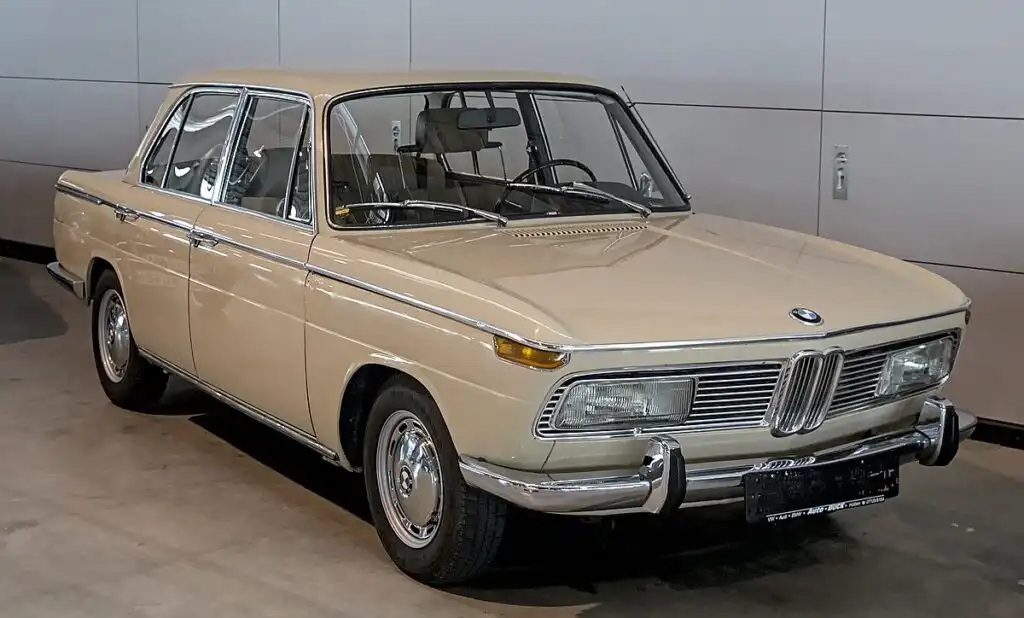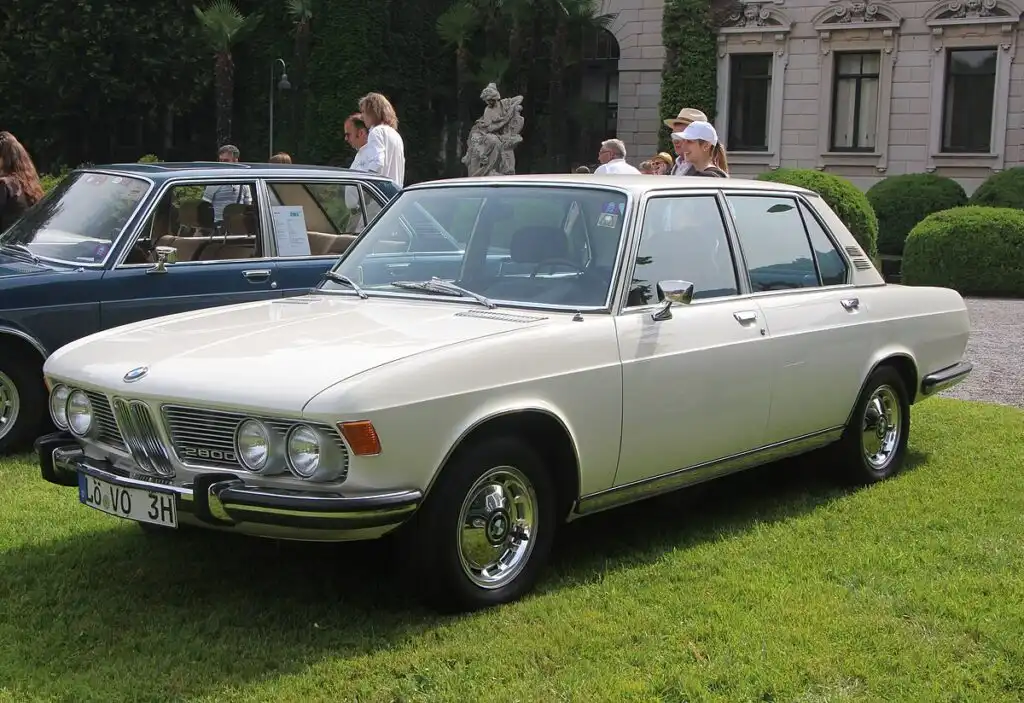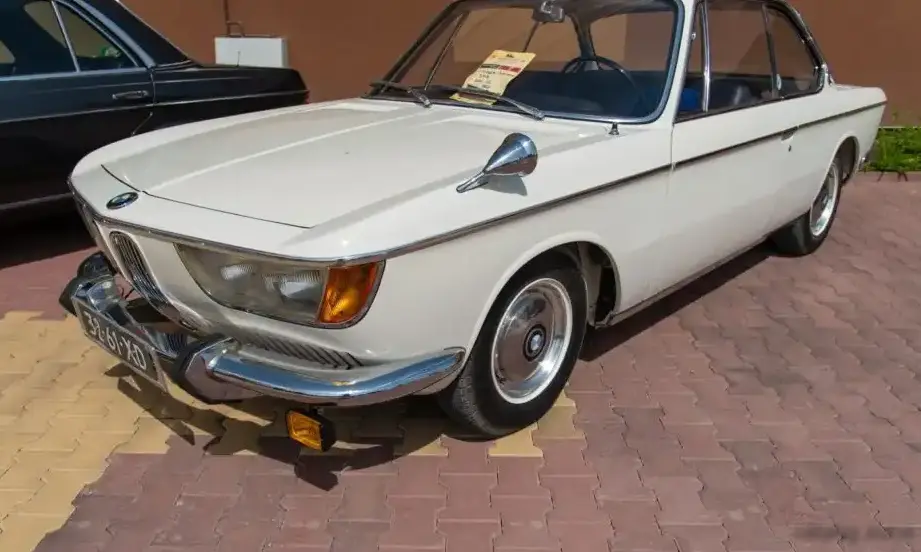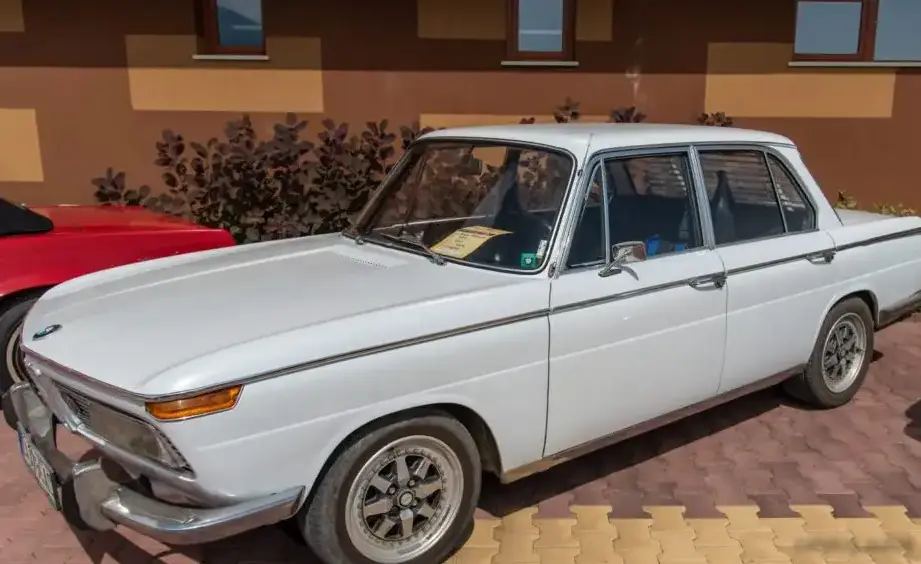
The BMW New Class 2000, produced between January 1966 and June 1972, represented a pivotal moment for Bayerische Motoren Werke (BMW). Following financial difficulties in the late 1950s and early 1960s, BMW needed a successful model to secure its future. The New Class, internally designated as the 1100, 1300, 1500, 1600, and 2000, provided that lifeline. The 2000 model, with its larger engine, was positioned as the premium offering within the New Class range, aimed at buyers seeking a more refined and powerful driving experience. It established BMW as a maker of sporting sedans and laid the groundwork for the company’s subsequent success. This variant was primarily sold in the European market, and a limited number were exported to other regions.
Technical Specifications
| Brand | BMW |
| Model | New Class |
| Generation | New Class |
| Type (Engine) | 2000 (100 Hp) |
| Start of production | January, 1966 |
| End of production | June, 1972 |
| Powertrain Architecture | Internal Combustion engine |
| Body type | Sedan |
| Seats | 5 |
| Doors | 4 |
| Fuel consumption (combined) | 10.7 l/100 km |
| Fuel consumption (US mpg) | 22 |
| Fuel consumption (UK mpg) | 26.4 |
| Fuel consumption (km/l) | 9.3 |
| Fuel Type | Petrol (Gasoline) |
| Acceleration 0 – 100 km/h | 12.4 sec |
| Acceleration 0 – 62 mph | 12.4 sec |
| Acceleration 0 – 60 mph | 11.8 sec |
| Maximum speed | 168 km/h (104.39 mph) |
| Weight-to-power ratio | 11.5 kg/Hp |
| Weight-to-torque ratio | 7.4 kg/Nm |
| Power | 100 Hp @ 5500 rpm |
| Power per litre | 50.3 Hp/l |
| Torque | 156 Nm @ 3000 rpm (115.06 lb.-ft. @ 3000 rpm) |
| Engine layout | Front, Longitudinal |
| Engine Model/Code | M05 |
| Engine displacement | 1990 cm3 (121.44 cu. in.) |
| Number of cylinders | 4 |
| Engine configuration | Inline |
| Cylinder Bore | 89 mm (3.5 in.) |
| Piston Stroke | 80 mm (3.15 in.) |
| Compression ratio | 8.5:1 |
| Number of valves per cylinder | 2 |
| Fuel injection system | Carburettor |
| Engine aspiration | Naturally aspirated |
| Valvetrain | SOHC |
| Engine oil capacity | 4.25 l (4.49 US qt | 3.74 UK qt) |
| Coolant capacity | 7 l (7.4 US qt | 6.16 UK qt) |
| Kerb Weight | 1150 kg (2535.32 lbs.) |
| Max. weight | 1550 kg (3417.17 lbs.) |
| Max load | 400 kg (881.85 lbs.) |
| Trunk (boot) space – minimum | 600 l (21.19 cu. ft.) |
| Fuel tank capacity | 55 l (14.53 US gal | 12.1 UK gal) |
| Permitted trailer load with brakes (12%) | 1200 kg (2645.55 lbs.) |
| Permitted trailer load without brakes | 500 kg (1102.31 lbs.) |
| Length | 4500 mm (177.17 in.) |
| Width | 1710 mm (67.32 in.) |
| Height | 1445 mm (56.89 in.) |
| Wheelbase | 2550 mm (100.39 in.) |
| Front track | 1330 mm (52.36 in.) |
| Rear track | 1376 mm (54.17 in.) |
| Drivetrain Architecture | Rear wheel drive |
| Number of gears | 4 |
| Gearbox type | Manual transmission |
| Front suspension | Double wishbone |
| Rear suspension | Independent coil spring, Trailing arm |
| Front brakes | Disc, 272 mm |
| Rear brakes | Drum, 250 mm |
| Steering type | Worm-reduction unit |
| Wheel rims size | 5J x 14 |
Powertrain & Engine Architecture
The BMW 2000 was powered by the M05 engine, a 1,990 cc (121.44 cubic inches) inline-four cylinder engine. This engine represented a significant upgrade over the smaller engines used in the 1500 and 1600 models. It featured a single overhead camshaft (SOHC) valvetrain operating two valves per cylinder. Fuel delivery was managed by a Solex 32 PHH carburetor, a common setup for the era. The engine produced 100 horsepower at 5,500 rpm and 156 Nm (115.06 lb-ft) of torque at 3,000 rpm. The engine was mounted longitudinally in the front of the vehicle, driving the rear wheels. The 2000 was exclusively offered with a four-speed manual transmission, providing a direct and engaging driving experience. The transmission was known for its robust construction and precise shift quality.
Driving Characteristics
The 100 hp output and four-speed manual transmission of the 2000 provided a balanced driving experience. While not overtly powerful by modern standards, the 2000 offered brisk acceleration for its time, achieving 0-60 mph in approximately 11.8 seconds and a top speed of 104.39 mph. The rear-wheel-drive layout and well-tuned suspension contributed to a sporty and engaging handling characteristic. Compared to the 1600 model, the 2000 offered noticeably more torque, making it more comfortable for highway cruising and overtaking. The manual transmission allowed for greater driver control compared to the automatic transmissions found in some contemporary vehicles. The gear ratios were well-chosen to maximize the engine’s power band, providing responsive acceleration in most driving situations.
Equipment & Trim Levels
The BMW 2000 was generally well-equipped for its era, though options were available to further enhance the vehicle. Standard features included comfortable cloth upholstery, a wood-trimmed dashboard, and a comprehensive instrument cluster. The interior was relatively spacious for a compact sedan, offering ample room for five passengers. Optional extras included a sunroof, upgraded audio systems, and leather upholstery. The 2000 was positioned as the premium trim level within the New Class range, and as such, it typically featured a higher level of fit and finish compared to the lower-spec models.
Chassis & Braking
The New Class 2000 featured a robust chassis with independent suspension at all four wheels. The front suspension utilized a double wishbone design, while the rear suspension employed a trailing arm setup with coil springs. This suspension configuration provided a comfortable ride and excellent handling characteristics. Braking duties were handled by disc brakes at the front and drum brakes at the rear. While the drum brakes at the rear were typical for the time, the front discs provided adequate stopping power. The steering system was a worm-reduction unit, offering precise and responsive steering feel.
Market Reception & Comparison
The BMW 2000 was well-received by automotive critics and buyers alike. It was praised for its sporty handling, comfortable ride, and refined interior. Compared to its competitors, such as the Mercedes-Benz W110 “Fintail” and the Opel Rekord, the 2000 offered a more engaging driving experience. Fuel economy was reasonable for the time, averaging around 22 US mpg. Reliability was generally good, though maintenance costs could be higher than those of some domestic competitors. The 2000’s higher price point reflected its premium positioning within the market.
Legacy
The BMW New Class 2000 played a crucial role in revitalizing the BMW brand and establishing its reputation as a maker of high-performance, sporting sedans. The M05 engine, while not a groundbreaking design, proved to be durable and reliable. Today, the New Class 2000 is a sought-after classic car, appreciated by enthusiasts for its timeless design, engaging driving dynamics, and historical significance. Well-maintained examples command a premium in the used car market. The New Class platform also served as the foundation for future BMW models, shaping the company’s design and engineering philosophy for decades to come.