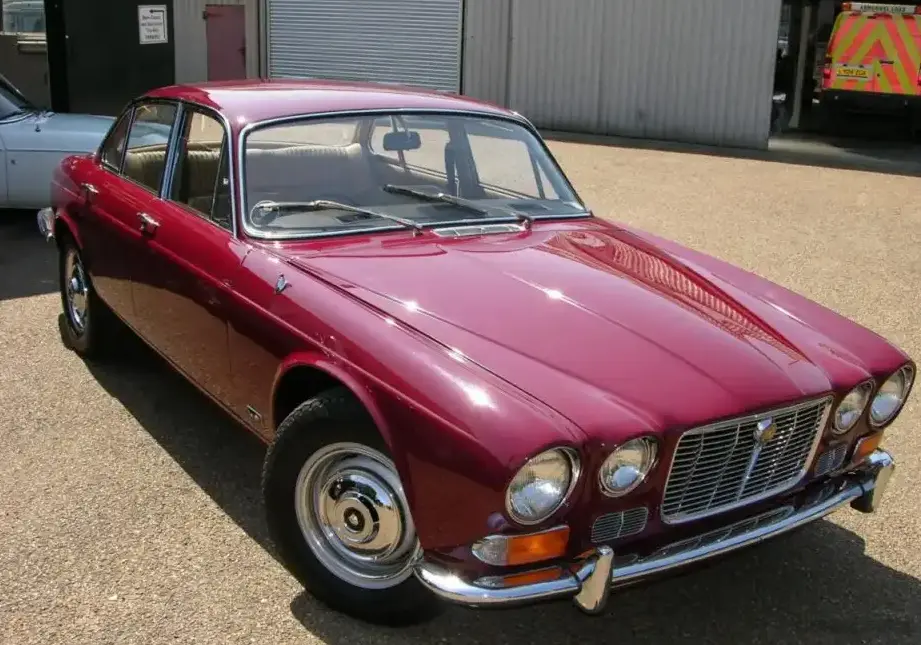
The Jaguar XJ (X350) 2.7D V6, produced from 2006 to 2006, represented a significant step forward for the flagship Jaguar sedan. Falling within the third generation (X350) of the XJ lineage, this variant offered a diesel engine option for the first time in the XJ’s history, primarily aimed at the European market where diesel fuel was more prevalent and economically advantageous. The 2.7D model occupied a middle ground in the XJ lineup, positioned below the supercharged petrol variants but offering a compelling blend of luxury, performance, and fuel efficiency. It was built on the X350 platform, known for its aluminum monocoque construction, a first for a volume production Jaguar.
Technical Specifications
| Brand | Jaguar |
| Model | XJ |
| Generation | XJ (X350) |
| Type (Engine) | 2.7D V6 32V (207 Hp) Automatic |
| Start of production | 2006 |
| End of production | 2006 |
| Powertrain Architecture | Internal Combustion engine |
| Body type | Sedan |
| Seats | 5 |
| Doors | 4 |
| Fuel consumption (urban) | 10.8 l/100 km (21.8 US mpg) |
| Fuel consumption (extra urban) | 6.5 l/100 km (36.2 US mpg) |
| Fuel Type | Diesel |
| Acceleration 0 – 100 km/h | 8.2 sec |
| Acceleration 0 – 62 mph | 8.2 sec |
| Acceleration 0 – 60 mph | 7.8 sec |
| Maximum speed | 222 km/h (137.94 mph) |
| Weight-to-power ratio | 8 kg/Hp |
| Weight-to-torque ratio | 3.8 kg/Nm |
| Power | 207 Hp @ 4000 rpm |
| Torque | 435 Nm @ 1900 rpm (320.84 lb.-ft. @ 1900 rpm) |
| Engine layout | Front, Longitudinal |
| Engine Model/Code | AJD |
| Engine displacement | 2722 cm3 (166.11 cu. in.) |
| Number of cylinders | 6 |
| Engine configuration | V-engine |
| Cylinder Bore | 81 mm (3.19 in.) |
| Piston Stroke | 88 mm (3.46 in.) |
| Compression ratio | 17.3:1 |
| Number of valves per cylinder | 4 |
| Fuel injection system | Diesel Commonrail |
| Engine aspiration | Turbocharger, Intercooler |
| Engine oil capacity | 6.6 l (6.97 US qt | 5.81 UK qt) |
| Coolant capacity | 13.5 l (14.27 US qt | 11.88 UK qt) |
| Kerb Weight | 1657 kg (3653.06 lbs.) |
| Max. weight | 2283 kg (5033.15 lbs.) |
| Max load | 626 kg (1380.09 lbs.) |
| Trunk (boot) space – maximum | 470 l (16.6 cu. ft.) |
| Fuel tank capacity | 85 l (22.45 US gal | 18.7 UK gal) |
| Length | 5090 mm (200.39 in.) |
| Width | 1860 mm (73.23 in.) |
| Height | 1448 mm (57.01 in.) |
| Wheelbase | 3034 mm (119.45 in.) |
| Front track | 1556 mm (61.26 in.) |
| Rear track | 1546 mm (60.87 in.) |
| Drivetrain Architecture | Rear wheel drive |
| Number of gears | 6 |
| Gearbox type | Automatic transmission |
| Front suspension | Independent, type McPherson with coil spring and anti-roll bar |
| Rear suspension | Independent multi-link spring suspension with stabilizer |
| Front brakes | Disc |
| Rear brakes | Disc |
| Assisting systems | ABS (Anti-lock braking system) |
| Tires size | 235/55 R17 |
Powertrain & Engine Architecture
The heart of the XJ 2.7D was the AJD engine, a 2.7-liter V6 diesel. This engine was developed in collaboration with PSA Peugeot Citroën and represented Jaguar’s first foray into modern common-rail diesel technology. The AJD featured a twin-turbocharger setup with a variable geometry turbo (VGT) and an exhaust gas recirculation (EGR) system to reduce emissions. The engine utilized a 17.3:1 compression ratio and a sophisticated Bosch common-rail fuel injection system capable of multiple injections per cycle for optimized combustion. The 6-speed automatic transmission, sourced from ZF, was specifically calibrated to suit the diesel engine’s torque characteristics. This transmission offered a smooth and refined driving experience, although it wasn’t as quick-shifting as some of the more performance-oriented automatic gearboxes available at the time.
Driving Characteristics
The 2.7D offered a distinctly different driving experience compared to the petrol-powered XJ models. While lacking the outright acceleration of the larger engines, the 2.7D delivered a substantial 435 Nm (320.84 lb-ft) of torque from as low as 1900 rpm. This resulted in strong mid-range acceleration and effortless cruising. The automatic transmission, while smooth, could feel slightly hesitant during quick downshifts. The 0-60 mph time of around 7.8 seconds was respectable for a large luxury sedan, but the focus was more on relaxed, refined progress than outright speed. The weight distribution, typical of a front-engine, rear-wheel-drive layout, contributed to balanced handling, although the XJ 2.7D wasn’t intended to be a sports sedan.
Equipment & Trim Levels
The XJ 2.7D typically came well-equipped, reflecting Jaguar’s commitment to luxury. Standard features included leather upholstery, wood veneer trim, automatic climate control, a premium audio system, and parking sensors. Optional extras included heated and cooled seats, a rear seat entertainment system, upgraded leather options, and various driver assistance technologies. Trim levels were relatively streamlined, with the 2.7D generally offered in base and Portfolio trims. The Portfolio trim added more luxurious appointments and additional features as standard.
Chassis & Braking
The XJ (X350) utilized a fully independent suspension system, with McPherson struts at the front and a multi-link setup at the rear. This provided a comfortable and controlled ride, effectively isolating passengers from road imperfections. The 2.7D models were equipped with disc brakes on all four wheels, coupled with an Anti-lock Braking System (ABS) for enhanced safety. Stabilizer bars were fitted front and rear to minimize body roll during cornering. The suspension tuning was geared towards comfort rather than aggressive handling, prioritizing a smooth and refined driving experience.
Market Reception & Comparison
The introduction of the 2.7D engine was generally well-received in Europe, where diesel engines were favored for their fuel efficiency. Critics praised the XJ 2.7D’s refined ride, comfortable interior, and strong torque output. However, some reviewers noted that the diesel engine lacked the character and responsiveness of the petrol engines. Compared to the XJ 4.2 V8, the 2.7D offered significantly better fuel economy but less outright performance. Against competitors like the BMW 7 Series and Mercedes-Benz S-Class with diesel options, the XJ 2.7D held its own in terms of luxury and refinement, but often lagged slightly in terms of technology and performance.
Legacy
The AJD engine, while generally reliable, has been known to exhibit issues with the turbochargers and fuel injectors over time. Regular maintenance and the use of high-quality fuel are crucial for ensuring longevity. In the used car market, the XJ 2.7D represents a relatively affordable entry point into Jaguar XJ ownership. Its combination of luxury, comfort, and fuel efficiency makes it an appealing option for those seeking a refined and spacious sedan. However, potential buyers should be aware of the potential maintenance costs associated with a diesel engine and the age of the vehicle. The XJ 2.7D marked a turning point for Jaguar, demonstrating the brand’s willingness to embrace diesel technology and cater to a wider range of customer preferences.