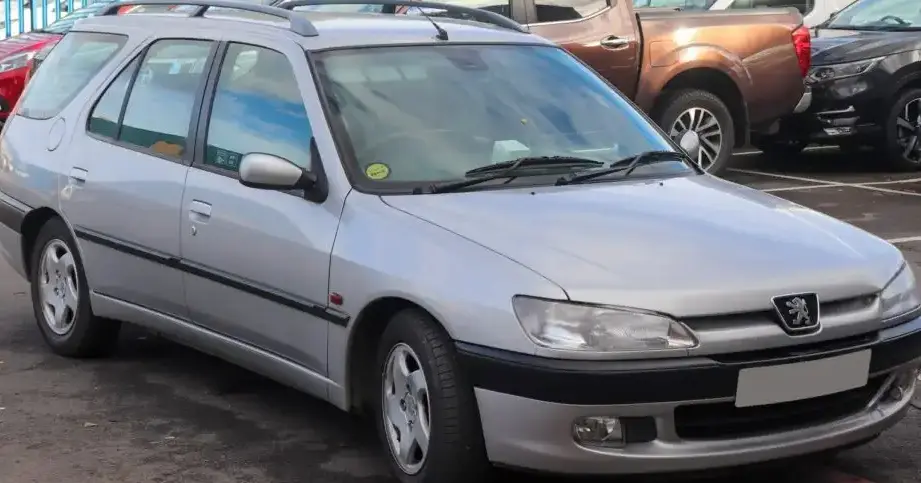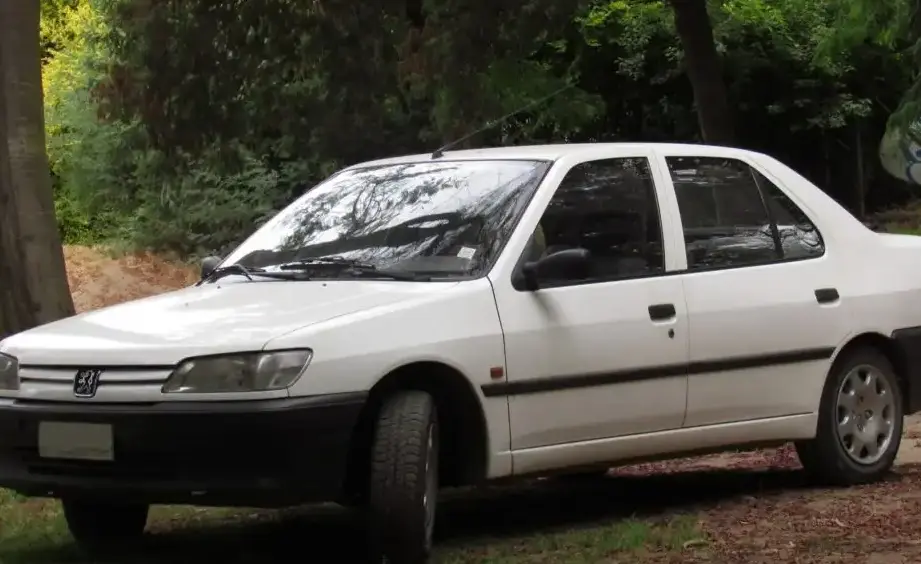
The Peugeot 306 Sedan (7B) 1.4 SL, produced between 1994 and 1997, represented an entry-level offering within the broader 306 sedan range. Positioned as an affordable and practical family car, it served as a key model in Peugeot’s lineup, particularly in European markets where compact sedans were highly popular. The 306 series, built on the Peugeot-Citroën X19 platform, aimed to modernize Peugeot’s image and offer a competitive alternative to rivals like the Volkswagen Golf and Ford Escort. The 1.4 SL trim specifically targeted buyers seeking economical transportation with a focus on value rather than outright performance.
Technical Specifications
| Brand | Peugeot |
| Model | 306 |
| Generation | 306 Sedan (7B) |
| Type (Engine) | 1.4 SL (75 Hp) |
| Start of production | 1994 |
| End of production | 1997 |
| Powertrain Architecture | Internal Combustion engine |
| Body type | Sedan |
| Seats | 5 |
| Doors | 4 |
| Fuel consumption (urban) | 9.7 l/100 km (24.2 US mpg, 29.1 UK mpg, 10.3 km/l) |
| Fuel consumption (extra urban) | 5.8 l/100 km (40.6 US mpg, 48.7 UK mpg, 17.2 km/l) |
| Fuel consumption (combined) | 6.7 l/100 km (35.1 US mpg, 42.2 UK mpg, 14.9 km/l) |
| Fuel Type | Petrol (Gasoline) |
| Acceleration 0 – 100 km/h | 14.9 sec |
| Acceleration 0 – 62 mph | 14.9 sec |
| Acceleration 0 – 60 mph | 14.2 sec |
| Maximum speed | 170 km/h (105.63 mph) |
| Weight-to-power ratio | 13.9 kg/Hp, 72.1 Hp/tonne |
| Weight-to-torque ratio | 9.4 kg/Nm, 106.7 Nm/tonne |
| Power | 75 Hp @ 5800 rpm |
| Power per litre | 55.1 Hp/l |
| Torque | 111 Nm @ 3400 rpm (81.87 lb.-ft. @ 3400 rpm) |
| Engine layout | Front, Transverse |
| Engine Model/Code | KDX TU3MC, KFX TU3JP |
| Engine displacement | 1361 cm3 (83.05 cu. in.) |
| Number of cylinders | 4 |
| Engine configuration | Inline |
| Cylinder Bore | 75 mm (2.95 in.) |
| Piston Stroke | 77 mm (3.03 in.) |
| Compression ratio | 9.3:1 |
| Number of valves per cylinder | 2 |
| Fuel injection system | Multi-port manifold injection |
| Engine aspiration | Naturally aspirated engine |
| Valvetrain | OHC |
| Engine oil capacity | 3.2 l (3.38 US qt | 2.82 UK qt) |
| Coolant capacity | 6.5 l (6.87 US qt | 5.72 UK qt) |
| Kerb Weight | 1040 kg (2292.81 lbs.) |
| Max. weight | 1565 kg (3450.23 lbs.) |
| Max load | 525 kg (1157.43 lbs.) |
| Trunk (boot) space – minimum | 463 l (16.35 cu. ft.) |
| Fuel tank capacity | 60 l (15.85 US gal | 13.2 UK gal) |
| Length | 4232 mm (166.61 in.) |
| Width | 1689 mm (66.5 in.) |
| Height | 1386 mm (54.57 in.) |
| Wheelbase | 2580 mm (101.57 in.) |
| Front track | 1462 mm (57.56 in.) |
| Rear (Back) track | 1435 mm (56.5 in.) |
| Drivetrain Architecture | The Internal combustion engine (ICE) drives the front wheels of the vehicle. |
| Drive wheel | Front wheel drive |
| Number of gears and type of gearbox | 5 gears, manual transmission |
| Front suspension | Wishbone |
| Rear suspension | Trailing arm |
| Front brakes | Disc |
| Rear brakes | Drum |
| Assisting systems | ABS (Anti-lock braking system) |
| Steering type | Steering rack and pinion |
| Power steering | Hydraulic Steering |
| Tires size | 185/65 R14 |
Powertrain & Engine Architecture
The 1.4 SL variant of the Peugeot 306 Sedan was powered by the TU3MC or TU3JP engine, a 1361cc inline-four cylinder petrol engine. This engine was a staple in Peugeot’s and Citroën’s small car ranges for many years, known for its simplicity and reliability. The TU3 engine family featured a single overhead camshaft (OHC) design with two valves per cylinder. Fuel delivery was managed by a multi-port fuel injection system, a significant upgrade from earlier carbureted versions. The engine’s modest 75 horsepower output at 5800 rpm and 81.87 lb-ft of torque at 3400 rpm were sufficient for everyday driving, but didn’t offer particularly brisk acceleration. The engine’s design prioritized fuel efficiency and low emissions over outright performance. The 5-speed manual transmission was the standard offering, providing a reasonable spread of gears for both urban and highway driving.
Driving Characteristics
The 1.4 SL’s driving experience was characterized by its light steering and comfortable ride. Acceleration was modest, taking approximately 14.2 seconds to reach 60 mph. The engine felt strained when pushed hard, particularly when overtaking or climbing hills. The 5-speed manual transmission allowed drivers to keep the engine in its optimal power band, but the lack of significant low-end torque meant frequent gear changes were necessary. Compared to the more powerful 1.6L or 2.0L versions of the 306, the 1.4 SL felt noticeably slower. However, its lighter weight and less stressed engine contributed to improved fuel economy and potentially greater long-term reliability.
Equipment & Trim Levels
The 1.4 SL trim level was considered the base model in the 306 Sedan range. Standard equipment typically included central locking, power steering, and a basic stereo system. Interior upholstery was usually cloth, and the dashboard featured a simple, functional design. Optional extras included air conditioning, electric windows, and alloy wheels. The 1.4 SL was aimed at buyers who prioritized affordability and practicality over luxury features. It represented a no-frills transportation solution.
Chassis & Braking
The 306 Sedan featured a front-wheel-drive layout with independent wishbone suspension at the front and a trailing arm suspension at the rear. This suspension setup provided a comfortable ride, although it wasn’t particularly sporty. The 1.4 SL variant typically came equipped with disc brakes at the front and drum brakes at the rear. Anti-lock braking system (ABS) was available as an option, enhancing safety. The steering was a rack and pinion system with hydraulic power assistance, providing light and precise steering feel. The tires were typically 185/65 R14, offering a good balance of comfort and grip.
Market Reception & Comparison
The Peugeot 306 Sedan 1.4 SL was generally well-received as an affordable and reliable family car. Critics praised its fuel efficiency and comfortable ride, but noted its lack of performance. Compared to the higher-spec 306 variants, such as the 1.6L or 2.0L models, the 1.4 SL offered significantly less power and refinement. However, it was also considerably cheaper to purchase and operate. In terms of fuel economy, the 1.4 SL outperformed the more powerful engines, achieving around 35.1 US mpg on a combined cycle. Reliability was generally good, although the drum brakes on the rear could require more frequent maintenance than disc brakes.
Legacy
The Peugeot 306 Sedan 1.4 SL remains a relatively common sight on European roads today, testament to its durability and affordability. The TU3 engine is known for its longevity, and many examples are still running with high mileage. In the used car market, the 1.4 SL represents a budget-friendly option for those seeking a reliable and economical vehicle. While it may not offer the performance or features of more modern cars, its simplicity and low running costs make it an attractive choice for first-time drivers or those on a tight budget. Parts availability is generally good, and maintenance is relatively straightforward, making it a popular choice for DIY mechanics.