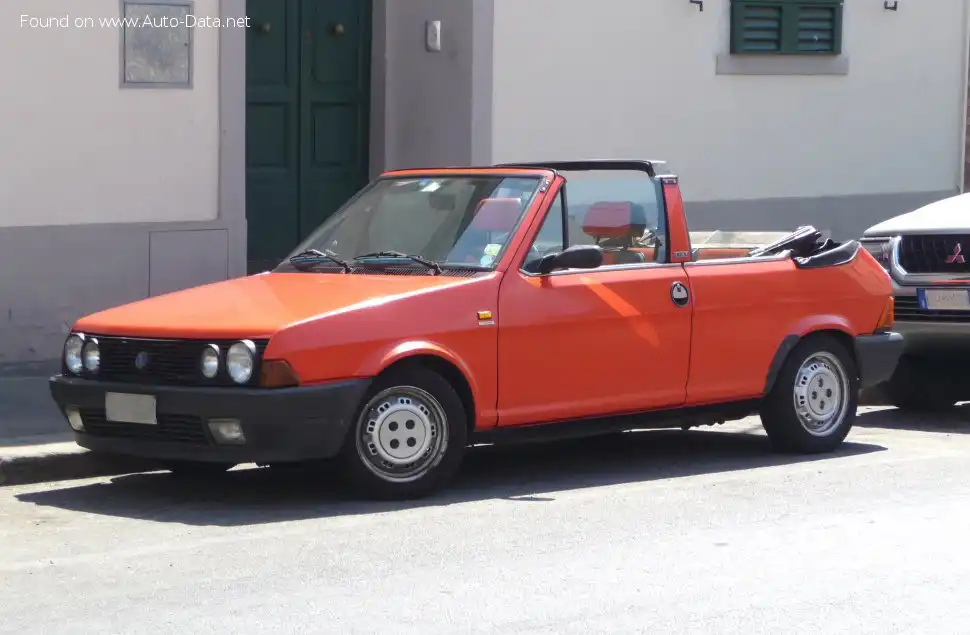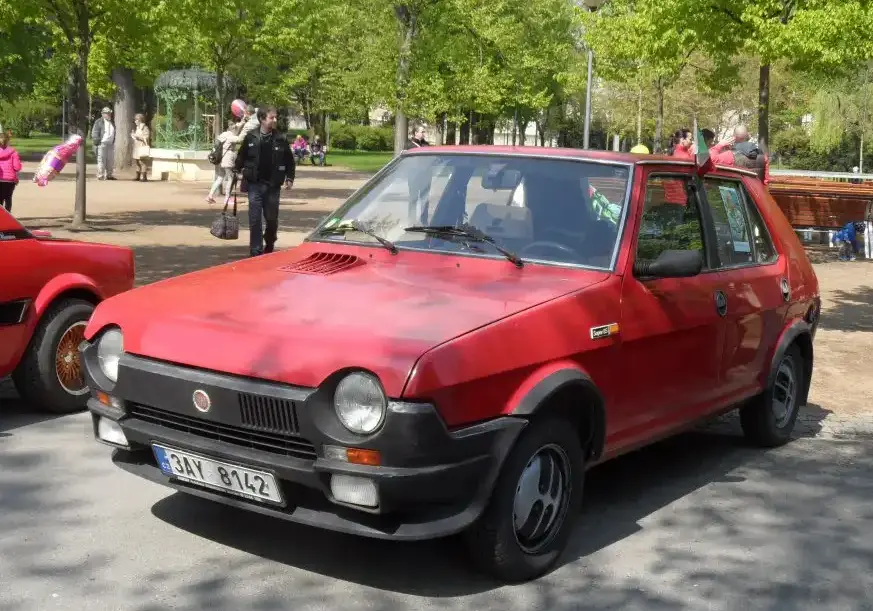
The Fiat Ritmo I, specifically the 65 1.3 variant produced between 1978 and 1982, represents a pivotal moment in Fiat’s history. Part of the 138A project, the Ritmo was designed as a modern, spacious, and efficient hatchback to replace the aging Fiat 128. This particular 65 horsepower, 1.3-liter engine and transmission combination served as the entry-level offering for the Ritmo range, aimed at providing affordable transportation for families and commuters. It was a key model in establishing the Ritmo’s presence in the European market, competing with vehicles like the Renault 5 and Volkswagen Polo. The Ritmo, and this variant in particular, was notable for its relatively advanced engineering for its time, including a monocoque body and a front-wheel-drive layout.
Technical Specifications
| Brand | Fiat |
| Model | Ritmo |
| Generation | Ritmo I (138A) |
| Type (Engine) | 65 1.3 (65 Hp) |
| Start of Production | 1978 |
| End of Production | 1982 |
| Powertrain Architecture | Internal Combustion Engine |
| Body Type | Hatchback |
| Fuel Type | Petrol (Gasoline) |
| Power | 65 Hp |
| Engine Model/Code | 149 A7.000 |
| Engine Aspiration | Naturally Aspirated |
Powertrain & Engine Architecture
The heart of the Ritmo 65 1.3 is the Fiat 149 A7.000 engine, a 1301cc inline-four cylinder petrol engine. This engine utilizes a single overhead camshaft (SOHC) valvetrain, operating two valves per cylinder. Fuel delivery is managed by a Weber 32 ADFA carburetor, a common setup for European cars of this era. The engine block is cast iron, while the cylinder head is aluminum, contributing to a reasonable weight for its size. The compression ratio is 8.8:1. The engine produces 65 horsepower at 6000 rpm and 71 lb-ft of torque at 3600 rpm. The Ritmo 65 1.3 was typically paired with a four-speed manual transmission, although a three-speed automatic transmission was also available, albeit less common. The automatic transmission was a Borg Warner unit, offering a smoother, but less engaging, driving experience. The engine’s design prioritized fuel efficiency and reliability over outright performance, reflecting the economic conditions and consumer preferences of the late 1970s and early 1980s.
Driving Characteristics
The Ritmo 65 1.3, with its modest power output, offered a practical and economical driving experience. Acceleration was not its strong suit; 0 to 60 mph times were in the region of 14-15 seconds. However, the Ritmo’s relatively light weight (around 1,800 lbs) and front-wheel-drive layout provided decent handling for everyday driving. The four-speed manual transmission allowed drivers to make the most of the engine’s limited power, while the optional automatic, though convenient, noticeably dulled performance. Gear ratios were geared towards maximizing fuel economy, with a relatively tall final drive. Compared to the more powerful Ritmo 105 TC, which featured a twin-cam engine and significantly more horsepower, the 65 1.3 felt considerably slower. However, the 65 1.3 offered a more forgiving and accessible driving experience, particularly for novice drivers. The suspension, while simple, provided a comfortable ride on most road surfaces.
Equipment & Trim Levels
The Ritmo 65 1.3 was positioned as the base model in the Ritmo lineup. As such, it came equipped with a relatively basic level of standard features. Interior upholstery was typically cloth, available in a range of colors, often featuring a patterned design. The dashboard was constructed from durable plastic and featured a simple instrument cluster with a speedometer, fuel gauge, and temperature gauge. A basic AM/FM radio was often included, though it was sometimes offered as an optional extra. Power steering and air conditioning were not typically available on the 65 1.3, reflecting its entry-level status. Optional extras included a sunroof, upgraded upholstery, and a more sophisticated radio system. The exterior trim was minimal, with black plastic bumpers and steel wheels with hubcaps being standard.
Chassis & Braking
The Ritmo I utilized a monocoque chassis construction, providing a good balance of strength and weight. The front suspension consisted of independent MacPherson struts, while the rear suspension employed a twist-beam axle. This setup provided a comfortable ride and predictable handling. Braking was initially provided by front disc brakes and rear drum brakes. Later models saw the introduction of rear disc brakes on some trims, but the 65 1.3 typically retained the drum brake setup. The braking system was hydraulic, with no anti-lock braking system (ABS) available. Stabilizer bars were fitted to both the front and rear axles, helping to reduce body roll during cornering. The Ritmo’s chassis design was considered advanced for its time, contributing to its relatively good handling characteristics.
Market Reception & Comparison
The Fiat Ritmo 65 1.3 was generally well-received by critics as an affordable and practical hatchback. It was praised for its spacious interior, comfortable ride, and fuel efficiency. However, its modest performance was often criticized, particularly when compared to more powerful rivals. Fuel economy was a strong point, averaging around 35-40 mpg. Reliability was generally good, although the carburetor required periodic adjustment and maintenance. Compared to the Ritmo 105 TC, the 65 1.3 offered significantly lower running costs but lacked the performance and refinement of its more expensive sibling. The 105 TC appealed to drivers seeking a more engaging driving experience, while the 65 1.3 targeted budget-conscious buyers. The Ritmo 65 1.3 also competed with other small hatchbacks like the Renault 5 and Volkswagen Polo, offering a similar level of practicality and affordability.
Legacy
The Fiat Ritmo, and the 65 1.3 variant specifically, holds a significant place in automotive history as a representative of the early European hatchback design. While not known for blistering performance, the Ritmo 65 1.3 proved to be a reliable and economical mode of transportation for many families. Today, the Ritmo 65 1.3 is becoming increasingly sought after by classic car enthusiasts, particularly those looking for a relatively affordable and easy-to-maintain vintage vehicle. The 149 A7.000 engine, while simple in design, is known for its durability and relatively straightforward maintenance requirements. Parts availability can be a challenge, but many components are still available through specialist suppliers. The Ritmo 65 1.3 remains a testament to Fiat’s ability to produce practical and affordable cars that resonated with a wide range of consumers.