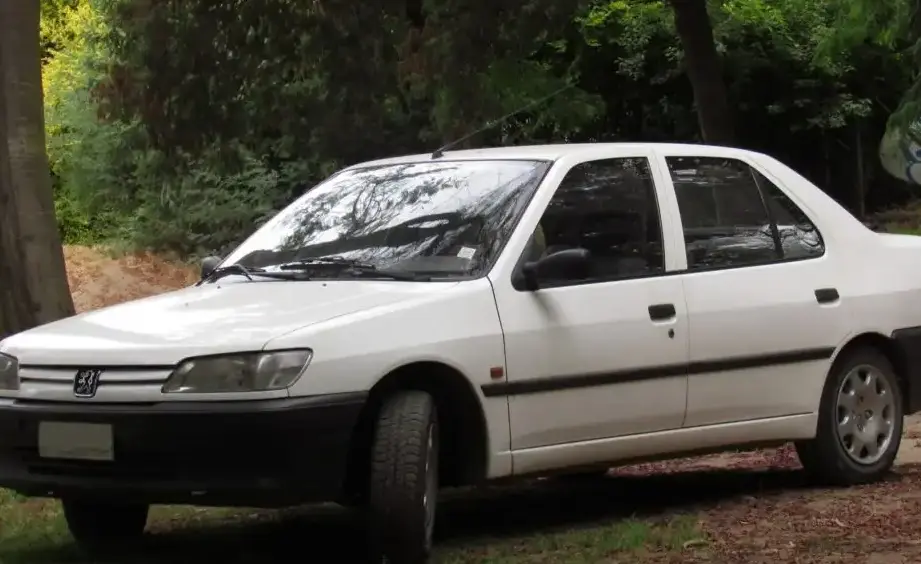
The Peugeot 306 Sedan (7B) 1.9 SLD, produced between 1994 and 1997, represented an entry-level offering within the broader 306 sedan range. Positioned as a fuel-efficient and affordable option, it catered to buyers prioritizing practicality over outright performance. The 7B designation refers to the sedan body style of the 306, which was a significant addition to the lineup, expanding the model’s appeal beyond the more common hatchback. This variant, powered by the XUD9Y diesel engine, was primarily sold in European markets where diesel fuel was more prevalent and economically advantageous. It served as a workhorse for families and individuals needing a reliable and economical mode of transportation.
Technical Specifications
| Brand | Peugeot |
| Model | 306 |
| Generation | 306 Sedan (7B) |
| Type (Engine) | 1.9 SLD (64 Hp) |
| Start of production | 1994 |
| End of production | 1997 |
| Powertrain Architecture | Internal Combustion engine |
| Body type | Sedan |
| Fuel Type | Diesel |
| Power | 64 Hp |
| Engine Model/Code | DJZ XUD9Y |
| Engine aspiration | Naturally aspirated engine |
| Engine oil capacity | 4 l (4.23 US qt | 3.52 UK qt) |
| Coolant capacity | 9 l (9.51 US qt | 7.92 UK qt) |
Powertrain & Engine Architecture
The heart of the 306 Sedan 1.9 SLD is the XUD9Y engine, a 1.9-liter inline-four cylinder diesel. This engine, a member of Peugeot’s well-regarded XUD family, is known for its durability and relatively simple mechanical design. The ‘DJZ’ engine code specifically denotes a variant optimized for slightly lower emissions and fuel consumption. It’s a naturally aspirated engine, meaning it doesn’t employ a turbocharger or supercharger, relying solely on atmospheric pressure for intake. The XUD9Y utilizes indirect injection, employing a pre-chamber combustion system. Fuel is initially injected into a small pre-chamber, where it partially combusts, and then flows through orifices into the main combustion chamber, promoting more complete combustion and reducing noise. The engine features a single overhead camshaft (SOHC) operating two valves per cylinder. While not a powerhouse, the XUD9Y delivers a respectable amount of torque for its displacement, making it well-suited for everyday driving. The transmission paired with this engine is typically a five-speed manual, though a three-speed automatic was also available, albeit less common. The automatic transmission, while offering convenience, did impact fuel economy and performance.
Driving Characteristics
The 306 Sedan 1.9 SLD, particularly in its standard manual transmission form, offers a utilitarian driving experience. Acceleration is modest, with 0 to 60 mph times estimated around 14-16 seconds. The engine’s strength lies in its low-end torque, providing adequate pulling power for navigating city streets and climbing moderate inclines. The gear ratios are geared towards fuel efficiency, meaning the engine operates at relatively low RPMs at highway speeds. The automatic transmission version further diminishes acceleration, and the three-speed unit can feel sluggish, especially when attempting to overtake. The steering is light and precise, making the car easy to maneuver. The suspension, while not particularly sporty, provides a comfortable ride, absorbing bumps and imperfections in the road reasonably well. Compared to the more powerful 1.6 or 2.0-liter gasoline variants, the 1.9 SLD feels significantly slower, but it compensates with superior fuel economy. The manual transmission provides a more engaging driving experience, allowing the driver to better utilize the engine’s torque band.
Equipment & Trim Levels
The 306 Sedan 1.9 SLD typically represented the base trim level. Standard equipment generally included central locking, power steering, and basic instrumentation. Interior upholstery was typically cloth, with a simple and functional dashboard layout. Air conditioning was often an optional extra, as were power windows and a radio/cassette player. Safety features were relatively basic for the time, typically consisting of front seatbelts and a driver’s airbag. Higher trim levels, such as the GL or SR, added features like alloy wheels, upgraded interior trim, and additional convenience items. The SLD trim focused on providing essential transportation at an affordable price point, prioritizing practicality over luxury.
Chassis & Braking
The 306 Sedan utilizes a MacPherson strut front suspension and a torsion beam rear suspension. This setup provides a good balance between ride comfort and handling. The front brakes are typically disc brakes, while the rear brakes are often drum brakes, particularly on the base SLD trim. Stabilizer bars were fitted to both the front and rear axles to reduce body roll during cornering. The steering system is a rack-and-pinion setup, providing precise and responsive steering feel. The chassis is relatively lightweight, contributing to the car’s fuel efficiency. The braking system, while adequate for normal driving conditions, lacks the stopping power of more modern vehicles. The drum brakes on the rear can be prone to fading under heavy use.
Market Reception & Comparison
The Peugeot 306 Sedan 1.9 SLD was generally well-received in European markets as an economical and reliable family car. Critics praised its fuel efficiency and durability, but noted its lack of performance. Compared to the gasoline-powered 306 variants, the 1.9 SLD offered significantly better fuel economy, making it a popular choice for high-mileage drivers. However, the gasoline engines provided more power and a more refined driving experience. Compared to competitors like the Renault 19 or Citroën BX, the 306 Sedan offered a similar level of practicality and affordability. The diesel engine’s longevity and relatively low maintenance costs were key selling points. The automatic transmission version was often criticized for its sluggish performance and reduced fuel economy.
Legacy
The Peugeot 306 Sedan 1.9 SLD, and the XUD9Y engine in particular, has earned a reputation for exceptional reliability. Many examples remain on the road today, testament to the engine’s durability. The XUD9Y is known for its ability to withstand high mileage with proper maintenance. In the used car market, these vehicles are often sought after by those looking for an affordable and dependable mode of transportation. Parts availability is generally good, although some specific components may become increasingly difficult to find. The 306 Sedan 1.9 SLD represents a practical and economical choice for those seeking a classic European sedan with a proven track record of reliability. While not a performance icon, it remains a significant example of Peugeot’s commitment to building durable and fuel-efficient vehicles.