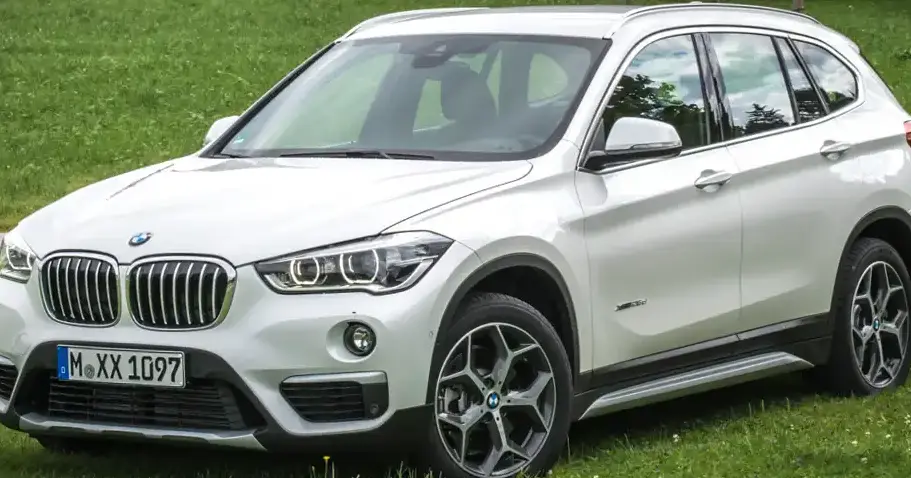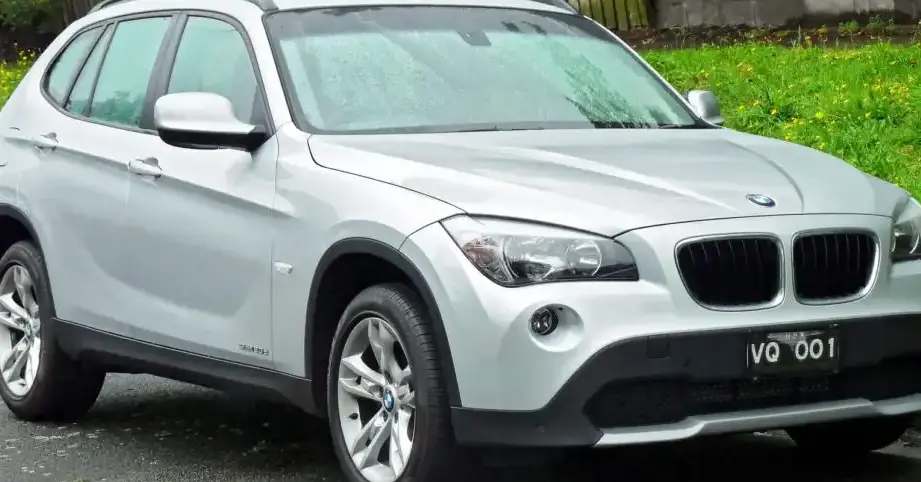
The BMW X1 (E84) 20d xDrive, produced from 2009 to 2012, represented BMW’s initial foray into the compact luxury crossover segment. This variant, powered by the N47D20C 2.0-liter turbocharged diesel engine producing 177 horsepower, was a key offering in the European market, designed to appeal to buyers seeking a blend of practicality, fuel efficiency, and the BMW driving experience in a smaller package. Positioned as a mid-range option within the E84 X1 lineup, it sat above the entry-level 18d and below the more powerful 23d and xDrive28i models. The 20d xDrive aimed to provide a balance between performance and economy, making it a popular choice for daily commuting and longer journeys.
Technical Specifications
| Brand | BMW |
| Model | X1 |
| Generation | X1 (E84) |
| Type (Engine) | 20d (177 Hp) xDrive |
| Start of production | 2009 |
| End of production | 2012 |
| Powertrain Architecture | Internal Combustion engine |
| Body type | SUV |
| Seats | 5 |
| Doors | 5 |
| Fuel consumption (urban) | 7 l/100 km (33.6 US mpg) |
| Fuel consumption (extra urban) | 5.1 l/100 km (46.1 US mpg) |
| Fuel consumption (combined) | 5.8 l/100 km (40.6 US mpg) |
| Fuel Type | Diesel |
| Acceleration 0 – 100 km/h | 8.4 sec |
| Acceleration 0 – 62 mph | 8.4 sec |
| Acceleration 0 – 60 mph | 8 sec |
| Maximum speed | 213 km/h (132.35 mph) |
| Weight-to-power ratio | 9.3 kg/Hp |
| Weight-to-torque ratio | 4.7 kg/Nm |
| Power | 177 Hp @ 4000 rpm |
| Torque | 350 Nm @ 1750-3000 rpm (258.15 lb.-ft.) |
| Engine layout | Front, Longitudinal |
| Engine Model/Code | N47D20C |
| Engine displacement | 1995 cm3 (121.74 cu. in.) |
| Number of cylinders | 4 |
| Engine configuration | Inline |
| Cylinder Bore | 84 mm (3.31 in.) |
| Piston Stroke | 90 mm (3.54 in.) |
| Number of valves per cylinder | 4 |
| Fuel injection system | Diesel Commonrail |
| Engine aspiration | Turbocharger, Intercooler |
| Engine oil capacity | 5.2 l (5.49 US qt) |
| Coolant capacity | 7.5 l (7.93 US qt) |
| Kerb Weight | 1650 kg (3637.63 lbs.) |
| Max. weight | 2130 kg (4695.85 lbs.) |
| Max load | 480 kg (1058.22 lbs.) |
| Fuel tank capacity | 61 l (16.11 US gal) |
| Length | 4454 mm (175.35 in.) |
| Width | 1798 mm (70.79 in.) |
| Height | 1545 mm (60.83 in.) |
| Wheelbase | 2760 mm (108.66 in.) |
| Front track | 1500 mm (59.06 in.) |
| Rear track | 1529 mm (60.2 in.) |
| Drive wheel | All wheel drive (4×4) |
| Number of gears | 6 |
| Gearbox type | Automatic transmission |
| Front brakes | Ventilated discs |
| Assisting systems | ABS (Anti-lock braking system) |
| Steering type | Steering rack and pinion |
| Tires size | 225/50 R17 V |
| Wheel rims size | 7.5J x 17 |
Powertrain & Engine Architecture
The heart of the X1 20d xDrive is the N47D20C, a 2.0-liter inline-four cylinder diesel engine. This engine is a product of BMW’s advanced diesel technology, featuring common-rail direct injection and a variable geometry turbocharger. The common-rail system, operating at extremely high pressures, allows for precise fuel metering and optimized combustion. The turbocharger, with its variable geometry vanes, provides a broad torque curve and minimizes turbo lag. The N47 engine family, known for its efficiency, utilizes a chain-driven camshaft, intended for longevity, although early versions were prone to timing chain issues. The 6-speed automatic transmission, a common Aisin-sourced unit used across various BMW models, was specifically tuned to complement the diesel engine’s torque characteristics. It offered smooth shifts and contributed to the vehicle’s overall refinement.
Driving Characteristics
The X1 20d xDrive offered a comfortable and capable driving experience. While not overtly sporty, the 177 horsepower and 350 Nm (258 lb-ft) of torque provided adequate performance for everyday driving and highway cruising. Acceleration from 0-60 mph took around 8 seconds, which was competitive for its class. The automatic transmission, while smooth, wasn’t particularly quick to downshift, and the engine could feel slightly strained when pushed hard. Compared to the more powerful 23d variant, the 20d offered less outright acceleration, but its superior fuel economy and more relaxed driving style appealed to a different type of buyer. The xDrive all-wheel-drive system provided excellent traction in various weather conditions, enhancing stability and confidence.
Equipment & Trim Levels
The X1 20d xDrive typically came standard with features such as air conditioning, power windows, power mirrors, a multi-function steering wheel, and a basic audio system. Upholstery was generally cloth, although leather options were available. Higher trim levels added features like automatic climate control, a more advanced audio system, parking sensors, and a sunroof. Optional extras included navigation, heated seats, and upgraded alloy wheels. The interior design was functional and modern, reflecting BMW’s design language of the time. The rear seats offered reasonable space for passengers, and the cargo area was adequately sized for a compact crossover.
Chassis & Braking
The E84 X1 utilized a MacPherson strut front suspension and a multi-link rear suspension, providing a good balance between ride comfort and handling. The suspension was tuned to prioritize comfort over outright sportiness. Braking duties were handled by ventilated discs at the front and, depending on the specific market and trim level, either discs or drums at the rear. Anti-lock brakes (ABS) were standard, along with electronic brake-force distribution (EBD). The steering was precise and well-weighted, providing a connected feel to the road.
Market Reception & Comparison
The BMW X1 20d xDrive was generally well-received by automotive critics. It was praised for its fuel efficiency, comfortable ride, and practical interior. However, some critics noted that the interior materials weren’t quite as premium as those found in larger BMW models. Compared to competitors like the Audi Q3 and Mercedes-Benz GLK, the X1 offered a more engaging driving experience and a slightly more spacious interior. Fuel economy was a key selling point, with the 20d consistently achieving impressive MPG figures in real-world testing. Reliability was generally good, although, as mentioned earlier, early N47 engines were susceptible to timing chain wear.
Legacy
The BMW X1 (E84) 20d xDrive remains a popular choice in the used car market, particularly in Europe. The N47 engine, despite its potential timing chain issues (often addressed through preventative maintenance or engine replacements), is known for its durability and fuel efficiency. The xDrive all-wheel-drive system continues to provide reliable traction. The E84 X1 paved the way for the second-generation X1 (F48), which addressed some of the criticisms leveled at the original model, such as interior quality and rear passenger space. Today, the E84 20d xDrive represents an affordable entry point into the BMW brand for buyers seeking a practical and efficient compact crossover.