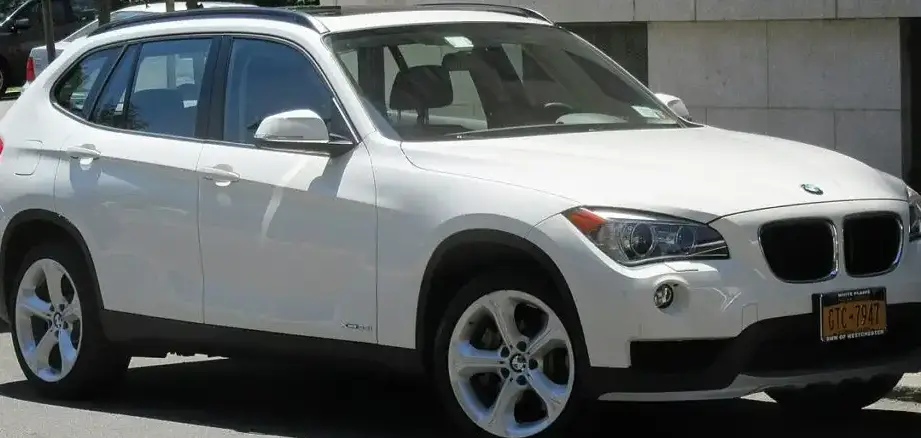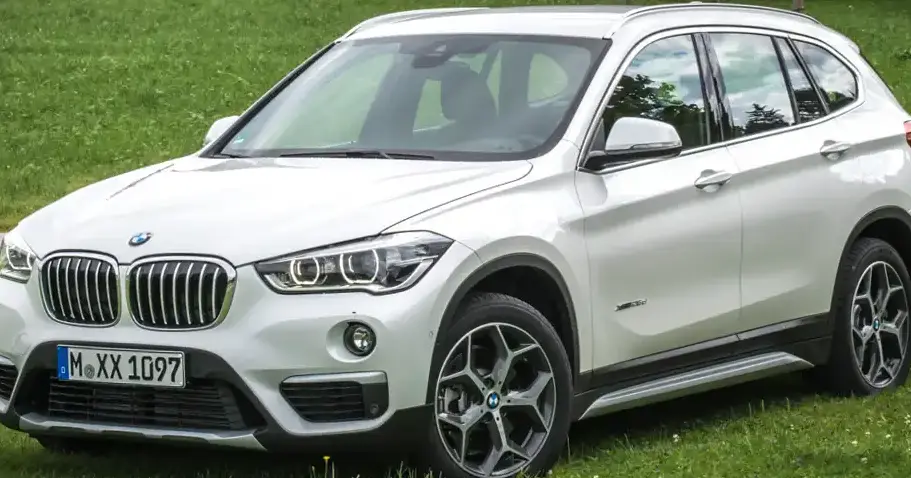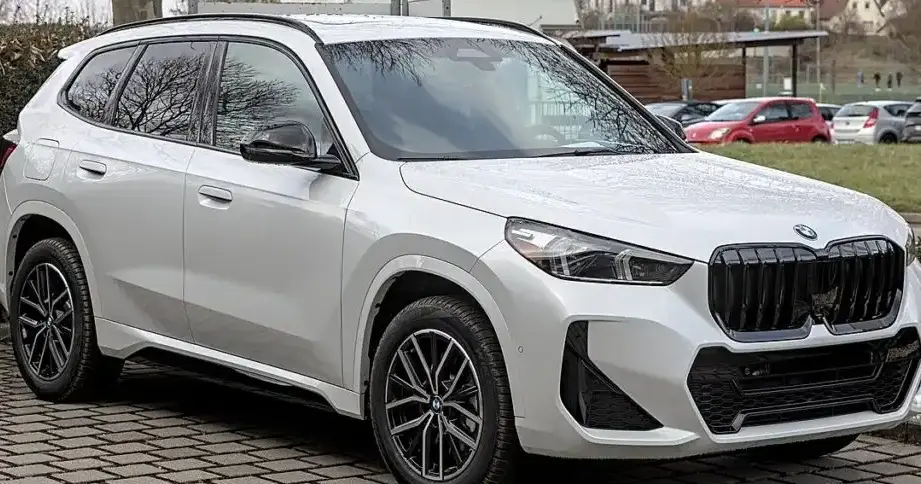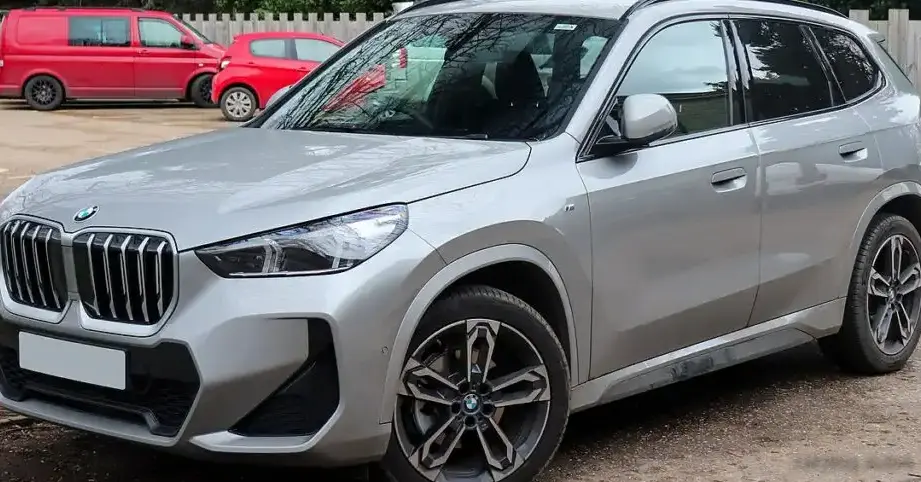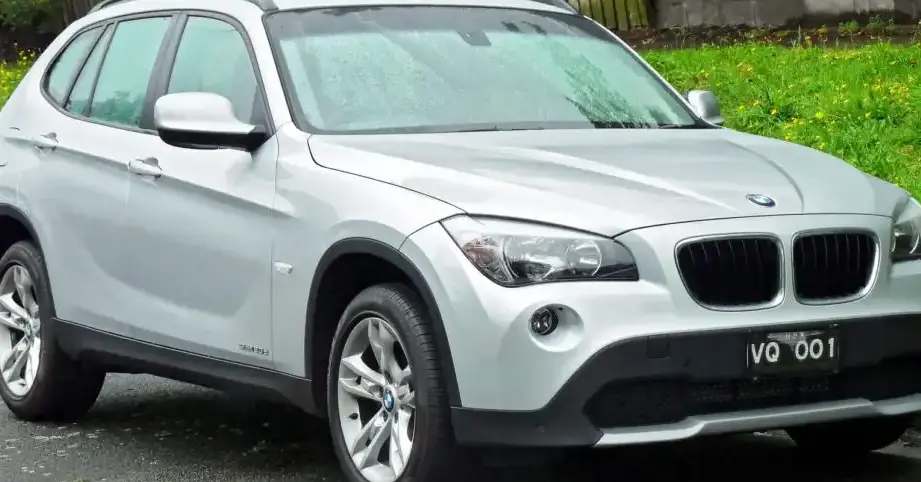
The BMW X1 (E84) 20i sDrive, produced from 2011 to 2012, marked BMW’s initial foray into the burgeoning compact luxury crossover market. Positioned as the entry-level engine option within the E84 X1 lineup, the 20i sDrive aimed to balance performance and efficiency, appealing to buyers who prioritized fuel economy and a more accessible price point compared to the higher-output xDrive28i variant. Built on the BMW UKL platform – shared with the first-generation MINI Countryman – the X1 represented a departure for BMW with its front-wheel-drive based architecture, although the 20i sDrive was specifically configured with rear-wheel drive.
Technical Specifications
| Brand | BMW |
| Model | X1 |
| Generation | X1 (E84) |
| Type (Engine) | 20i (184 Hp) sDrive |
| Start of production | 2011 |
| End of production | 2012 |
| Powertrain Architecture | Internal Combustion engine |
| Body type | SUV |
| Seats | 5 |
| Doors | 5 |
| Fuel consumption (urban) | 9.1 l/100 km (25.8 US mpg, 31 UK mpg, 11 km/l) |
| Fuel consumption (extra urban) | 5.9 l/100 km (39.9 US mpg, 47.9 UK mpg, 16.9 km/l) |
| Fuel consumption (combined) | 7.1 l/100 km (33.1 US mpg, 39.8 UK mpg, 14.1 km/l) |
| Fuel Type | Petrol (Gasoline) |
| Acceleration 0 – 100 km/h | 7.4 sec |
| Acceleration 0 – 62 mph | 7.4 sec |
| Acceleration 0 – 60 mph | 7 sec |
| Maximum speed | 220 km/h (136.7 mph) |
| Weight-to-power ratio | 8.5 kg/Hp, 117.9 Hp/tonne |
| Weight-to-torque ratio | 5.8 kg/Nm, 173.1 Nm/tonne |
| Power | 184 Hp @ 5000-6250 rpm |
| Power per litre | 92.1 Hp/l |
| Torque | 270 Nm @ 1250-4500 rpm (199.14 lb.-ft. @ 1250-4500 rpm) |
| Engine layout | Front, Longitudinal |
| Engine Model/Code | N20B20A |
| Engine displacement | 1997 cm3 (121.86 cu. in.) |
| Number of cylinders | 4 |
| Engine configuration | Inline |
| Cylinder Bore | 84 mm (3.31 in.) |
| Piston Stroke | 90.1 mm (3.55 in.) |
| Number of valves per cylinder | 4 |
| Fuel injection system | Direct injection |
| Engine aspiration | Turbocharger, Intercooler |
| Engine oil capacity | 5 l (5.28 US qt | 4.4 UK qt) |
| Coolant | 7.5 l (7.93 US qt | 6.6 UK qt) |
| Kerb Weight | 1560 kg (3439.21 lbs.) |
| Max. weight | 2035 kg (4486.41 lbs.) |
| Max load | 475 kg (1047.2 lbs.) |
| Fuel tank capacity | 63 l (16.64 US gal | 13.86 UK gal) |
| Length | 4454 mm (175.35 in.) |
| Width | 1798 mm (70.79 in.) |
| Height | 1545 mm (60.83 in.) |
| Wheelbase | 2760 mm (108.66 in.) |
| Front track | 1500 mm (59.06 in.) |
| Rear track | 1529 mm (60.2 in.) |
| Drivetrain Architecture | The Internal combustion engine (ICE) drives the rear wheels of the vehicle. |
| Drive wheel | Rear wheel drive |
| Number of gears | 6 gears, manual transmission |
| Front brakes | Ventilated discs |
| Assisting systems | ABS (Anti-lock braking system) |
| Steering type | Steering rack and pinion |
| Tires size | 225/50 R17 H |
| Wheel rims size | 7.5J x 17 |
Powertrain & Engine Architecture
The BMW X1 20i sDrive was powered by the N20B20A 2.0-liter inline-four cylinder engine. This engine was a cornerstone of BMW’s latest generation of modular engines, distinguished by its all-aluminum construction, direct fuel injection, and a single twin-scroll turbocharger. The direct injection system, capable of operating at pressures up to 200 bar, enabled precise fuel delivery and enhanced combustion efficiency. The N20 engine incorporated Valvetronic, BMW’s innovative variable valve timing and lift system, optimizing engine breathing for both power output and fuel economy. A standard six-speed manual transmission provided a direct connection to the rear wheels. The engine generated 184 horsepower at 5,000-6,250 rpm and 199 lb-ft of torque between 1,250 and 4,500 rpm, delivering a broad and usable torque curve thanks to the turbocharging.
Driving Characteristics
The X1 20i sDrive offered a reasonably engaging driving experience, though it wasn’t as dynamically focused as the xDrive28i. The rear-wheel-drive configuration contributed to balanced handling characteristics, but the 184 hp engine and manual transmission, while adequate, didn’t provide the same level of brisk acceleration as its more powerful counterparts. The six-speed manual transmission featured well-chosen gear ratios, allowing the driver to maintain the engine within its optimal power band. However, the relatively modest horsepower output meant that overtaking required careful consideration. Compared to the automatic transmissions available on other X1 models, the manual transmission offered a more connected and engaging feel, but demanded greater driver involvement. The suspension tuning prioritized ride comfort over outright sportiness, resulting in a compliant and comfortable ride quality suitable for everyday driving conditions.
Equipment & Trim Levels
The X1 20i sDrive typically came equipped with standard features such as automatic climate control, a BMW Professional radio system with iDrive controller, power windows and locks, and alloy wheels. Interior upholstery was generally cloth, with leather options available as an upgrade. Optional extras included a panoramic sunroof, a navigation system, upgraded audio systems, and parking sensors. The trim level was generally considered the entry point into the X1 range, offering a solid set of standard features without the premium appointments found in higher-specification models. The interior design was functional and modern, reflecting BMW’s design aesthetic of the period.
Chassis & Braking
The E84 X1 utilized a MacPherson strut front suspension and a multi-link rear suspension. The rear suspension design was crucial for maximizing cargo space while maintaining a comfortable ride. The 20i sDrive typically featured ventilated disc brakes at the front and drum brakes at the rear, a cost-saving measure compared to the all-disc setup on the xDrive models. An anti-lock braking system (ABS) was standard, along with electronic brake-force distribution (EBD). The steering system employed a rack-and-pinion setup with electric power assistance, providing precise and responsive steering feel.
Market Reception & Comparison
The X1 20i sDrive was generally well-received by automotive critics as a practical and efficient entry-level luxury crossover. However, some reviewers noted that the engine lacked the punch of the more powerful options. Fuel economy was a significant strength, with the 20i sDrive achieving combined fuel consumption figures of around 33.1 US mpg. Compared to the X1 xDrive28i, the 20i sDrive offered a lower purchase price but sacrificed performance. The 20i sDrive also competed with other compact luxury crossovers, such as the Audi Q3 and Mercedes-Benz GLK, offering a unique blend of BMW driving dynamics and practicality.
Legacy
The N20 engine, found in the X1 20i sDrive, proved to be a relatively reliable powertrain, although some early models experienced issues with the timing chain tensioner. Consistent maintenance, including regular oil changes and timely replacement of wear items, is essential for long-term reliability. In the used car market, the X1 20i sDrive represents a more affordable entry point into BMW ownership. Its fuel efficiency and relatively straightforward mechanicals make it an appealing option for buyers seeking a practical and reliable compact crossover. The E84 X1, as a whole, paved the way for BMW’s expansion into the compact crossover segment, and the 20i sDrive played a key role in making the X1 accessible to a broader range of customers.