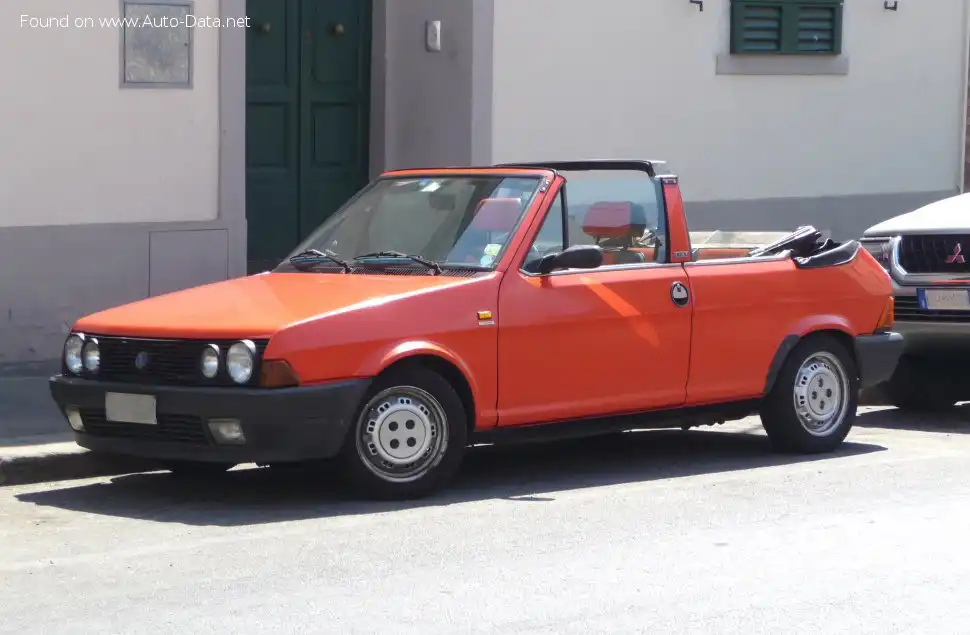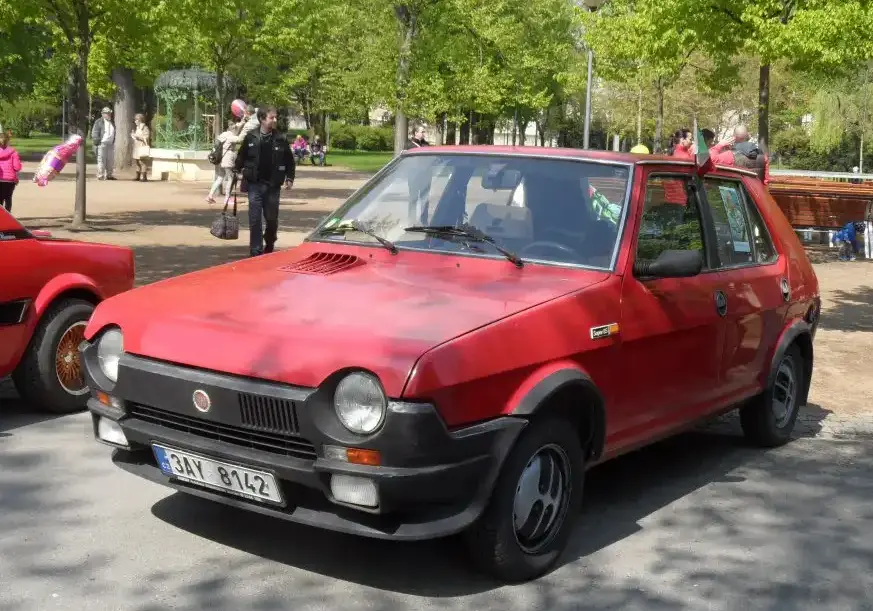
The Fiat Ritmo 75 1.3, produced between 1981 and 1982, represents a key entry point into the first generation (138A) of Fiat’s popular hatchback. Positioned as a practical and affordable option within the Ritmo range, this variant offered a balance between fuel economy and acceptable performance for the European market. The Ritmo, designed by Luigi Giugiaro of Italdesign, aimed to replace the aging Fiat 128 and provide a modern, spacious, and stylish alternative in the increasingly competitive small family car segment. The 75 1.3 model specifically targeted buyers seeking a reliable and economical vehicle for daily commuting and urban driving.
Technical Specifications
| Brand | Fiat |
| Model | Ritmo |
| Generation | Ritmo I (138A) |
| Type (Engine) | 75 1.3 (75 Hp) |
| Start of production | 1981 |
| End of production | 1982 |
| Powertrain Architecture | Internal Combustion engine |
| Body type | Hatchback |
| Fuel Type | Petrol (Gasoline) |
| Power | 75 Hp |
| Engine Model/Code | 138 A3.000 |
| Engine aspiration | Naturally aspirated engine |
Powertrain & Engine Architecture
The Fiat Ritmo 75 1.3 was powered by the 138 A3.000 engine, a 1301cc inline-four cylinder petrol engine. This engine was a development of Fiat’s long-running OHV (Overhead Valve) engine family, known for its simplicity and durability. The engine featured a single overhead camshaft operating two valves per cylinder. Fuel delivery was managed by a Weber 32 ADFA carburetor, a common setup for European cars of this era. The carburetor provided adequate fuel atomization for the engine’s modest power output. The engine’s block was cast iron, while the cylinder head was aluminum, contributing to a reasonable weight for its size.
The 75 1.3 was typically paired with a three-speed automatic transmission. This transmission, while offering convenience, was not known for its performance or efficiency. It was a relatively basic automatic, lacking the sophistication of more modern units. The gear ratios were optimized for fuel economy and smooth operation at lower speeds, rather than spirited acceleration. The automatic transmission was a key differentiator for this trim level, appealing to drivers who preferred the ease of use over the engagement of a manual gearbox.
Driving Characteristics
The Ritmo 75 1.3 with the automatic transmission offered a comfortable, if uninspiring, driving experience. With 75 horsepower on tap, acceleration was modest, taking approximately 14-15 seconds to reach 60 mph. The automatic transmission further dampened performance, as the engine lacked the torque to make the most of the gear ratios. However, for typical urban driving and highway cruising, the engine provided sufficient power. The Ritmo’s suspension, consisting of MacPherson struts at the front and a twist-beam axle at the rear, provided a reasonably comfortable ride, absorbing bumps and imperfections in the road surface effectively. The steering was light and easy, making maneuvering in tight spaces straightforward. Compared to the manual transmission versions of the 1.3, the automatic suffered a noticeable performance penalty. The 1.6-liter versions, available with both manual and automatic transmissions, offered significantly more power and a more engaging driving experience, but at a higher price point.
Equipment & Trim Levels
The Ritmo 75 1.3, as an entry-level trim, was equipped with a fairly basic set of features. Standard equipment typically included cloth upholstery, vinyl floor covering, and a simple dashboard layout. The instrument panel featured a speedometer, fuel gauge, and temperature gauge. A two-spoke steering wheel was standard. Optional extras included a radio, upgraded upholstery, and a sunroof. The interior was designed with practicality in mind, offering ample space for passengers and luggage. The exterior featured steel wheels with hubcaps, black plastic bumpers, and relatively simple trim. The overall aesthetic was functional and understated, reflecting the car’s affordable positioning.
Chassis & Braking
The Ritmo 75 1.3 utilized a monocoque chassis construction, providing a good balance of strength and weight. The front suspension employed MacPherson struts with anti-roll bar, while the rear suspension featured a twist-beam axle. Braking was initially provided by front disc brakes and rear drum brakes. Later models may have featured all-round disc brakes as standard. The braking system was adequate for the car’s performance, but lacked the stopping power of more modern vehicles. The steering was a rack and pinion system, providing precise and responsive handling. The Ritmo’s relatively lightweight construction contributed to its nimble handling characteristics.
Market Reception & Comparison
The Fiat Ritmo 75 1.3 was generally well-received by critics as a practical and affordable family car. However, the automatic transmission was often criticized for its sluggish performance and lack of refinement. Fuel economy was a strong point, with the 1.3-liter engine returning around 35-40 mpg in mixed driving conditions. Compared to other cars in its class, such as the Volkswagen Golf and Ford Escort, the Ritmo offered a more stylish design and a more spacious interior. However, it lacked the build quality and driving refinement of its German rivals. The 1.6-liter Ritmo models were considered a better overall package, offering more power and a more engaging driving experience, but they were also more expensive to purchase and operate. The 1.9-liter diesel version, while offering excellent fuel economy, was significantly slower and less refined.
Legacy
The Fiat Ritmo 75 1.3, while not the most exciting version of the Ritmo, played an important role in establishing the model as a popular choice in the European market. The 138 A3.000 engine proved to be a reliable and durable unit, and many examples are still on the road today. The automatic transmission, however, is often considered a weak point, and maintenance can be more challenging due to its age and complexity. In the used car market, the Ritmo 75 1.3 is valued for its affordability and simplicity. It appeals to enthusiasts looking for a classic Italian hatchback that is relatively easy to maintain and repair. The Ritmo’s distinctive styling and spacious interior continue to attract buyers, making it a popular choice for classic car collectors and everyday drivers alike. The Ritmo paved the way for future Fiat hatchbacks, influencing the design and engineering of subsequent models.