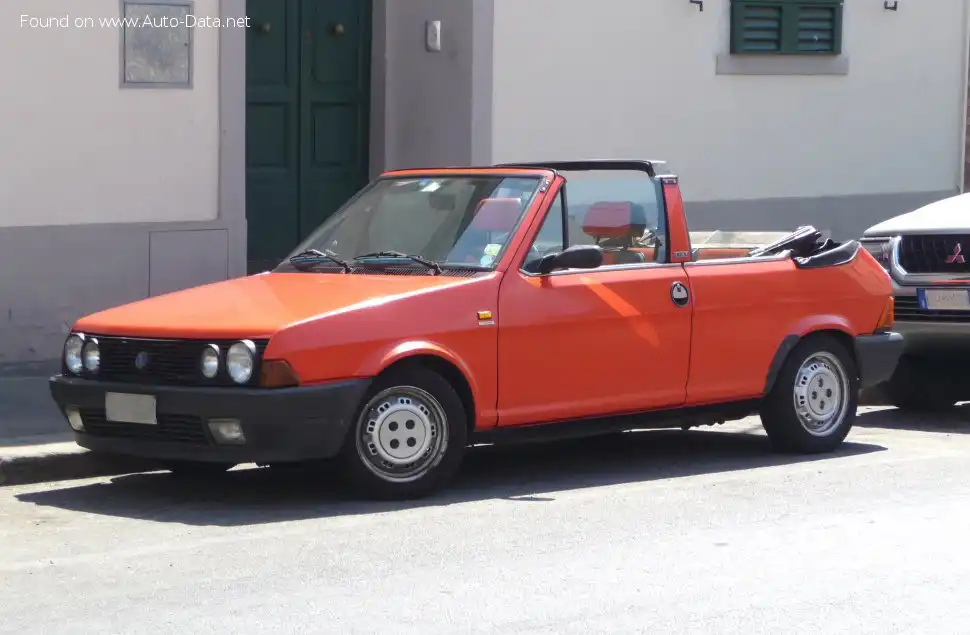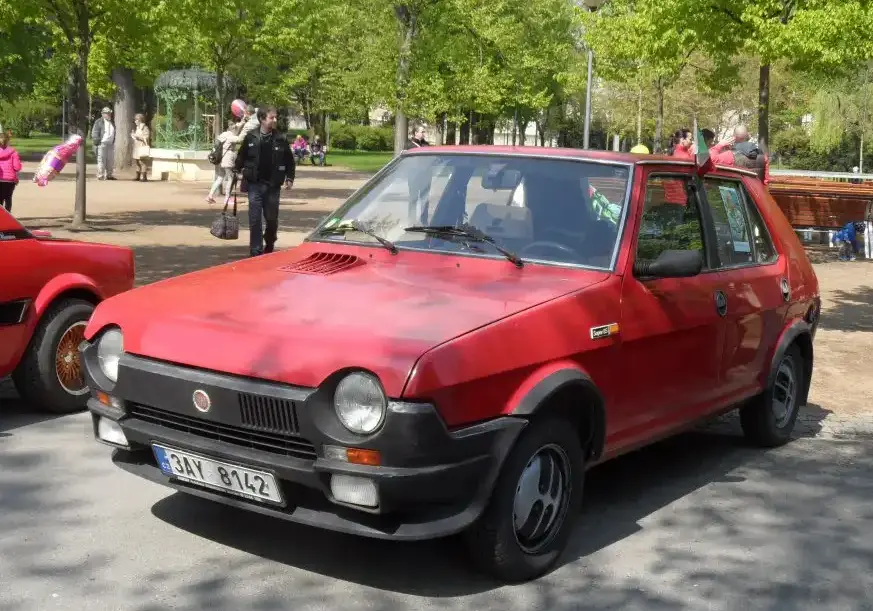
The Fiat Ritmo 90 i.e. 1.6, produced between 1985 and 1987, represented a mid-range offering within the Ritmo (Type 138A) lineup. Positioned above the base models and below the more potent 105 TC variant, the 90 i.e. aimed to provide a balance of performance and fuel efficiency for European drivers. The Ritmo, launched in 1978, was Fiat’s attempt to modernize its compact hatchback offerings, replacing the aging 128. The “90 i.e.” designation signified the fuel-injected 1.6-liter engine producing 90 horsepower, a notable upgrade over the carbureted engines available in lower trims. This variant was primarily sold in Europe, where compact hatchbacks were a dominant market segment.
Technical Specifications
| Brand | Fiat |
| Model | Ritmo |
| Generation | Ritmo I (138A) |
| Type (Engine) | 90 i.e. 1.6 (90 Hp) |
| Start of production | 1985 |
| End of production | 1987 |
| Powertrain Architecture | Internal Combustion engine |
| Body type | Hatchback |
| Fuel Type | Petrol (Gasoline) |
| Power | 90 Hp |
| Engine Model/Code | 149 C2.000 |
| Engine aspiration | Naturally aspirated engine |
| Engine oil capacity | 4.1 l (4.33 US qt | 3.61 UK qt) |
| Coolant capacity | 7 l (7.4 US qt | 6.16 UK qt) |
Powertrain & Engine Architecture
The heart of the Ritmo 90 i.e. was the 149 C2.000 engine, a 1.6-liter inline-four cylinder unit. This engine represented a significant step forward for Fiat, incorporating Bosch mechanical fuel injection – hence the “i.e.” designation (in Italian, “iniezione elettronica”). The fuel injection system, while not fully electronic like later implementations, offered improved fuel atomization and more precise control over the air-fuel mixture compared to carburetors. This resulted in better throttle response, increased power output, and reduced emissions. The engine featured a single overhead camshaft (SOHC) valvetrain operating two valves per cylinder. The cylinder head design was relatively simple, prioritizing reliability and ease of maintenance. The engine’s bore and stroke were 80mm x 80mm, resulting in a displacement of 1585cc. The compression ratio was 9.2:1. The Ritmo 90 i.e. was exclusively offered with a 3-speed automatic transmission, a relatively uncommon feature in European compact cars of the era, where manual transmissions were overwhelmingly preferred. This automatic was a Fiat-designed unit, known for its smooth operation but not particularly for its performance or fuel efficiency.
Driving Characteristics
The Ritmo 90 i.e. with the automatic transmission offered a comfortable, if not particularly sporty, driving experience. Acceleration was adequate for everyday driving, with a 0-60 mph time estimated around 12-13 seconds. The 3-speed automatic transmission, while providing convenience, did detract from the engine’s potential. The gear ratios were spaced to prioritize fuel economy and smooth cruising rather than rapid acceleration. Compared to the 5-speed manual versions of the 1.6-liter engine, the automatic suffered a noticeable performance penalty. The manual transmission allowed the engine to rev more freely and maintain momentum more effectively, especially on hilly terrain. The automatic’s torque converter introduced some power loss, and the limited number of gears meant the engine often operated outside its optimal power band. Handling was typical for a front-wheel-drive hatchback of the 1980s – safe and predictable, but not particularly engaging. The steering was light and easy, making it well-suited for urban driving.
Equipment & Trim Levels
The Ritmo 90 i.e. occupied a middle ground in terms of equipment. Standard features typically included cloth upholstery, a basic instrument cluster with speedometer, fuel gauge, and temperature gauge, and front disc brakes with rear drums. Power steering was often an optional extra, as were electric windows and a sunroof. The interior design was functional and utilitarian, reflecting the car’s focus on practicality. The dashboard was constructed from durable plastics, and the seats offered reasonable comfort for short to medium-length journeys. Higher trim levels, often denoted by additional badging, could include upgraded upholstery, a more comprehensive instrument panel, and additional convenience features. The Ritmo 90 i.e. was generally considered a well-equipped car for its price point, offering a good balance of comfort and convenience.
Chassis & Braking
The Ritmo utilized a front-wheel-drive layout with an independent suspension at the front and a torsion beam suspension at the rear. The front suspension consisted of MacPherson struts with anti-roll bar, while the rear employed a simple but effective torsion beam setup. The braking system featured disc brakes on the front wheels and drum brakes on the rear. The brakes were adequate for normal driving conditions, but lacked the stopping power of more modern systems. The Ritmo’s chassis was relatively lightweight, contributing to its nimble handling. The suspension was tuned for comfort, providing a reasonably smooth ride over uneven surfaces. Stabilizer bars were fitted to both the front and rear axles to reduce body roll during cornering.
Market Reception & Comparison
The Ritmo 90 i.e. was generally well-received by automotive critics as a practical and reasonably efficient compact hatchback. However, the automatic transmission was often criticized for detracting from the engine’s performance. Compared to the manual versions of the 1.6-liter engine, the automatic offered lower fuel economy and slower acceleration. The 105 TC, with its larger 1.6-liter engine and higher power output, was considered a more engaging and sporty option, but it came at a higher price. The base models, with their smaller engines, were more affordable but lacked the performance and refinement of the 90 i.e. The Ritmo faced competition from other popular European hatchbacks, such as the Volkswagen Golf, Opel Astra, and Ford Escort. The Ritmo’s distinctive styling and relatively affordable price helped it to carve out a niche in the market.
Legacy
The Ritmo 90 i.e. powertrain, while not particularly groundbreaking, proved to be reasonably reliable. The 149 C2.000 engine was known for its durability, and the automatic transmission, while not the most sophisticated, was generally dependable. Today, the Ritmo 90 i.e. is a relatively rare sight on the roads, but it has gained a following among classic car enthusiasts. Parts availability can be challenging, but many components are still available through specialist suppliers. The car’s simple mechanical design makes it relatively easy to maintain and repair for those with some mechanical aptitude. The Ritmo 90 i.e. represents a significant chapter in Fiat’s history, showcasing the company’s efforts to modernize its compact car offerings and embrace fuel injection technology. Well-maintained examples are increasingly sought after by collectors and enthusiasts who appreciate the car’s unique styling and classic Italian charm.