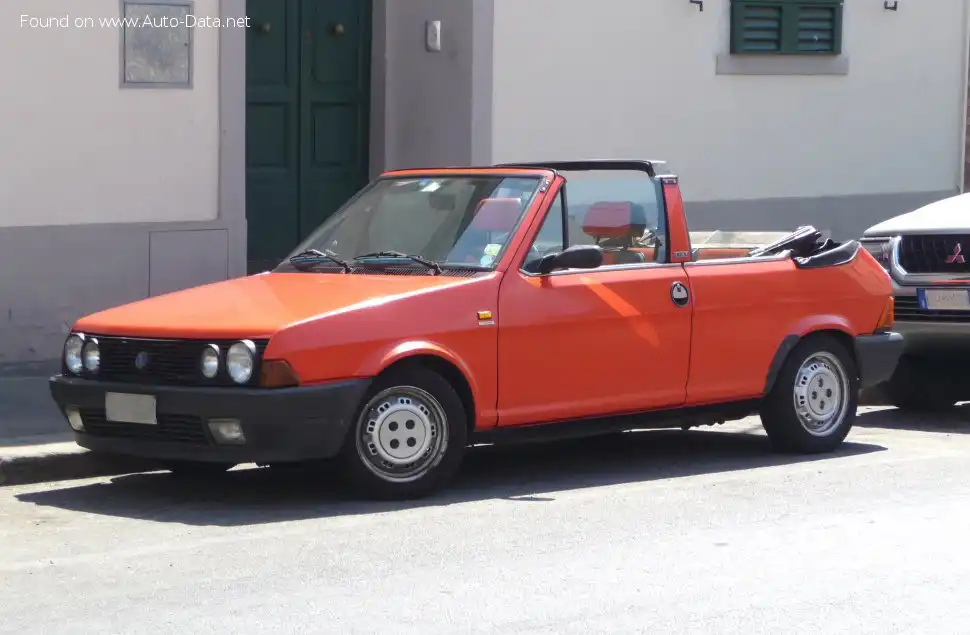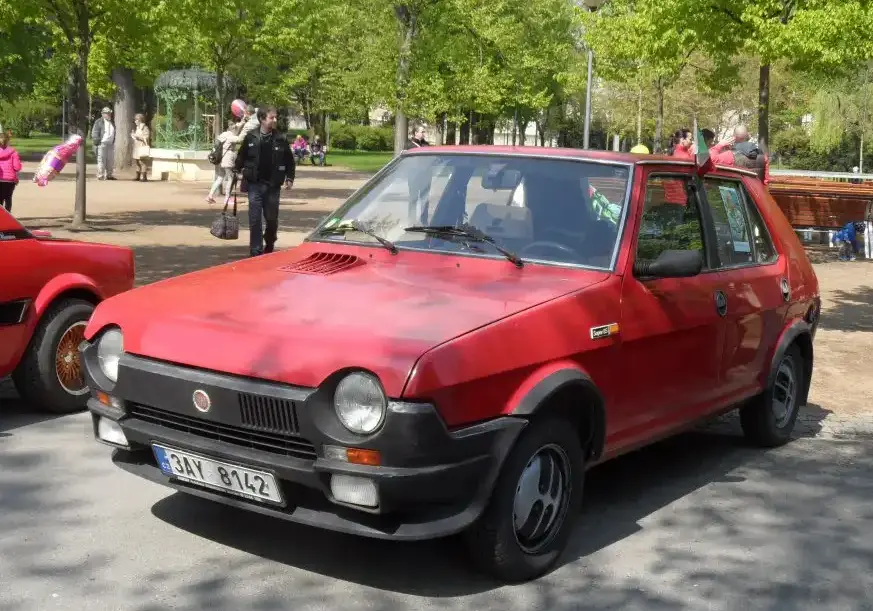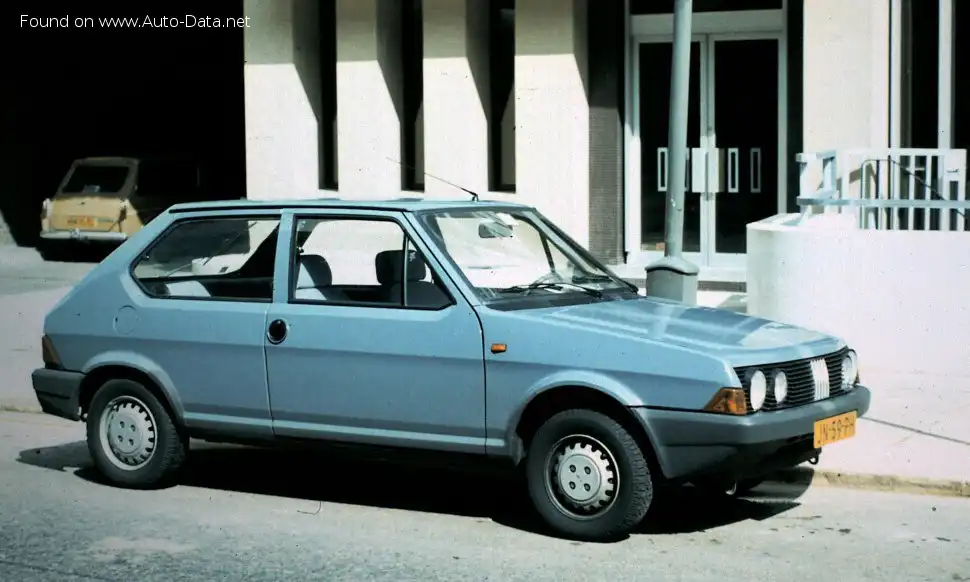
The Fiat Ritmo 60 Diesel 1.7, produced from 1985 to 1987, represents an entry-level variant of the Ritmo I (138A) series, following the 1982 facelift. Positioned as the most economical option in the Ritmo lineup, it catered to buyers prioritizing fuel efficiency and practicality over outright performance. This model was primarily sold in European markets, particularly Italy, where it competed with other small family cars like the Renault 9 and Peugeot 205. The Ritmo, designed by the renowned Italian design house Bertone, aimed to offer a stylish and modern alternative to more conventional hatchbacks of the era. The 60 Diesel trim was a key component in broadening the Ritmo’s appeal to a wider customer base.
Technical Specifications
| Brand | Fiat |
| Model | Ritmo |
| Generation | Ritmo I (138A, facelift 1982) |
| Type (Engine) | 60 Diesel 1.7 (60 Hp) |
| Start of production | 1985 |
| End of production | 1987 |
| Powertrain Architecture | Internal Combustion engine |
| Body type | Coupe (3-door hatchback) |
| Fuel Type | Diesel |
| Power | 60 Hp |
| Engine Model/Code | 138 C.000 |
| Engine aspiration | Naturally aspirated |
Powertrain & Engine Architecture
The Ritmo 60 Diesel was powered by Fiat’s 1.7-liter (1697cc) diesel engine, designated the 138 C.000. This engine was a naturally aspirated, inline-four cylinder unit. It featured a cast iron block and cylinder head, a robust design intended for longevity. The engine utilized indirect injection, a common feature for diesel engines of the time, employing a Bosch rotary injection pump. This system delivered fuel to the pre-chamber, where it was partially combusted before entering the main combustion chamber. The engine’s valvetrain consisted of a single overhead camshaft operating two valves per cylinder. While relatively simple, this configuration proved reliable and easy to maintain. The 60 Diesel was exclusively offered with a four-speed manual transmission, chosen for its simplicity and cost-effectiveness. The transmission was a conventional setup with synchromesh on all forward gears. The engine’s modest output of 60 horsepower and approximately 88 lb-ft of torque was geared towards fuel economy rather than spirited acceleration.
Driving Characteristics
The Ritmo 60 Diesel offered a utilitarian driving experience. Acceleration was deliberately slow, with a 0-60 mph time estimated around 18-20 seconds. The four-speed gearbox, while durable, had relatively wide gear ratios, prioritizing fuel efficiency over responsiveness. The engine’s torque characteristics meant that most of the available power was concentrated in a narrow band at lower RPMs. This made it suitable for everyday driving and navigating urban environments, but less ideal for highway cruising or overtaking maneuvers. The Ritmo’s suspension, consisting of independent front suspension with MacPherson struts and a torsion beam rear axle, provided a reasonably comfortable ride, although it wasn’t particularly sporty. Compared to the more powerful petrol-engined Ritmos, such as the 105 TC, the 60 Diesel felt significantly slower and less refined. However, it offered a noticeable advantage in fuel economy, achieving around 45-50 mpg in mixed driving conditions. The manual transmission required a deliberate shift action, and the clutch was relatively light, making it easy to operate in stop-and-go traffic.
Equipment & Trim Levels
The Ritmo 60 Diesel was the base trim level, and as such, it came with a fairly basic level of equipment. Standard features included cloth upholstery, a simple dashboard layout with analog gauges, and manually operated windows and door locks. The interior was functional and durable, prioritizing practicality over luxury. The steering wheel was typically made of plastic, and the seats offered limited adjustability. Optional extras included a radio, upgraded upholstery, and a sunroof. The exterior featured steel wheels with hubcaps, black plastic bumpers, and relatively simple trim. The Ritmo 60 Diesel was available in a range of solid colors, with metallic paint options available at an extra cost. The overall impression was one of affordability and practicality, reflecting its position as the entry-level model in the Ritmo range.
Chassis & Braking
The Ritmo’s chassis was a monocoque construction, providing a good balance of strength and weight. The front suspension utilized MacPherson struts, coil springs, and an anti-roll bar, offering decent handling characteristics. The rear suspension employed a torsion beam axle, which was simpler and more cost-effective but less sophisticated than independent rear suspension. The braking system consisted of disc brakes on the front wheels and drum brakes on the rear wheels. The brakes were adequate for the car’s weight and performance, but lacked the stopping power of more modern systems. The steering was a rack-and-pinion system, providing reasonably precise steering feel. The Ritmo’s relatively lightweight construction helped to offset the limitations of its modest engine output and basic suspension setup.
Market Reception & Comparison
The Ritmo 60 Diesel was generally well-received as an economical and practical small family car. Critics praised its fuel efficiency and durability, but noted its lack of performance and refinement. Compared to other diesel-engined cars of the time, such as the Peugeot 205 Diesel, the Ritmo 60 Diesel offered a similar level of fuel economy but was generally considered to be less stylish and less engaging to drive. Within the Ritmo lineup, the 60 Diesel was positioned as the most affordable option, appealing to buyers on a tight budget. The more powerful petrol-engined Ritmos, such as the 105 TC, offered significantly better performance but came at a higher price. The 60 Diesel’s simplicity and reliability made it a popular choice for fleet operators and drivers who prioritized practicality over performance.
Legacy
The Ritmo 60 Diesel, while not a performance icon, has gained a modest following among classic car enthusiasts. The 138 C.000 diesel engine is known for its robustness and longevity, and well-maintained examples can still be found on the road today. Parts availability can be a challenge, but many components are still available from specialist suppliers. The Ritmo 60 Diesel represents a snapshot of 1980s European motoring, offering a glimpse into a time when fuel efficiency and practicality were often prioritized over outright performance. In the used car market, these models are relatively affordable, making them an accessible entry point into classic Fiat ownership. The Ritmo’s distinctive styling, penned by Bertone, continues to attract attention, and its simple mechanicals make it a relatively easy car to maintain for those with basic mechanical skills.