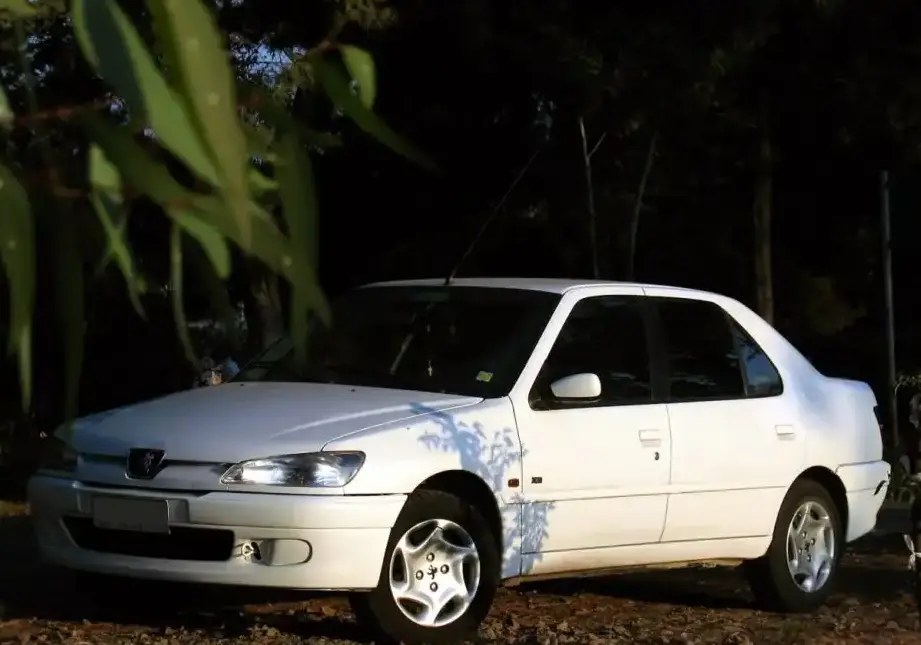
The Peugeot 306 Sedan, specifically the 2.0 HDI 90 horsepower variant produced from 1999 to 2002, represents a significant step in the application of direct injection diesel technology to mainstream European vehicles. This model arrived as part of the facelifted 306 range (introduced in 1997), offering a more refined and fuel-efficient option within the compact sedan segment. Positioned as a mid-range offering, it aimed to balance affordability with the benefits of modern diesel power, appealing to drivers seeking lower running costs and improved torque compared to petrol alternatives. The 306 platform, known internally as the X18, was a popular choice in Europe, and the 2.0 HDI variant further broadened its appeal.
Technical Specifications
| Brand | Peugeot |
| Model | 306 |
| Generation | 306 Sedan (facelift 1997) |
| Type (Engine) | 2.0 HDI (90 Hp) |
| Start of production | 1999 year |
| End of production | 2002 year |
| Powertrain Architecture | Internal Combustion engine |
| Body type | Sedan |
| Seats | 5 |
| Doors | 4 |
| Fuel consumption (urban) | 7 l/100 km (33.6 US mpg, 40.4 UK mpg, 14.3 km/l) |
| Fuel consumption (extra urban) | 4.4 l/100 km (53.5 US mpg, 64.2 UK mpg, 22.7 km/l) |
| Fuel consumption (combined) | 5.3 l/100 km (44.4 US mpg, 53.3 UK mpg, 18.9 km/l) |
| CO2 emissions | 143 g/km |
| Fuel Type | Diesel |
| Acceleration 0 – 100 km/h | 13 sec |
| Acceleration 0 – 62 mph | 13 sec |
| Acceleration 0 – 60 mph | 12.4 sec |
| Maximum speed | 180 km/h (111.85 mph) |
| Weight-to-power ratio | 12.9 kg/Hp, 77.3 Hp/tonne |
| Weight-to-torque ratio | 5.7 kg/Nm, 176 Nm/tonne |
| Power | 90 Hp @ 4000 rpm |
| Power per litre | 45.1 Hp/l |
| Torque | 205 Nm @ 1900 rpm (151.2 lb.-ft. @ 1900 rpm) |
| Engine layout | Front, Transverse |
| Engine Model/Code | RHY DW10TD |
| Engine displacement | 1997 cm3 (121.86 cu. in.) |
| Number of cylinders | 4 |
| Engine configuration | Inline |
| Cylinder Bore | 85 mm (3.35 in.) |
| Piston Stroke | 88 mm (3.46 in.) |
| Compression ratio | 18:1 |
| Number of valves per cylinder | 2 |
| Fuel injection system | Diesel Commonrail |
| Engine aspiration | Turbocharger, Intercooler |
| Valvetrain | SOHC |
| Engine oil capacity | 4.3 l (4.54 US qt | 3.78 UK qt) |
| Coolant | 8 l (8.45 US qt | 7.04 UK qt) |
| Kerb Weight | 1165 kg (2568.39 lbs.) |
| Max. weight | 1635 kg (3604.56 lbs.) |
| Max load | 470 kg (1036.17 lbs.) |
| Trunk (boot) space – minimum | 463 l (16.35 cu. ft.) |
| Fuel tank capacity | 60 l (15.85 US gal | 13.2 UK gal) |
| Permitted trailer load with brakes (12%) | 1200 kg (2645.55 lbs.) |
| Permitted trailer load without brakes | 620 kg (1366.87 lbs.) |
| Length | 4267 mm (167.99 in.) |
| Width | 1689 mm (66.5 in.) |
| Height | 1386 mm (54.57 in.) |
| Wheelbase | 2580 mm (101.57 in.) |
| Front track | 1454 mm (57.24 in.) |
| Rear (Back) track | 1423 mm (56.02 in.) |
| Ride height (ground clearance) | 120 mm (4.72 in.) |
| Drag coefficient (Cd) | 0.32 |
| Minimum turning circle (turning diameter) | 11.0 m (36.09 ft.) |
| Drivetrain Architecture | The Internal combustion engine (ICE) drives the front wheels of the vehicle. |
| Drive wheel | Front wheel drive |
| Number of gears and type of gearbox | 5 gears, manual transmission |
| Front suspension | Wishbone |
| Rear suspension | Trailing arm |
| Front brakes | Ventilated discs |
| Rear brakes | Disc |
| Assisting systems | ABS (Anti-lock braking system) |
| Steering type | Steering rack and pinion |
| Power steering | Hydraulic Steering |
| Tires size | 185/65 R14 H |
| Wheel rims size | 14 |
Powertrain & Engine Architecture
The heart of this 306 variant is the DW10TD engine, specifically the RHY variant. This 1.997-liter, four-cylinder diesel engine utilizes a common rail direct injection system, a relatively new technology at the time, allowing for precise fuel delivery and improved combustion efficiency. The engine features a single overhead camshaft (SOHC) valvetrain operating two valves per cylinder. A turbocharger with an intercooler is employed to boost power output, delivering 90 horsepower at 4000 rpm and a more substantial 205 Nm (151.2 lb-ft) of torque at a low 1900 rpm. This torque characteristic is a key benefit of diesel engines, providing strong pulling power at lower engine speeds. The engine’s high compression ratio of 18:1 is typical for direct injection diesels. The 5-speed manual transmission was the standard offering, chosen for its efficiency and cost-effectiveness.
Driving Characteristics
The 2.0 HDI 90 hp 306 Sedan offered a distinctly different driving experience compared to its petrol-powered siblings. While lacking the outright acceleration of the 1.6 or 2.0-liter petrol engines, the diesel provided significantly more torque, making it feel more effortless in everyday driving situations, particularly when loaded with passengers or luggage. The 0-60 mph time of around 12.4 seconds and a top speed of 111.85 mph were respectable for the era, but the focus was more on fuel economy and relaxed cruising. The gear ratios in the 5-speed manual transmission were well-matched to the engine’s torque curve, allowing for comfortable highway driving without excessive engine revving. Compared to the higher-output HDI variants (like the 110 hp version), this 90 hp model felt less stressed and potentially more durable in the long run.
Equipment & Trim Levels
The 2.0 HDI 90 hp model typically came with a reasonable level of standard equipment. This included central locking, power steering, and an adjustable steering column. Interior upholstery was generally cloth, with a functional and durable design. Air conditioning was often an optional extra, as were features like electric windows and alloy wheels. The dashboard layout was typical of the facelifted 306, with a clear instrument cluster and logically arranged controls. Trim levels varied slightly depending on the market, but generally, this variant occupied a mid-range position, offering a good balance of features and affordability.
Chassis & Braking
The 306 Sedan utilized a relatively simple but effective chassis design. Front suspension consisted of independent wishbones, while the rear employed a trailing arm setup. This configuration provided a comfortable ride, although it wasn’t particularly sporty. Braking was handled by ventilated discs at the front and solid discs at the rear. Anti-lock Braking System (ABS) was standard, enhancing safety. The 306’s weight of around 1165 kg (2568.39 lbs) was relatively light for its class, contributing to its decent fuel economy and handling.
Market Reception & Comparison
The Peugeot 306 2.0 HDI 90 hp was generally well-received by critics and buyers alike. It was praised for its fuel efficiency, strong torque, and comfortable ride. Compared to the petrol versions, the diesel offered significantly lower running costs, making it an attractive option for high-mileage drivers. However, some critics noted that the engine was somewhat noisy compared to petrol alternatives. Against competitors like the Volkswagen Golf TDI and Ford Focus TDCi, the 306 HDI offered a competitive package in terms of price, fuel economy, and practicality.
Legacy
The DW10TD engine family, including the RHY variant, proved to be remarkably durable and reliable. Many examples of the 306 2.0 HDI continue to be seen on the roads today, testament to the engine’s robust construction. While maintenance costs can increase with age, the engine is generally considered relatively easy to work on. In the used car market, these 306s are often sought after by those looking for an affordable, fuel-efficient, and reliable vehicle. The 2.0 HDI 90 hp variant represents a pivotal moment in the adoption of diesel technology, paving the way for the widespread use of common rail injection in mainstream vehicles.