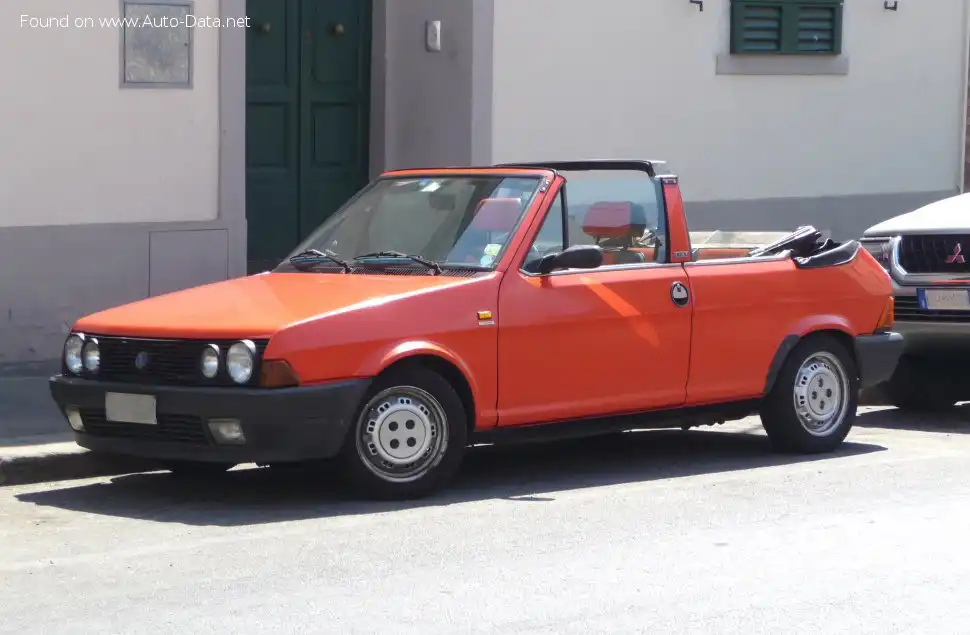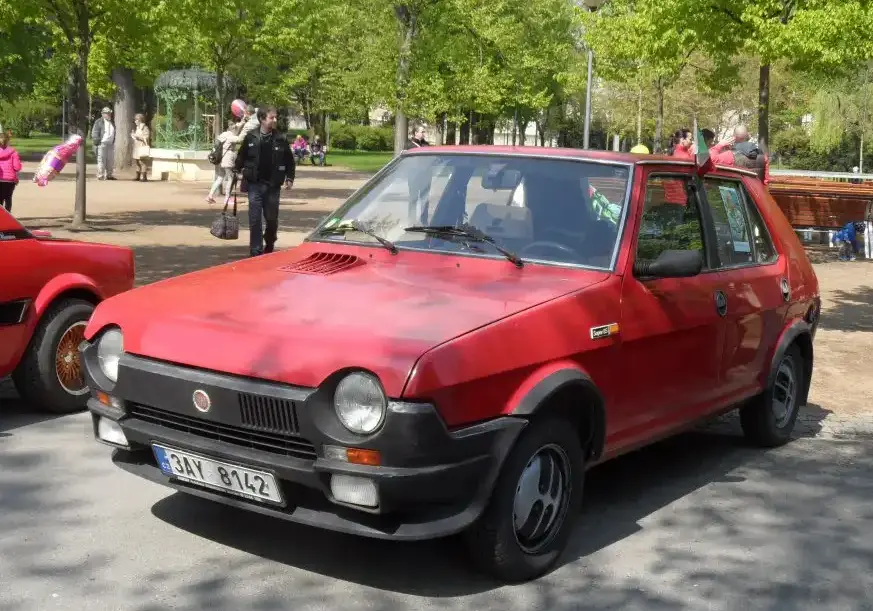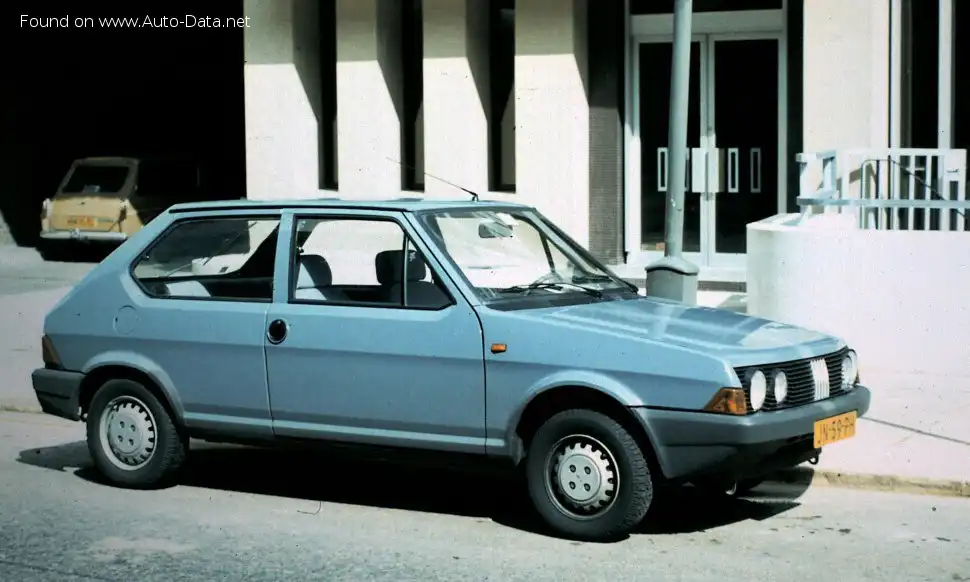
The Fiat Ritmo I (138A), particularly the 90 1.6 i.e. variant produced from 1985 to 1987, represents a mid-life update to Fiat’s popular compact hatchback. Introduced in 1978, the Ritmo aimed to modernize Fiat’s offerings and compete with rivals like the Volkswagen Golf and Opel Kadett. The 1982 facelift, and subsequently the 1.6 i.e. model, sought to refine the Ritmo’s image and appeal to a broader customer base. This specific trim level, positioned as a step up from the base models, offered a blend of performance and relative affordability within the Ritmo lineup. While not a high-performance variant, the 90 hp engine provided a noticeable improvement over the lower-powered options, making it a popular choice for drivers seeking a more engaging driving experience.
Technical Specifications
| Brand | Fiat |
| Model | Ritmo |
| Generation | Ritmo I (138A, facelift 1982) |
| Type (Engine) | 90 1.6 i.e. (90 Hp) |
| Start of production | 1985 |
| End of production | 1987 |
| Powertrain Architecture | Internal Combustion engine |
| Body type | Coupe |
| Fuel Type | Petrol (Gasoline) |
| Power | 90 Hp |
| Engine Model/Code | 149 C2.000 |
| Engine aspiration | Naturally aspirated engine |
| Engine oil capacity | 4.1 l (4.33 US qt | 3.61 UK qt) |
| Coolant capacity | 7 l (7.4 US qt | 6.16 UK qt) |
Powertrain & Engine Architecture
The heart of the Ritmo 90 1.6 i.e. is the 149 C2.000 engine, a 1.6-liter inline-four cylinder gasoline engine. This engine featured electronic fuel injection (hence the “i.e.” designation), a significant upgrade from the carbureted engines found in earlier Ritmo models. The fuel injection system, likely a Bosch system given Fiat’s partnerships at the time, improved fuel efficiency and responsiveness. The engine utilized a single overhead camshaft (SOHC) valvetrain, operating two valves per cylinder. While not a particularly sophisticated design by modern standards, it proved to be relatively reliable and easy to maintain. The 90 horsepower output was achieved at approximately 6000 rpm, with peak torque of around 137 Nm (101 lb-ft) delivered at 4000 rpm. The engine was typically paired with a three-speed automatic transmission, although a five-speed manual was also available. The automatic transmission, while offering convenience, was known to slightly diminish the car’s acceleration compared to the manual version.
Driving Characteristics
The Ritmo 90 1.6 i.e. automatic offered a comfortable, if not particularly sporty, driving experience. The automatic transmission, while smooth in operation, had relatively wide gear ratios, resulting in a noticeable shift between gears. Acceleration from a standstill to 60 mph was estimated to be around 12-13 seconds, which was adequate for the time but slower than the manual transmission variants. The engine provided sufficient power for everyday driving and highway cruising, but lacked the punch of the more powerful Ritmo 120 or the turbocharged models. The steering was light and precise, making the car easy to maneuver in urban environments. The suspension, while relatively simple, provided a decent ride quality, absorbing most road imperfections without excessive body roll. Compared to the base 70 hp Ritmo, the 1.6 i.e. offered a more refined and enjoyable driving experience, particularly on longer journeys.
Equipment & Trim Levels
The 90 1.6 i.e. trim level generally included features such as cloth upholstery, a basic stereo system, and power-assisted steering. The interior design was functional and straightforward, reflecting the Ritmo’s focus on practicality. Optional extras included a sunroof, upgraded stereo systems, and metallic paint finishes. The dashboard layout was typical of Italian cars of the era, with a combination of analog gauges and simple controls. The seats were reasonably comfortable, providing adequate support for both driver and passengers. The Ritmo 90 1.6 i.e. was positioned as a mid-range model, offering a step up in terms of features and performance compared to the base models, but falling short of the more luxurious and well-equipped trims.
Chassis & Braking
The Ritmo I utilized a front-wheel-drive layout with a MacPherson strut suspension at the front and a twist-beam axle at the rear. The braking system consisted of disc brakes at the front and drum brakes at the rear. The brakes were adequate for normal driving conditions, but lacked the stopping power of more modern braking systems. The Ritmo’s chassis was relatively lightweight, contributing to its nimble handling characteristics. Stabilizer bars were fitted to both the front and rear axles, helping to reduce body roll during cornering. The tires were typically 175/70 R14, providing a reasonable balance between grip and ride comfort.
Market Reception & Comparison
The Ritmo 90 1.6 i.e. was generally well-received by automotive critics, who praised its improved performance and fuel efficiency compared to the earlier carbureted models. However, some critics noted the automatic transmission’s sluggishness and the car’s relatively basic interior. Compared to the manual transmission version, the automatic offered less engaging driving experience, but greater convenience. Against rivals like the Volkswagen Golf and Opel Kadett, the Ritmo offered a more stylish design and a more affordable price point. However, it lacked the refinement and build quality of the German competitors. Fuel economy was respectable for the time, averaging around 30-35 mpg in mixed driving conditions. Reliability was generally good, although the automatic transmission could be prone to issues if not properly maintained.
Legacy
The Fiat Ritmo, despite its relatively short production run, remains a popular classic car among enthusiasts. The 90 1.6 i.e. variant, with its fuel-injected engine and comfortable ride, is particularly sought after. The 149 C2.000 engine proved to be a durable and reliable unit, and many examples are still on the road today. Parts availability can be a challenge, but a dedicated network of Fiat enthusiasts and specialist suppliers helps to keep these cars running. In the used car market, the Ritmo 90 1.6 i.e. represents an affordable and enjoyable entry point into classic Italian motoring. Its blend of style, practicality, and relative affordability has ensured its continued popularity among collectors and enthusiasts alike. The Ritmo paved the way for the later Fiat Tipo, and its design influence can still be seen in some of Fiat’s current models.