
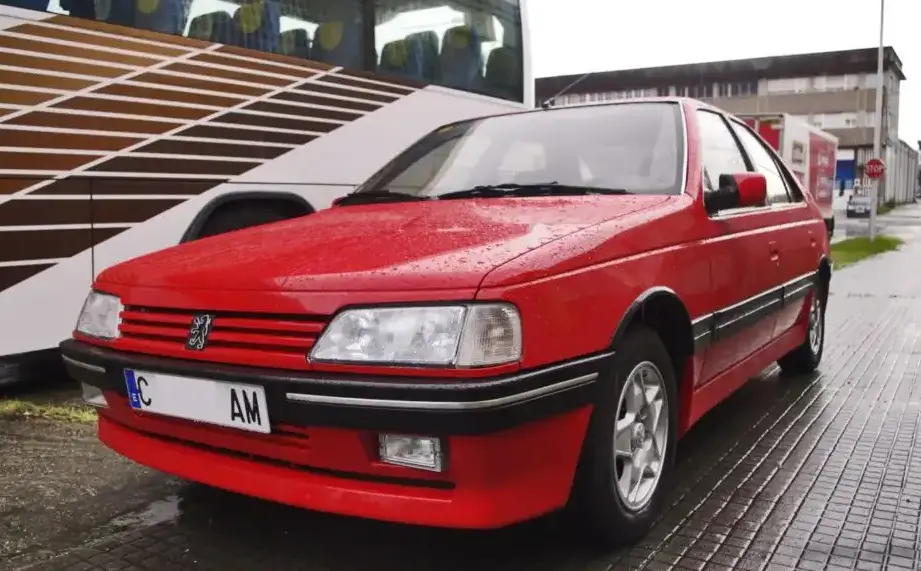
The Peugeot 405, launched in 1987, represented a significant step forward for the French automaker, replacing the aging 505. The 405 I (15B) series, produced from 1987 to 1994, was a popular choice in Europe, offering a blend of practicality, comfort, and relatively modern styling. Within the 405 range, the 1.6-liter (94 horsepower) variant occupied an important position as the entry-level model, appealing to buyers seeking economical transportation with a degree of sophistication. This version, while not the most powerful, provided a comfortable and reliable driving experience, making it a common sight on European roads during its production run.
Technical Specifications
| Brand | Peugeot |
| Model | 405 |
| Generation | 405 I (15B) |
| Type (Engine) | 1.6 (94 Hp) |
| Start of production | 1987 |
| End of production | 1994 |
| Powertrain Architecture | Internal Combustion engine |
| Body type | Sedan |
| Fuel Type | Petrol (Gasoline) |
| Power | 94 Hp |
| Engine Model/Code | B2A XU52C/K, B2B XU52C/K, B2C XU52C/K, B5A XU52C/K |
| Engine aspiration | Naturally aspirated engine |
| Engine oil capacity | 5 l (5.28 US qt | 4.4 UK qt) |
| Coolant capacity | 6.5 l (6.87 US qt | 5.72 UK qt) |
Powertrain & Engine Architecture
The heart of the 405 1.6 was the XU52C/K engine, a 1.580-liter (96.2 cubic inches) inline-four cylinder petrol engine. This engine was a mainstay of Peugeot and Citroën vehicles during the 1980s and 1990s. The ‘K’ suffix denotes various minor revisions and emissions control configurations. The XU52C featured a cast iron block and an aluminum cylinder head, a common construction for engines of this era. Fuel delivery was managed by a Bosch L-Jetronic fuel injection system, a relatively sophisticated system for the time, contributing to improved fuel efficiency and reduced emissions compared to carbureted engines. The engine employed a single overhead camshaft (SOHC) valvetrain with two valves per cylinder. The 94 horsepower output was achieved at 5,800 rpm, with peak torque of approximately 132 Nm (97 lb-ft) at 3,500 rpm. The engine was typically paired with a three-speed automatic transmission, although a five-speed manual gearbox was also available. The automatic transmission, while providing convenience, was known for being somewhat sluggish in its shifts compared to more modern automatics.
Driving Characteristics
The 405 1.6 automatic offered a comfortable, if not particularly sporty, driving experience. Acceleration was adequate for everyday driving, with a 0-60 mph time estimated around 12-13 seconds. The three-speed automatic transmission meant that the engine often felt strained during overtaking maneuvers or when climbing hills. The gear ratios were optimized for fuel economy rather than performance. Compared to the more powerful 1.9-liter and 2.0-liter versions of the 405, the 1.6 automatic felt noticeably slower. The manual transmission version of the 1.6 offered a more engaging driving experience, allowing the driver to better utilize the engine’s available power. However, the automatic was favored by those prioritizing ease of use and comfort, particularly in urban environments. The suspension, tuned for comfort, absorbed bumps and imperfections in the road well, providing a smooth ride.
Equipment & Trim Levels
The 405 1.6 typically came equipped with a reasonable level of standard features for its price point. These included central locking, power steering, and cloth upholstery. Depending on the market and optional packages, features like electric windows, a sunroof, and upgraded audio systems were available. Interior trim was generally functional and durable, with a focus on practicality rather than luxury. The dashboard layout was straightforward and easy to use, with clearly labeled controls. Higher trim levels, such as the GR and SR, added features like alloy wheels, upgraded interior trim, and additional comfort features. The base model 1.6 was often seen as a fleet vehicle or a practical family car, while the higher trims appealed to buyers seeking a more refined experience.
Chassis & Braking
The 405 I (15B) utilized a MacPherson strut front suspension and a torsion beam rear suspension. This setup provided a good balance between ride comfort and handling. The torsion beam rear suspension was a cost-effective solution that helped to keep the car’s weight down. Braking on the 1.6 models typically consisted of disc brakes on the front wheels and drum brakes on the rear wheels. The braking system was adequate for the car’s weight and performance, but lacked the stopping power of the larger, more powerful 405 variants equipped with all-round disc brakes. Stabilizer bars were fitted to both the front and rear axles to reduce body roll during cornering.
Market Reception & Comparison
The Peugeot 405 1.6 automatic was generally well-received by critics as a practical and affordable family car. It was praised for its comfortable ride, decent fuel economy (around 30-35 mpg), and relatively low running costs. However, it was often criticized for its lack of performance, particularly with the automatic transmission. Compared to rivals like the Ford Sierra and Vauxhall/Opel Vectra, the 405 offered a more stylish and sophisticated interior, but lacked the outright performance of some of its competitors. The 1.9-liter diesel version of the 405 was particularly popular in Europe due to its excellent fuel economy, while the 2.0-liter petrol version offered a more engaging driving experience. The 1.6 automatic filled a niche for buyers who prioritized comfort and convenience over performance.
Legacy
The Peugeot 405 1.6, while not the most sought-after variant, remains a relatively reliable and affordable classic car. The XU52C engine is known for its durability, and with proper maintenance, can last for many years. Parts availability is generally good, although some specific components may be becoming increasingly difficult to find. Today, the 405 1.6 automatic is often found in the hands of enthusiasts who appreciate its classic French charm and practicality. It represents a significant era in Peugeot’s history, bridging the gap between the older, more traditional designs and the more modern vehicles that followed. While not a performance icon, the 405 1.6 automatic provided comfortable and reliable transportation for a generation of drivers, and continues to offer a unique driving experience for those who appreciate its understated qualities.
