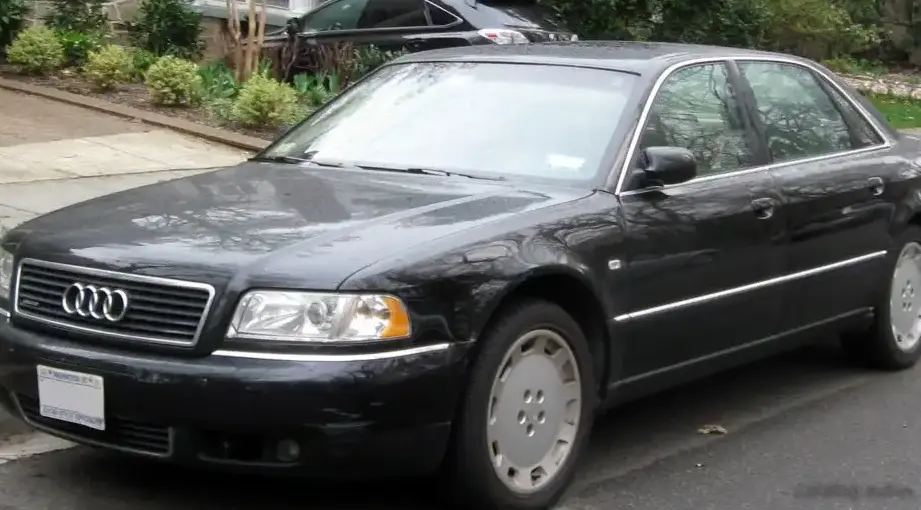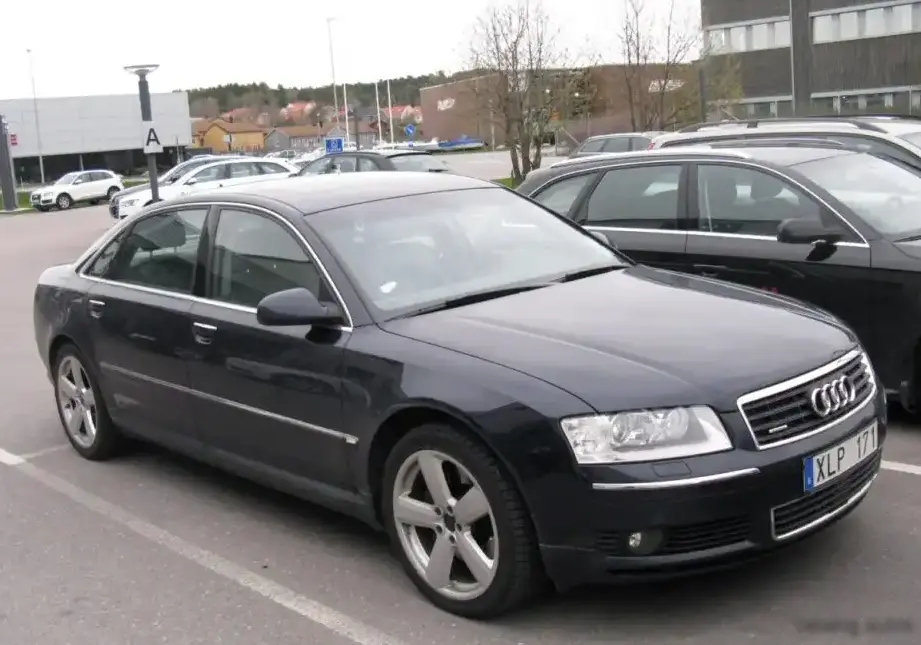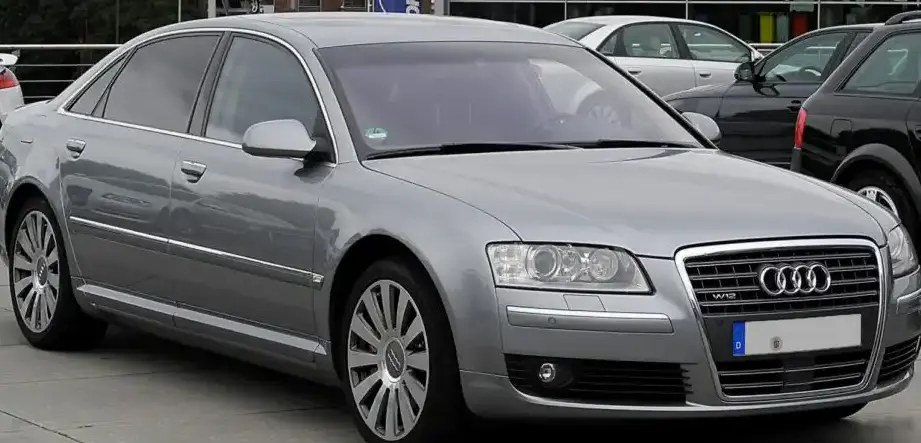
The Audi A8 L (D3, 4E) facelift of 2005, specifically the 3.0 TDI V6 variant producing 233 horsepower, represented a significant evolution of Audi’s flagship luxury sedan. Introduced as part of the mid-cycle refresh of the D3 generation A8, this model aimed to balance performance, efficiency, and refinement for the discerning luxury car buyer. Production of this specific configuration ran from 2005 to 2007. Positioned as a mid-range offering within the A8 lineup, it slotted between the naturally aspirated 3.2-liter V6 and the more potent 4.2-liter V8 models. The “L” designation indicated a long-wheelbase version, prioritizing rear passenger comfort. This car was primarily aimed at the European and Asian markets, where diesel engines were – and continue to be – highly favored for their fuel economy and torque characteristics.
Technical Specifications
| Brand | Audi |
| Model | A8 |
| Generation | A8L (D3, 4E, facelift 2005) |
| Type (Engine) | 3.0 TDI V6 (233 Hp) quattro DPF Tiptronic |
| Start of production | 2005 |
| End of production | 2007 |
| Powertrain Architecture | Internal Combustion engine |
| Body type | Sedan |
| Seats | 5 |
| Doors | 4 |
| Fuel consumption (urban) | 12.1 l/100 km (19.4 US mpg, 23.3 UK mpg, 8.3 km/l) |
| Fuel consumption (extra urban) | 6.5 l/100 km (36.2 US mpg, 43.5 UK mpg, 15.4 km/l) |
| Fuel consumption (combined) | 8.5 l/100 km (27.7 US mpg, 33.2 UK mpg, 11.8 km/l) |
| Fuel Type | Diesel |
| Acceleration 0 – 100 km/h | 7.9 sec |
| Acceleration 0 – 62 mph | 7.9 sec |
| Acceleration 0 – 60 mph | 7.5 sec |
| Maximum speed | 243 km/h (150.99 mph) |
| Emission standard | Euro 4 |
| Weight-to-power ratio | 8.1 kg/Hp, 123.9 Hp/tonne |
| Weight-to-torque ratio | 4.2 kg/Nm, 239.4 Nm/tonne |
| Power | 233 Hp @ 4000 rpm |
| Power per litre | 78.5 Hp/l |
| Torque | 450 Nm @ 1400-3250 rpm (331.9 lb.-ft. @ 1400-3250 rpm) |
| Engine layout | Front, Longitudinal |
| Engine Model/Code | ASB |
| Engine displacement | 2967 cm3 (181.06 cu. in.) |
| Number of cylinders | 6 |
| Engine configuration | V-engine |
| Cylinder Bore | 83 mm (3.27 in.) |
| Piston Stroke | 91.4 mm (3.6 in.) |
| Compression ratio | 17:1 |
| Number of valves per cylinder | 4 |
| Fuel injection system | Diesel Commonrail |
| Engine aspiration | Turbocharger, Intercooler |
| Valvetrain | DOHC |
| Engine oil capacity | 8.2 l (8.66 US qt | 7.21 UK qt) |
| Coolant | 15.8 l (16.7 US qt | 13.9 UK qt) |
| Kerb Weight | 1880 kg (4144.69 lbs.) |
| Max. weight | 2480 kg (5467.46 lbs.) |
| Max load | 600 kg (1322.77 lbs.) |
| Trunk (boot) space – minimum | 500 l (17.66 cu. ft.) |
| Fuel tank capacity | 90 l (23.78 US gal | 19.8 UK gal) |
| Length | 5192 mm (204.41 in.) |
| Width | 1894 mm (74.57 in.) |
| Height | 1455 mm (57.28 in.) |
| Wheelbase | 3074 mm (121.02 in.) |
| Front track | 1629 mm (64.13 in.) |
| Rear (Back) track | 1615 mm (63.58 in.) |
| Drag coefficient (Cd) | 0.27 |
| Minimum turning circle | 12.5 m (41.01 ft.) |
| Drive wheel | All wheel drive (4×4) |
| Number of gears | 6 |
| Gearbox type | automatic transmission Tiptronic |
| Front suspension | Independent multi-link suspension |
| Rear suspension | Independent on trapezoidal lever |
| Front brakes | Ventilated discs |
| Rear brakes | Ventilated discs |
| Assisting systems | ABS (Anti-lock braking system) |
| Steering type | Steering rack and pinion |
| Power steering | Hydraulic Steering |
| Tires size | 235/55 R17 |
| Wheel rims size | 8J x 17 |
Powertrain & Engine Architecture
The heart of this A8 L variant is the 3.0-liter ASB engine, a V6 diesel utilizing common rail direct injection. This engine is a member of Volkswagen Group’s modular engine family, known for its robust construction and relatively straightforward maintenance. The ASB code designates a specific iteration of this engine, optimized for the A8’s application. The common rail system, operating at extremely high pressures, allows for precise fuel metering and multiple injection events per combustion cycle, contributing to both power and efficiency. A variable geometry turbocharger (VGT) with an intercooler further enhances performance by boosting intake air pressure. The engine features a double overhead camshaft (DOHC) valvetrain with four valves per cylinder, maximizing breathing efficiency. Paired with the engine is a six-speed Tiptronic automatic transmission. This transmission, while offering smooth shifts, is a conventional torque-converter automatic, lacking the lightning-fast shifts of modern dual-clutch transmissions. It does, however, provide a manual shift mode for driver control.
Driving Characteristics
The 3.0 TDI A8 L offered a compelling blend of performance and comfort. While not as overtly sporty as the V8 models, the 233 horsepower and, more importantly, the 450 Nm (331.9 lb-ft) of torque available from just 1400 rpm, provided ample power for effortless cruising and confident overtaking. The Tiptronic transmission, while smooth, could feel slightly hesitant during quick downshifts. The quattro all-wheel-drive system ensured excellent traction in all weather conditions, enhancing stability and driver confidence. The long wheelbase and sophisticated suspension tuning prioritized ride comfort, absorbing bumps and imperfections in the road with ease. Compared to the 3.2-liter V6, the TDI offered significantly more torque and better fuel economy, while the V8 provided a noticeable step up in outright power but at the expense of fuel efficiency.
Equipment & Trim Levels
The A8 L 3.0 TDI typically came well-equipped, reflecting its luxury positioning. Standard features included leather upholstery, power-adjustable front seats with memory function, dual-zone automatic climate control, a premium audio system, and parking sensors. Optional extras were plentiful, including adaptive cruise control, a sunroof, upgraded leather packages, rear seat entertainment, and advanced navigation systems. The interior design was characterized by a clean, elegant aesthetic with high-quality materials and meticulous attention to detail. Trim levels varied slightly depending on the market, but generally, the 3.0 TDI sat in a comfortable mid-range, offering a substantial level of luxury without the full extravagance of the V8 models.
Chassis & Braking
The A8 L featured a fully independent suspension system, with a multi-link setup at the front and a trapezoidal link arrangement at the rear. This configuration provided a refined ride and precise handling. Brakes consisted of ventilated discs all around, providing ample stopping power. Anti-lock braking system (ABS) was standard, enhancing safety and control during emergency braking situations. The chassis was constructed using a combination of high-strength steel and aluminum, contributing to both rigidity and weight reduction. Stabilizer bars were fitted front and rear to minimize body roll during cornering.
Market Reception & Comparison
The A8 L 3.0 TDI was generally well-received by automotive critics. It was praised for its refined ride, powerful and efficient engine, and luxurious interior. The combination of diesel fuel economy and respectable performance proved particularly appealing in Europe and Asia. Compared to its gasoline-powered siblings, the TDI offered a significant advantage in fuel consumption, making it a more practical choice for long-distance driving. However, some critics noted that the Tiptronic transmission could feel a bit dated compared to newer automatic transmissions. Reliability was generally good, although the complex diesel injection system and turbocharger required regular maintenance.
Legacy
The Audi A8 L 3.0 TDI (ASB) has proven to be a relatively durable and reliable powertrain. Well-maintained examples continue to be sought after in the used car market, particularly by those seeking a comfortable and efficient luxury sedan. The engine, while not without its potential maintenance needs (such as diesel particulate filter regeneration and turbocharger health), is generally considered robust. The car represents a pivotal moment in Audi’s history, showcasing the brand’s commitment to combining luxury, performance, and advanced technology. Today, it stands as a testament to the enduring appeal of a well-engineered, long-wheelbase luxury sedan.