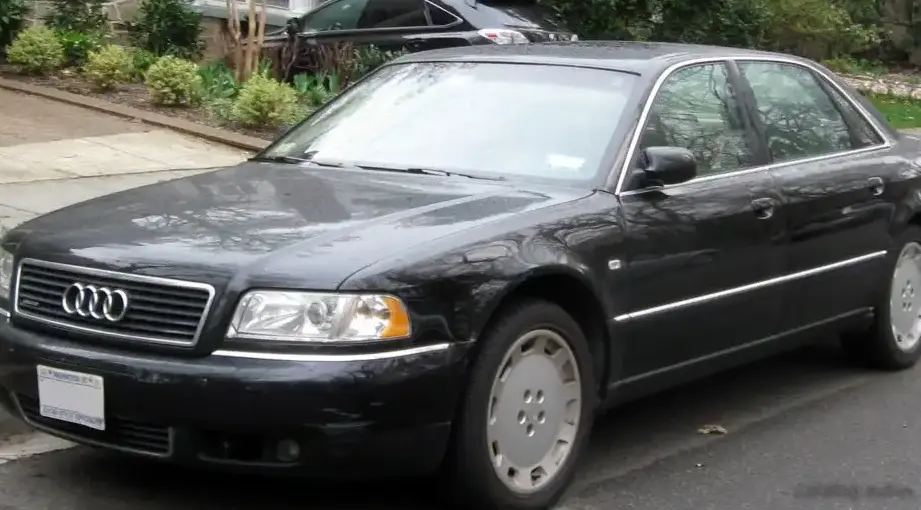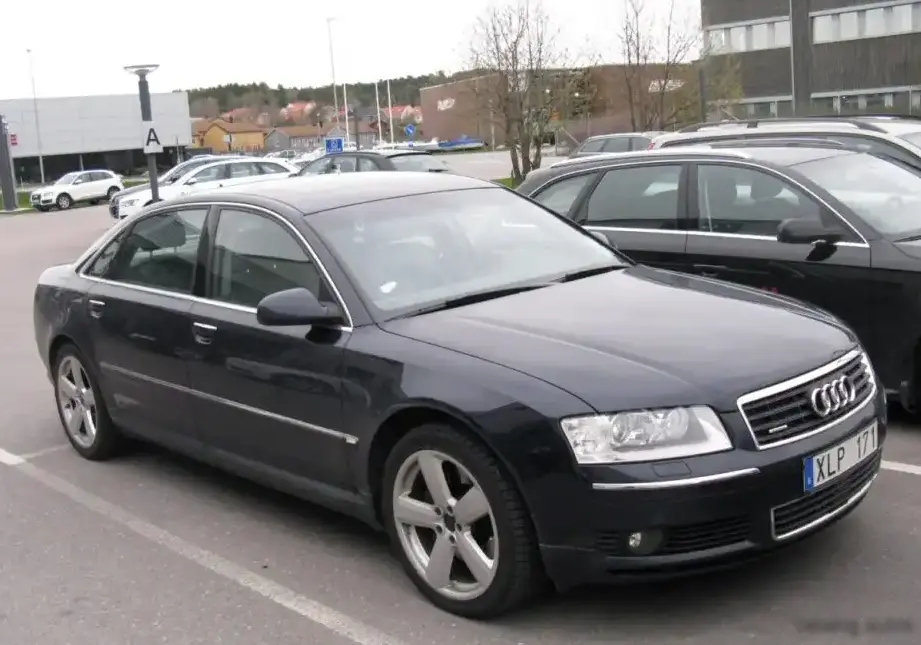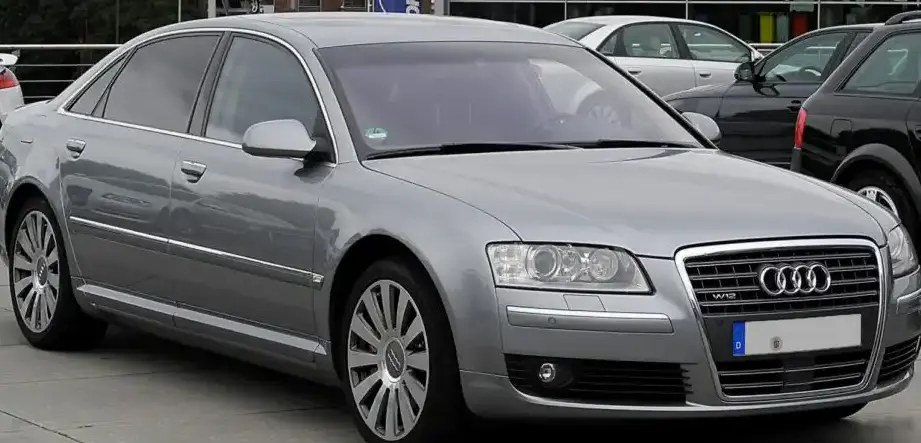
The Audi A8 L (D3, 4E) facelift of 2005, equipped with the 3.2 FSI V6 engine and Multitronic transmission, represents a significant refinement of Audi’s flagship luxury sedan. Produced from 2005 to 2007, this variant occupied a middle ground in the A8 lineup, offering a balance between performance and efficiency compared to the higher-output 4.2 FSI V8 and the diesel-powered TDI models. The D3 generation A8, launched in 1994, was a groundbreaking vehicle for Audi, pioneering the use of all-aluminum construction in a mass-produced car. The facelift in 2005 brought styling updates, improved technology, and refinements to the powertrain options, solidifying the A8’s position as a competitor to the BMW 7 Series and Mercedes-Benz S-Class.
Technical Specifications
| Brand | Audi |
| Model | A8 |
| Generation | A8L (D3, 4E, facelift 2005) |
| Type (Engine) | 3.2 FSI V6 (260 Hp) Multitronic |
| Start of production | 2005 |
| End of production | 2007 |
| Powertrain Architecture | Internal Combustion engine |
| Body type | Sedan |
| Seats | 5 |
| Doors | 4 |
| Fuel consumption (urban) | 14.7 l/100 km (16 US mpg, 19.2 UK mpg, 6.8 km/l) |
| Fuel consumption (extra urban) | 7.1 l/100 km (33.1 US mpg, 39.8 UK mpg, 14.1 km/l) |
| Fuel consumption (combined) | 9.9 l/100 km (23.8 US mpg, 28.5 UK mpg, 10.1 km/l) |
| Fuel Type | Petrol (Gasoline) |
| Acceleration 0 – 100 km/h | 7.9 sec |
| Acceleration 0 – 62 mph | 7.9 sec |
| Acceleration 0 – 60 mph | 7.5 sec |
| Maximum speed | 250 km/h (155.34 mph) |
| Emission standard | Euro 4 |
| Weight-to-power ratio | 6.7 kg/Hp, 149.4 Hp/tonne |
| Weight-to-torque ratio | 5.3 kg/Nm, 189.7 Nm/tonne |
| Power | 260 Hp @ 6500 rpm |
| Power per litre | 83.3 Hp/l |
| Torque | 330 Nm @ 3250 rpm (243.4 lb.-ft. @ 3250 rpm) |
| Engine layout | Front, Longitudinal |
| Engine Model/Code | BPK |
| Engine displacement | 3123 cm3 (190.58 cu. in.) |
| Number of cylinders | 6 |
| Engine configuration | V-engine |
| Cylinder Bore | 84.5 mm (3.33 in.) |
| Piston Stroke | 92.8 mm (3.65 in.) |
| Compression ratio | 12.5:1 |
| Number of valves per cylinder | 4 |
| Fuel injection system | Direct injection |
| Engine aspiration | Naturally aspirated engine |
| Valvetrain | DOHC |
| Engine oil capacity | 6.1 l (6.45 US qt | 5.37 UK qt) |
| Coolant | 12 l (12.68 US qt | 10.56 UK qt) |
| Kerb Weight | 1740 kg (3836.04 lbs.) |
| Max. weight | 2340 kg (5158.82 lbs.) |
| Max load | 600 kg (1322.77 lbs.) |
| Trunk (boot) space – minimum | 500 l (17.66 cu. ft.) |
| Fuel tank capacity | 90 l (23.78 US gal | 19.8 UK gal) |
| Length | 5192 mm (204.41 in.) |
| Width | 1894 mm (74.57 in.) |
| Height | 1455 mm (57.28 in.) |
| Wheelbase | 3074 mm (121.02 in.) |
| Front track | 1629 mm (64.13 in.) |
| Rear (Back) track | 1615 mm (63.58 in.) |
| Drag coefficient (Cd) | 0.27 |
| Minimum turning circle | 12.1 m (39.7 ft.) |
| Drivetrain Architecture | The Internal combustion engine (ICE) drives the front wheels of the vehicle. |
| Drive wheel | Front wheel drive |
| Number of gears and type of gearbox | automatic transmission Multitronic |
| Front suspension | Independent multi-link suspension |
| Rear suspension | Independent on trapezoidal lever |
| Front brakes | Ventilated discs |
| Rear brakes | Ventilated discs |
| Assisting systems | ABS (Anti-lock braking system) |
| Steering type | Steering rack and pinion |
| Tires size | 235/55 R17 |
| Wheel rims size | 17 |
Powertrain & Engine Architecture
The heart of this A8 L variant is the BPK engine, a 3.2-liter naturally aspirated V6. This engine utilizes Audi’s FSI (Fuel Stratified Injection) direct injection technology, which allows for precise fuel delivery and improved combustion efficiency. The FSI system injects fuel directly into the combustion chamber, rather than the intake manifold, resulting in a higher compression ratio (12.5:1) and increased power output. The engine features a double overhead camshaft (DOHC) valvetrain with four valves per cylinder, optimizing airflow for enhanced performance. Paired with the engine is Audi’s Multitronic continuously variable transmission (CVT). Unlike traditional automatic transmissions with fixed gear ratios, the Multitronic uses a chain-driven system to provide a virtually infinite number of gear ratios, optimizing engine speed for efficiency and smooth acceleration.
Driving Characteristics
The 3.2 FSI V6 with the Multitronic transmission delivers a refined and comfortable driving experience. While not as overtly powerful as the V8 models, the 260 horsepower and 243 lb-ft of torque provide ample power for everyday driving and highway cruising. Acceleration from 0-60 mph takes approximately 7.5 seconds. The Multitronic transmission contributes to smooth, seamless gear changes, enhancing the overall driving experience. However, some drivers found the Multitronic to be less engaging than a traditional automatic or manual transmission, lacking the distinct shift points. The CVT prioritizes efficiency, sometimes resulting in a slight delay in response during aggressive acceleration. Compared to the manual transmission options available in other A8 variants, the Multitronic prioritizes comfort and ease of use over outright performance.
Equipment & Trim Levels
The A8 L 3.2 FSI typically came well-equipped as standard. Features included leather upholstery, power-adjustable front seats with memory function, dual-zone automatic climate control, a premium audio system, and xenon headlights. The A8 L, being the long-wheelbase version, prioritized rear passenger comfort, offering generous legroom and available rear seat entertainment options. Optional extras included a sunroof, navigation system, adaptive cruise control, and upgraded leather packages. Trim levels were relatively streamlined, with options primarily revolving around individual features rather than distinct packages.
Chassis & Braking
The A8 L’s chassis featured an independent multi-link suspension at all four corners, providing a comfortable and controlled ride. The suspension was tuned to prioritize ride quality, absorbing bumps and imperfections in the road effectively. Braking duties were handled by ventilated disc brakes on all four wheels, providing ample stopping power. Anti-lock braking system (ABS) was standard, enhancing safety and stability during emergency braking situations. The A8 L’s weight (approximately 3836 lbs) necessitated a robust braking system to ensure confident deceleration.
Market Reception & Comparison
The A8 L 3.2 FSI was generally well-received by automotive critics. It was praised for its comfortable ride, refined interior, and advanced technology. However, some reviewers noted that the 3.2-liter engine lacked the outright performance of the V8 models. Fuel economy was considered reasonable for a luxury sedan of its size, averaging around 23.8 US mpg in combined driving. Compared to the 4.2 FSI V8, the 3.2 FSI offered a more affordable entry point into the A8 range, while still providing a luxurious and capable driving experience. The TDI models offered superior fuel economy but were less popular in the US market.
Legacy
The Audi A8 L (D3, 4E) 3.2 FSI V6 with Multitronic, while not the most sought-after variant today, remains a capable and comfortable luxury sedan. The Multitronic transmission, while innovative, has proven to be a potential maintenance concern, with some units requiring servicing or replacement over time. However, well-maintained examples can still provide years of reliable service. The A8 L’s all-aluminum construction and advanced technology continue to impress, and it represents a significant milestone in Audi’s history. In the used car market, these models offer a relatively affordable way to experience Audi’s flagship luxury sedan, appealing to buyers who prioritize comfort and refinement over outright performance.