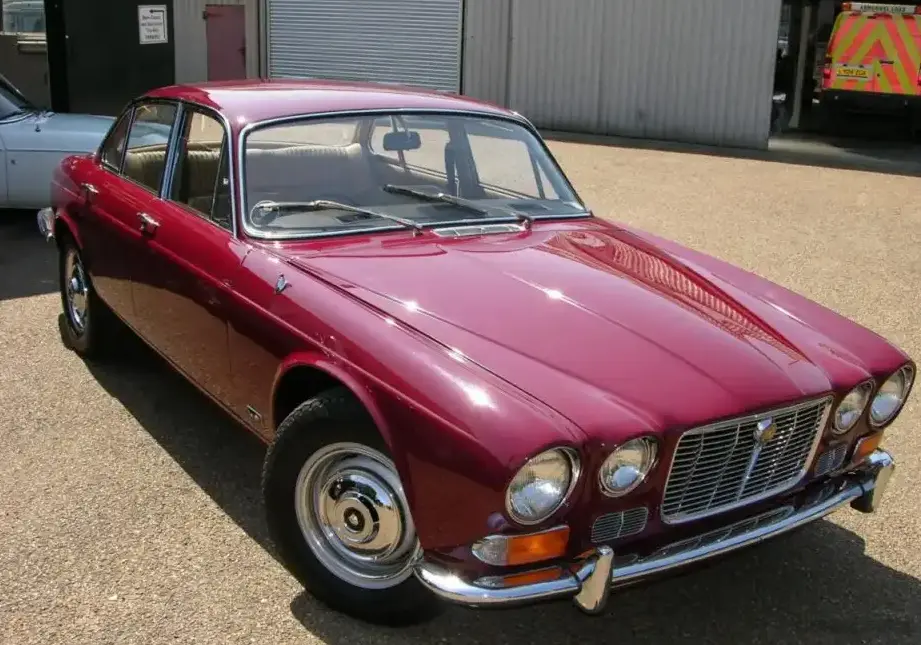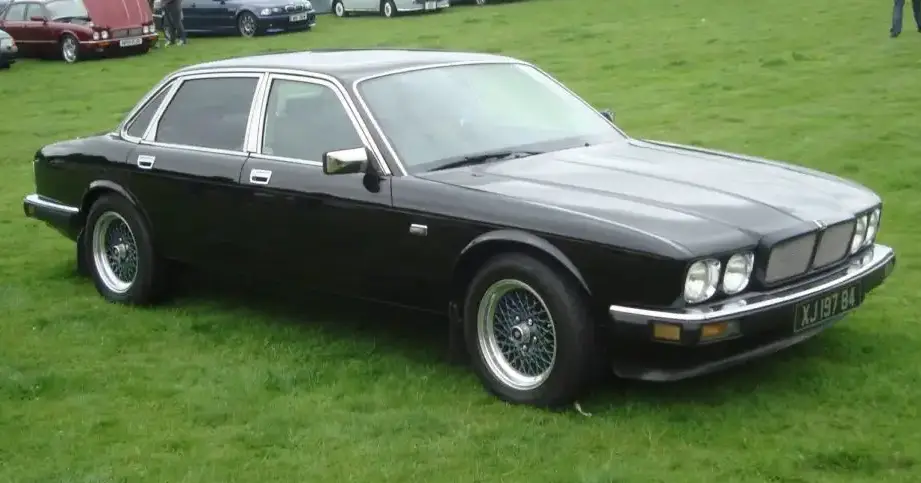
The Jaguar XJ40, produced between 1986 and 1994, marked a significant shift for the British marque, moving away from traditional, hand-built construction towards modern manufacturing techniques. Internally known as the XJ81 during development, the XJ40 aimed to improve reliability and reduce production costs while maintaining Jaguar’s luxury standards. The 3.6-liter inline-six engine variant, producing 185 horsepower, was a crucial entry-level option in many markets, particularly North America, balancing performance and affordability. Production of this specific configuration spanned from 1986 to 1989, before being superseded by updated engine management systems and minor revisions.
Technical Specifications
| Brand | Jaguar |
| Model | XJ |
| Generation | XJ (XJ40/XJ81) |
| Type (Engine) | 6 3.6 (185 Hp) |
| Start of production | 1986 |
| End of production | 1989 |
| Powertrain Architecture | Internal Combustion engine |
| Body type | Sedan |
| Seats | 5 |
| Doors | 4 |
| Fuel Type | Petrol (Gasoline) |
| Power | 185 Hp |
| Engine aspiration | Naturally aspirated engine |
Powertrain & Engine Architecture
The XJ40 variant is powered by the Jaguar AJ6 inline-six engine, displacing 3.6 liters (3590 cc). This engine was a substantial redesign of Jaguar’s established XK engine family, featuring a cast iron block and an aluminum cylinder head. The AJ6 employed a single overhead camshaft (SOHC) design with four valves per cylinder. Fuel delivery was managed by a Bosch Motronic fuel injection system, a sophisticated setup for its time, improving fuel efficiency and reducing emissions compared to earlier carbureted Jaguar engines. The 185 horsepower peak was reached at 5,500 rpm, with maximum torque of 230 lb-ft available at 3,800 rpm. This engine was known for its smooth power delivery and the distinctive Jaguar engine note. The engine was typically paired with a three-speed automatic transmission, a Chrysler Torqueflite unit, chosen for its robustness and simplicity. While not the most advanced automatic available, it proved reliable and well-matched to the engine’s torque characteristics.
Driving Characteristics
The 185 hp 3.6-liter XJ40 delivered a comfortable and refined driving experience, prioritizing luxury over outright performance. Acceleration from 0 to 60 mph took approximately 9.5 seconds, respectable for a full-size luxury sedan of the era, but slower than the V12-powered models. The three-speed automatic transmission, while smooth, lacked the responsiveness of more modern gearboxes. Gear ratios were optimized for comfortable cruising rather than rapid acceleration. The engine provided sufficient torque for everyday driving, making highway overtaking relatively effortless. However, drivers accustomed to more powerful engines might find the performance somewhat lacking. The XJ40’s independent suspension – double wishbones at the front and a semi-trailing arm setup at the rear – provided a comfortable ride, effectively absorbing road imperfections. The power-assisted steering, while light, lacked the precision found in some contemporary competitors.
Equipment & Trim Levels
The 3.6-liter XJ40 came standard with a generous array of features, reflecting Jaguar’s commitment to luxury. Standard amenities included leather upholstery, power windows, power locks, a power sunroof, and air conditioning. Interior trim typically featured wood veneer, enhancing the car’s opulent ambiance. Optional extras included upgraded sound systems, heated seats, and a self-leveling suspension system. The base trim offered a comfortable and well-appointed interior, while higher trim levels added more luxurious materials and features. The XJ40’s dashboard layout was straightforward, with clearly labeled controls and a comprehensive instrument cluster. A trip computer displayed information such as fuel consumption, distance traveled, and outside temperature.
Chassis & Braking
The XJ40 utilized a monocoque chassis, providing a strong and rigid platform. The suspension system featured double wishbones at the front and a semi-trailing arm setup at the rear, with anti-roll bars on both axles to reduce body roll. Braking was handled by disc brakes at the front and drum brakes at the rear. While the front discs offered ample stopping power, the rear drums were a cost-saving measure and less effective at dissipating heat. The braking system did not include ABS (Anti-lock Braking System) as standard on earlier models, though it became an option in later years. The XJ40’s steering system was power-assisted, providing light steering effort.
Market Reception & Comparison
The 185 hp 3.6-liter XJ40 received mixed reviews. It was praised for its luxurious interior, comfortable ride, and refined engine, but criticized for its modest performance and somewhat dated technology. Compared to the V12-powered model, the 3.6-liter offered significantly less power and acceleration, but was considerably more affordable to buy and maintain. Fuel economy was reasonable for a full-size luxury sedan, averaging around 17 mpg in the city and 24 mpg on the highway. Reliability was a concern for early XJ40s, with reports of electrical and cooling system issues. Later models, including those from 1989 onwards, showed improved reliability. Compared to rivals like the BMW 7 Series and Mercedes-Benz S-Class, the XJ40 offered a unique blend of British luxury and understated elegance.
Legacy
The 3.6-liter XJ40 remains a popular choice among Jaguar enthusiasts, offering an affordable entry point into classic Jaguar ownership. The AJ6 engine, while having its quirks, is generally considered robust and reliable when properly maintained. Parts availability is generally good, though some components can be difficult to find. The XJ40’s simple construction and straightforward mechanics make it relatively easy to work on for experienced DIY mechanics. Potential buyers should be aware of common issues like electrical problems and cooling system leaks. The 185 hp 3.6-liter automatic combination represents a sweet spot in the XJ40 lineup, offering a good balance of performance, comfort, and affordability. It embodies the spirit of classic British luxury and continues to provide a rewarding driving experience for those who appreciate its unique character.