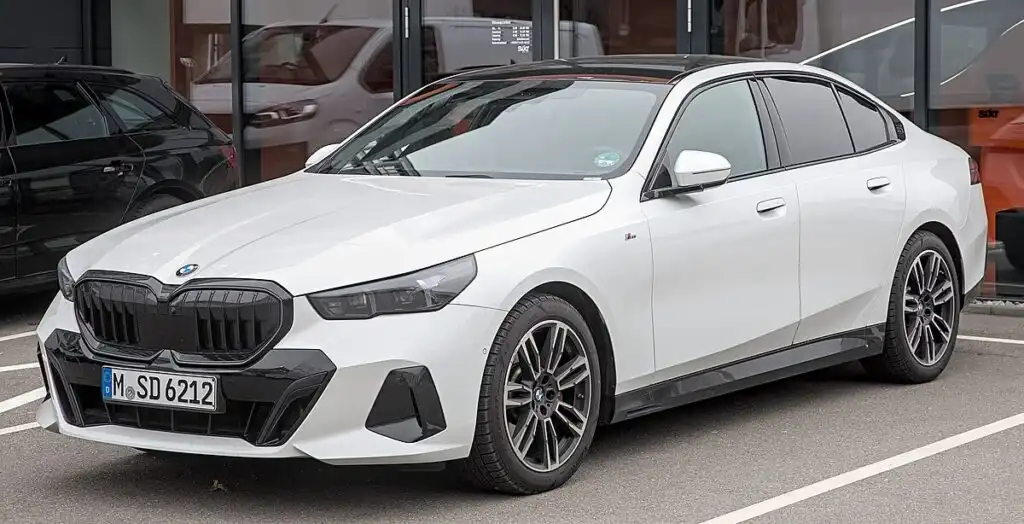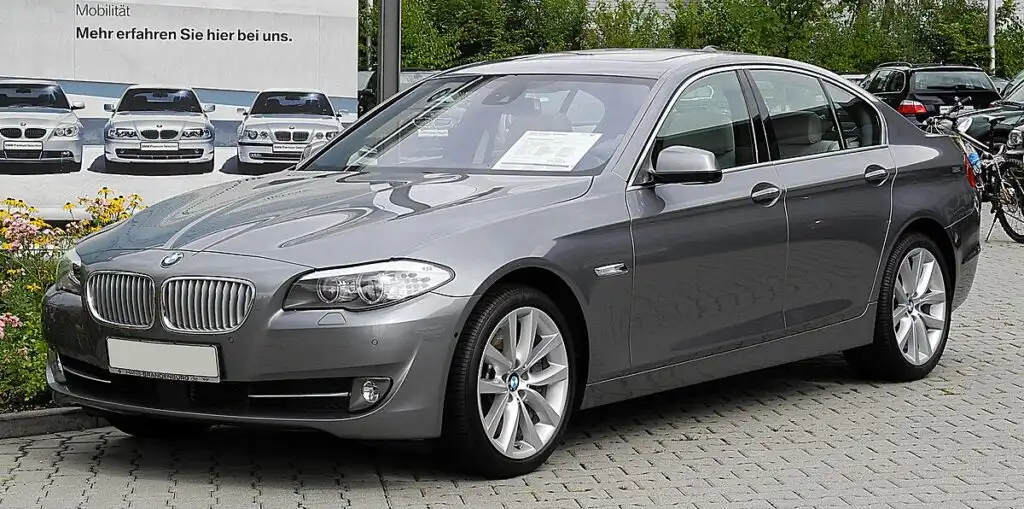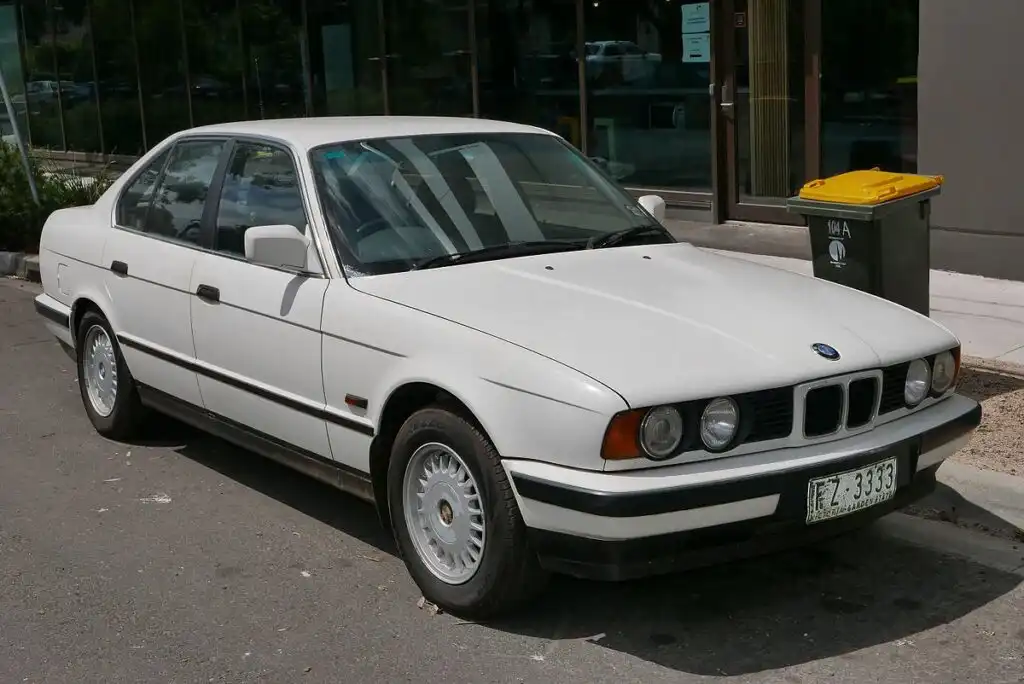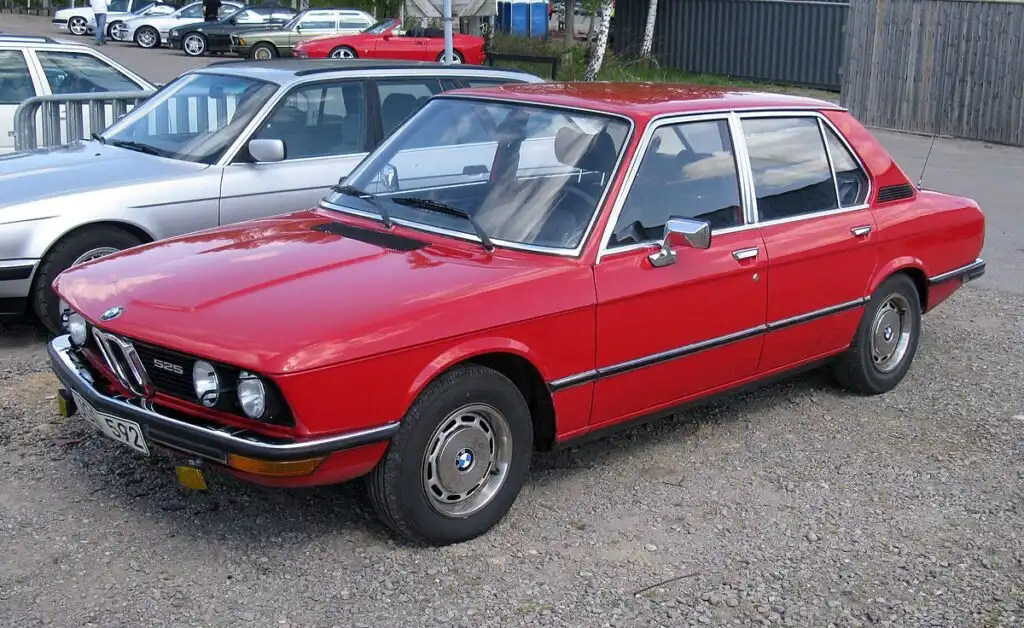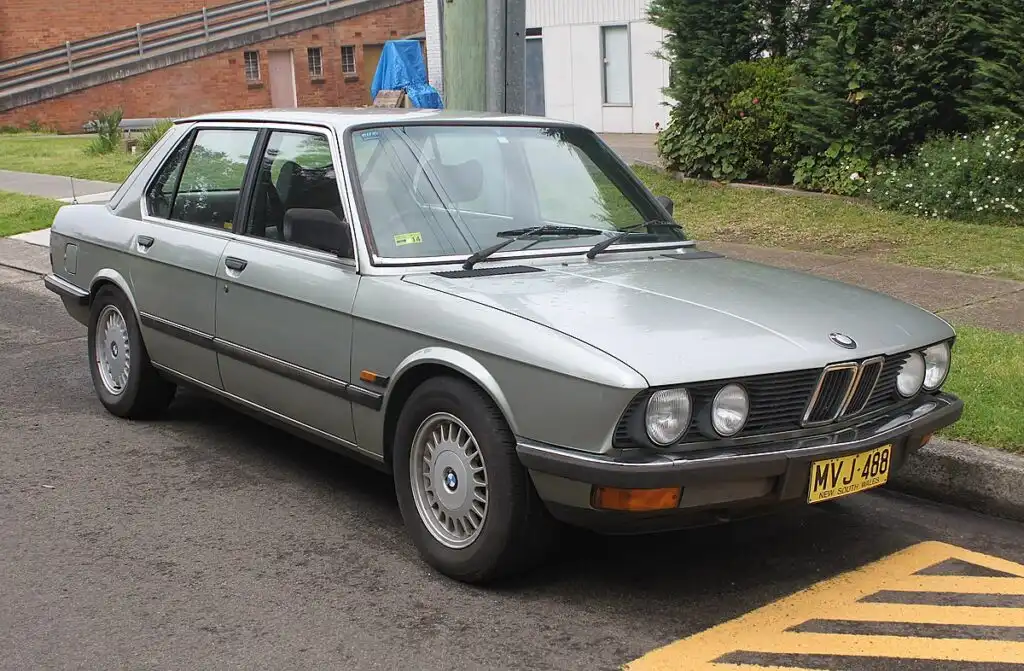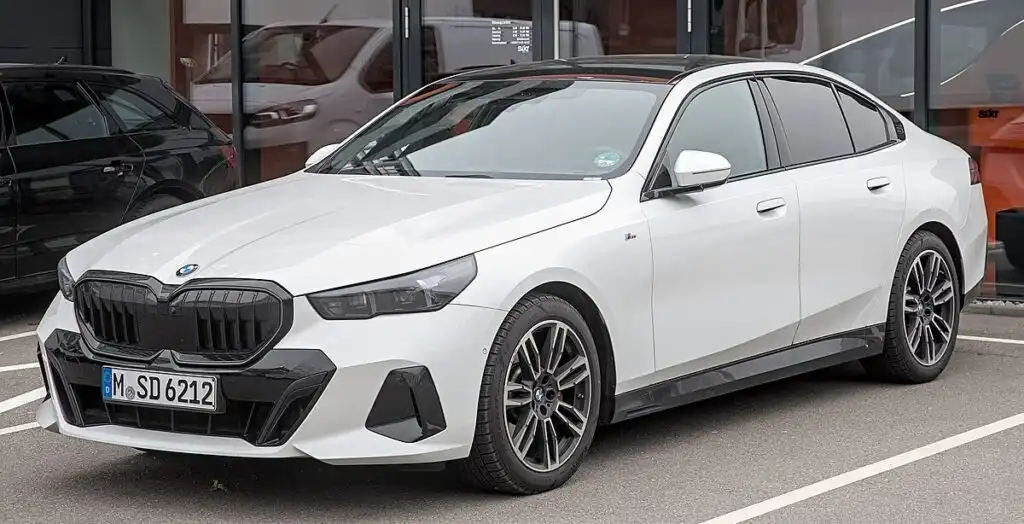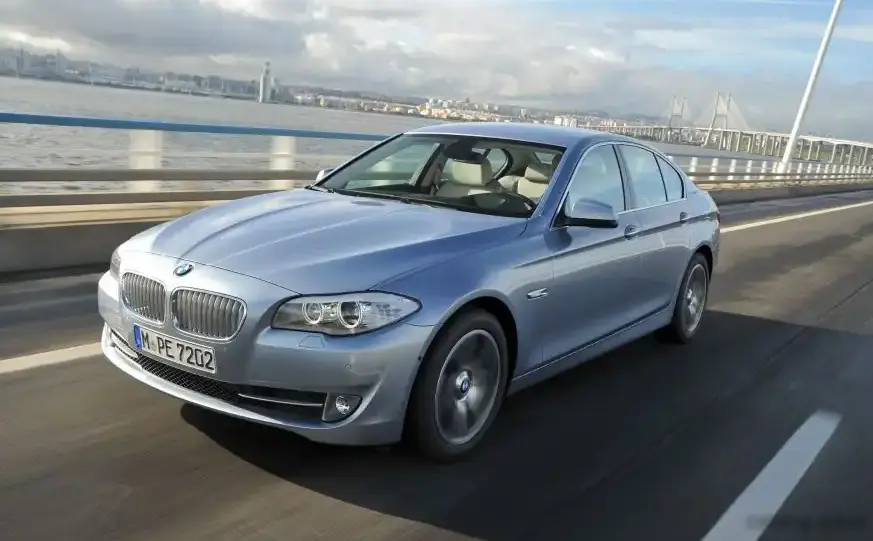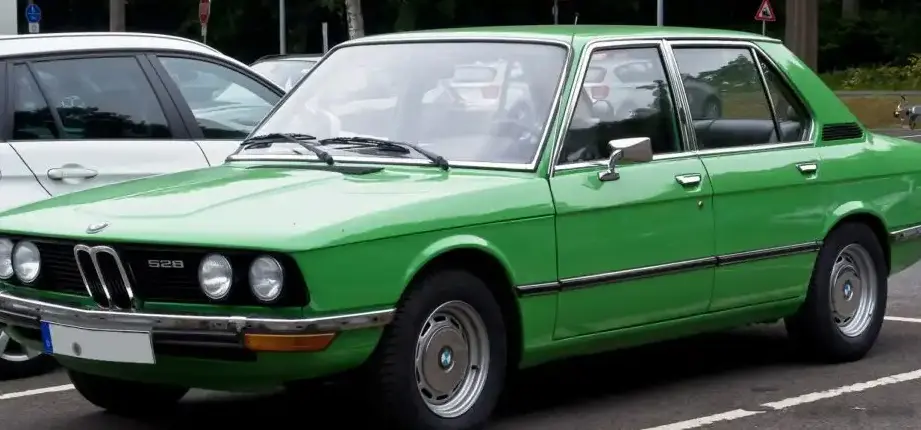
The BMW 518, produced between 1974 and 1975, was the entry-level model in the first generation (E12) of the BMW 5 Series. Positioned below the 520 and 528 models, the 518 offered a more affordable route into BMW ownership while still providing the brand’s renowned driving experience. It was a key component in establishing the 5 Series as a successful mid-size executive car, competing with models like the Mercedes-Benz W114 and Opel Commodore. The 518 was primarily sold in Europe, and represented a significant step for BMW in offering a more fuel-conscious option within the burgeoning executive car segment.
Technical Specifications
| Brand | BMW |
| Model | 5 Series |
| Generation | 5 Series (E12) |
| Type (Engine) | 518 (90 Hp) |
| Start of production | 1974 |
| End of production | 1975 |
| Powertrain Architecture | Internal Combustion engine |
| Body type | Sedan |
| Seats | 5 |
| Doors | 4 |
| Fuel consumption (combined) | 9.5 l/100 km (24.8 US mpg, 29.7 UK mpg, 10.5 km/l) |
| Fuel Type | Petrol (Gasoline) |
| Acceleration 0 – 100 km/h | 13.9 sec |
| Acceleration 0 – 62 mph | 13.9 sec |
| Acceleration 0 – 60 mph | 13.2 sec |
| Maximum speed | 160 km/h (99.42 mph) |
| Weight-to-power ratio | 13.7 kg/Hp (73.2 Hp/tonne) |
| Weight-to-torque ratio | 8.5 kg/Nm (117.9 Nm/tonne) |
| Power | 90 Hp @ 5500 rpm |
| Power per litre | 51 Hp/l |
| Torque | 145 Nm @ 3500 rpm (106.95 lb.-ft. @ 3500 rpm) |
| Engine layout | Front, Longitudinal |
| Engine Model/Code | M10B18 |
| Engine displacement | 1766 cm3 (107.77 cu. in.) |
| Number of cylinders | 4 |
| Engine configuration | Inline |
| Cylinder Bore | 89 mm (3.5 in.) |
| Piston Stroke | 71 mm (2.8 in.) |
| Number of valves per cylinder | 2 |
| Fuel injection system | Carburettor |
| Engine aspiration | Naturally aspirated engine |
| Engine oil capacity | 4.25 l (4.49 US qt | 3.74 UK qt) |
| Coolant | 7 l (7.4 US qt | 6.16 UK qt) |
| Kerb Weight | 1230 kg (2711.69 lbs.) |
| Max. weight | 1700 kg (3747.86 lbs.) |
| Max load | 470 kg (1036.17 lbs.) |
| Trunk (boot) space – minimum | 440 l (15.54 cu. ft.) |
| Fuel tank capacity | 70 l (18.49 US gal | 15.4 UK gal) |
| Length | 4620 mm (181.89 in.) |
| Width | 1690 mm (66.54 in.) |
| Height | 1425 mm (56.1 in.) |
| Wheelbase | 2636 mm (103.78 in.) |
| Front track | 1406 mm (55.35 in.) |
| Rear (Back) track | 1442 mm (56.77 in.) |
| Ride height (ground clearance) | 139 mm (5.47 in.) |
| Drivetrain Architecture | The Internal combustion engine (ICE) drives the rear wheels of the vehicle. |
| Drive wheel | Rear wheel drive |
| Number of gears and type of gearbox | 4 gears, manual transmission |
| Front brakes | Disc |
| Rear brakes | Drum |
| Tires size | 175/80 R14 |
| Wheel rims size | 14 |
Powertrain & Engine Architecture
The heart of the 518 was the M10B18 engine, a 1.8-liter inline-four cylinder unit. This engine was a development of BMW’s long-running M10 family, known for its robustness and relatively simple design. The ‘B18’ designation indicated the engine’s displacement. Unlike the later fuel-injected versions, the 518 utilized a single Solex carburetor for fuel delivery. This carburetor setup, while simpler and less expensive, resulted in slightly lower power output and less precise fuel metering compared to injection systems. The engine featured a single overhead camshaft (SOHC) operating two valves per cylinder. The M10 engine was known for its durability, but the carburetor required periodic adjustment and maintenance to ensure optimal performance. The 518 was equipped with a four-speed manual transmission as standard, delivering power to the rear wheels.
Driving Characteristics
The 518’s 90 horsepower and 145 Nm (107 lb-ft) of torque translated to a respectable, but not particularly exhilarating, driving experience. Acceleration from 0 to 60 mph took around 13.2 seconds, and top speed was limited to 99.42 mph. Compared to the 520 and 528 models, the 518 felt noticeably slower, particularly during overtaking maneuvers. The four-speed manual transmission offered a reasonably precise shift feel, but the relatively wide gear ratios meant that the engine often felt strained at higher speeds. The 518 prioritized fuel economy and smooth cruising over outright performance, making it a suitable choice for drivers who valued comfort and efficiency over sporty driving dynamics. The rear-wheel-drive layout provided balanced handling, typical of BMWs of the era.
Equipment & Trim Levels
The 518 was generally equipped with a fairly basic level of trim, reflecting its position as the entry-level model. Standard features included cloth upholstery, vinyl flooring, and a simple dashboard layout. Power steering and air conditioning were typically optional extras. The interior was functional and well-built, but lacked the luxurious appointments found in the higher-spec 520 and 528 models. Exterior features were also relatively understated, with minimal chrome trim and standard steel wheels with hubcaps. Optional extras included a sunroof, upgraded audio system, and metallic paint finishes.
Chassis & Braking
The E12 5 Series featured a robust chassis with independent suspension at the front and a semi-trailing arm suspension at the rear. The 518, being the lighter model, benefited from slightly more agile handling compared to its more powerful siblings. Braking was accomplished via disc brakes at the front and drum brakes at the rear. While adequate for normal driving conditions, the drum brakes at the rear were less effective than the disc brakes found on the higher-spec models. The 518’s suspension was tuned for comfort, providing a relatively smooth ride over uneven road surfaces. A stabilizer bar was fitted to both the front and rear axles to reduce body roll during cornering.
Market Reception & Comparison
The 518 was generally well-received by automotive critics as a sensible and affordable entry point into the 5 Series range. However, its relatively modest performance was often criticized, particularly when compared to the more powerful 520 and 528 models. Fuel economy was a strong point, and the 518 proved to be a popular choice for drivers who prioritized efficiency over outright speed. Compared to the 520, the 518 offered a lower purchase price but sacrificed around 15 horsepower. The 528, with its significantly more powerful engine, represented a substantial performance upgrade but came at a considerably higher cost. The 518 filled a niche for buyers seeking a well-built, comfortable, and economical executive car.
Legacy
The BMW 518 (E12) is remembered as a solid and reliable classic car. The M10 engine, while not particularly powerful, is known for its durability and relatively simple maintenance requirements. Today, the 518 is a sought-after vehicle among BMW enthusiasts, particularly those who appreciate the classic styling and driving experience of the E12 generation. Finding well-maintained examples can be challenging, as many have succumbed to rust or have been modified over the years. However, the 518 remains a testament to BMW’s commitment to building high-quality, driver-focused automobiles. Its affordability and relative simplicity make it a rewarding classic car to own and maintain.