
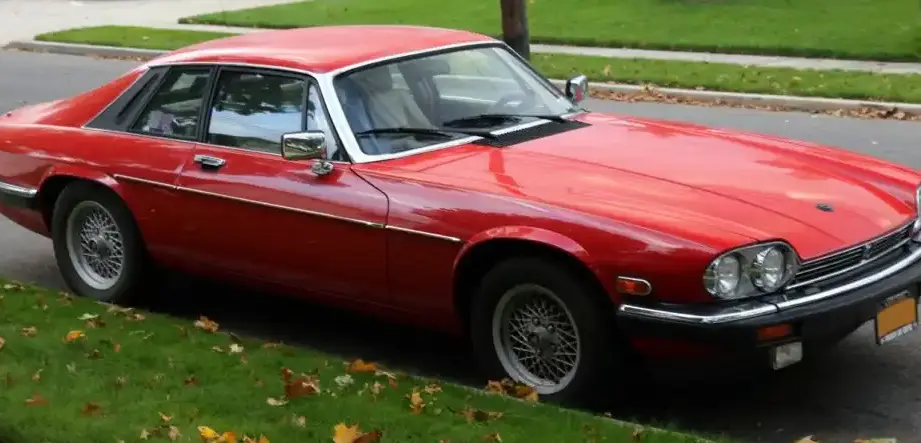
Technical Specifications
| Brand | Jaguar |
| Model | XJS |
| Generation | XJS Coupe |
| Type (Engine) | 3.6 (199 Hp) |
| Start of Production | 1988 |
| End of Production | 1991 |
| Powertrain Architecture | Internal Combustion Engine |
| Body Type | Coupe |
| Fuel Type | Petrol (Gasoline) |
| Power | 199 Hp |
| Engine Aspiration | Naturally Aspirated |
The Jaguar XJS Coupe 3.6, produced between 1988 and 1991, represented a significant evolution in the XJS lineage. Following the initial launch of the XJS in 1975, Jaguar sought to address criticisms regarding performance and modernize the model. The 3.6-liter variant was introduced as a direct response, aiming to provide a more spirited driving experience while retaining the XJS’s renowned luxury and grand touring capabilities. It occupied a middle ground in the XJS range, positioned above the base 2.9-liter models but below the higher-performance 4.0-liter and V12 versions. This model year saw refinements to the car’s aesthetics and mechanical components, solidifying its position as a desirable classic grand tourer.
Powertrain & Engine Architecture
The heart of the XJS 3.6 is the AJ6 inline-six engine, displacing 3.6 liters (3590 cc). This engine, a development of the earlier AJ6, featured a cast iron block with an aluminum cylinder head. It utilized a single overhead camshaft (SOHC) design operating four valves per cylinder. Fuel delivery was managed by Bosch Motronic fuel injection, a significant upgrade over the earlier Lucas systems used in the initial XJS models. This system provided more precise fuel metering, contributing to improved performance and emissions. The engine produced 199 horsepower at 5,500 rpm and 230 lb-ft of torque at 4,000 rpm. The 3.6-liter engine benefitted from a revised intake manifold and improved cylinder head design compared to the earlier 2.9-liter version, resulting in a noticeable increase in power and responsiveness. The AJ6 engine family was known for its smoothness and relatively compact size for a six-cylinder, allowing for a favorable weight distribution within the XJS chassis.
The XJS 3.6 was typically paired with a three-speed Chrysler TorqueFlite automatic transmission. While not known for its cutting-edge technology, the TorqueFlite was a robust and reliable unit. It featured a torque converter for smooth launches and gear changes. The transmission’s gear ratios were geared towards comfortable cruising rather than outright acceleration. A four-speed manual transmission was offered in some markets, particularly in Europe, but the automatic was by far the more common choice in North America, the XJS’s primary export market. The TorqueFlite’s simplicity contributed to its longevity, and it was often favored by owners seeking a hassle-free driving experience.
Driving Characteristics
The XJS 3.6 offered a distinctly different driving experience compared to its siblings. The 3.6-liter engine provided a good balance of power and refinement. While not as brutally fast as the V12 models, it offered sufficient performance for comfortable highway cruising and spirited backroad driving. The automatic transmission, while smooth, did detract somewhat from the driving experience, resulting in slightly slower acceleration times compared to the manual versions. The car’s weight (approximately 3,800 lbs) also played a role in its performance. The gear ratios of the TorqueFlite transmission were optimized for relaxed cruising, meaning that the engine didn’t always feel as responsive as it could be. However, the XJS 3.6 excelled as a grand tourer, offering a comfortable and refined ride, even at high speeds. The suspension absorbed bumps effectively, and the steering, while not overly sporty, provided adequate feedback.
Equipment & Trim Levels
The XJS 3.6 came reasonably well-equipped as standard. Leather upholstery was standard, as were power windows, power steering, and central locking. Air conditioning was also a standard feature. The interior featured wood veneer trim on the dashboard and door panels, adding to the car’s luxurious ambiance. Optional extras included a premium sound system, a sunroof, and heated seats. The XJS 3.6 typically featured a more refined interior trim than the base 2.9-liter models, with higher-quality leather and more extensive wood trim. Exterior options included a variety of paint colors and wheel designs. The level of equipment reflected Jaguar’s commitment to providing a luxurious experience, even in the mid-range XJS models.
Chassis & Braking
The XJS 3.6 utilized a monocoque chassis construction, providing a good balance of strength and rigidity. The suspension consisted of independent double wishbones at the front and a live axle with trailing arms at the rear. Anti-roll bars were fitted to both the front and rear axles to reduce body roll during cornering. Braking was provided by disc brakes all around, although some earlier models featured rear drum brakes. Power-assisted steering was standard, making the car relatively easy to maneuver, despite its size. The suspension was tuned for comfort, providing a smooth and compliant ride, but it also offered reasonable handling characteristics. The chassis design prioritized ride quality and stability, making the XJS a comfortable long-distance cruiser.
Market Reception & Comparison
The XJS 3.6 was generally well-received by automotive critics. It was praised for its improved performance compared to the 2.9-liter models, as well as its luxurious interior and comfortable ride. However, some critics noted that the automatic transmission detracted from the driving experience. Compared to the V12 models, the 3.6 offered a more affordable entry point into the XJS range, while still providing a respectable level of performance and luxury. Fuel economy was reasonable for a car of its size and type, averaging around 17 mpg in city driving and 23 mpg on the highway. Reliability was generally good, although the XJS, like many British cars of the era, could be prone to electrical gremlins. The 3.6 struck a balance between performance and cost, making it a popular choice for buyers who wanted a luxurious grand tourer without the expense of the V12.
Legacy
The Jaguar XJS 3.6 remains a popular classic car today. The 3.6-liter engine is considered to be one of the most reliable engines in the XJS range, and parts availability is generally good. The car’s elegant styling and luxurious interior continue to appeal to enthusiasts. Values for well-maintained examples have been steadily increasing in recent years. The XJS 3.6 represents a sweet spot in the XJS lineup, offering a good balance of performance, luxury, and affordability. It’s a testament to Jaguar’s enduring commitment to building stylish and refined grand tourers. While the automatic transmission may not be to everyone’s taste, the XJS 3.6 remains a desirable and rewarding classic car to own and drive. The relative simplicity of the 3.6 compared to the more complex V12 models has contributed to its enduring appeal among enthusiasts and restorers.
