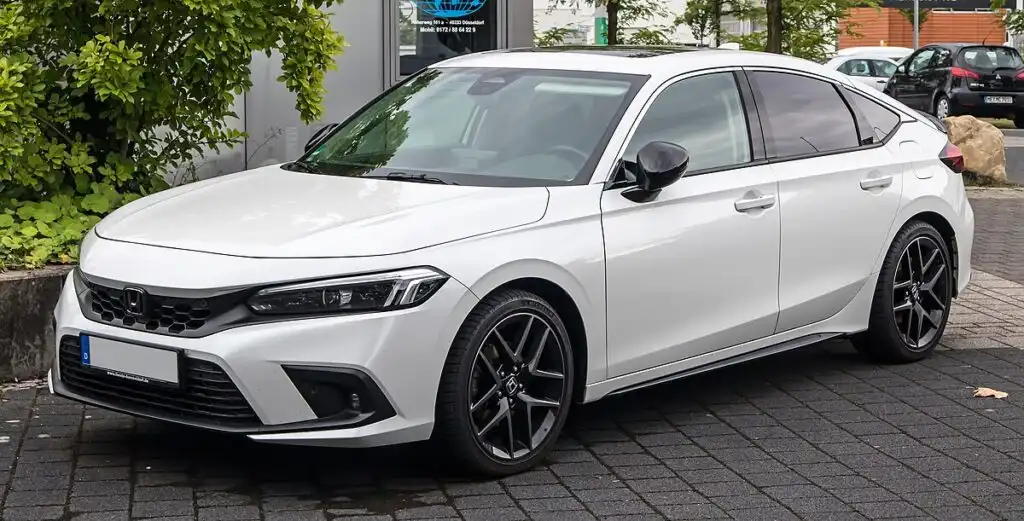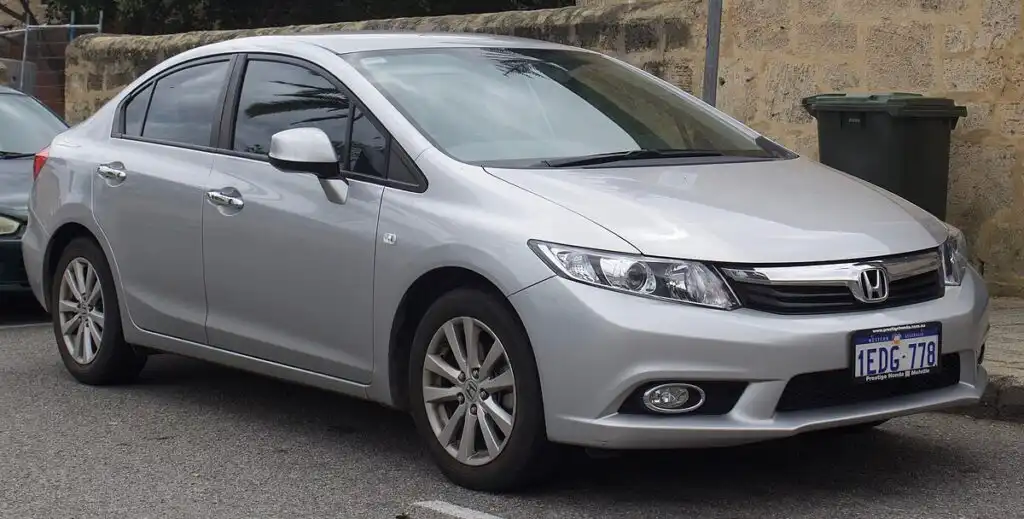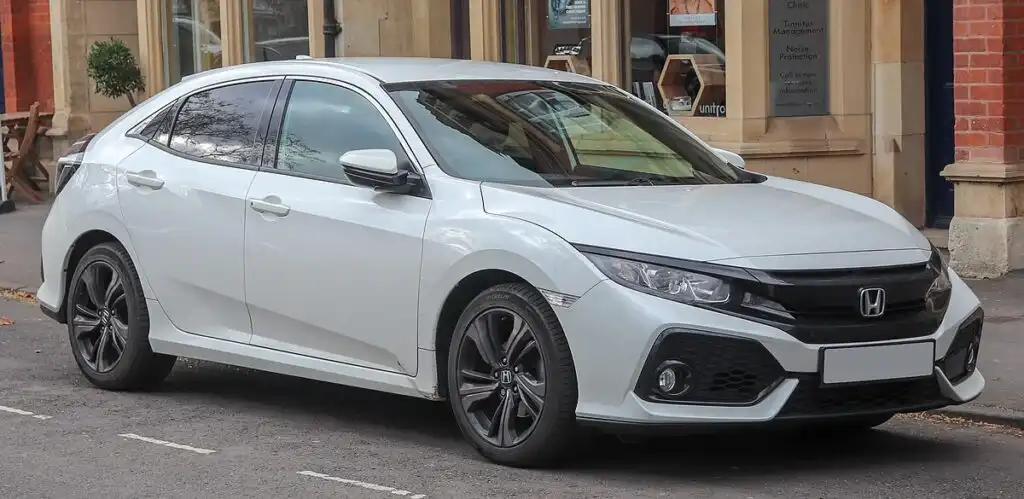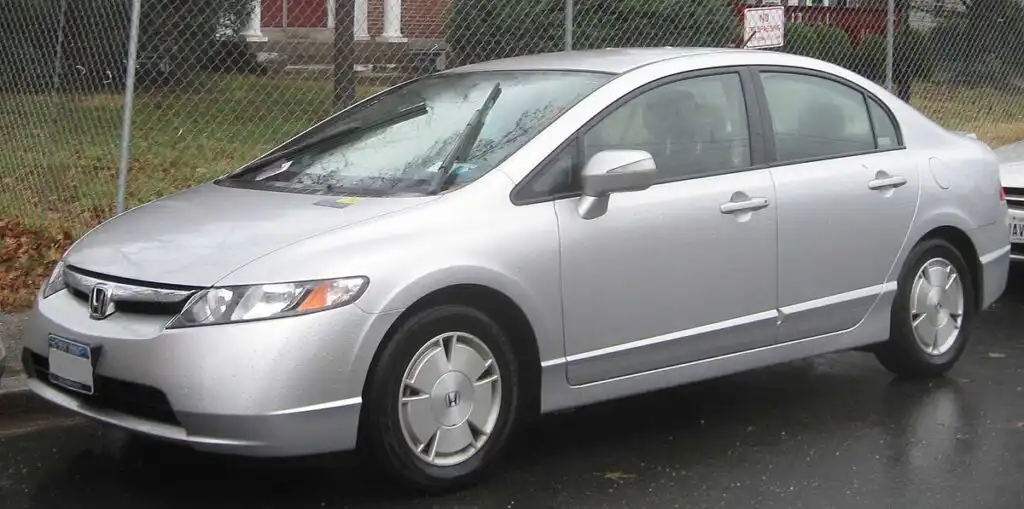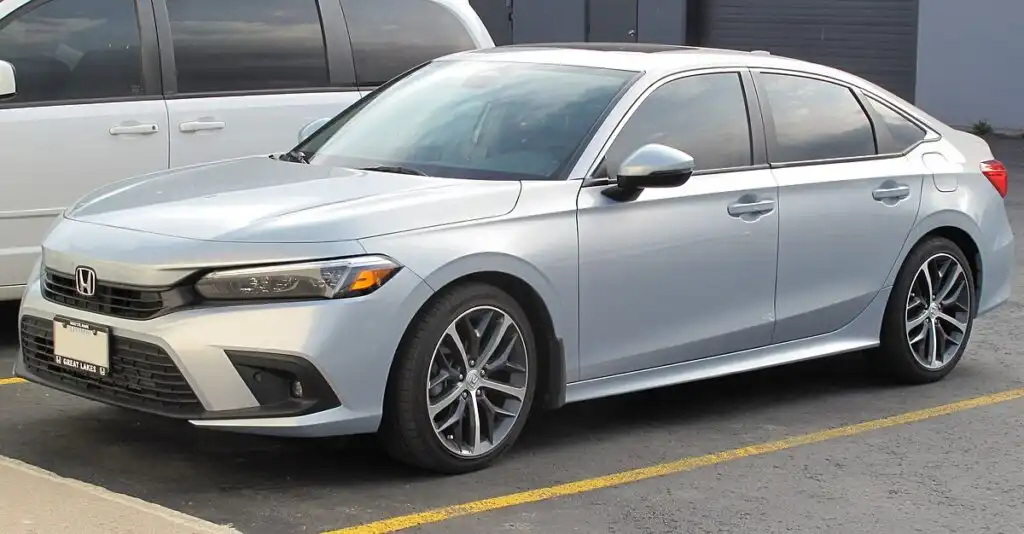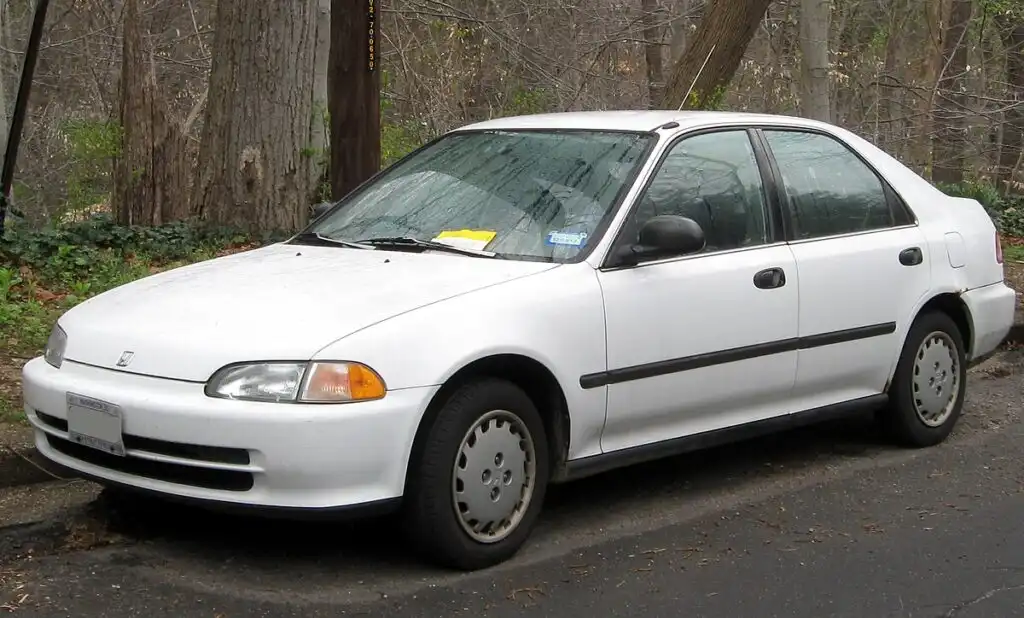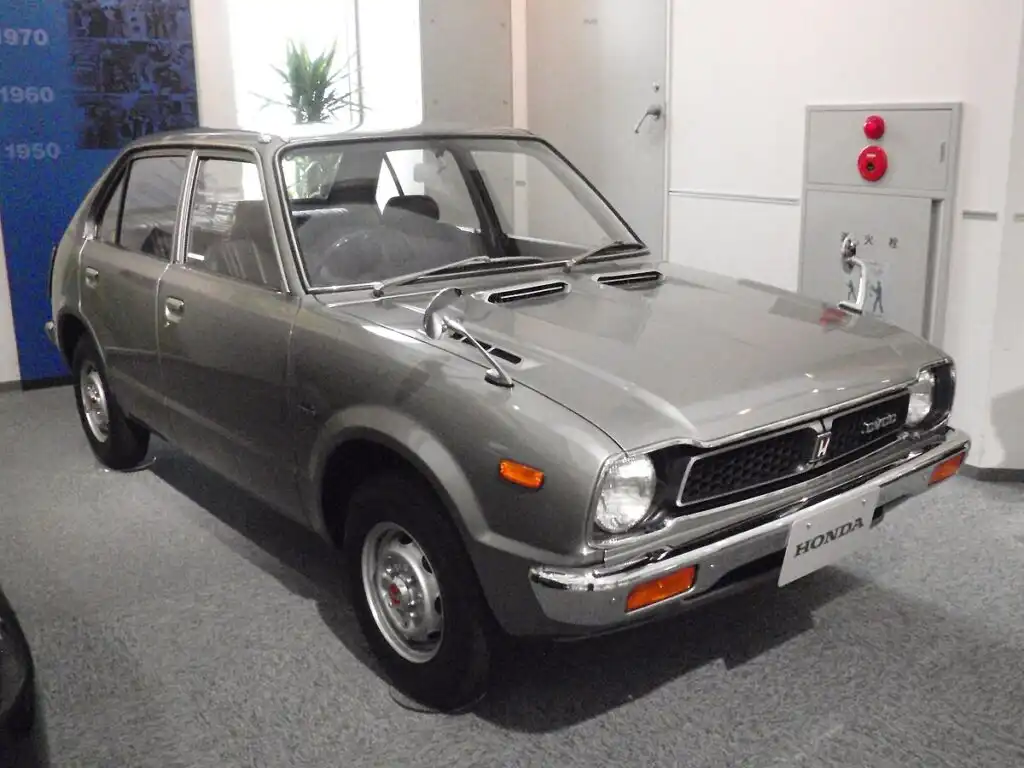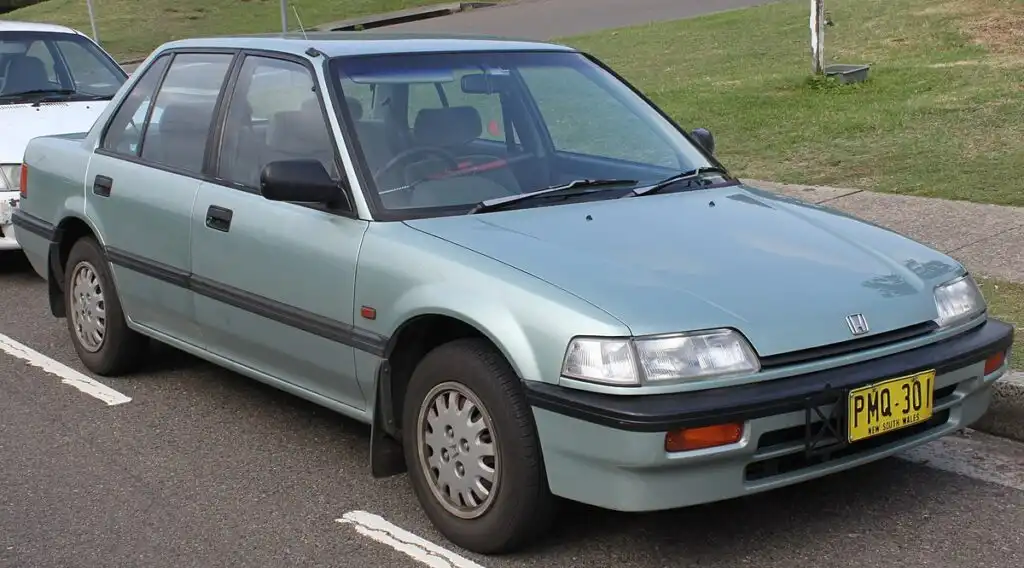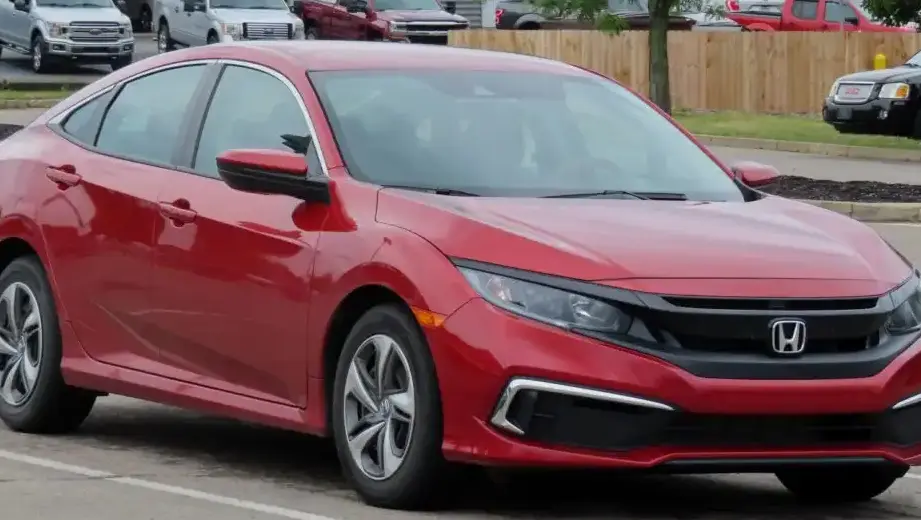
The Honda Civic X Sedan, specifically the 1.5T variant with a Continuously Variable Transmission (CVT), represents a significant step in the evolution of Honda’s popular compact car. Introduced with the facelift in 2018 and continuing through the 2021 model year, this version aimed to balance fuel efficiency with a more engaging driving experience than the base engine options. Positioned as a mid-range offering within the Civic X Sedan lineup, it slotted between the naturally aspirated 2.0-liter engine and the higher-performance trims. This model was primarily targeted towards the North American market, where fuel economy and practicality are highly valued, but with a desire for a more spirited driving experience than the base models could provide.
Technical Specifications
| Brand | Honda |
| Model | Civic |
| Generation | Civic X Sedan (facelift 2018) |
| Type (Engine) | 1.5T (174 Hp) CVT |
| Start of production | 2018 |
| End of production | 2021 |
| Powertrain Architecture | Internal Combustion engine |
| Body type | Sedan |
| Seats | 5 |
| Doors | 4 |
| Fuel consumption (economy) – urban (EPA) | 7.4 l/100 km (31.8 US mpg) |
| Fuel consumption (economy) – extra urban (EPA) | 5.6 l/100 km (42 US mpg) |
| Fuel consumption (economy) – combined (EPA) | 6.5 l/100 km (36.2 US mpg) |
| Fuel Type | Petrol (Gasoline) |
| Emission standard | LEV3-ULEV125; LEV3-SULEV30 |
| Weight-to-power ratio | 7.6 kg/Hp, 131.5 Hp/tonne |
| Weight-to-torque ratio | 6 kg/Nm, 166.3 Nm/tonne |
| Power | 174 Hp @ 6000 rpm |
| Power per litre | 116.2 Hp/l |
| Torque | 220 Nm @ 1700-5500 rpm (162.26 lb.-ft. @ 1700-5500 rpm) |
| Maximum engine speed | 6500 rpm |
| Engine layout | Front, Transverse |
| Engine Model/Code | L15B |
| Engine displacement | 1498 cm3 (91.41 cu. in.) |
| Number of cylinders | 4 |
| Engine configuration | Inline |
| Cylinder Bore | 73 mm (2.87 in.) |
| Piston Stroke | 89.5 mm (3.52 in.) |
| Compression ratio | 10.6:1 |
| Number of valves per cylinder | 4 |
| Fuel injection system | Direct injection |
| Engine aspiration | Turbocharger, Intercooler |
| Valvetrain | DOHC |
| Engine oil capacity | 3.5 l (3.7 US qt | 3.08 UK qt) |
| Coolant | 5.09 l (5.38 US qt | 4.48 UK qt) |
| Kerb Weight | 1323-1344 kg (2916.72 – 2963.01 lbs.) |
| Trunk (boot) space – minimum | 428 l (15.11 cu. ft.) |
| Fuel tank capacity | 47 l (12.42 US gal | 10.34 UK gal) |
| Length | 4641 mm (182.72 in.) |
| Width | 1801 mm (70.91 in.) |
| Width with mirrors folded | 1878 mm (73.94 in.) |
| Width including mirrors | 2087 mm (82.17 in.) |
| Height | 1415 mm (55.71 in.) |
| Wheelbase | 2700 mm (106.3 in.) |
| Front track | 1547 mm (60.91 in.) |
| Rear (Back) track | 1563 mm (61.54 in.) |
| Ride height (ground clearance) | 125 mm (4.92 in.) |
| Minimum turning circle (turning diameter) | 10.8-11.4 m (35.43 – 37.4 ft.) |
| Drivetrain Architecture | The Internal combustion engine (ICE) drives the front wheels of the vehicle. |
| Drive wheel | Front wheel drive |
| Number of gears and type of gearbox | automatic transmission CVT |
| Front suspension | Independent, type McPherson with coil spring and anti-roll bar |
| Rear suspension | Independent multi-link spring suspension with stabilizer |
| Front brakes | Ventilated discs, 282 mm |
| Rear brakes | Disc, 259 mm |
| Assisting systems | ABS (Anti-lock braking system) |
| Steering type | Steering rack and pinion |
| Power steering | Electric Steering |
| Tires size | 215/50 R17; 235/40 R18 |
| Wheel rims size | 7J x 17; 8J x 18 |
INTRODUCTION
The 2018-2021 Honda Civic X Sedan 1.5T CVT represents a key offering in Honda’s tenth-generation Civic lineup. Following the 2016 redesign of the Civic, the 2018 facelift brought subtle styling updates and refinements to the powertrain. The 1.5-liter turbocharged engine, designated as the L15B, was a relatively new addition to the Civic family, offering a balance between fuel efficiency and performance. The CVT transmission was chosen to maximize fuel economy, appealing to a broad range of buyers. This variant was a mainstay in the North American market, where compact sedans are a dominant segment, and where consumers prioritize both practicality and value.
Powertrain & Engine Architecture
At the heart of the 1.5T Civic is the L15B 1.5-liter inline-four cylinder engine. This engine utilizes direct injection and a single-scroll turbocharger with an intercooler to produce 174 horsepower at 6000 rpm and 177 lb-ft of torque between 1700 and 5500 rpm. The engine employs Honda’s Earth Dreams Technology, focusing on thermal efficiency and reduced friction. The direct injection system allows for precise fuel delivery, optimizing combustion and power output. The valvetrain features a Dual Overhead Cam (DOHC) configuration with four valves per cylinder, enhancing breathing and overall engine performance. The CVT transmission is a key component of this powertrain, offering seamless gear changes and contributing to the vehicle’s fuel efficiency. Unlike traditional stepped automatic transmissions, the CVT uses a belt and pulley system to provide a virtually infinite number of gear ratios, keeping the engine operating in its most efficient range.
Driving Characteristics
The 1.5T CVT Civic delivers a surprisingly responsive driving experience for a compact sedan with a CVT. While not as overtly sporty as the Civic Si or Type R, the turbocharger provides a noticeable boost in power, making merging onto highways and overtaking other vehicles relatively effortless. The CVT is programmed to mimic traditional gear shifts under hard acceleration, providing a more engaging feel. However, under lighter loads, the CVT operates smoothly and efficiently. Compared to the base 2.0-liter naturally aspirated engine, the 1.5T offers significantly more torque, resulting in quicker acceleration and a more confident feel. The CVT’s gear ratios are optimized for fuel economy, but can sometimes feel slightly less responsive than a traditional automatic transmission. The steering is light and precise, making the Civic easy to maneuver in urban environments.
Equipment & Trim Levels
The 1.5T CVT Civic typically came standard with a good level of equipment. Standard features generally included automatic climate control, a multi-angle rearview camera, Honda Sensing suite of safety features (including adaptive cruise control, lane keeping assist, and collision mitigation braking system), a 7-inch touchscreen infotainment system with Apple CarPlay and Android Auto compatibility, and LED headlights. Higher trim levels, such as the EX and Touring, added features like a sunroof, leather upholstery, heated front seats, and a premium audio system. Interior upholstery was typically cloth on the base 1.5T trims, with leather options available on higher trims. The dashboard layout was clean and modern, with a focus on usability and ergonomics.
Chassis & Braking
The Civic X Sedan utilizes a MacPherson strut front suspension and a multi-link rear suspension, providing a comfortable and controlled ride. The suspension is tuned to balance handling and ride quality, making it suitable for both daily commuting and longer road trips. Front brakes are ventilated discs, while rear brakes are solid discs. All trims equipped with the 1.5T engine came standard with Anti-lock Braking System (ABS) and Electronic Brake-force Distribution (EBD). Stabilizer bars are present on both the front and rear axles, helping to reduce body roll during cornering. The chassis is relatively lightweight, contributing to the Civic’s nimble handling characteristics.
Market Reception & Comparison
The 1.5T CVT Civic was generally well-received by automotive critics. It was praised for its fuel efficiency, comfortable ride, and spacious interior. The CVT transmission was a point of contention for some reviewers, with some finding it less engaging than a traditional automatic. However, the majority acknowledged its effectiveness in maximizing fuel economy. Compared to other compact sedans in its class, such as the Toyota Corolla and Mazda3, the Civic 1.5T offered a compelling combination of features, performance, and value. The Corolla typically prioritized reliability and fuel economy, while the Mazda3 focused on driving dynamics. The Civic 1.5T aimed to strike a balance between these two extremes.
Legacy
The L15B 1.5-liter turbocharged engine and the CVT transmission have proven to be relatively reliable in the Civic X Sedan. While some owners have reported minor issues with the CVT, such as occasional shuddering, these problems are generally not widespread. The engine itself is known for its durability and fuel efficiency. In the used car market, the 2018-2021 Civic 1.5T CVT remains a popular choice, offering a good balance of practicality, fuel economy, and features. Its reputation for reliability and Honda’s strong brand image contribute to its continued desirability. The 1.5T engine and CVT combination set a benchmark for fuel efficiency and performance in the compact sedan segment, influencing the design and development of subsequent generations of compact cars.