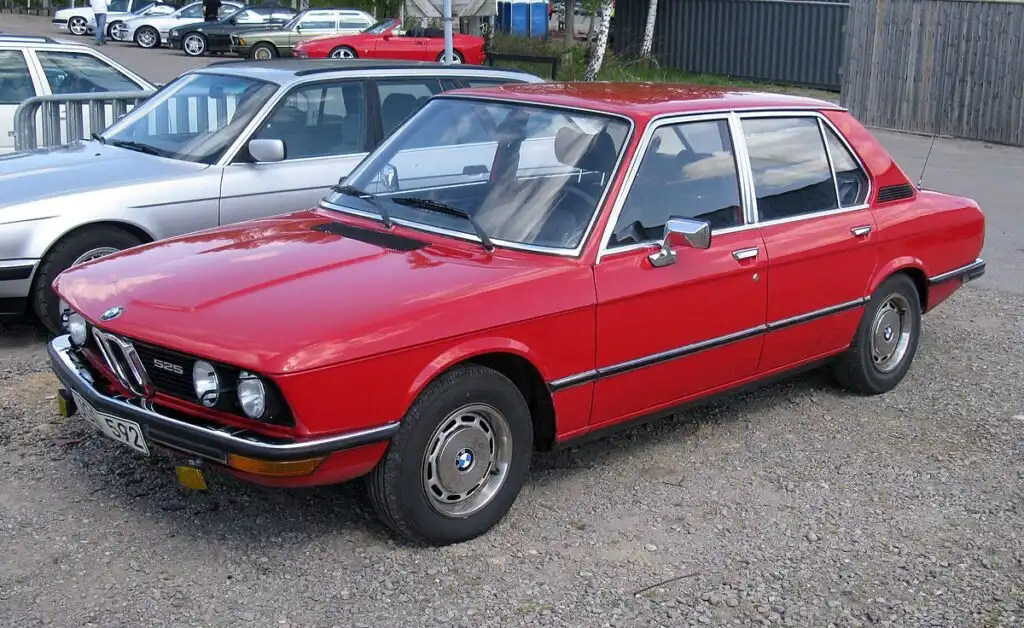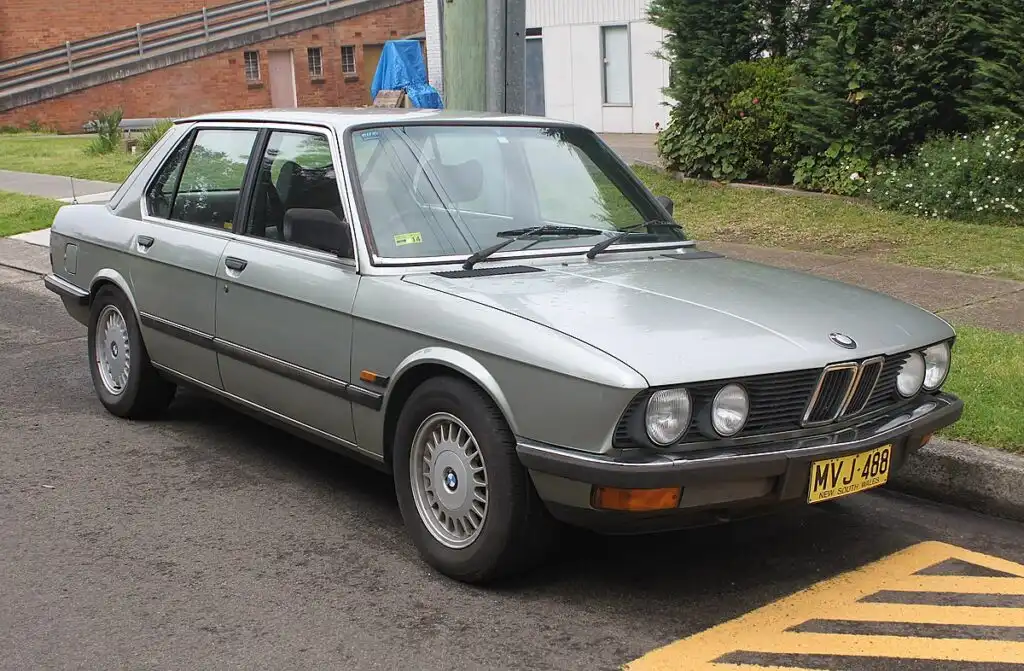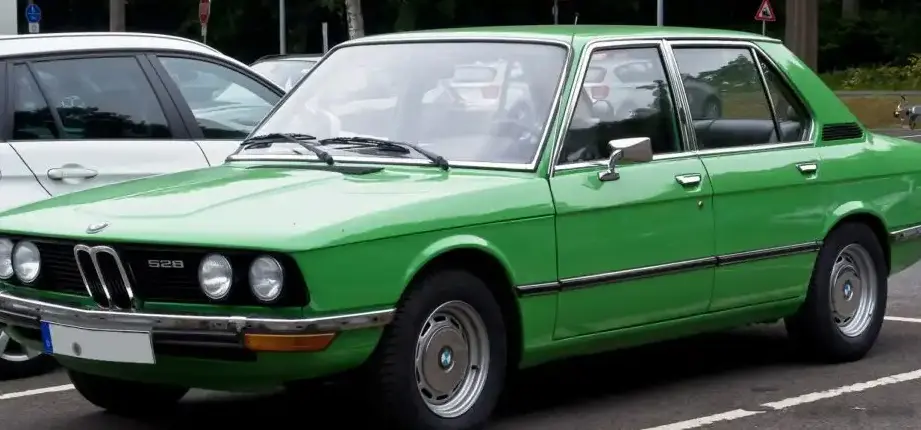
The BMW 5 Series E12 520i, produced between 1972 and 1975, represented a pivotal entry point into the Neue Klasse-derived 5 Series range. Positioned as the base model, the 520i offered a blend of BMW’s renowned driving dynamics and relative affordability, making it a popular choice for buyers seeking a premium sedan. It was the first generation of the 5 Series, replacing the ‘New Class’ sedans and establishing a new benchmark for sporting sedans in the mid-size segment. The E12 chassis code designates this first generation, and the 520i specifically denoted the 2.0-liter engine variant.
Technical Specifications
| Brand | BMW |
| Model | 5 Series |
| Generation | 5 Series (E12) |
| Type (Engine) | 520i (130 Hp) |
| Start of production | 1972 |
| End of production | 1975 |
| Powertrain Architecture | Internal Combustion engine |
| Body type | Sedan |
| Seats | 5 |
| Doors | 4 |
| Fuel consumption (combined) | 9.9 l/100 km |
| Fuel consumption (US mpg) | 23.8 US mpg |
| Fuel consumption (UK mpg) | 28.5 UK mpg |
| Fuel consumption (km/l) | 10.1 km/l |
| Fuel Type | Petrol (Gasoline) |
| Acceleration 0 – 100 km/h | 11.1 sec |
| Acceleration 0 – 62 mph | 11.1 sec |
| Acceleration 0 – 60 mph | 10.5 sec |
| Maximum speed | 183 km/h (113.71 mph) |
| Weight-to-power ratio | 9.6 kg/Hp, 104 Hp/tonne |
| Weight-to-torque ratio | 6.9 kg/Nm, 144.8 Nm/tonne |
| Power | 130 Hp @ 5800 rpm |
| Power per litre | 65.3 Hp/l |
| Torque | 181 Nm @ 4500 rpm (133.5 lb.-ft. @ 4500 rpm) |
| Engine layout | Front, Longitudinal |
| Engine Model/Code | M10B20 |
| Engine displacement | 1990 cm3 (121.44 cu. in.) |
| Number of cylinders | 4 |
| Engine configuration | Inline |
| Compression ratio | 9.7:1 |
| Number of valves per cylinder | 2 |
| Fuel injection system | Multi-port manifold injection |
| Engine aspiration | Naturally aspirated engine |
| Engine oil capacity | 4.25 l (4.49 US qt | 3.74 UK qt) |
| Kerb Weight | 1250 kg (2755.78 lbs) |
| Trunk (boot) space – minimum | 440 l (15.54 cu. ft) |
| Fuel tank capacity | 70 l (18.49 US gal | 15.4 UK gal) |
| Length | 4620 mm (181.89 in) |
| Width | 1690 mm (66.54 in) |
| Height | 1425 mm (56.1 in) |
| Wheelbase | 2636 mm (103.78 in) |
| Front track | 1406 mm (55.35 in) |
| Rear (Back) track | 1442 mm (56.77 in) |
| Ride height (ground clearance) | 140 mm (5.51 in) |
| Drivetrain Architecture | The Internal combustion engine (ICE) drives the rear wheels of the vehicle. |
| Drive wheel | Rear wheel drive |
| Number of gears and type of gearbox | 4 gears, manual transmission |
| Front brakes | Disc |
| Rear brakes | Drum |
Powertrain & Engine Architecture
The heart of the 520i was the BMW M10B20 engine, a 1,990cc inline-four cylinder unit. This engine was a further development of the M10 family, known for its robust construction and willingness to rev. The ‘B20’ designation indicated the engine’s displacement. It featured a cast iron block and an aluminum cylinder head, employing a Solex 32 PHN dual-barrel carburetor for fuel delivery. The M10B20 utilized a single overhead camshaft (SOHC) operating two valves per cylinder. The engine produced 130 horsepower at 5,800 rpm and 181 Nm (133.5 lb-ft) of torque at 4,500 rpm. The 520i was exclusively offered with a four-speed manual transmission, sending power to the rear wheels. This transmission was known for its precise shift quality, a hallmark of BMW engineering.
Driving Characteristics
The 520i, with its 130 hp and four-speed manual, offered a balanced driving experience. While not as overtly sporty as the six-cylinder 525 or 530i models, it provided ample power for everyday driving and comfortable cruising. Acceleration from 0 to 60 mph took around 10.5 seconds, and it could achieve a top speed of 113.71 mph. The relatively light weight of the 520i (approximately 2,756 lbs) contributed to its nimble handling. The manual transmission allowed for precise control, and the rear-wheel-drive layout provided a classic BMW driving feel. Compared to the higher-powered variants, the 520i’s power delivery was more linear, making it easier to modulate in various driving conditions. The gear ratios were well-chosen for both city and highway driving, offering a good balance between acceleration and fuel economy.
Equipment & Trim Levels
The 520i was typically equipped with cloth upholstery, though vinyl options were available. The dashboard featured a straightforward layout with analog gauges for speed, tachometer, fuel level, and coolant temperature. Standard features included power-assisted front disc brakes, a four-spoke steering wheel, and basic exterior trim. Optional extras included a sunroof, air conditioning, upgraded audio systems, and power windows. The interior trim was generally functional and durable, reflecting the car’s positioning as an entry-level luxury sedan. The 520i aimed for a comfortable and practical interior rather than outright opulence.
Chassis & Braking
The E12 5 Series featured a MacPherson strut front suspension and a semi-trailing arm rear suspension. The 520i utilized a smaller diameter stabilizer bar compared to the higher-spec models. Braking was handled by disc brakes at the front and drum brakes at the rear. The braking system was adequate for the car’s weight and performance, providing reliable stopping power. The suspension setup prioritized ride comfort and handling balance, offering a good compromise between the two. The relatively simple suspension design contributed to the car’s ease of maintenance.
Market Reception & Comparison
The 520i was well-received by automotive critics as a capable and well-rounded sedan. It was praised for its handling, build quality, and fuel efficiency. However, some reviewers noted that it lacked the outright performance of the six-cylinder models. Compared to the 525 and 530i, the 520i offered a more affordable entry point into the 5 Series range, appealing to a broader audience. Its fuel economy of around 23.8 US mpg was competitive for the time. The 520i’s reliability was generally good, although maintenance costs could be higher than some contemporary rivals due to its BMW heritage.
Legacy
The E12 5 Series, and the 520i in particular, established the 5 Series as a benchmark for sporting sedans. The M10 engine proved to be remarkably durable, and many examples are still on the road today. The 520i remains a popular choice among classic BMW enthusiasts, offering a relatively affordable way to experience the driving dynamics of the early 5 Series. While not as sought-after as the six-cylinder models, well-maintained 520i examples are appreciating in value. The car’s simple mechanical design makes it relatively easy to maintain and repair, contributing to its enduring appeal. The E12 520i represents a significant chapter in BMW’s history, laying the foundation for the successful 5 Series lineage that continues to this day.