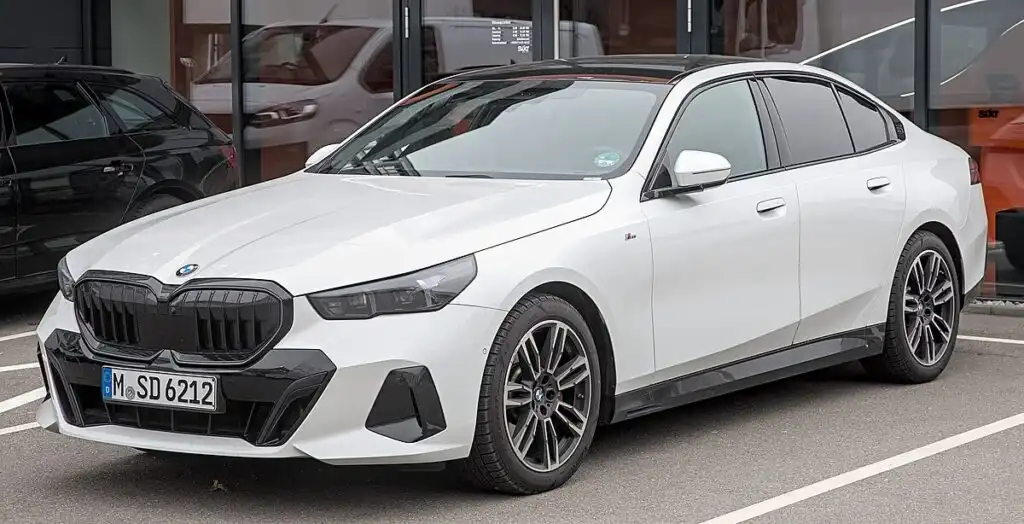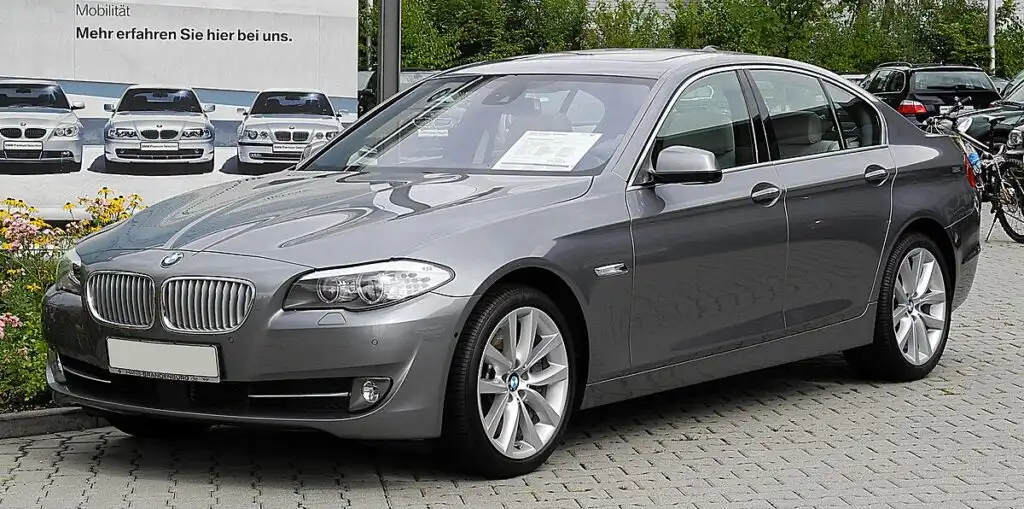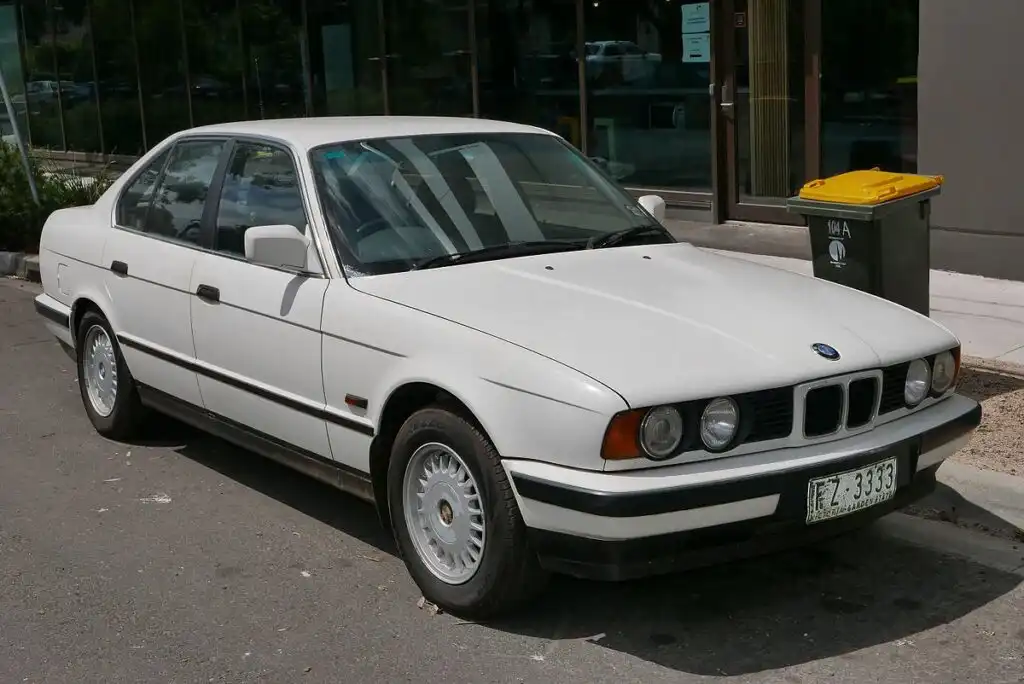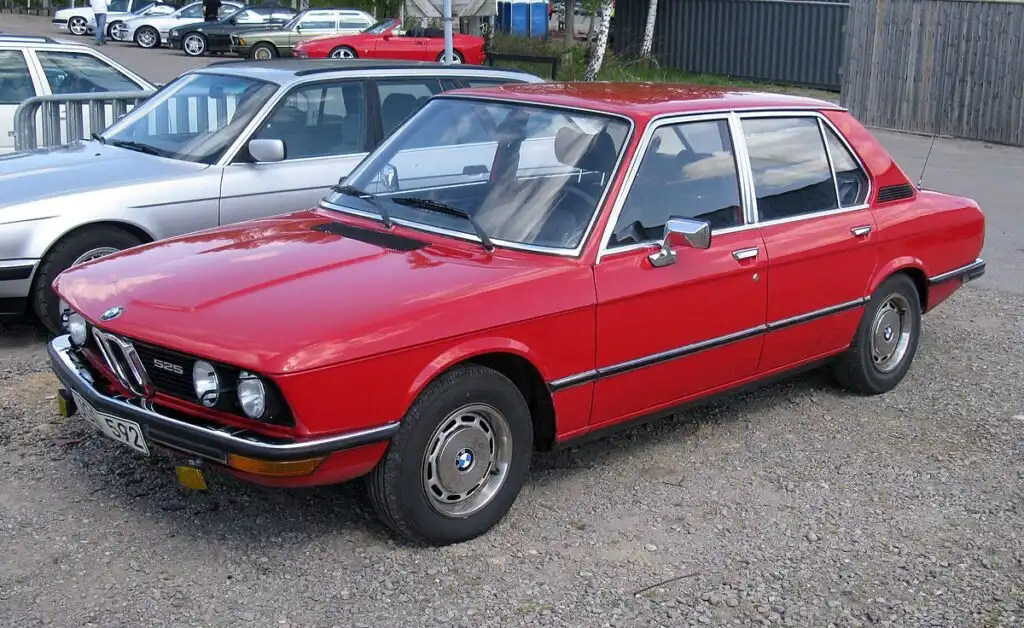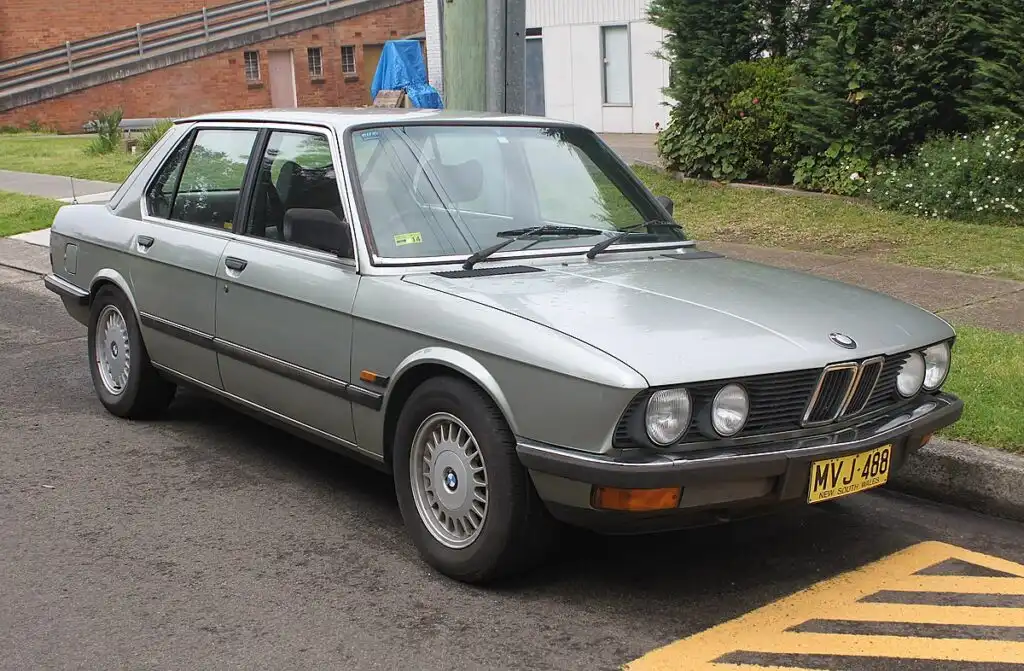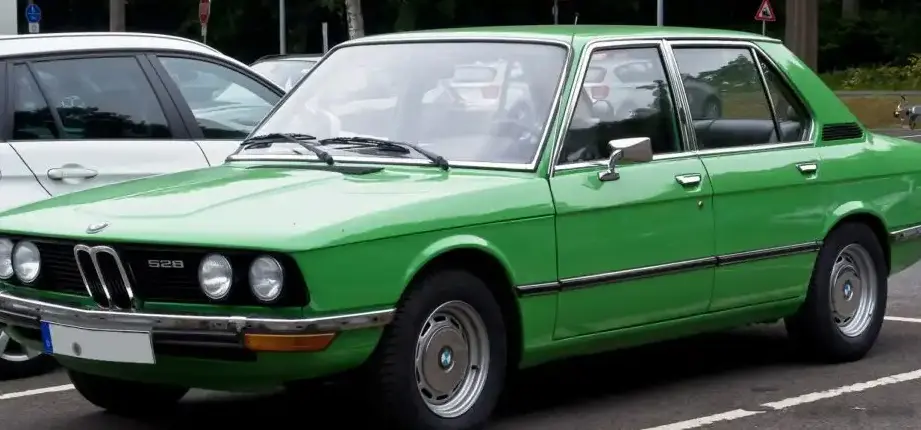
The BMW 528, produced between 1974 and 1976, represents a pivotal model within the first generation (E12) of the BMW 5 Series. Positioned as the performance variant of the E12 lineup, it offered a significant step up in power and refinement compared to the base 520 model. The 528 was BMW’s response to growing demand for a sporting sedan that combined luxury with engaging driving dynamics, establishing a formula that would define the 5 Series for decades to come. It was primarily marketed towards buyers in Europe and North America seeking a premium, driver-focused vehicle.
Technical Specifications
| Brand | BMW |
| Model | 5 Series |
| Generation | 5 Series (E12) |
| Type (Engine) | 528 (165 Hp) |
| Start of production | 1974 |
| End of production | 1976 |
| Powertrain Architecture | Internal Combustion engine |
| Body type | Sedan |
| Seats | 5 |
| Doors | 4 |
| Fuel consumption (combined) | 10.8 l/100 km |
| Fuel consumption (US mpg) | 21.8 |
| Fuel consumption (UK mpg) | 26.2 |
| Fuel consumption (km/l) | 9.3 |
| Fuel Type | Petrol (Gasoline) |
| Acceleration 0 – 100 km/h | 9.5 sec |
| Acceleration 0 – 62 mph | 9.5 sec |
| Acceleration 0 – 60 mph | 9 sec |
| Maximum speed | 198 km/h (123.03 mph) |
| Weight-to-power ratio | 8.4 kg/Hp |
| Weight-to-torque ratio | 5.8 kg/Nm |
| Power | 165 Hp @ 5800 rpm |
| Power per litre | 59.2 Hp/l |
| Torque | 238 Nm @ 4000 rpm (175.54 lb.-ft. @ 4000 rpm) |
| Engine layout | Front, Longitudinal |
| Engine Model/Code | M30B28 |
| Engine displacement | 2788 cm3 (170.13 cu. in.) |
| Number of cylinders | 6 |
| Engine configuration | Inline |
| Cylinder Bore | 86 mm (3.39 in.) |
| Piston Stroke | 80 mm (3.15 in.) |
| Number of valves per cylinder | 2 |
| Fuel injection system | Carburettor |
| Engine aspiration | Naturally aspirated |
| Engine oil capacity | 5.8 l (6.13 US qt | 5.1 UK qt) |
| Kerb Weight | 1385 kg (3053.4 lbs.) |
| Max. weight | 1840 kg (4056.51 lbs.) |
| Max load | 455 kg (1003.1 lbs.) |
| Trunk (boot) space – minimum | 440 l (15.54 cu. ft.) |
| Fuel tank capacity | 70 l (18.49 US gal | 15.4 UK gal) |
| Length | 4620 mm (181.89 in.) |
| Width | 1690 mm (66.54 in.) |
| Height | 1425 mm (56.1 in.) |
| Wheelbase | 2636 mm (103.78 in.) |
| Front track | 1406 mm (55.35 in.) |
| Rear (Back) track | 1442 mm (56.77 in.) |
| Ride height (ground clearance) | 139 mm (5.47 in.) |
| Drivetrain Architecture | Rear wheel drive |
| Drive wheel | Rear wheel drive |
| Number of gears | 4 |
| Type of gearbox | Manual transmission |
| Front brakes | Disc |
| Rear brakes | Disc |
| Tires size | 195/70 R14 |
| Wheel rims size | 14 |
Powertrain & Engine Architecture
The heart of the 528 is the M30B28 engine, a 2.8-liter inline-six cylinder powerplant. This engine, a cornerstone of BMW’s engineering prowess during the 1970s, featured a cast-iron block and an aluminum cylinder head. Unlike later BMW engines, the M30B28 utilized a Solex 32 PHH carburetor for fuel delivery, a design choice reflecting the emissions regulations and technological norms of the era. The engine boasted a relatively high 9.5:1 compression ratio, contributing to its respectable power output. The valvetrain employed a single overhead camshaft (SOHC) operating two valves per cylinder. The four-speed manual transmission was standard, providing a direct connection between the engine and the rear wheels. The longitudinal engine layout and rear-wheel drive configuration were hallmarks of BMW’s commitment to driving dynamics.
Driving Characteristics
The 528 offered a noticeably more spirited driving experience than the base 520. The increased horsepower and torque allowed for quicker acceleration and more confident passing maneuvers. While 0-60 mph times hovered around 9 seconds, the engine’s responsiveness and the well-tuned chassis made the car feel faster than the numbers suggest. The four-speed manual transmission provided precise gear changes, allowing drivers to fully exploit the engine’s powerband. Compared to later, more technologically advanced BMWs, the 528’s steering felt direct and communicative, providing a satisfying level of driver feedback. The suspension, while relatively simple by modern standards, offered a good balance between comfort and handling.
Equipment & Trim Levels
The 528 was generally well-equipped for its time, though options were available to further enhance the luxury and convenience. Standard features typically included cloth upholstery, a basic radio, and manual windows. Higher trim levels offered upgrades such as leather upholstery, power windows, and a more sophisticated sound system. Air conditioning was a popular option, as was a sunroof. The interior design was functional and understated, reflecting BMW’s focus on driver ergonomics. The dashboard layout was clean and straightforward, with clearly marked gauges and controls.
Chassis & Braking
The E12 5 Series featured a robust chassis with independent suspension at the front and a semi-trailing arm suspension at the rear. The 528 benefited from slightly stiffer springs and dampers compared to the 520, enhancing its handling capabilities. Disc brakes were fitted to all four wheels, providing ample stopping power. The braking system was not equipped with ABS, which was still a relatively new technology at the time. The 195/70 R14 tires provided adequate grip for the car’s performance level.
Market Reception & Comparison
The 528 was generally well-received by automotive critics, who praised its performance, handling, and build quality. It was often compared favorably to its rivals, such as the Mercedes-Benz W114 and the Audi 100. While the 528 offered more performance than the base 520, it also came with a higher price tag. The 520 was aimed at buyers prioritizing fuel economy and affordability, while the 528 catered to those seeking a more engaging driving experience. Fuel economy for the 528 was rated at approximately 21.8 US mpg, which was reasonable for a performance sedan of its era. Reliability was generally good, though maintenance costs could be higher due to the complexity of the engine and the availability of parts.
Legacy
The BMW 528 (E12) holds a significant place in BMW’s history as a pioneering model that established the 5 Series as a benchmark for sporting sedans. The M30B28 engine proved to be a durable and reliable powerplant, and many examples are still on the road today. In the used car market, well-maintained 528s are sought after by enthusiasts and collectors. While parts availability can be a challenge, the car’s relatively simple mechanical design makes it a rewarding project for those willing to invest the time and effort. The E12 5 Series, and the 528 in particular, represents a golden age of BMW engineering, combining classic styling, robust construction, and engaging driving dynamics.