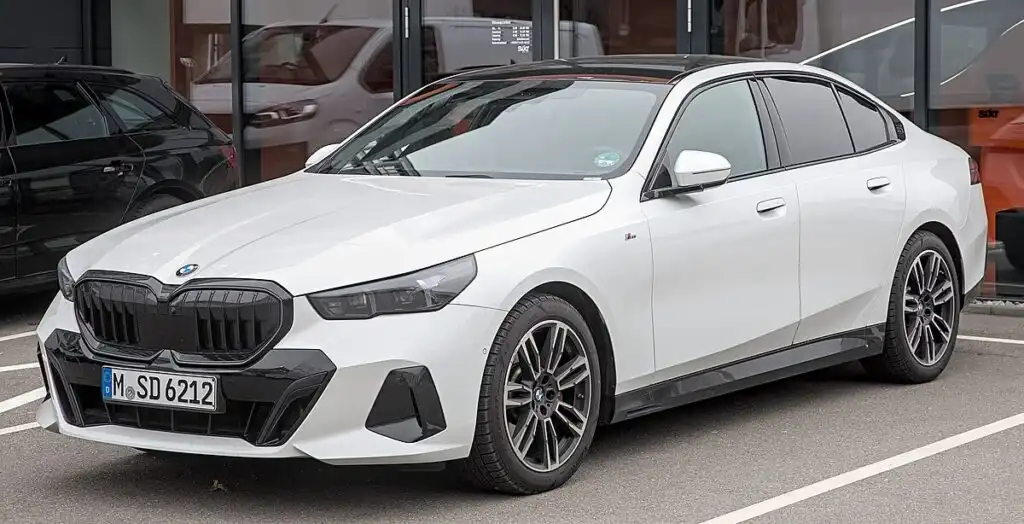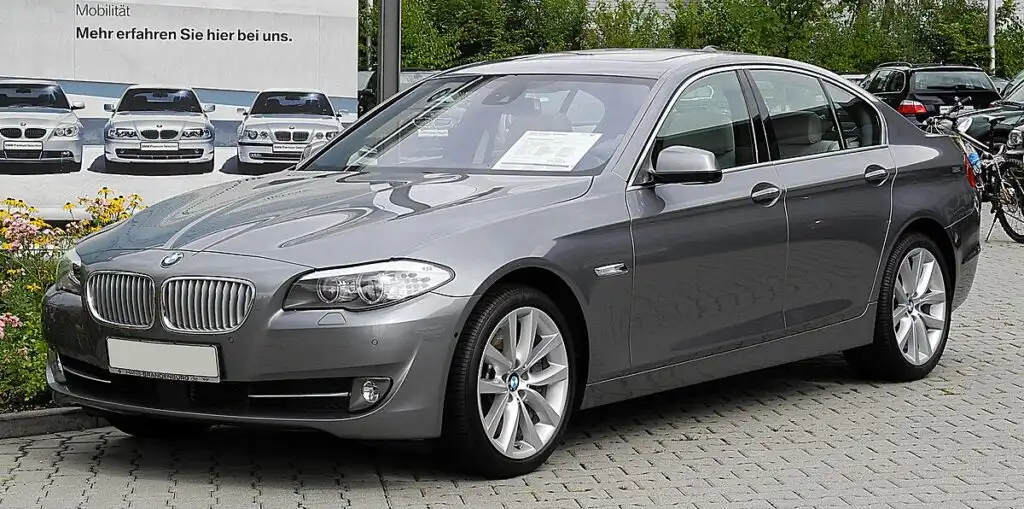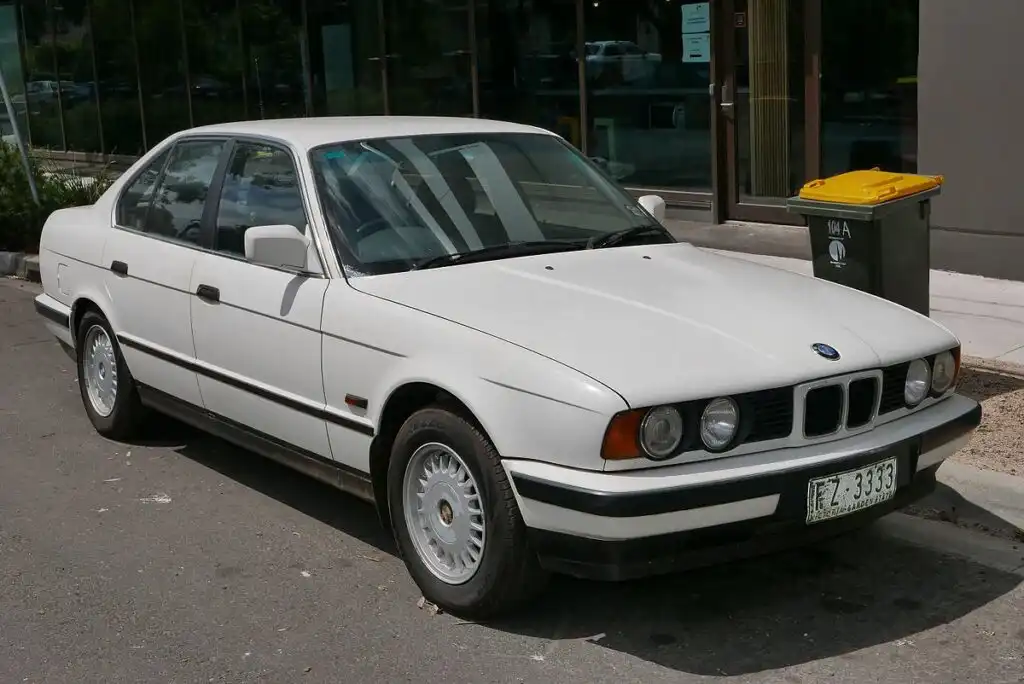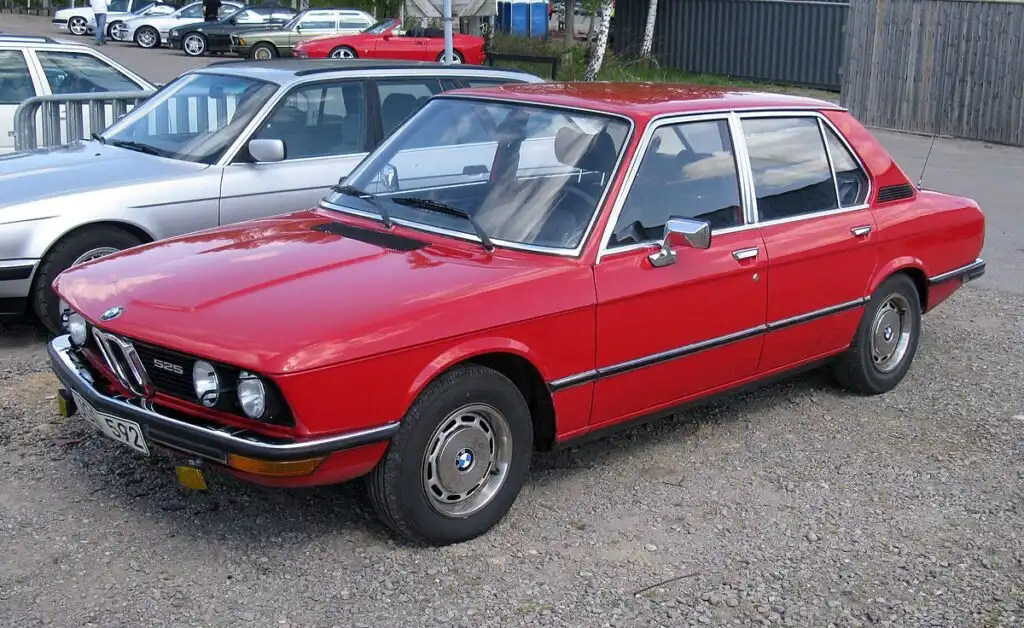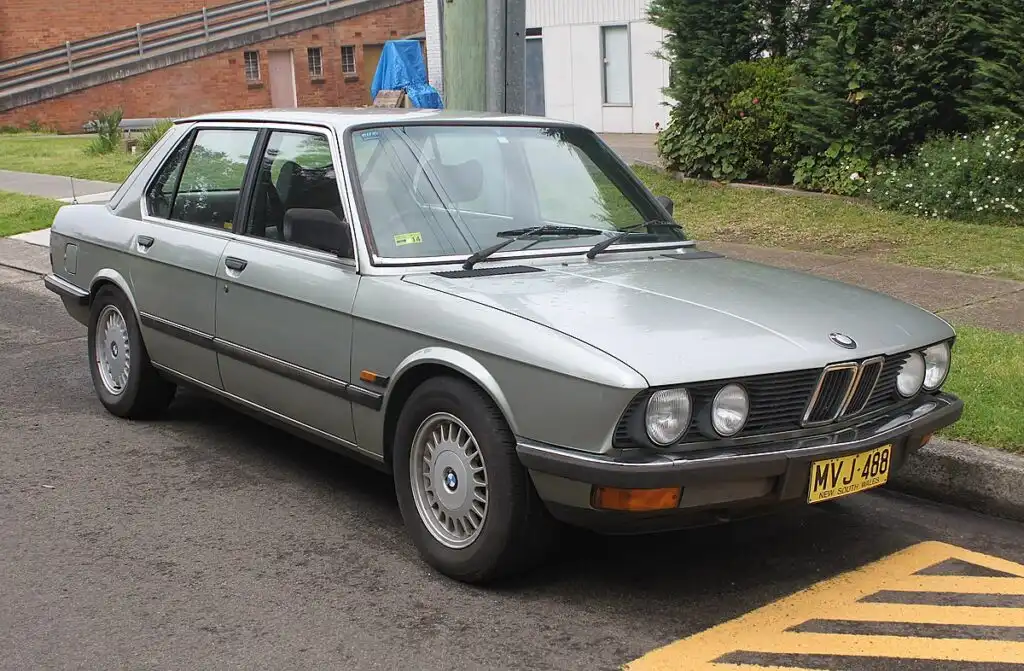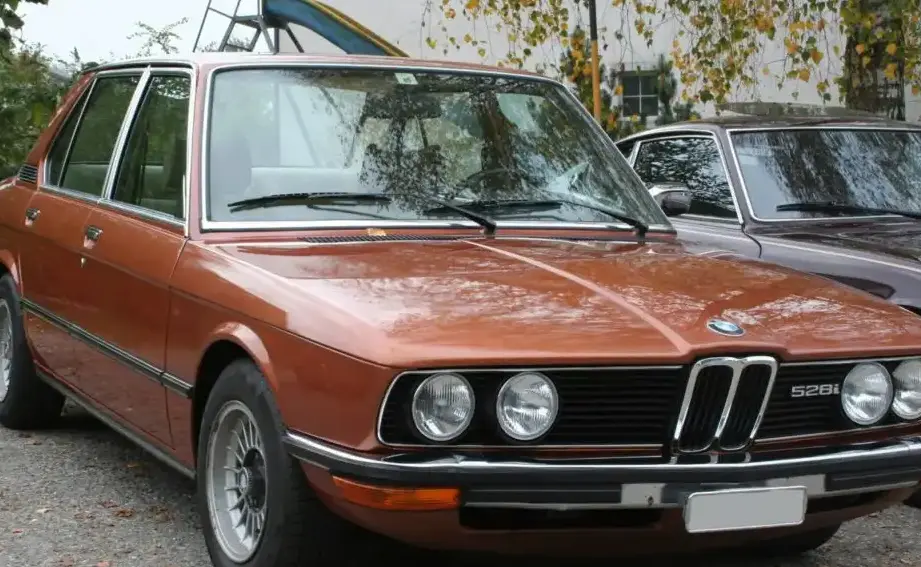
The BMW 520, produced between 1977 and 1981, was a key variant within the E12 generation of the BMW 5 Series. Representing the entry point into the 5 Series range during its facelifted iteration (following the initial 1972 launch), the 520 offered a blend of BMW’s renowned driving dynamics with a more economical engine option. It was positioned as a practical and comfortable sedan, appealing to buyers who prioritized fuel efficiency and a smooth ride over outright performance. The E12 platform, known for its robust engineering and relatively lightweight construction, provided a solid foundation for the 520, establishing a reputation for reliability that endures even today.
Technical Specifications
| Brand | BMW |
| Model | 5 Series |
| Generation | 5 Series (E12, Facelift 1976) |
| Type (Engine) | 520 (122 Hp) |
| Start of production | 1977 |
| End of production | 1981 |
| Powertrain Architecture | Internal Combustion engine |
| Body type | Sedan |
| Seats | 5 |
| Doors | 4 |
| Fuel consumption (economy) – combined | 10.3 l/100 km |
| Fuel consumption (economy) – combined | 22.8 US mpg |
| Fuel consumption (economy) – combined | 27.4 UK mpg |
| Fuel consumption (economy) – combined | 9.7 km/l |
| Fuel Type | Petrol (Gasoline) |
| Acceleration 0 – 100 km/h | 12.4 sec |
| Acceleration 0 – 62 mph | 12.4 sec |
| Acceleration 0 – 60 mph | 11.8 sec |
| Maximum speed | 180 km/h |
| Maximum speed | 111.85 mph |
| Weight-to-power ratio | 10.7 kg/Hp |
| Weight-to-power ratio | 93.1 Hp/tonne |
| Weight-to-torque ratio | 8.2 kg/Nm |
| Weight-to-torque ratio | 122.1 Nm/tonne |
| Power | 122 Hp @ 6000 rpm |
| Power per litre | 61.3 Hp/l |
| Torque | 160 Nm @ 4000 rpm |
| Torque | 118.01 lb.-ft. @ 4000 rpm |
| Engine layout | Front, Longitudinal |
| Engine Model/Code | M20B20VE |
| Engine displacement | 1990 cm3 |
| Engine displacement | 121.44 cu. in. |
| Number of cylinders | 6 |
| Engine configuration | Inline |
| Cylinder Bore | 80 mm |
| Cylinder Bore | 3.15 in. |
| Piston Stroke | 66 mm |
| Piston Stroke | 2.6 in. |
| Number of valves per cylinder | 2 |
| Fuel injection system | Multi-port manifold injection |
| Engine aspiration | Naturally aspirated engine |
| Engine oil capacity | 4.25 l |
| Engine oil capacity | 4.49 US qt | 3.74 UK qt |
| Kerb Weight | 1310 kg |
| Kerb Weight | 2888.06 lbs. |
| Trunk (boot) space – minimum | 440 l |
| Trunk (boot) space – minimum | 15.54 cu. ft. |
| Fuel tank capacity | 70 l |
| Fuel tank capacity | 18.49 US gal | 15.4 UK gal |
| Length | 4620 mm |
| Length | 181.89 in. |
| Width | 1690 mm |
| Width | 66.54 in. |
| Height | 1425 mm |
| Height | 56.1 in. |
| Wheelbase | 2636 mm |
| Wheelbase | 103.78 in. |
| Front track | 1406 mm |
| Front track | 55.35 in. |
| Rear (Back) track | 1442 mm |
| Rear (Back) track | 56.77 in. |
| Ride height (ground clearance) | 140 mm |
| Ride height (ground clearance) | 5.51 in. |
| Drivetrain Architecture | The Internal combustion engine (ICE) drives the rear wheels of the vehicle. |
| Drive wheel | Rear wheel drive |
| Number of gears and type of gearbox | 5 gears, manual transmission |
| Front brakes | Disc |
| Rear brakes | Drum |
Powertrain & Engine Architecture
The heart of the 520 was the M20B20VE engine, a 2.0-liter inline-six cylinder powerplant. This engine was a significant development for BMW, representing a move towards more fuel-efficient designs without sacrificing the smooth power delivery characteristic of the brand. The M20 featured a cast iron block and an aluminum cylinder head, employing a single overhead camshaft (SOHC) design with two valves per cylinder. Fuel delivery was managed by a Bosch K-Jetronic multi-port fuel injection system, a sophisticated system for its time that contributed to improved fuel economy and reduced emissions. The engine produced 122 horsepower at 6000 rpm and 160 Nm (118 lb-ft) of torque at 4000 rpm. The 520 was exclusively offered with a 5-speed manual transmission, providing a direct connection between the engine and the rear wheels.
Driving Characteristics
The 520, with its 2.0-liter engine and manual transmission, offered a distinctly different driving experience compared to its larger-engined siblings, such as the 528 or 530i. Acceleration was respectable, with a 0-60 mph time of around 11.8 seconds, but it wasn’t designed for outright speed. Instead, the 520 excelled in providing a smooth, refined, and engaging driving experience. The engine’s torque curve was relatively flat, making it easy to drive in everyday traffic. The manual gearbox, while not particularly sporty in its ratios, was precise and well-weighted. The E12 chassis, known for its balanced handling, allowed the 520 to feel nimble and responsive, especially on winding roads. Compared to the automatic transmissions offered on other 5 Series models, the manual gearbox in the 520 provided a more direct and connected feel, enhancing driver involvement.
Equipment & Trim Levels
The 520 typically came with a fairly basic level of equipment, reflecting its position as the entry-level model. Standard features included cloth upholstery, basic instrumentation, and manual windows and door locks. However, buyers could opt for a range of optional extras, including power windows, central locking, a sunroof, and upgraded audio systems. Interior trim options were relatively limited, with a focus on durable and practical materials. The dashboard layout was functional and straightforward, prioritizing ease of use over elaborate styling. The 520 was often chosen by buyers who valued practicality and reliability over luxury features.
Chassis & Braking
The E12 5 Series featured a robust chassis with independent suspension at all four wheels. The front suspension utilized MacPherson struts, while the rear employed a semi-trailing arm design. This setup provided a good balance between ride comfort and handling precision. The 520 was equipped with disc brakes at the front and drum brakes at the rear. While the drum brakes were adequate for everyday driving, they lacked the stopping power and fade resistance of disc brakes, particularly during spirited driving or repeated hard braking. A stabilizer bar was fitted to both the front and rear suspension, helping to reduce body roll and improve handling stability.
Market Reception & Comparison
The 520 was generally well-received by automotive critics as a sensible and well-engineered sedan. It was praised for its fuel efficiency, comfortable ride, and engaging handling. However, some critics noted that the engine lacked the power and refinement of the larger-engined 5 Series models. Compared to the 528 and 530i, the 520 offered a more affordable entry point into the 5 Series range, but it came at the cost of performance. In terms of fuel economy, the 520 was significantly more efficient than its larger-engined counterparts, making it an attractive option for buyers concerned about running costs. Reliability was also a strong point, with the M20 engine proving to be a durable and long-lasting powerplant.
Legacy
The BMW 520 (E12) has become a sought-after classic car among enthusiasts. The M20 engine is known for its robustness and relatively simple maintenance requirements. While finding parts can sometimes be a challenge, the engine is generally considered to be very reliable. Today, well-maintained examples of the 520 command respectable prices in the used car market. The car’s enduring appeal lies in its combination of classic BMW styling, engaging driving dynamics, and relatively affordable ownership costs. It represents a significant chapter in BMW’s history, showcasing the brand’s commitment to building high-quality, driver-focused automobiles.