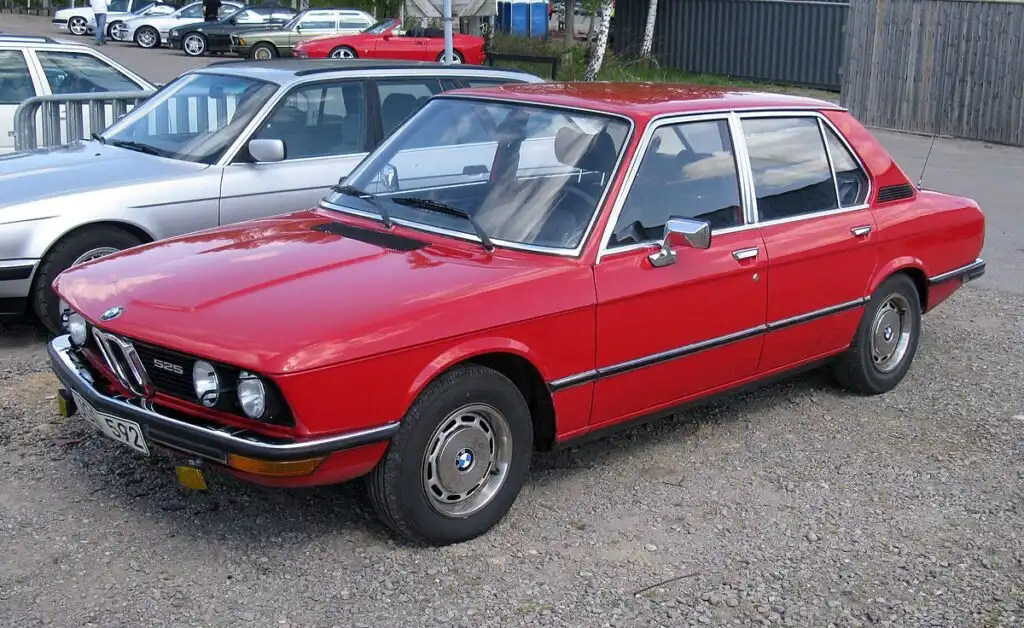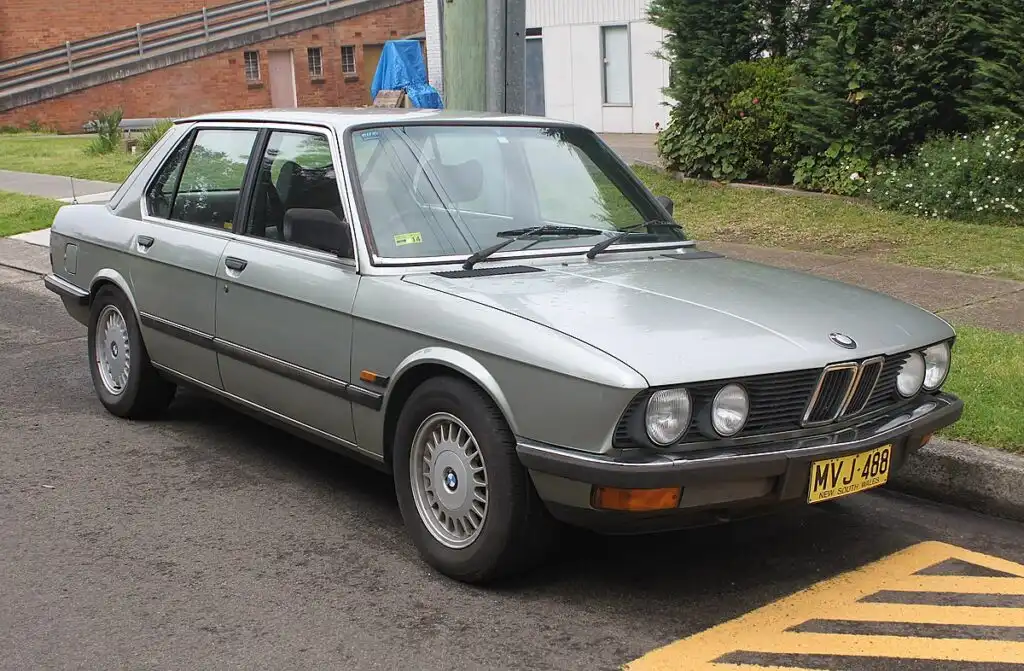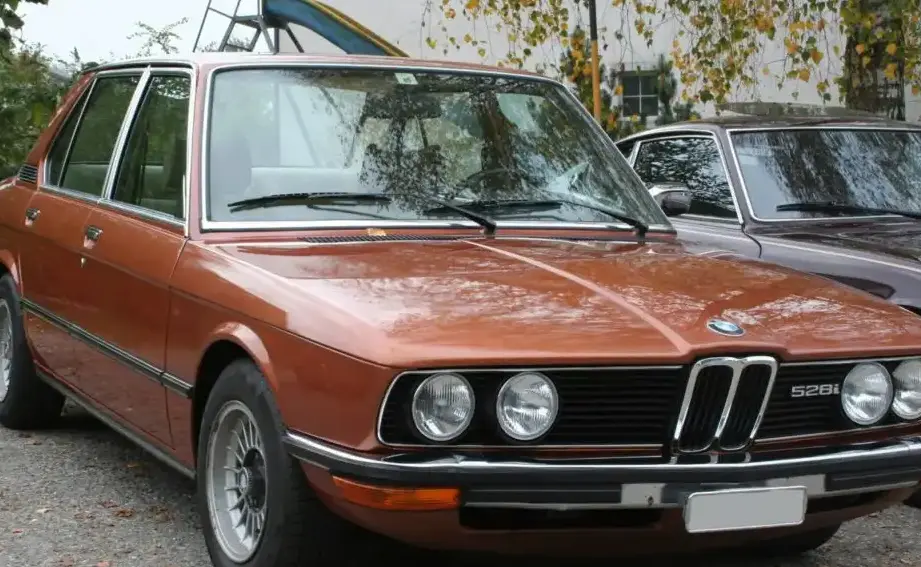
The BMW 528i, produced between 1978 and 1981, represents a significant iteration of the E12 5 Series, a model that established BMW’s reputation for sporty, executive sedans. This variant, powered by the M30B28 inline-six engine, was positioned as the performance-oriented model within the E12 range, sitting above the 525i and below the range-topping 535i. The 528i was primarily marketed towards drivers seeking a blend of luxury, refinement, and engaging driving dynamics, particularly in Europe and North America. It benefited from a mid-cycle facelift of the E12 series introduced in 1976, featuring updated styling cues and improved features.
Technical Specifications
| Brand | BMW |
| Model | 5 Series |
| Generation | 5 Series (E12, Facelift 1976) |
| Type (Engine) | 528i (184 Hp) |
| Start of production | 1978 |
| End of production | 1981 |
| Powertrain Architecture | Internal Combustion engine |
| Body type | Sedan |
| Seats | 5 |
| Doors | 4 |
| Fuel Type | Petrol (Gasoline) |
| Power | 184 Hp @ 5800 rpm |
| Power per litre | 66 Hp/l |
| Torque | 235 Nm @ 4300 rpm / 173.33 lb.-ft. @ 4300 rpm |
| Engine layout | Front, Longitudinal |
| Engine Model/Code | M30B28 |
| Engine displacement | 2788 cm3 / 170.13 cu. in. |
| Number of cylinders | 6 |
| Engine configuration | Inline |
| Cylinder Bore | 84 mm / 3.31 in. |
| Piston Stroke | 84 mm / 3.31 in. |
| Compression ratio | 10.2:1 |
| Number of valves per cylinder | 4 |
| Fuel injection system | Multi-port manifold injection |
| Engine aspiration | Naturally aspirated engine |
| Engine oil capacity | 5.8 l / 6.13 US qt | 5.1 UK qt |
| Trunk (boot) space – minimum | 440 l / 15.54 cu. ft. |
| Fuel tank capacity | 70 l / 18.49 US gal | 15.4 UK gal |
| Length | 4620 mm / 181.89 in. |
| Width | 1690 mm / 66.54 in. |
| Height | 1425 mm / 56.1 in. |
| Wheelbase | 2636 mm / 103.78 in. |
| Front track | 1406 mm / 55.35 in. |
| Rear (Back) track | 1442 mm / 56.77 in. |
| Ride height (ground clearance) | 140 mm / 5.51 in. |
| Drivetrain Architecture | The Internal combustion engine (ICE) drives the rear wheels of the vehicle. |
| Drive wheel | Rear wheel drive |
| Number of gears and type of gearbox | 5 gears, manual transmission |
| Front brakes | Disc |
| Rear brakes | Disc |
Powertrain & Engine Architecture
The heart of the 528i is the M30B28 engine, a 2.8-liter inline-six cylinder powerplant. This engine is a descendant of the M30 family, known for its smoothness and durability. The ‘B28’ designation signifies the 2.8-liter displacement. It featured a cast iron block and an aluminum cylinder head, contributing to a robust and relatively lightweight construction. Fuel delivery was managed by a Bosch K-Jetronic multi-port fuel injection system, a sophisticated system for its time that improved fuel efficiency and reduced emissions compared to carbureted engines. The engine employed a single overhead camshaft (SOHC) valvetrain with two valves per cylinder. The M30B28 produced 184 horsepower at 5800 rpm and 235 Nm (173.33 lb-ft) of torque at 4300 rpm. The engine was paired with a robust 5-speed manual transmission, delivering power to the rear wheels.
Driving Characteristics
The 528i offered a noticeably more spirited driving experience than the 525i. The increased power and torque of the M30B28 engine provided quicker acceleration and more effortless cruising. While not a sports car in the modern sense, the 528i delivered a balanced and engaging driving feel. The 5-speed manual transmission allowed for precise control and maximized the engine’s potential. The gear ratios were well-chosen, providing strong acceleration in each gear. Compared to the later 535i, the 528i offered a slightly lighter feel and a more manageable power delivery, making it a more approachable performance sedan for a wider range of drivers. The rear-wheel-drive configuration contributed to a balanced chassis and predictable handling.
Equipment & Trim Levels
The 528i was generally well-equipped for its era. Standard features typically included power-assisted steering, disc brakes on all four wheels, and a comfortable interior with cloth upholstery. Options included a sunroof, air conditioning, power windows, and a premium sound system. Interior trim levels varied, with options for different cloth and leather upholstery colors. The dashboard layout was functional and driver-focused, with clearly marked gauges and controls. The 528i often featured a sport steering wheel and upgraded suspension components as optional extras, further enhancing its driving dynamics.
Chassis & Braking
The E12 5 Series utilized a robust chassis with independent suspension at all four corners. The front suspension employed MacPherson struts, while the rear featured a semi-trailing arm design. This setup provided a good balance of ride comfort and handling precision. The 528i benefited from slightly stiffer suspension components compared to the 525i, further improving its handling characteristics. Braking duties were handled by disc brakes on all four wheels, providing ample stopping power. The braking system was not equipped with ABS (Anti-lock Braking System) as it was still a relatively new technology at the time.
Market Reception & Comparison
The 528i was well-received by automotive critics and enthusiasts alike. It was praised for its smooth and powerful engine, refined handling, and comfortable interior. It was often seen as a sweet spot in the E12 lineup, offering a compelling blend of performance and luxury. Compared to the 525i, the 528i provided a noticeable performance upgrade, while remaining more affordable and manageable than the 535i. Fuel economy was reasonable for the time, although not a primary focus for this model. Reliability was generally good, although maintenance costs could be higher due to the complexity of the fuel injection system.
Legacy
The BMW 528i (E12) has become a sought-after classic among BMW enthusiasts. The M30B28 engine is renowned for its durability and is considered a high point in BMW’s inline-six engine development. Well-maintained examples are increasingly rare and command premium prices in the used car market. The E12 5 Series, and the 528i in particular, played a crucial role in establishing BMW’s reputation for building high-quality, sporty sedans. Today, it represents a significant piece of automotive history and a testament to BMW’s engineering prowess. The M30 engine family continued in production for many years, powering various BMW models and solidifying its place as a legendary powerplant.