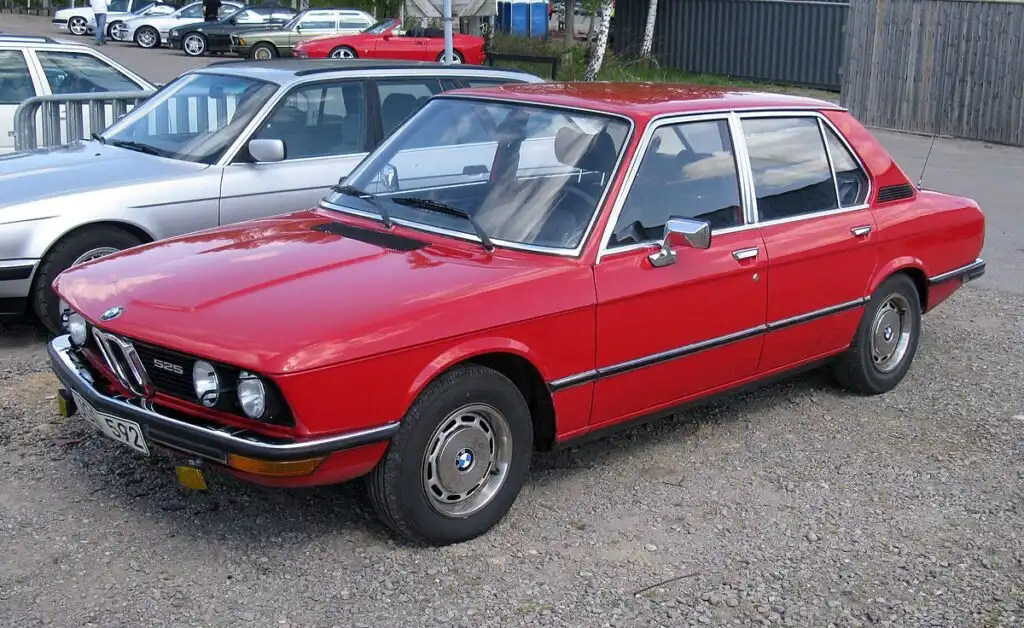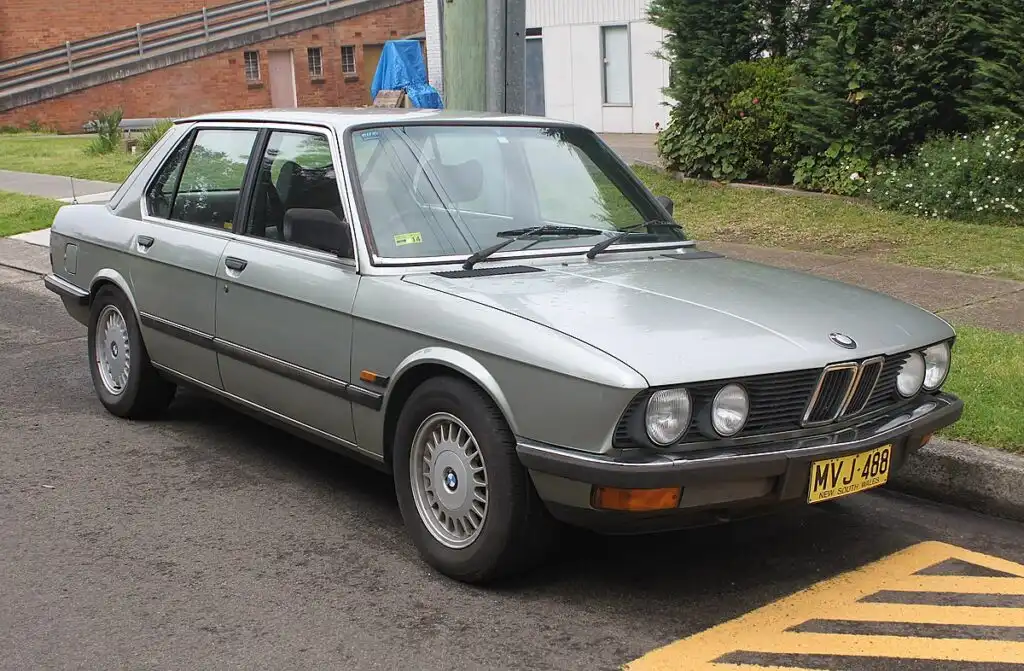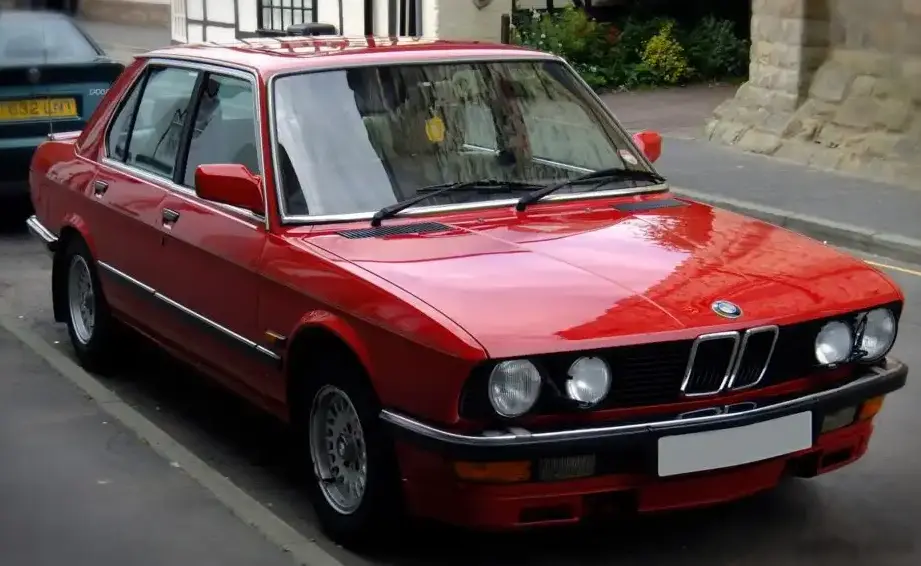
The BMW 5 Series E28 518, produced between 1981 and 1984, represented the entry point into the second generation of BMW’s mid-size executive car. Positioned below the 520i, 525e, and the high-performance M535i, the 518 was designed to offer the 5 Series experience – renowned handling and build quality – at a more accessible price point, particularly in European markets where taxation favored smaller displacement engines. It was a key model in establishing the E28 as a sophisticated and desirable vehicle, bridging the gap between affordability and BMW’s premium brand image. The 518 utilized the E28 chassis (internally designated as the ‘5er’ platform) which would underpin the entire range, offering a consistent driving experience across different engine options.
Technical Specifications
| Brand | BMW |
| Model | 5 Series |
| Generation | 5 Series (E28) |
| Type (Engine) | 518 (90 Hp) |
| Start of production | 1981 |
| End of production | 1984 |
| Powertrain Architecture | Internal Combustion engine |
| Body type | Sedan |
| Seats | 5 |
| Doors | 4 |
| Fuel consumption (urban) | 11.1 l/100 km (21.2 US mpg, 25.4 UK mpg, 9 km/l) |
| Fuel consumption (extra urban) | 7 l/100 km (33.6 US mpg, 40.4 UK mpg, 14.3 km/l) |
| Fuel consumption (combined) | 9.5 l/100 km (24.8 US mpg, 29.7 UK mpg, 10.5 km/l) |
| Fuel Type | Petrol (Gasoline) |
| Acceleration 0 – 100 km/h | 14 sec |
| Acceleration 0 – 62 mph | 14 sec |
| Acceleration 0 – 60 mph | 13.3 sec |
| Maximum speed | 164 km/h (101.9 mph) |
| Weight-to-power ratio | 12.7 kg/Hp, 78.9 Hp/tonne |
| Weight-to-torque ratio | 8.1 kg/Nm, 122.8 Nm/tonne |
| Power | 90 Hp @ 5800 rpm |
| Power per litre | 50 Hp/l |
| Torque | 140 Nm (103.26 lb.-ft.) |
| Engine layout | Front, Longitudinal |
| Engine Model/Code | M10B18 |
| Engine displacement | 1800 cm3 (109.84 cu. in.) |
| Number of cylinders | 4 |
| Engine configuration | Inline |
| Fuel injection system | Carburettor |
| Engine aspiration | Naturally aspirated |
| Engine oil capacity | 4 l (4.23 US qt | 3.52 UK qt) |
| Coolant capacity | 7 l (7.4 US qt | 6.16 UK qt) |
| Kerb Weight | 1140 kg (2513.27 lbs.) |
| Trunk (boot) space (minimum) | 460 l (16.24 cu. ft.) |
| Fuel tank capacity | 70 l (18.49 US gal | 15.4 UK gal) |
| Length | 4620 mm (181.89 in.) |
| Width | 1700 mm (66.93 in.) |
| Height | 1415 mm (55.71 in.) |
| Wheelbase | 2625 mm (103.35 in.) |
| Front track | 1430 mm (56.3 in.) |
| Rear track | 1470 mm (57.87 in.) |
| Ride height (ground clearance) | 140 mm (5.51 in.) |
| Drivetrain Architecture | Rear wheel drive |
| Number of gears and type of gearbox | 5 gears, manual transmission |
| Front brakes | Disc |
| Rear brakes | Disc |
Powertrain & Engine Architecture
The heart of the 518 was the M10B18 engine, a 1.8-liter inline-four cylinder unit. This engine was a further development of BMW’s long-running M10 family, known for its robustness and relatively simple design. Unlike the fuel-injected engines found in higher-spec E28 models, the 518 utilized a single, down-draft Solex carburetor for fuel delivery. This was a deliberate cost-saving measure and a response to market preferences in certain regions. The M10B18 featured a single overhead camshaft (SOHC) operating two valves per cylinder. The engine produced 90 horsepower at 5800 rpm and 140 Nm (103 lb-ft) of torque. The transmission was a five-speed manual gearbox, providing a relatively long-legged feel suitable for highway cruising. While an automatic transmission was offered as an option, it further reduced acceleration performance.
Driving Characteristics
The 518, particularly with the manual transmission, offered a balanced driving experience. While not overtly powerful, the engine was willing and responsive enough for everyday driving. The 0-60 mph time of around 13.3 seconds reflects its modest power output. The five-speed gearbox allowed drivers to keep the engine in its optimal power band, and the rear-wheel-drive layout contributed to the E28’s renowned handling characteristics. Compared to the 520i or 525e, the 518 felt noticeably slower, especially during overtaking maneuvers. However, the lighter weight of the 518 (approximately 1140 kg or 2513 lbs) partially offset the power deficit, making it feel nimble and engaging on winding roads. The automatic transmission option, while offering convenience, significantly dulled performance and was generally considered less desirable by enthusiasts.
Equipment & Trim Levels
The 518 typically came with a relatively basic level of equipment compared to its more expensive siblings. Standard features included cloth upholstery, steel wheels, and a simple dashboard layout. Power steering and central locking were often optional extras. Interior trim was generally functional and durable, reflecting the car’s positioning as an entry-level model. Optional extras included a sunroof, upgraded audio systems, and leather upholstery. The 518 was often seen as a blank canvas for buyers who prioritized driving dynamics over luxury features.
Chassis & Braking
The E28 chassis was a significant advancement in BMW’s engineering. It featured independent suspension all around – MacPherson struts at the front and semi-trailing arms at the rear – providing a comfortable ride and excellent handling. The 518 utilized disc brakes on all four wheels, offering adequate stopping power for its weight and performance. Stabilizer bars were fitted front and rear, further enhancing handling stability. The suspension setup was tuned to provide a balance between comfort and sportiness, making the 518 a capable and enjoyable car to drive on a variety of road surfaces.
Market Reception & Comparison
The 518 was generally well-received by automotive critics as a sensible and well-engineered entry-level option within the 5 Series range. It was praised for its handling, build quality, and fuel efficiency (around 25 mpg combined). However, its relatively low power output was often criticized, particularly when compared to the more powerful 520i and 525e models. The 518’s carburetor-equipped engine was also seen as somewhat outdated compared to the fuel injection systems used in its siblings. In terms of reliability, the M10B18 engine proved to be very durable, although carburetor maintenance could be required over time. The 518 offered a more affordable alternative to the Mercedes-Benz W123 series, appealing to buyers who valued driving dynamics over outright luxury.
Legacy
The E28 518, while often overshadowed by its more powerful siblings, holds a respected place in BMW history. The M10B18 engine is known for its longevity and relative simplicity, making it a relatively easy engine to maintain and repair. Today, well-maintained E28 518s are becoming increasingly sought after by classic car enthusiasts, particularly those who appreciate the car’s understated style and engaging driving experience. While not a performance icon like the M535i, the 518 represents a crucial part of the E28’s success, bringing the 5 Series experience to a wider audience and establishing the model as a benchmark for mid-size executive cars.