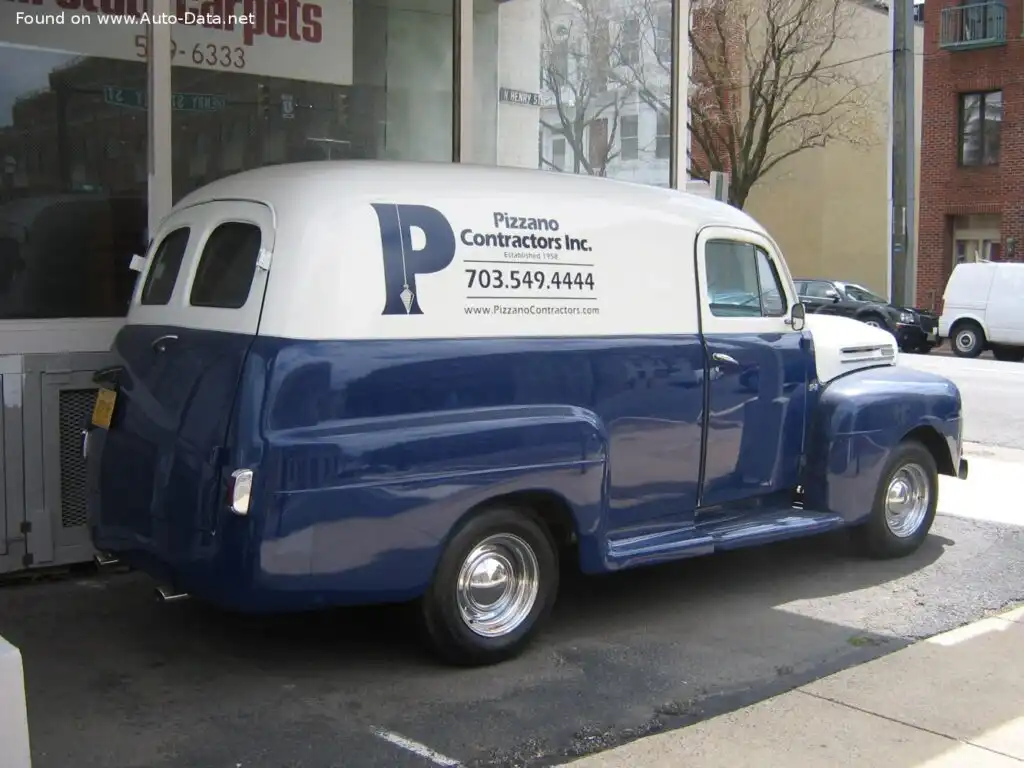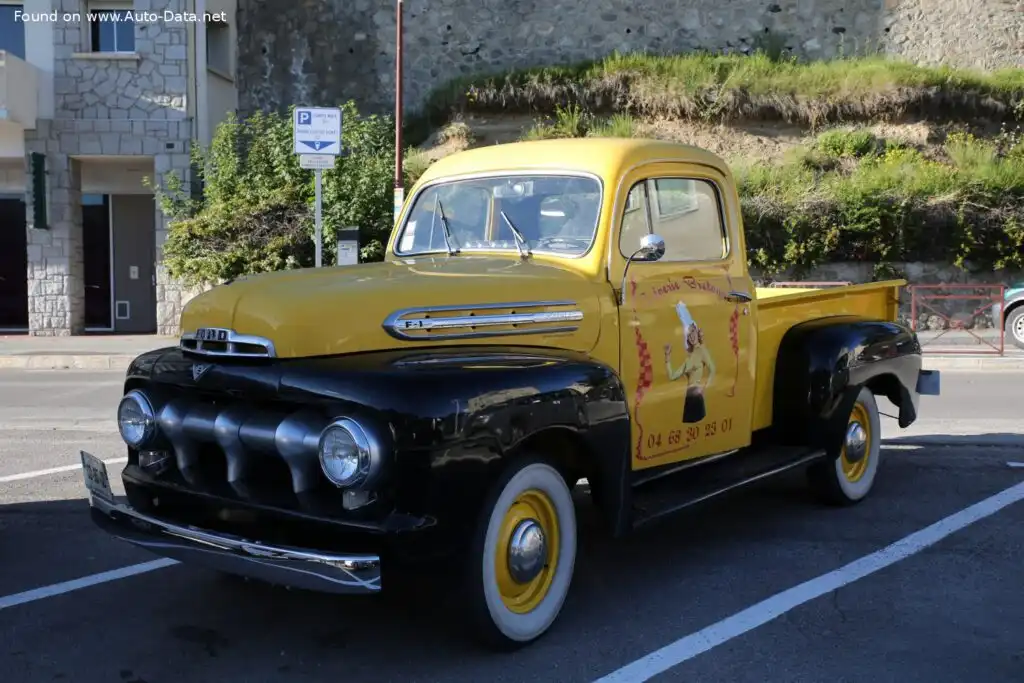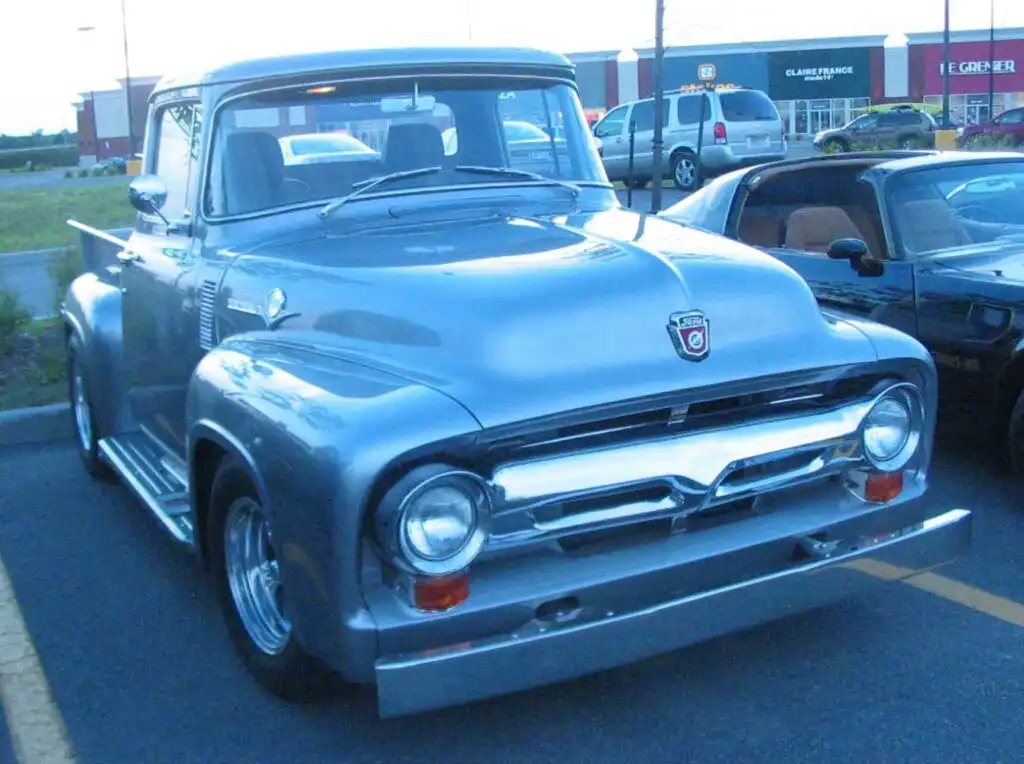
The Ford F-Series F-250 VIII Regular Cab HD, equipped with the 5.8-liter V8 Windsor engine and an automatic transmission, represents a significant iteration in Ford’s long-running and immensely popular F-Series line of trucks. Produced from 1986 through 1988, this particular configuration occupied a middle ground within the F-250 range, offering a balance between capability and affordability for buyers needing a heavy-duty pickup. It was part of the eighth generation of the F-Series (1980-1986), known for its squared-off styling and increased focus on driver comfort compared to earlier models. This variant was primarily aimed at owners requiring a robust work truck for hauling and towing, but who didn’t necessarily need the higher performance or cost of the larger engine options.
Technical Specifications
| Brand | Ford |
| Model | F-Series F-250 |
| Generation | F-Series F-250 VIII Regular Cab HD |
| Type (Engine) | 5.8 V8 Windsor (210 Hp) Automatic |
| Start of production | 1986 |
| End of production | 1988 |
| Powertrain Architecture | Internal Combustion engine |
| Body type | Pick-up |
| Seats | 3 |
| Doors | 2 |
| Fuel Type | Petrol (Gasoline) |
| Power | 210 Hp |
| Power per litre | 36.5 Hp/l |
| Torque | 414 Nm / 305.35 lb.-ft. |
| Engine layout | Front, Longitudinal |
| Engine displacement | 5752 cm3 / 351.01 cu. in. |
| Number of cylinders | 8 |
| Engine configuration | V-engine |
| Fuel injection system | Carburettor |
| Engine aspiration | Naturally aspirated engine |
| Max. weight | 3901 kg / 8600.23 lbs. |
| Fuel tank capacity | 72 l / 19.02 US gal | 15.84 UK gal |
| Length | 5339 mm / 210.2 in. |
| Width | 1778 mm / 70 in. |
| Height | 1890 mm / 74.41 in. |
| Wheelbase | 3378 mm / 132.99 in. |
| Wading depth | 874 mm / 34.41 in. |
| Drivetrain Architecture | The Internal combustion engine (ICE) drives the rear wheels of the vehicle. |
| Drive wheel | Rear wheel drive |
| Number of gears and type of gearbox | automatic transmission SelectShift |
| Front suspension | Independent coil spring |
| Front brakes | Disc |
| Rear brakes | Drum |
| Power steering | Electric Steering |
| Tires size | 235/85 R16 |
| Wheel rims size | 16 |
Powertrain & Engine Architecture
The heart of this F-250 variant is the 5.8-liter (351 cubic inch) Ford Windsor V8 engine. This engine, a staple of Ford trucks for decades, is a pushrod engine with a cast iron block and cylinder heads. The 5.8L Windsor utilized a two-barrel carburetor for fuel delivery, a relatively simple system compared to fuel injection, but one known for its reliability and ease of maintenance. The engine featured hydraulic lifters, simplifying valve adjustment. The “SelectShift” automatic transmission was a three-speed unit, designed to provide smooth and reliable shifting for both everyday driving and heavy-duty applications. While not offering the responsiveness of a manual transmission, the automatic provided ease of use, particularly in stop-and-go traffic or when towing. The transmission was electronically controlled, a relatively new feature for the time, offering improved shift quality and efficiency.
Driving Characteristics
The 210 horsepower and 305 lb-ft of torque produced by the 5.8L Windsor, when paired with the three-speed automatic, resulted in a truck that was capable but not particularly quick. Acceleration was adequate for most tasks, but passing on the highway required planning. The automatic transmission’s gear ratios were optimized for towing and hauling, prioritizing low-end torque over outright speed. Compared to the available 6.9L diesel or the larger gasoline engines, this configuration offered a more refined driving experience, with less engine noise and vibration. However, it lacked the sheer pulling power of the diesel, and the fuel economy was considerably lower. The rear-wheel-drive configuration, standard on the F-250, provided good traction in most conditions, but could struggle in slippery environments without the addition of a limited-slip differential or four-wheel drive.
Equipment & Trim Levels
The F-250 VIII Regular Cab HD with the 5.8L engine typically came with a fairly basic level of equipment. Standard features included a vinyl bench seat, a basic AM radio, and manual windows and locks. The interior was designed for durability and functionality rather than luxury. Optional extras included air conditioning, a more powerful radio, upgraded upholstery, and a sliding rear window. The “HD” designation indicated a heavier-duty suspension and chassis components compared to lighter-duty F-250 models. Trim levels were relatively limited during this era, with most customization coming through optional packages. The Regular Cab configuration offered a single row of seating, prioritizing cargo space over passenger comfort.
Chassis & Braking
The F-250’s chassis was a traditional body-on-frame construction, providing a robust and durable platform for heavy-duty use. The front suspension utilized independent coil springs, offering a relatively comfortable ride for a truck of this size. The rear suspension employed leaf springs, designed to handle heavy loads. Braking duties were handled by disc brakes at the front and drum brakes at the rear. Power steering was standard, making maneuvering the large truck easier. The tires, typically 235/85R16, were designed for both on-road and off-road use, providing good traction and durability. A stabilizer bar was included to reduce body roll during cornering.
Market Reception & Comparison
The F-250 with the 5.8L engine and automatic transmission was generally well-received by buyers seeking a capable and reliable work truck. Critics noted its solid construction and adequate performance for most tasks. However, it was often criticized for its relatively low fuel economy compared to smaller trucks or diesel-powered alternatives. Compared to the 6.9L diesel, the 5.8L offered less pulling power and lower fuel efficiency, but it was significantly cheaper to purchase and maintain. Compared to the larger gasoline engines, the 5.8L provided a more balanced combination of performance and economy. This configuration appealed to owners who needed a heavy-duty truck but didn’t require the ultimate in power or towing capacity.
Legacy
The 5.8L Windsor V8, in general, is known for its durability and relative simplicity, making it a popular choice for engine swaps and restorations. While not the most powerful or efficient engine available, it has proven to be remarkably reliable over the long term. The automatic transmission, while not as sophisticated as modern units, is also known for its durability. Today, these F-250s are increasingly sought after by collectors and enthusiasts, particularly those looking for a classic American work truck. Parts availability remains good, making maintenance and repairs relatively straightforward. The 1986-1988 F-250 with the 5.8L Windsor and automatic transmission represents a solid and dependable truck that continues to earn its place in automotive history.