
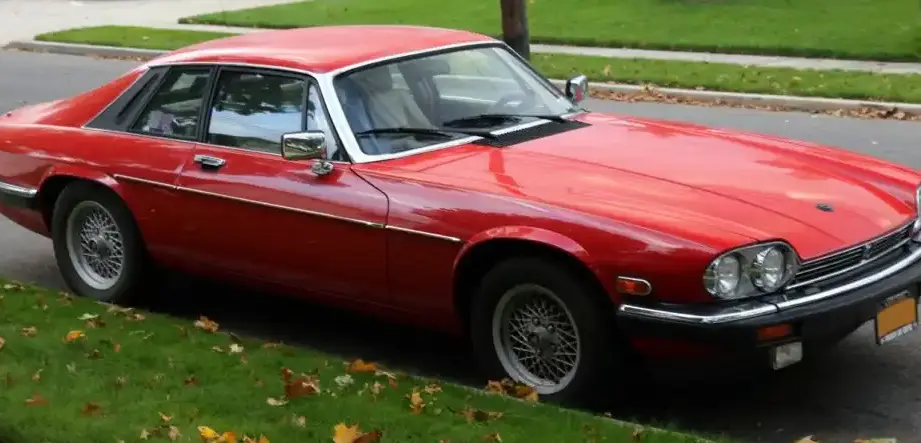
The Jaguar XJS Coupe 5.3 HE V12, produced between 1981 and 1987, represents a significant evolution in the grand touring tradition established by its predecessor, the E-Type. Positioned as the flagship coupe within the XJS range, the 5.3 HE (High Efficiency) V12 aimed to deliver a blend of performance, luxury, and improved fuel economy compared to earlier V12 Jaguars. This model occupied the top tier of the XJS lineup during its initial production run, offering the most powerful engine option available. It was a key component of Jaguar’s attempt to modernize its image and compete with contemporary grand tourers from brands like Aston Martin and Ferrari, albeit at a more accessible price point. The XJS, built on the extended Jaguar XJ platform, sought to provide a more comfortable and refined experience than the overtly sporty E-Type, appealing to a broader clientele.
Technical Specifications
| Brand | Jaguar |
| Model | XJS |
| Generation | XJS Coupe |
| Engine Type | 5.3 HE V12 (295 Hp) |
| Production Years | 1981 – 1987 |
| Powertrain Architecture | Internal Combustion Engine |
| Body Type | Coupe |
| Fuel Type | Petrol (Gasoline) |
| Power Output | 295 Hp |
| Engine Aspiration | Naturally Aspirated |
Powertrain & Engine Architecture
The heart of the XJS 5.3 HE is its 5.3-liter V12 engine, designated as the ‘HE’ variant. This engine was a significant development over previous Jaguar V12s, primarily focused on improving fuel efficiency without sacrificing performance. The ‘HE’ designation refers to the cylinder head design, featuring a revised combustion chamber shape and a higher compression ratio (9.2:1). This, combined with a Lucas digital fuel injection system (replacing the earlier carburetors), allowed for a substantial reduction in fuel consumption – a critical concern in the early 1980s. The engine utilizes a SOHC (Single Overhead Camshaft) design per bank, operating with four valves per cylinder. The V12 configuration itself provides inherent smoothness and a distinctive exhaust note. The engine produces 295 horsepower at 5,750 rpm and 307 lb-ft of torque at 3,500 rpm. The transmission paired with the 5.3 HE was a three-speed Chrysler TorqueFlite automatic, chosen for its robustness and ability to handle the engine’s substantial torque output. While not known for its rapid shifts, the TorqueFlite provided smooth and reliable operation, complementing the XJS’s grand touring character.
Driving Characteristics
The XJS 5.3 HE offered a distinctly different driving experience compared to its inline-six and later V6 powered siblings. The V12 provided effortless acceleration, with the car feeling deceptively quick despite its considerable weight (approximately 3,800 lbs). The automatic transmission, while smooth, did result in some power loss compared to a manual transmission (which was not offered with the V12). The gear ratios were geared towards comfortable cruising, with a focus on relaxed highway driving rather than aggressive cornering. The XJS’s independent suspension, featuring double wishbones at the front and a rear suspension derived from the XJ saloon, provided a comfortable ride, absorbing bumps and imperfections in the road effectively. However, the car’s weight and relatively soft suspension setup meant it wasn’t as agile or responsive as some of its more sporting competitors. Steering was power-assisted, providing light effort but lacking significant feedback. The overall driving experience was one of refined luxury and effortless power, making it an ideal choice for long-distance touring.
Equipment & Trim Levels
The XJS 5.3 HE was generously equipped, reflecting its position as the flagship model. Standard features included leather upholstery, power windows, power steering, air conditioning, and a premium sound system. The interior was characterized by its wood veneer trim, comfortable seating, and generally high level of craftsmanship. Optional extras included a sunroof, heated seats, and a more advanced audio system. The exterior featured a sleek, aerodynamic coupe body style designed by Malcolm Sayer. Early models had distinctive ‘flying buttress’ rear window treatment, later revised in 1983. The car was available in a range of exterior colors, with popular choices including British Racing Green, Regency Red, and Old English White. Trim levels were relatively simple, with most customization occurring through the selection of optional extras.
Chassis & Braking
The XJS chassis was based on an extended version of the Jaguar XJ saloon platform, providing a comfortable ride and good structural rigidity. The suspension system consisted of independent double wishbones at the front and a fully independent rear suspension. Braking was initially provided by disc brakes all around, although some early models featured rear drum brakes. Later models universally adopted four-wheel disc brakes, offering improved stopping power. Anti-lock braking system (ABS) was offered as an optional extra, enhancing safety and control. The steering system was a power-assisted rack and pinion setup, providing light and easy steering. Stabilizer bars were fitted front and rear to reduce body roll during cornering, although the car’s weight still limited its handling agility.
Market Reception & Comparison
The XJS 5.3 HE received generally positive reviews upon its launch. Critics praised its luxurious interior, smooth ride, and powerful V12 engine. However, the car’s high price and relatively poor fuel economy (despite the ‘HE’ designation) were often cited as drawbacks. Compared to the inline-six and later V6 powered XJS models, the 5.3 HE offered significantly more performance and a more prestigious image. However, it also came with a higher price tag and increased maintenance costs. The V12 engine was more complex and required more frequent servicing than the simpler six-cylinder units. Against competitors like the Aston Martin V8 Vantage and the Ferrari 308 GTB, the XJS 5.3 HE offered a more affordable alternative, but lacked the outright performance and sporting pedigree of those more focused sports cars.
Legacy
The Jaguar XJS 5.3 HE V12 remains a desirable classic car today, appreciated for its elegant styling, luxurious interior, and distinctive V12 engine. While the V12 engine can be expensive to maintain, its inherent smoothness and unique character continue to appeal to enthusiasts. The ‘HE’ variant is particularly sought after due to its improved fuel efficiency compared to earlier V12 Jaguars. The XJS helped to modernize Jaguar’s image and establish the brand as a maker of sophisticated grand tourers. In the used car market, well-maintained examples of the 5.3 HE command premium prices, reflecting their rarity and collectibility. The car’s long-term reliability is generally good, provided it has been properly serviced and maintained, although owners should be prepared for potential issues with the Lucas fuel injection system and the automatic transmission. The XJS 5.3 HE stands as a testament to a bygone era of automotive luxury and engineering, representing a high point in Jaguar’s grand touring heritage.
