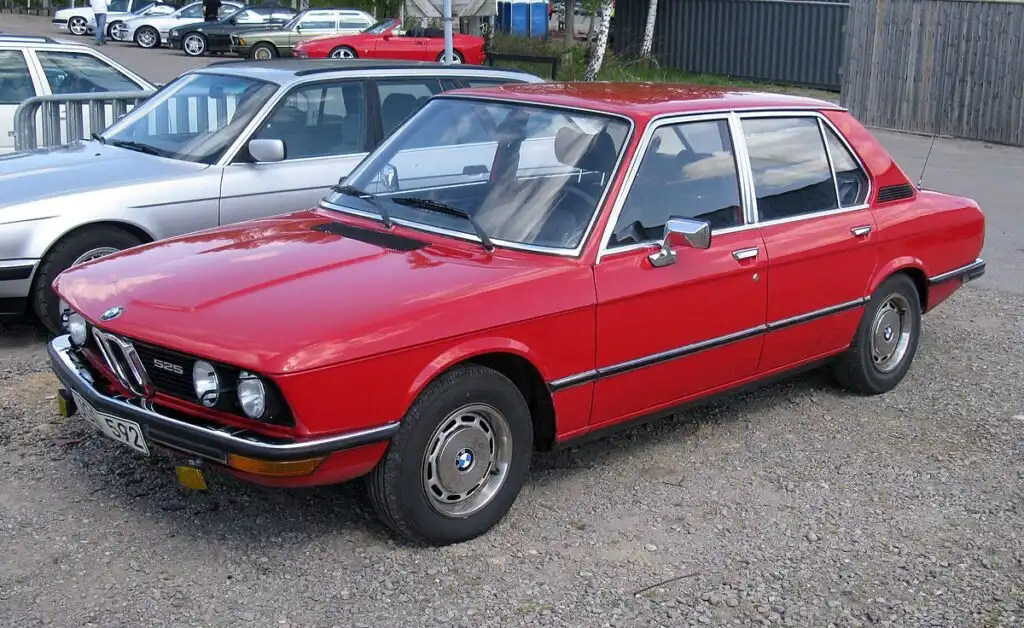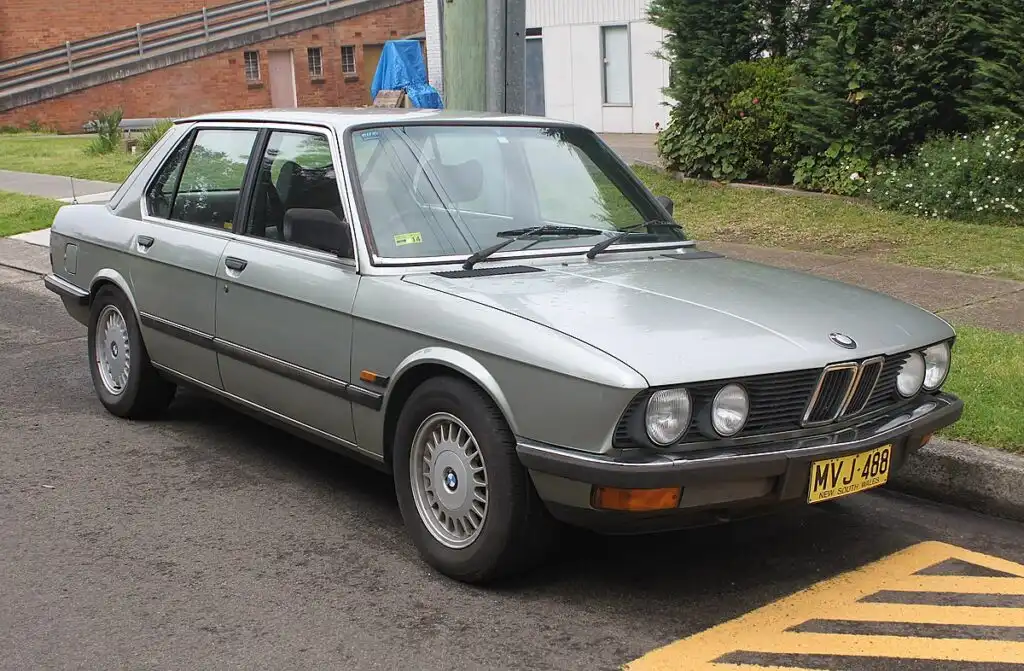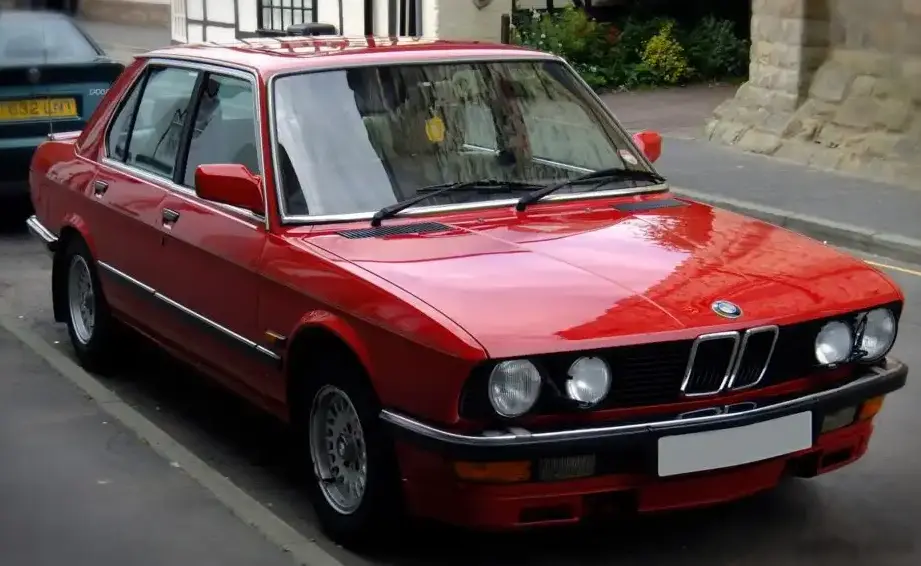
The BMW 5 Series E28 520i, produced between 1981 and 1987, represented the entry point into the second generation of BMW’s mid-size executive car. Positioned below the 525i and 535i, the 520i offered a balance of BMW’s renowned driving dynamics with improved fuel efficiency and a lower price point. It was a key model in establishing the 5 Series as a serious competitor in the European and increasingly, North American, luxury sedan market. The E28 generation, replacing the E12, was a significant leap forward in terms of technology, refinement, and overall build quality, setting a new benchmark for its class. While the 520i was not the performance flagship, it provided a compelling package for buyers prioritizing practicality and a sophisticated driving experience.
Technical Specifications
| Brand | BMW |
| Model | 5 Series |
| Generation | 5 Series (E28) |
| Type (Engine) | 520i (125 Hp) |
| Start of production | 1981 |
| End of production | 1987 |
| Powertrain Architecture | Internal Combustion engine |
| Body type | Sedan |
| Seats | 5 |
| Doors | 4 |
| Fuel consumption (urban) | 12.5 l/100 km (18.8 US mpg) |
| Fuel consumption (extra urban) | 6.5 l/100 km (36.2 US mpg) |
| Fuel consumption (combined) | 9.2 l/100 km (25.6 US mpg) |
| Fuel Type | Petrol (Gasoline) |
| Acceleration 0 – 100 km/h | 11.8 sec |
| Acceleration 0 – 62 mph | 11.8 sec |
| Acceleration 0 – 60 mph | 11.2 sec |
| Maximum speed | 185 km/h (114.95 mph) |
| Weight-to-power ratio | 9.8 kg/Hp |
| Weight-to-torque ratio | 7.4 kg/Nm |
| Power | 125 Hp @ 5800 rpm |
| Power per litre | 62.8 Hp/l |
| Torque | 165 Nm @ 4500 rpm (121.7 lb.-ft. @ 4500 rpm) |
| Engine layout | Front, Longitudinal |
| Engine Model/Code | M20B20 |
| Engine displacement | 1990 cm3 (121.44 cu. in.) |
| Number of cylinders | 6 |
| Engine configuration | Inline |
| Cylinder Bore | 80 mm (3.15 in.) |
| Piston Stroke | 66 mm (2.6 in.) |
| Number of valves per cylinder | 2 |
| Fuel injection system | Multi-port manifold injection |
| Engine aspiration | Naturally aspirated engine |
| Engine oil capacity | 4.25 l (4.49 US qt | 3.74 UK qt) |
| Coolant | 10.5 l (11.1 US qt | 9.24 UK qt) |
| Kerb Weight | 1220 kg (2689.64 lbs.) |
| Max. weight | 1730 kg (3814 lbs.) |
| Max load | 510 kg (1124.36 lbs.) |
| Trunk (boot) space – minimum | 460 l (16.24 cu. ft.) |
| Fuel tank capacity | 70 l (18.49 US gal | 15.4 UK gal) |
| Length | 4620 mm (181.89 in.) |
| Width | 1700 mm (66.93 in.) |
| Height | 1415 mm (55.71 in.) |
| Wheelbase | 2625 mm (103.35 in.) |
| Front track | 1430 mm (56.3 in.) |
| Rear (Back) track | 1470 mm (57.87 in.) |
| Ride height (ground clearance) | 140 mm (5.51 in.) |
| Drivetrain Architecture | Rear wheel drive |
| Number of gears and type of gearbox | 5 gears, manual transmission |
| Front brakes | Disc |
| Rear brakes | Drum |
| Tires size | 175/80 R14 |
| Wheel rims size | 14 |
Powertrain & Engine Architecture
The heart of the 520i was the M20B20 engine, a 2.0-liter inline-six cylinder powerplant. This engine was a cornerstone of BMW’s engineering philosophy during the 1980s, known for its smooth operation and relatively high specific output. The M20 featured a cast iron block and an aluminum cylinder head, employing a single overhead camshaft (SOHC) design with two valves per cylinder. Fuel delivery was handled by Bosch Motronic fuel injection, a significant advancement over earlier carburetor systems, improving both performance and fuel efficiency. The M20B20 produced 125 horsepower at 5800 rpm and 165 Nm (121.7 lb-ft) of torque at 4500 rpm. The engine’s longitudinal mounting and rear-wheel drive configuration were typical of BMW’s sporting heritage. The 520i was exclusively offered with a 5-speed manual transmission, providing a direct connection between the engine and the wheels. This transmission was known for its precise shift quality and robust construction.
Driving Characteristics
The 520i, while not the quickest E28, offered a rewarding driving experience. The 5-speed manual transmission allowed drivers to fully exploit the engine’s powerband. Acceleration from 0 to 60 mph took around 11.2 seconds, and top speed was approximately 115 mph. The car felt nimble and well-balanced, thanks to its relatively light weight (around 2690 lbs) and well-tuned suspension. Compared to the more powerful 525i and 535i, the 520i’s performance was noticeably less aggressive. However, it offered a more forgiving and accessible driving experience, particularly for those less experienced with rear-wheel drive performance cars. The gear ratios were optimized for a balance of acceleration and fuel economy, making it a comfortable cruiser on the highway.
Equipment & Trim Levels
The 520i typically came standard with features considered luxurious for the early 1980s, including power-assisted steering, front disc brakes, and a comfortable interior. Interior upholstery was typically cloth, although leather was available as an option. Standard equipment also included a basic stereo system, power windows, and central locking. Optional extras included a sunroof, air conditioning, upgraded sound systems, and a limited-slip differential. The dashboard layout was functional and driver-focused, with clear instrumentation and well-placed controls. Trim levels were relatively simple, with most variations stemming from the addition of optional packages.
Chassis & Braking
The E28 5 Series featured a robust chassis with independent suspension at all four wheels. The front suspension utilized MacPherson struts, while the rear employed a semi-trailing arm design. This setup provided a good balance of ride comfort and handling precision. The 520i was equipped with disc brakes at the front and drum brakes at the rear. While the drum brakes were adequate for normal driving, they were a point of criticism compared to the all-disc brake setups found on the higher-spec models. A stabilizer bar was fitted to both the front and rear axles to reduce body roll during cornering.
Market Reception & Comparison
The 520i was generally well-received by automotive critics as a sensible and well-engineered entry-level luxury sedan. It was praised for its smooth engine, comfortable ride, and balanced handling. However, some critics noted that its performance was somewhat underwhelming compared to its more powerful siblings. Fuel economy was a strong point, particularly compared to the larger-engined 525i and 535i. In terms of reliability, the M20B20 engine proved to be a durable and long-lasting unit, although regular maintenance was essential. Compared to competitors like the Mercedes-Benz W123 and Audi 100, the 520i offered a more sporting driving experience.
Legacy
The E28 520i has become a sought-after classic among BMW enthusiasts. The M20B20 engine is known for its robustness and relative simplicity, making it a popular choice for restoration projects and classic car rallies. While not as highly valued as the 535i or M5, the 520i offers a more affordable entry point into the E28 world. Well-maintained examples are becoming increasingly rare, and prices have been steadily rising in recent years. The 520i represents a pivotal moment in BMW’s history, showcasing the brand’s commitment to engineering excellence and driving pleasure.