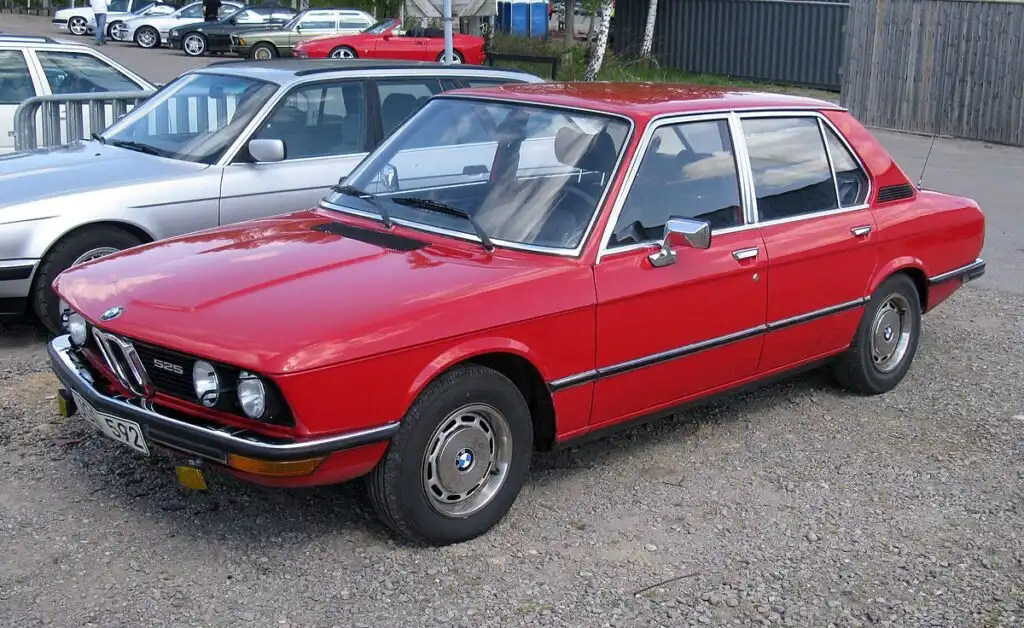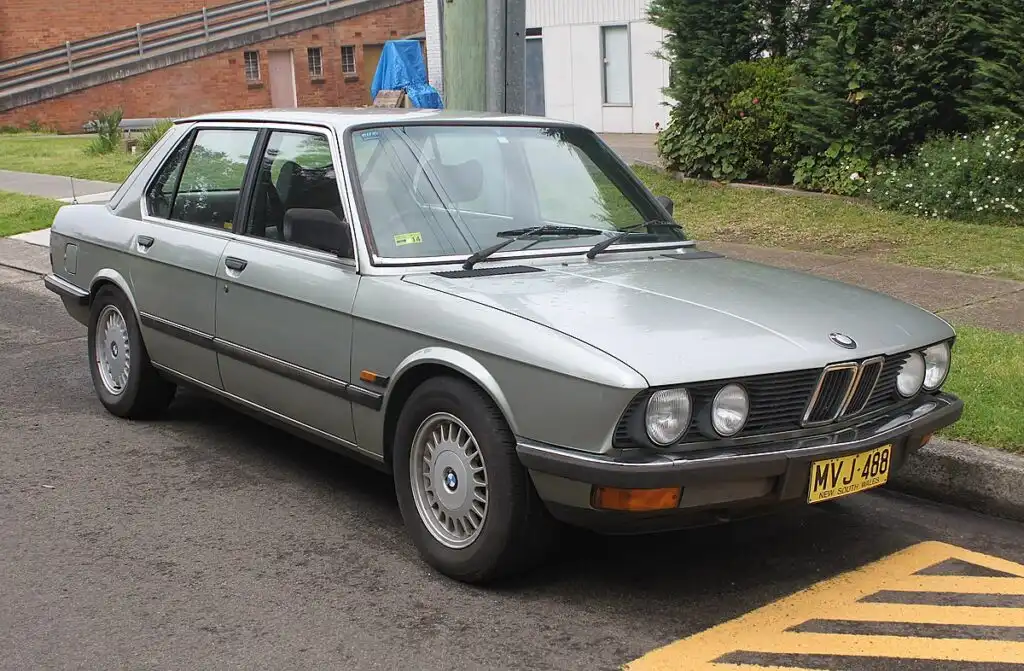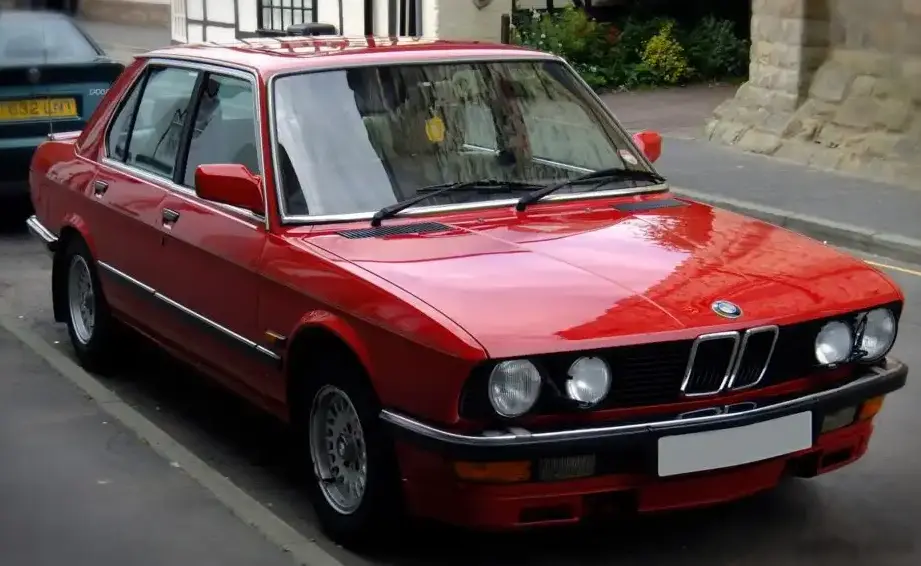
The BMW 5 Series E28 524d, produced from 1986 to 1987, represents a unique chapter in the evolution of BMW’s mid-size executive car. Positioned as the diesel variant within the E28 generation (which spanned 1981-1988), the 524d was primarily aimed at the European market, where diesel engines were gaining popularity for their fuel efficiency. It offered a more economical alternative to the gasoline-powered 525e and 535i models, though at the cost of outright performance. The E28 platform itself was a significant step forward for BMW, introducing modern engineering and a more refined driving experience compared to its E12 predecessor.
Technical Specifications
| Brand | BMW |
| Model | 5 Series |
| Generation | 5 Series (E28) |
| Type (Engine) | 524d (86 Hp) |
| Start of production | 1986 |
| End of production | 1987 |
| Powertrain Architecture | Internal Combustion engine |
| Body type | Sedan |
| Seats | 5 |
| Doors | 4 |
| Fuel consumption (urban) | 9.2 l/100 km (25.6 US mpg) |
| Fuel consumption (extra urban) | 5.6 l/100 km (42 US mpg) |
| Fuel consumption (combined) | 7.5 l/100 km (31.4 US mpg) |
| Fuel Type | Diesel |
| Acceleration 0 – 100 km/h | 18.1 sec |
| Acceleration 0 – 62 mph | 18.1 sec |
| Acceleration 0 – 60 mph | 17.2 sec |
| Maximum speed | 164 km/h (101.9 mph) |
| Weight-to-power ratio | 15.5 kg/Hp |
| Weight-to-torque ratio | 8.7 kg/Nm |
| Power | 86 Hp @ 4600 rpm |
| Power per litre | 35.2 Hp/l |
| Torque | 153 Nm @ 2500 rpm (112.85 lb.-ft. @ 2500 rpm) |
| Engine layout | Front, Longitudinal |
| Engine Model/Code | M21D24 |
| Engine displacement | 2443 cm3 (149.08 cu. in.) |
| Number of cylinders | 6 |
| Engine configuration | Inline |
| Cylinder Bore | 80 mm (3.15 in.) |
| Piston Stroke | 81 mm (3.19 in.) |
| Compression ratio | 22:1 |
| Number of valves per cylinder | 2 |
| Fuel injection system | Precombustion chamber injection |
| Engine aspiration | Naturally aspirated |
| Engine oil capacity | 5.3 l (5.6 US qt | 4.66 UK qt) |
| Kerb Weight | 1330 kg (2932.15 lbs.) |
| Trunk (boot) space | 460 l (16.24 cu. ft.) |
| Fuel tank capacity | 70 l (18.49 US gal | 15.4 UK gal) |
| Length | 4620 mm (181.89 in.) |
| Width | 1700 mm (66.93 in.) |
| Height | 1415 mm (55.71 in.) |
| Wheelbase | 2625 mm (103.35 in.) |
| Front track | 1430 mm (56.3 in.) |
| Rear track | 1470 mm (57.87 in.) |
| Ride height | 140 mm (5.51 in.) |
| Drivetrain Architecture | Rear wheel drive |
| Number of gears | 5 |
| Gearbox type | Manual transmission |
| Front brakes | Disc |
| Rear brakes | Disc |
Powertrain & Engine Architecture
The heart of the 524d is the M21D24, a 2.4-liter inline-six diesel engine. This engine utilized precombustion chamber injection, a common diesel technology of the era. Unlike direct injection systems, precombustion chambers housed a glow plug and a small auxiliary combustion chamber connected to the main cylinder. Fuel was injected into the precombustion chamber, igniting and creating a hot spot to initiate combustion in the main cylinder. This system aided in cold starting and reduced engine noise, though it wasn’t as efficient as later direct injection designs. The M21D24 featured a robust cast iron block and a relatively simple valvetrain with two valves per cylinder. The 5-speed manual transmission was the only gearbox option available for the 524d, chosen to maximize fuel economy and provide a reasonable driving experience given the engine’s limited power output.
Driving Characteristics
The 524d’s driving experience was defined by its torque-focused diesel engine. While its 86 horsepower was modest, the 153 Nm (113 lb-ft) of torque available at 2500 rpm provided decent acceleration in everyday driving situations. However, it was significantly slower than its gasoline counterparts. Acceleration to 60 mph took around 17-18 seconds, and top speed was limited to approximately 102 mph. The 5-speed manual transmission was well-matched to the engine’s characteristics, allowing drivers to keep the engine in its optimal torque band. Compared to the 525e or 535i, the 524d felt noticeably less responsive, particularly at higher engine speeds. The focus was on fuel efficiency and relaxed cruising rather than sporty performance.
Equipment & Trim Levels
The 524d typically came with a fairly basic level of equipment, reflecting its position as the entry-level diesel model. Standard features included cloth upholstery, manual windows, and a relatively simple dashboard layout. Power steering and central locking were often optional extras. BMW offered a range of options, allowing buyers to customize their 524d with features like a sunroof, upgraded audio systems, and leather upholstery. The interior design was typical of the E28 generation, characterized by a functional and understated aesthetic.
Chassis & Braking
The 524d shared the E28’s robust chassis and suspension setup. It featured independent suspension at all four wheels, with MacPherson struts at the front and semi-trailing arms at the rear. The braking system consisted of disc brakes on all four wheels, providing adequate stopping power for the car’s weight and performance. Stabilizer bars were fitted front and rear to reduce body roll during cornering. The suspension was tuned for comfort and stability, prioritizing a smooth ride over sporty handling. Given the diesel engine’s added weight compared to the gasoline models, the suspension components were often reinforced.
Market Reception & Comparison
The 524d was primarily a European market success. It appealed to drivers who prioritized fuel economy and reliability over outright performance. Critics generally praised the car’s fuel efficiency and comfortable ride, but noted its lack of power compared to the gasoline-powered 5 Series models. Compared to the 525e, the 524d offered significantly better fuel economy but considerably less horsepower. The 535i, with its larger and more powerful engine, was in a different league altogether. The 524d’s diesel engine also required more diligent maintenance, including regular oil changes and attention to the fuel injection system.
Legacy
The BMW E28 524d, while not a performance icon, holds a significant place in BMW history as one of the first diesel-powered 5 Series models. The M21D24 engine proved to be relatively durable, and well-maintained examples can still be found on the road today. However, finding parts can be challenging, and the precombustion chamber injection system requires specialized knowledge for proper servicing. In the used car market, the 524d is generally less sought after than its gasoline counterparts, but it appeals to enthusiasts who appreciate its unique character and fuel efficiency. It represents a transitional period for BMW, as the company began to embrace diesel technology while maintaining its commitment to driving dynamics.