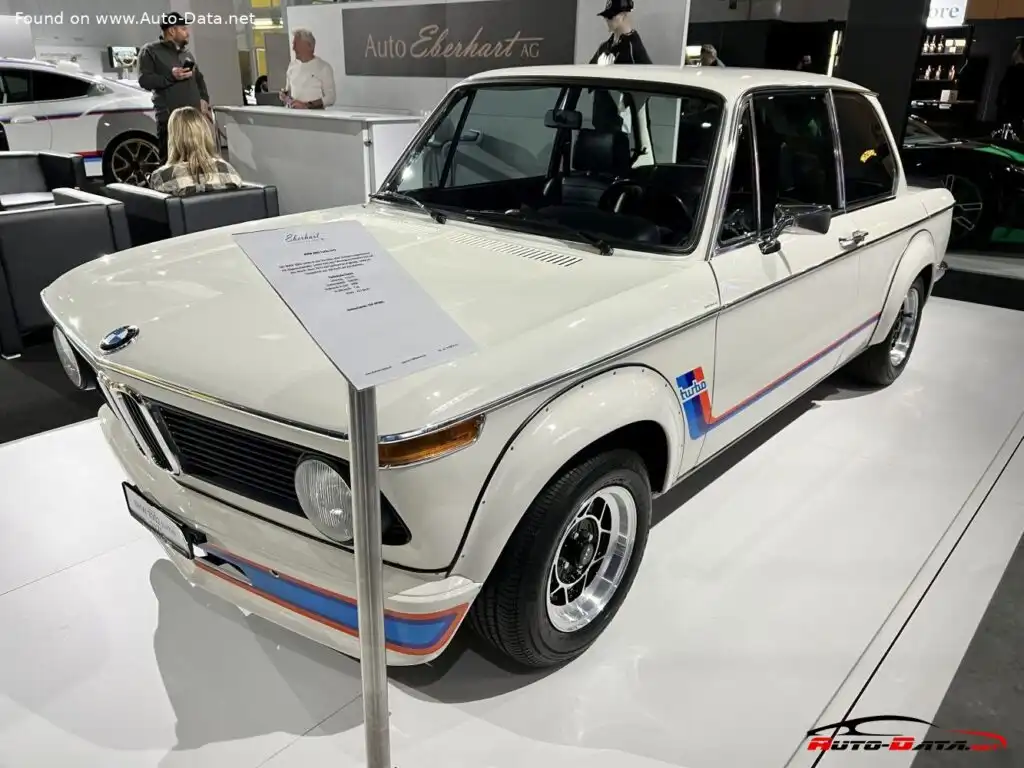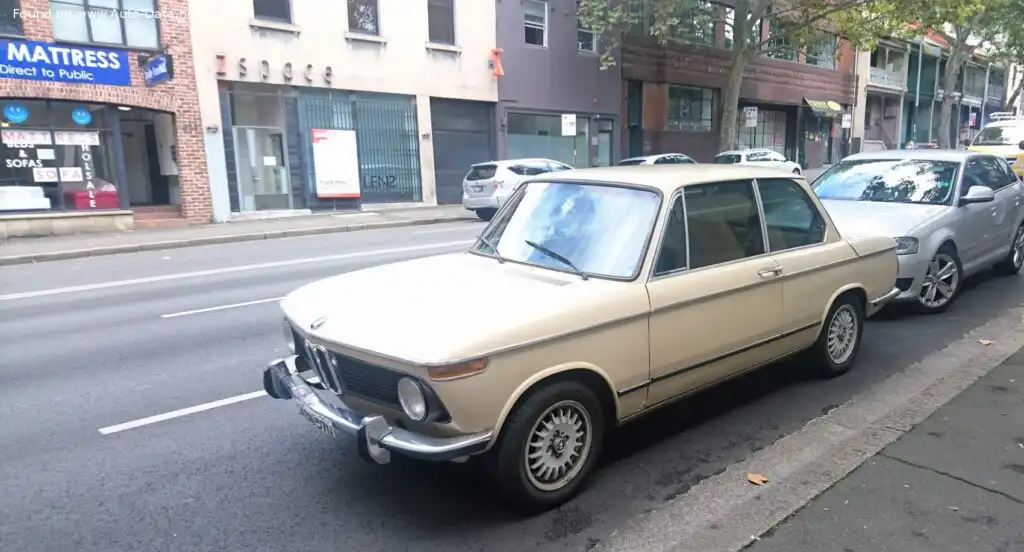
The BMW 02 Series, internally designated as the E10, is a range of compact executive cars produced by the German automaker BMW between 1966 and 1977. Based on a shortened version of the New Class Sedans, the 02 Series established the template for what would become BMW’s most iconic market segment: the compact sports sedan. Among the most revered models in this historic lineup is the BMW 2002 ti, a high-performance variant that captivated enthusiasts with its potent engine and agile handling, solidifying BMW’s reputation as the manufacturer of the Ultimate Driving Machine. Produced from 1968 to 1972, the 2002 ti served as a crucial bridge between the standard models and the later, more complex fuel-injected variants, offering a raw, carbureted thrill that remains highly sought after by collectors and driving purists today.
History and Development
The genesis of the BMW 02 Series can be traced to the success of its predecessor, the Neue Klasse (New Class) sedans introduced in 1962. While the New Class was praised for its modern engineering, excellent chassis, and powerful M10 four-cylinder engine, some key figures within BMW believed a smaller, lighter, and sportier two-door version was necessary to expand the brand’s market reach.
The initial push came from two influential figures: BMW’s director of product planning, Helmut Werner Bönsch, and the M10 engine’s designer, Alex von Falkenhausen. Coincidentally, both men had independently installed a two-liter version of the M10 engine into the smaller 1600-2 two-door coupe for their personal use. Upon discovering they had made the same modification, they prepared a joint proposal to BMW’s board of directors to produce a two-liter version of the 02 Series. Simultaneously, the influential U.S. automotive importer Max Hoffman had been lobbying BMW for a sportier version of the 02 series to satisfy the demands of the American market. The convergence of these internal and external pressures led to the board’s approval, and the BMW 2002 was born.
The first 2002 model, launched in 1968, used a 2.0-liter engine with a single Solex carburetor, producing 100 horsepower. This was a significant improvement over the 1.6-liter 1600-2, but BMW recognized the platform’s potential for even greater performance. This led to the immediate development and release of the higher-performance BMW 2002 ti in the same year.
The High-Performance BMW 2002 ti
The ti designation in the BMW 2002 ti stands for Turismo Internazionale, a suffix BMW reserved for its high-performance, twin-carburetor touring models. Unlike the standard single-carburetor 2002, the 2002 ti was equipped with dual Solex 40 PHH side-draft carburetors and a higher compression ratio of 9.3:1. These modifications, applied to the robust M10B20 engine, raised the power output by 20 percent, from 100 hp to a formidable 120 hp at 5,500 rpm and 123 lb-ft of torque at 3,600 rpm.
This increase in power transformed the character of the car. Housed in a lightweight unibody chassis weighing just over 1,000 kilograms (approximately 2,200 pounds), the 120-horsepower engine provided thrilling acceleration for its era, with a 0-100 km/h (0-62 mph) time of around 9.4 seconds and a top speed approaching 185 km/h (115 mph). The 2002 ti became an instant favorite among enthusiast drivers, celebrated for its responsiveness, free-revving engine, and the intoxicating induction noise from its twin carburetors.
The 2002 ti was strategically positioned in the BMW lineup. It offered a significant performance upgrade over the base 2002 without the complexity and cost of the mechanically fuel-injected 2002 tii (Touring International Injection), which would replace it in 1972. This made the 2002 ti the purist’s choice, delivering a visceral and analog driving experience that connected the driver directly to the machine. Its success on the road was matched by its prowess in motorsport, where it became a dominant force in touring car championships throughout Europe, further cementing its legendary status.
Chassis, Suspension, and Handling
The E10 platform was a masterclass in chassis engineering for its time and provided the ideal foundation for the BMW 2002 ti. The car featured a unibody steel construction, which offered a favorable combination of rigidity and low weight. Its two-door sedan body style provided a practical four-seat layout while maintaining a compact, sporting footprint.
The suspension setup was a key element of its celebrated handling characteristics. At the front, it utilized MacPherson struts with coil springs, a design that offered an excellent balance of ride comfort and precise wheel control. The rear suspension consisted of an independent semi-trailing arm design with coil springs. This fully independent setup was advanced for a mass-produced sedan of the era and was instrumental in the car’s ability to remain stable and predictable during spirited driving. The 2002 ti also featured a front anti-roll bar to minimize body roll during cornering.
The steering was a direct and communicative worm and roller system, providing the driver with ample feedback from the road. The braking system comprised power-assisted disc brakes at the front and drum brakes at the rear, a standard and effective configuration for the period that provided confident stopping power commensurate with the car’s performance capabilities. This combination of a lightweight chassis, advanced independent suspension, and a potent engine resulted in a car that was nimble, balanced, and immensely enjoyable to drive on winding roads—a core trait that would come to define the BMW brand.
Legacy and Influence
The BMW 2002 ti, and the 02 Series in general, had a profound and lasting impact on the automotive world. It is widely credited with creating the modern sports sedan category, demonstrating that a practical, compact car could also offer genuine high-performance credentials and an engaging driving experience. This formula proved so successful that it laid the groundwork for BMW’s most important model line, the 3 Series, which was launched as the direct successor to the E10 platform in 1975.
The 2002 ti helped establish BMW’s brand identity in North America and globally, shifting its perception from a builder of quirky sedans and bubble cars to a premier manufacturer of performance-oriented driver’s cars. The slogan The Ultimate Driving Machine was born during the era of the 2002, and cars like the 2002 ti provided the substance to back it up. Today, the BMW 2002 ti is a highly desirable classic car. Its combination of timeless design, mechanical simplicity, motorsport pedigree, and a purely analog driving feel makes it a prized possession for collectors and enthusiasts who appreciate one of the most significant and enjoyable cars in BMW’s storied history.
Full Technical Specifications: BMW 02 (E10) 2002 ti (120 Hp)
| Category | Specification |
| ———————– | ————————————————– |
| General Information | |
| Brand | BMW |
| Model | 2002 ti |
| Generation | 02 Series (E10) |
| Production Years | 1968 – 1972 |
| Body Type | Sedan (Two-Door) |
| Doors | 2 |
| Seats | 4 |
| Engine | |
| Engine Model | M10B20 |
| Engine Type | Inline 4-cylinder |
| Engine Aspiration | Naturally Aspirated |
| Fuel System | Dual Solex 40 PHH side-draft carburetors |
| Displacement | 1990 cm³ (121.4 cu in) |
| Bore x Stroke | 89.0 x 80.0 mm (3.50 x 3.15 in) |
| Valvetrain | SOHC, 2 valves per cylinder |
| Compression Ratio | 9.3:1 |
| Max Power | 120 Hp (89 kW) @ 5500 rpm |
| Max Torque | 167 Nm (123 lb-ft) @ 3600 rpm |
| Engine Oil Capacity | 4.3 Liters (4.54 US qt / 3.78 UK qt) |
| Coolant Capacity | 7.0 Liters (7.4 US qt / 6.16 UK qt) |
| Performance | |
| Fuel Type | Petrol (Gasoline) |
| Top Speed | 185 km/h (115 mph) |
| Acceleration 0-100 km/h | 9.4 seconds |
| Drivetrain | |
| Drivetrain Architecture | Front-engine, Rear-wheel drive (RWD) |
| Transmission | 4-speed manual (standard), 5-speed manual (optional) |
| Suspension & Brakes | |
| Front Suspension | Independent, MacPherson struts, coil springs |
| Rear Suspension | Independent, semi-trailing arms, coil springs |
| Front Brakes | Discs |
| Rear Brakes | Drums |
| Dimensions & Weight | |
| Length | 4230 mm (166.5 in) |
| Width | 1590 mm (62.6 in) |
| Height | 1410 mm (55.5 in) |
| Wheelbase | 2500 mm (98.4 in) |
| Kerb Weight | 1010 kg (2227 lbs) |
| Capacities | |
| Fuel Tank Capacity | 50 Liters (13.2 US gal / 11.0 UK gal) |