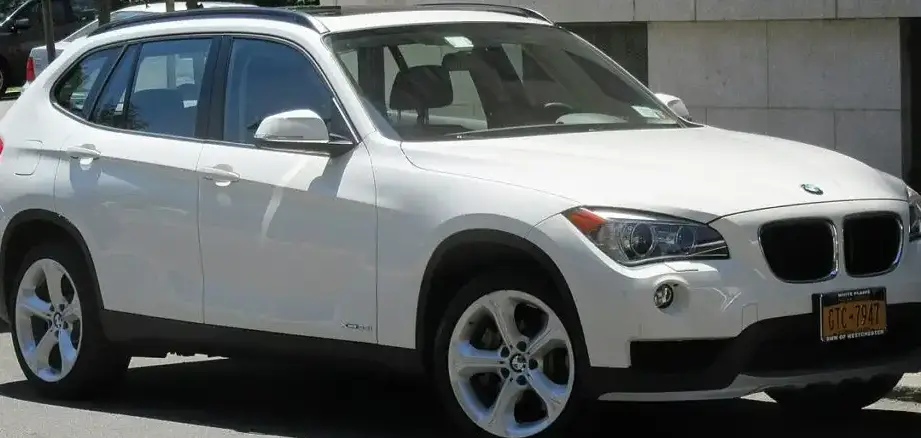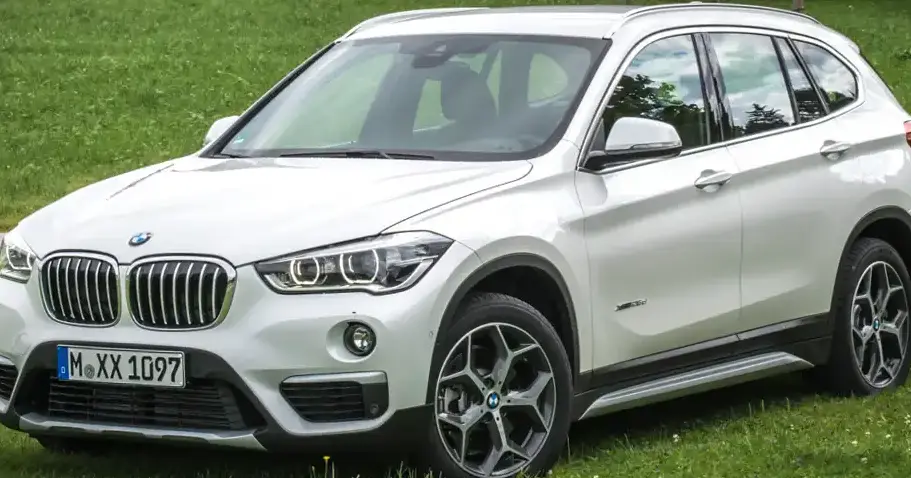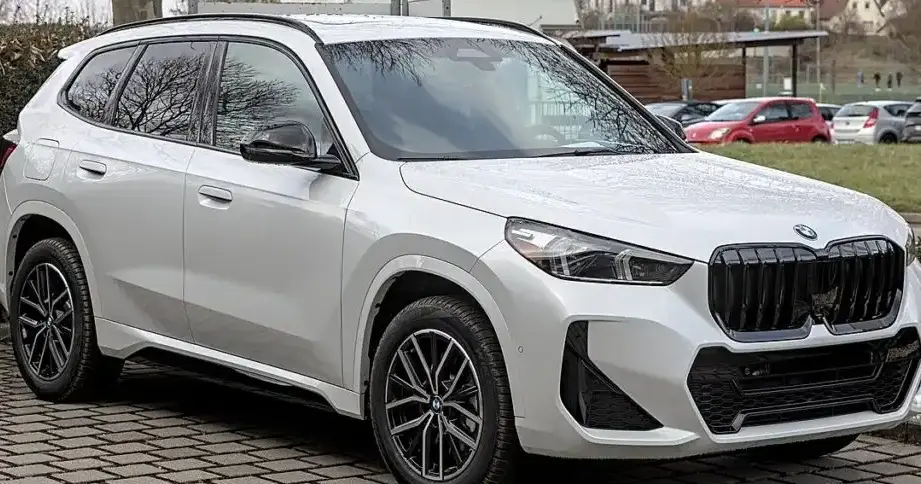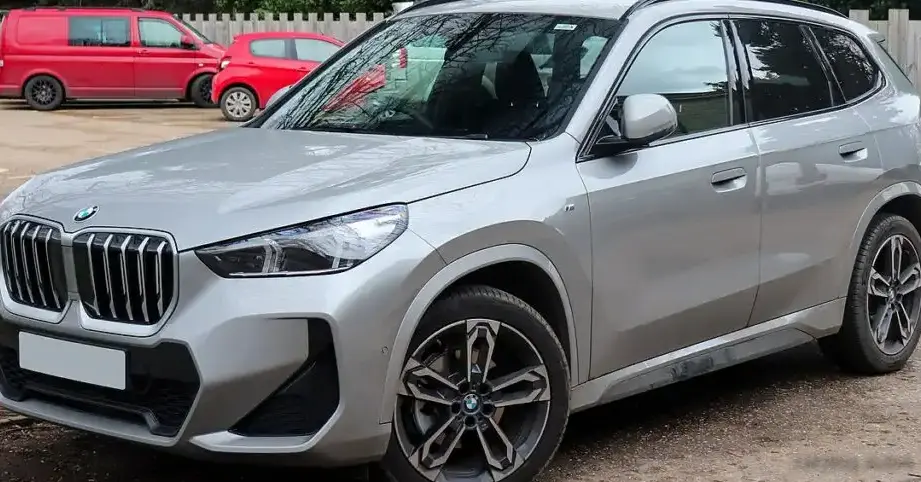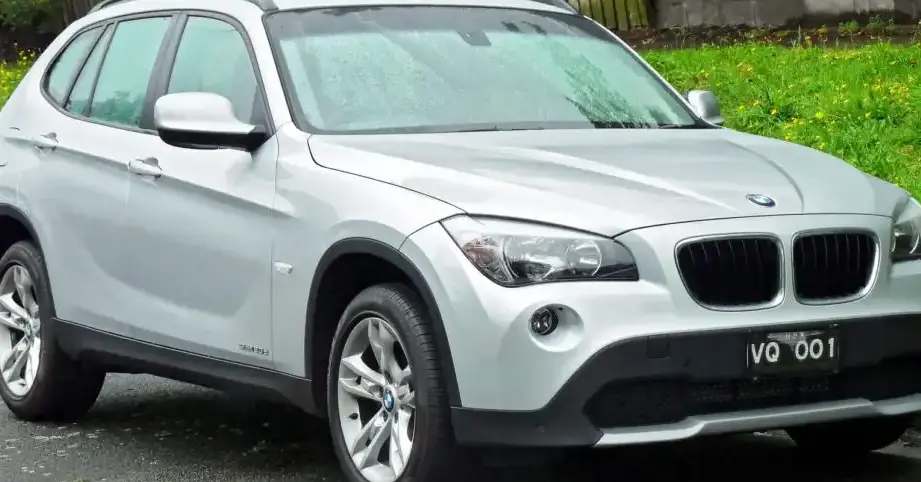
The BMW X1 (F48, facelift 2019) 18d, producing 150 horsepower, represents a key variant within the second generation of BMW’s compact SUV. Introduced with the 2019 facelift, this model aimed to balance fuel efficiency with acceptable performance for everyday driving. Positioned as a mid-range offering, it slotted between the entry-level X1 16d and the more powerful X1 20d in many European markets. The F48 X1, built from 2015 to 2022, marked a significant shift for BMW’s smallest SUV, moving to a front-wheel-drive based platform (UKL1) – a departure from the rear-wheel-drive bias of previous generations. This 18d variant was particularly popular in Europe where diesel engines remained dominant, offering a compelling combination of economy and practicality.
Technical Specifications
| Brand | BMW |
| Model | X1 |
| Generation | X1 (F48, facelift 2019) |
| Type (Engine) | 18d (150 Hp) |
| Start of production | 2019 |
| End of production | 2022 |
| Powertrain Architecture | Internal Combustion engine |
| Body type | SUV |
| Seats | 5 |
| Doors | 5 |
| Fuel consumption (urban) | 4.9-5.3 l/100 km (48 – 44.4 US mpg, 57.6 – 53.3 UK mpg, 20.4 – 18.9 km/l) |
| Fuel consumption (extra urban) | 3.9-4.2 l/100 km (60.3 – 56 US mpg, 72.4 – 67.3 UK mpg, 25.6 – 23.8 km/l) |
| Fuel consumption (combined) | 4.3-4.6 l/100 km (54.7 – 51.1 US mpg, 65.7 – 61.4 UK mpg, 23.3 – 21.7 km/l) |
| CO2 emissions | 113-121 g/km |
| Fuel Type | Diesel |
| Acceleration 0 – 100 km/h | 9.3 sec |
| Acceleration 0 – 62 mph | 9.3 sec |
| Acceleration 0 – 60 mph | 8.8 sec |
| Maximum speed | 205 km/h (127.38 mph) |
| Emission standard | Euro 6d-TEMP |
| Weight-to-power ratio | 10 kg/Hp, 99.7 Hp/tonne |
| Weight-to-torque ratio | 4.3 kg/Nm, 232.6 Nm/tonne |
| Power | 150 Hp @ 4000 rpm |
| Torque | 350 Nm @ 1750-2500 rpm (258.15 lb.-ft. @ 1750-2500 rpm) |
| Engine layout | Front, Transverse |
| Engine Model/Code | B47C20B |
| Engine displacement | 1995 cm3 (121.74 cu. in.) |
| Number of cylinders | 4 |
| Engine configuration | Inline |
| Cylinder Bore | 84 mm (3.31 in.) |
| Piston Stroke | 90 mm (3.54 in.) |
| Compression ratio | 16.5:1 |
| Number of valves per cylinder | 4 |
| Fuel injection system | Diesel Commonrail |
| Engine aspiration | Twin-power turbo, Intercooler |
| Engine oil capacity | 5.5 l (5.81 US qt | 4.84 UK qt) |
| Coolant | 7 l (7.4 US qt | 6.16 UK qt) |
| Kerb Weight | 1505 kg (3317.96 lbs.) |
| Max. weight | 2090 kg (4607.66 lbs.) |
| Max load | 585 kg (1289.7 lbs.) |
| Trunk (boot) space – minimum | 505 l (17.83 cu. ft.) |
| Trunk (boot) space – maximum | 1550 l (54.74 cu. ft.) |
| Fuel tank capacity | 51 l (13.47 US gal | 11.22 UK gal) |
| Max. roof load | 80 kg (176.37 lbs.) |
| Permitted trailer load with brakes (8%) | 1800 kg (3968.32 lbs.) |
| Permitted trailer load with brakes (12%) | 1800 kg (3968.32 lbs.) |
| Permitted trailer load without brakes | 750 kg (1653.47 lbs.) |
| Length | 4447 mm (175.08 in.) |
| Width | 1821 mm (71.69 in.) |
| Width including mirrors | 2060 mm (81.1 in.) |
| Height | 1598 mm (62.91 in.) |
| Wheelbase | 2670 mm (105.12 in.) |
| Front track | 1561 mm (61.46 in.) |
| Rear (Back) track | 1562 mm (61.5 in.) |
| Front overhang | 848 mm (33.39 in.) |
| Rear overhang | 929 mm (36.57 in.) |
| Minimum turning circle | 11.4 m (37.4 ft.) |
| Drivetrain Architecture | The Internal combustion engine (ICE) drives the front wheels of the vehicle. |
| Drive wheel | Front wheel drive |
| Number of gears and type of gearbox | 6 gears, manual transmission |
| Front suspension | Independent coil spring |
| Rear suspension | Independent multi-link suspension |
| Front brakes | Ventilated discs |
| Rear brakes | Ventilated discs |
| Assisting systems | ABS (Anti-lock braking system) |
| Steering type | Steering rack and pinion |
| Power steering | Electric Steering |
| Tires size | 225/55 R17 97W |
| Wheel rims size | 7.5J x 17 |
Powertrain & Engine Architecture
The BMW X1 18d utilizes the B47C20B engine, a 2.0-liter inline-four cylinder diesel engine. This engine is a member of BMW’s modular engine family, known for its efficiency and refinement. The B47 features a common-rail direct fuel injection system operating at extremely high pressures (typically around 2,500 bar) for optimized combustion. It’s equipped with a single twin-scroll turbocharger with variable geometry turbine (VGT) technology, and an intercooler to enhance performance. The engine produces 150 horsepower at 4,000 rpm and 350 Nm (258 lb-ft) of torque between 1,750 and 2,500 rpm. The 6-speed manual transmission was standard, offering a balance between fuel economy and driver engagement. The engine’s layout, being front-transverse, was a key element of the UKL1 platform’s front-wheel-drive architecture.
Driving Characteristics
The X1 18d, with its 150 hp and manual transmission, provided adequate performance for daily commuting and general driving. Acceleration from 0-60 mph took approximately 8.8 seconds, and top speed was limited to 127.38 mph. While not a sporty performer, the engine delivered a usable amount of torque at low to mid-range revs, making it easy to navigate city traffic and maintain highway speeds. Compared to the more powerful X1 20d, the 18d felt noticeably slower, especially during overtaking maneuvers. The manual gearbox, while providing more driver involvement than an automatic, had relatively long throws. The front-wheel-drive configuration, while improving fuel efficiency, didn’t offer the same dynamic handling as BMW’s traditional rear-wheel-drive setups.
Equipment & Trim Levels
The X1 18d typically came with a reasonable level of standard equipment. This included features like automatic climate control, a 6.5-inch infotainment system with iDrive controller, Bluetooth connectivity, and a suite of safety features such as ABS, stability control, and multiple airbags. Interior upholstery was generally cloth, with options for leather upgrades. Common optional extras included a larger infotainment screen, navigation system, parking sensors, a panoramic sunroof, and various driver assistance systems. Trim levels varied by market, but generally offered packages that added cosmetic enhancements and additional comfort features.
Chassis & Braking
The F48 X1’s chassis was designed to maximize interior space and provide a comfortable ride. The front suspension utilized independent coil springs, while the rear employed an independent multi-link setup. This configuration aimed to balance ride comfort with handling stability. Brakes consisted of ventilated discs on all four wheels, providing adequate stopping power for the vehicle’s weight. The steering system was an electric power-assisted rack and pinion, offering light and precise steering feel. The X1 18d’s curb weight of 1505 kg (3317.96 lbs) was relatively low for its class, contributing to its reasonable fuel economy and handling.
Market Reception & Comparison
The X1 18d was generally well-received by automotive critics as a practical and fuel-efficient option within the compact SUV segment. Its diesel engine offered excellent economy, with combined fuel consumption figures ranging from 4.3 to 4.6 l/100 km (54.7 – 51.1 US mpg). Compared to the X1 20d, the 18d was more affordable but offered less performance. The 18d also provided better fuel economy than the petrol-powered X1 16i. Reliability was generally good, although some owners reported issues with the diesel particulate filter (DPF) system, particularly on vehicles used primarily for short trips.
Legacy
The BMW X1 (F48) 18d has established itself as a popular choice in the used car market, particularly in Europe. Its combination of fuel efficiency, practicality, and relatively low running costs makes it an attractive option for buyers seeking a compact SUV. The B47 engine, while known for potential DPF issues, is generally considered a robust and reliable unit when properly maintained. The shift to a front-wheel-drive platform with the F48 generation broadened the X1’s appeal, attracting a wider range of customers. Today, well-maintained examples of the X1 18d continue to offer a compelling value proposition for those seeking a versatile and economical SUV.