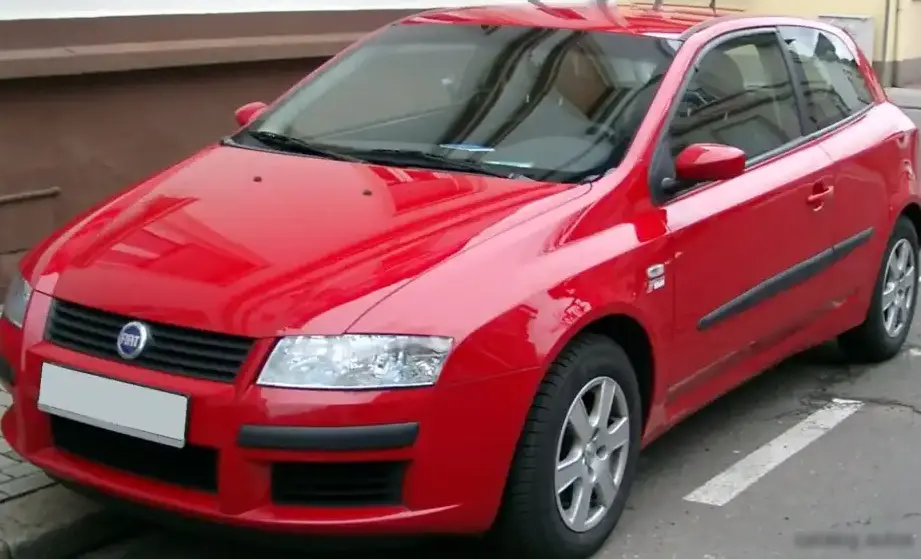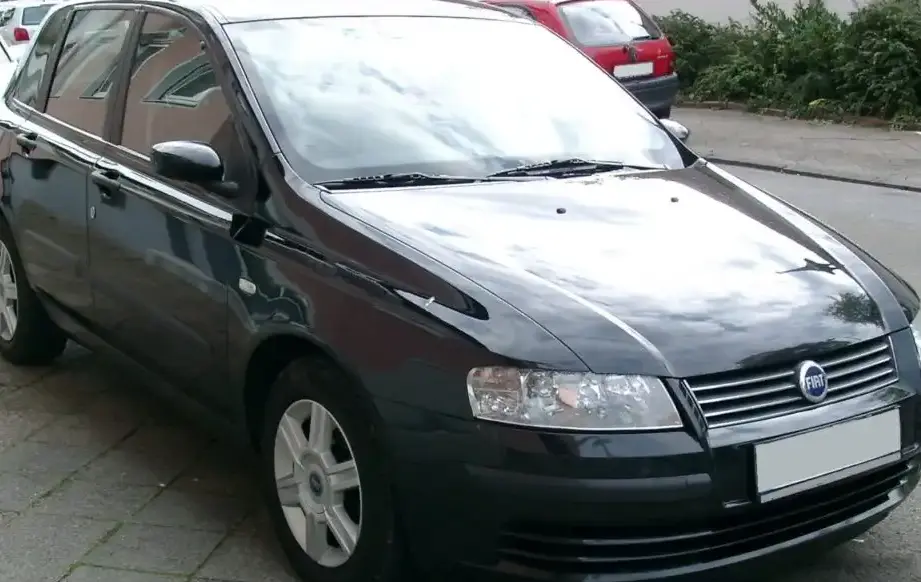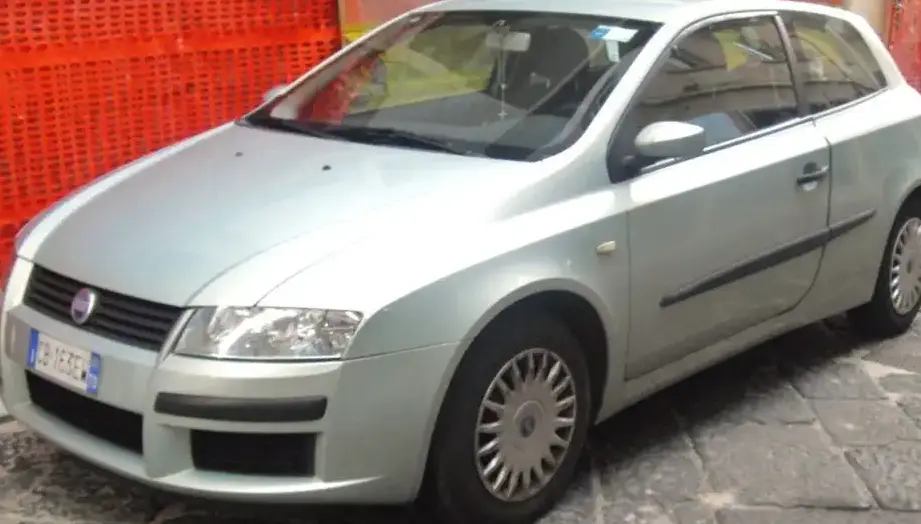
The Fiat Stilo 3-door 1.6 16V, produced from 2001 to 2003, represented a key offering in Fiat’s compact hatchback lineup. Positioned as a stylish and practical option, it aimed to appeal to a younger demographic seeking a blend of performance and affordability. This variant sat within the broader Stilo range, which included both 3-door and 5-door body styles, and a variety of engine options, including diesel and higher-performance gasoline engines. The 1.6 16V model was generally considered a mid-range trim, offering a step up from the base engine while remaining more accessible than the more powerful options.
Technical Specifications
| Brand | Fiat |
| Model | Stilo |
| Generation | Stilo (3-door) |
| Type (Engine) | 1.6 16V (103 Hp) |
| Start of production | 2001 |
| End of production | 2003 |
| Powertrain Architecture | Internal Combustion engine |
| Body type | Hatchback |
| Seats | 5 |
| Doors | 3 |
| Fuel consumption (urban) | 10.3 l/100 km (22.8 US mpg) |
| Fuel consumption (extra urban) | 5.7 l/100 km (41.3 US mpg) |
| Fuel consumption (combined) | 7.3 l/100 km (32.2 US mpg) |
| Fuel Type | Petrol (Gasoline) |
| Acceleration 0 – 100 km/h | 10.5 sec |
| Acceleration 0 – 62 mph | 10.5 sec |
| Acceleration 0 – 60 mph | 10 sec |
| Maximum speed | 185 km/h (114.95 mph) |
| Weight-to-power ratio | 11.2 kg/Hp |
| Weight-to-torque ratio | 7.9 kg/Nm |
| Power | 103 Hp @ 5750 rpm |
| Torque | 145 Nm @ 4000 rpm (106.95 lb.-ft. @ 4000 rpm) |
| Engine layout | Front, Transverse |
| Engine Model/Code | 182B6000 |
| Engine displacement | 1596 cm3 (97.39 cu. in.) |
| Number of cylinders | 4 |
| Engine configuration | Inline |
| Cylinder Bore | 80.5 mm (3.17 in.) |
| Piston Stroke | 78.4 mm (3.09 in.) |
| Compression ratio | 10.5:1 |
| Number of valves per cylinder | 4 |
| Fuel injection system | Multi-port manifold injection |
| Engine aspiration | Naturally aspirated |
| Valvetrain | DOHC |
| Engine oil capacity | 3.9 l (4.12 US qt | 3.43 UK qt) |
| Coolant capacity | 6.6 l (6.97 US qt | 5.81 UK qt) |
| Kerb Weight | 1150 kg (2535.32 lbs.) |
| Max. weight | 1650 kg (3637.63 lbs.) |
| Max load | 500 kg (1102.31 lbs.) |
| Trunk (boot) space – minimum | 305 l (10.77 cu. ft.) |
| Trunk (boot) space – maximum | 1000 l (35.31 cu. ft.) |
| Fuel tank capacity | 58 l (15.32 US gal | 12.76 UK gal) |
| Length | 4180 mm (164.57 in.) |
| Width | 1785 mm (70.28 in.) |
| Height | 1475 mm (58.07 in.) |
| Wheelbase | 2600 mm (102.36 in.) |
| Front track | 1515 mm (59.65 in.) |
| Rear track | 1510 mm (59.45 in.) |
| Drivetrain Architecture | Front wheel drive |
| Number of gears | 5 |
| Gearbox type | Manual transmission |
| Front suspension | Spring Strut |
| Rear suspension | Coil spring |
| Front brakes | Ventilated discs |
| Rear brakes | Disc |
| Assisting systems | ABS (Anti-lock braking system) |
| Steering type | Steering rack and pinion |
| Tires size | 195/65 R15 |
| Wheel rims size | 6.5J x 15 |
INTRODUCTION
The Fiat Stilo 3-door 1.6 16V, launched in 2001, was a significant model for Fiat, representing a move towards more contemporary design and engineering. Built on the 1HX0/A3 platform, shared with other Stellantis products, the Stilo aimed to offer a more refined and engaging driving experience than its predecessors. The 3-door variant specifically targeted a younger, style-conscious buyer, offering a sportier aesthetic compared to the more practical 5-door version. This 1.6-liter engine option was positioned as a sweet spot in the range, balancing performance with fuel efficiency and affordability.
Powertrain & Engine Architecture
At the heart of the Stilo 1.6 16V lies the 182B6000 engine, a naturally aspirated, inline-four cylinder gasoline engine displacing 1596cc. This engine featured a double overhead camshaft (DOHC) valvetrain with four valves per cylinder, contributing to its relatively high output for its size. Fuel delivery was handled by a multi-port fuel injection system, providing precise fuel metering for optimal combustion. The engine produced 103 horsepower at 5750 rpm and 145 Nm (106.95 lb-ft) of torque at 4000 rpm. The engine’s design prioritized smooth operation and reasonable fuel economy over outright performance. The Stilo 1.6 16V was typically paired with a 5-speed manual transmission, although an optional automatic transmission was also available, albeit less common. The automatic transmission was a conventional torque converter type, offering smooth shifts but at the expense of some efficiency and responsiveness.
Driving Characteristics
The Stilo 1.6 16V offered a comfortable and predictable driving experience. With 103 hp, acceleration was adequate for everyday driving, with a 0-60 mph time of around 10 seconds. The engine felt responsive enough in the mid-range, making it suitable for both city and highway driving. Compared to the more powerful 2.0-liter versions, the 1.6 lacked the outright punch for spirited driving, but it offered better fuel economy and a more forgiving nature. The 5-speed manual transmission provided precise shifts, while the optional automatic, while smooth, felt somewhat sluggish in comparison. The steering was light and accurate, making the Stilo easy to maneuver in urban environments. The suspension provided a good balance between comfort and handling, absorbing bumps reasonably well while maintaining a stable feel in corners.
Equipment & Trim Levels
The Stilo 1.6 16V typically came equipped with a reasonable level of standard features. These included power steering, central locking, electric front windows, and an adjustable steering column. Higher trim levels added features such as air conditioning, alloy wheels, a CD player, and upgraded interior trim. Interior upholstery was typically cloth, with a choice of colors and patterns. The dashboard layout was modern for its time, with a clear instrument cluster and logically arranged controls. Optional extras included a sunroof, rear parking sensors, and a more advanced audio system.
Chassis & Braking
The Stilo 3-door featured a MacPherson strut front suspension and a coil spring rear suspension. This setup provided a good balance of ride comfort and handling. The front brakes were ventilated discs, offering good stopping power, while the rear brakes were solid discs. Anti-lock Braking System (ABS) was standard, enhancing safety by preventing wheel lockup during hard braking. The chassis was relatively lightweight, contributing to the Stilo’s nimble handling characteristics. The 3-door model benefited from a slightly stiffer chassis compared to the 5-door version, further enhancing its handling.
Market Reception & Comparison
The Fiat Stilo 1.6 16V was generally well-received by automotive critics, who praised its stylish design, comfortable interior, and reasonable performance. However, some critics noted that the engine lacked the refinement and power of some of its competitors. Compared to other engines in the Stilo lineup, the 1.6 16V offered the best balance of fuel economy and affordability. The 2.0-liter engine provided more performance but at a higher price and with increased fuel consumption. The diesel engines offered excellent fuel economy but lacked the refinement of the gasoline engines. In terms of reliability, the Stilo 1.6 16V proved to be generally reliable, although some owners reported minor issues with the electrical system.
Legacy
The Fiat Stilo, while not a runaway sales success, remains a fondly remembered car for many enthusiasts. The 1.6 16V variant, in particular, is appreciated for its affordability, practicality, and relatively low running costs. Today, well-maintained examples of the Stilo 1.6 16V can be found on the used car market at very reasonable prices. The engine itself is known for its durability, and parts availability is generally good. While it may not offer the performance or features of more modern cars, the Stilo 1.6 16V remains a viable option for those seeking a stylish and affordable compact hatchback.