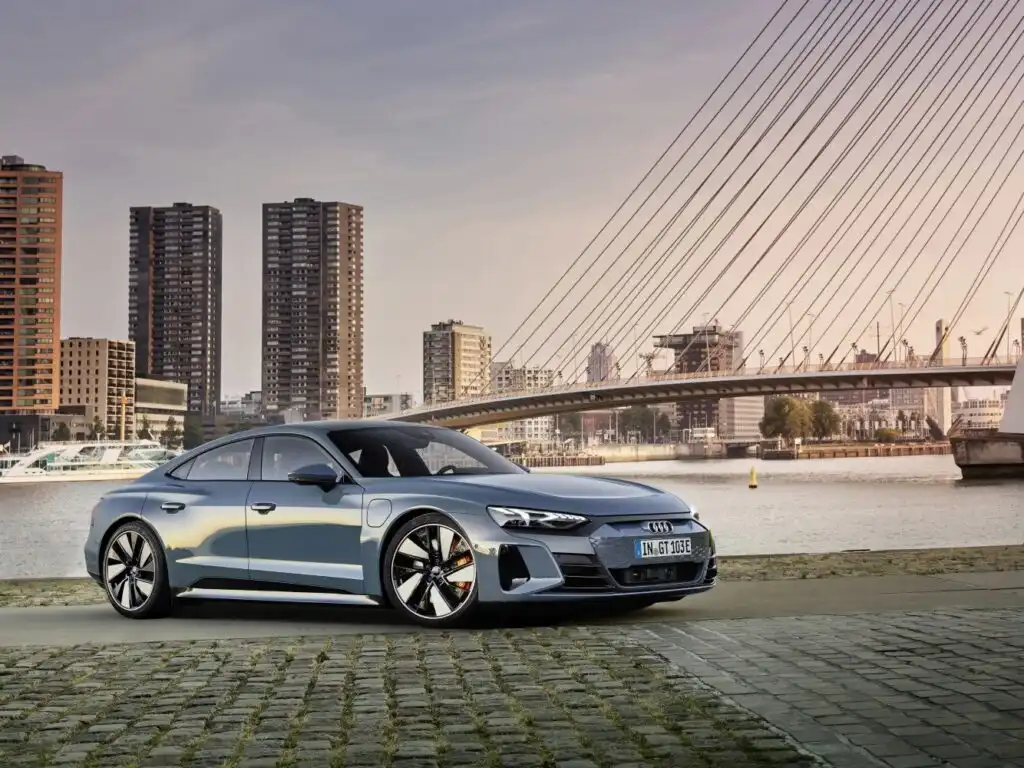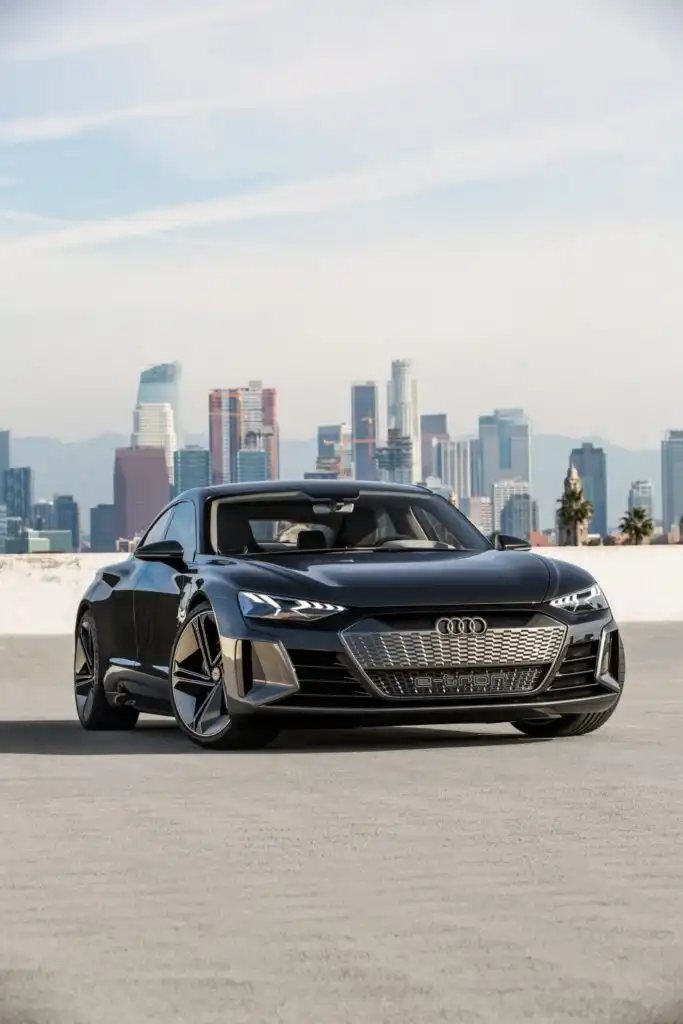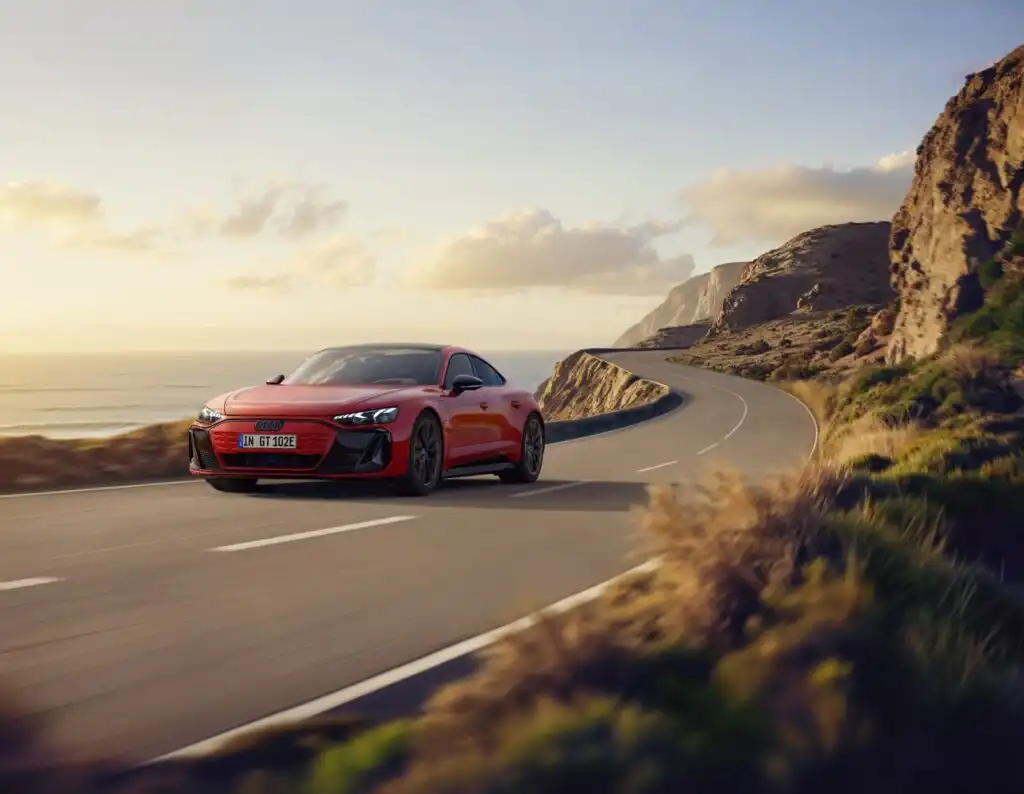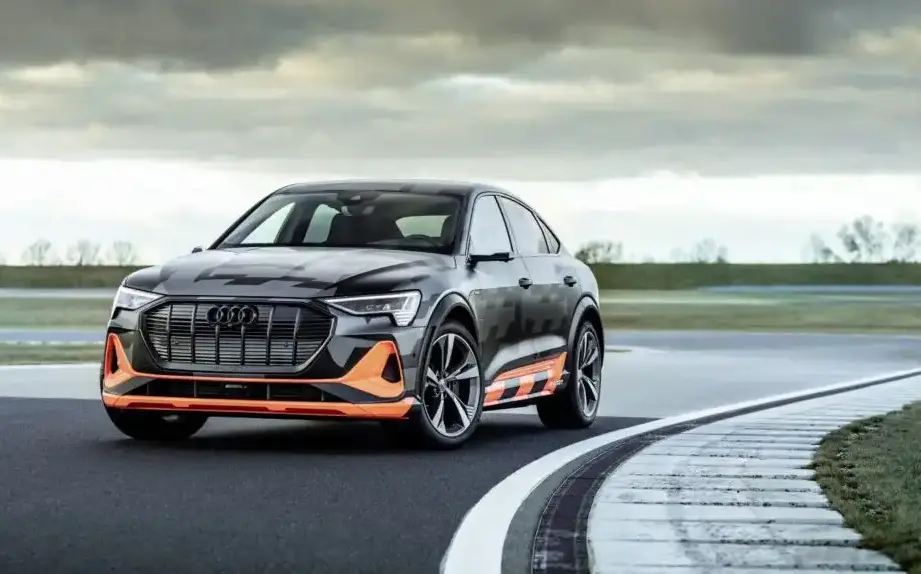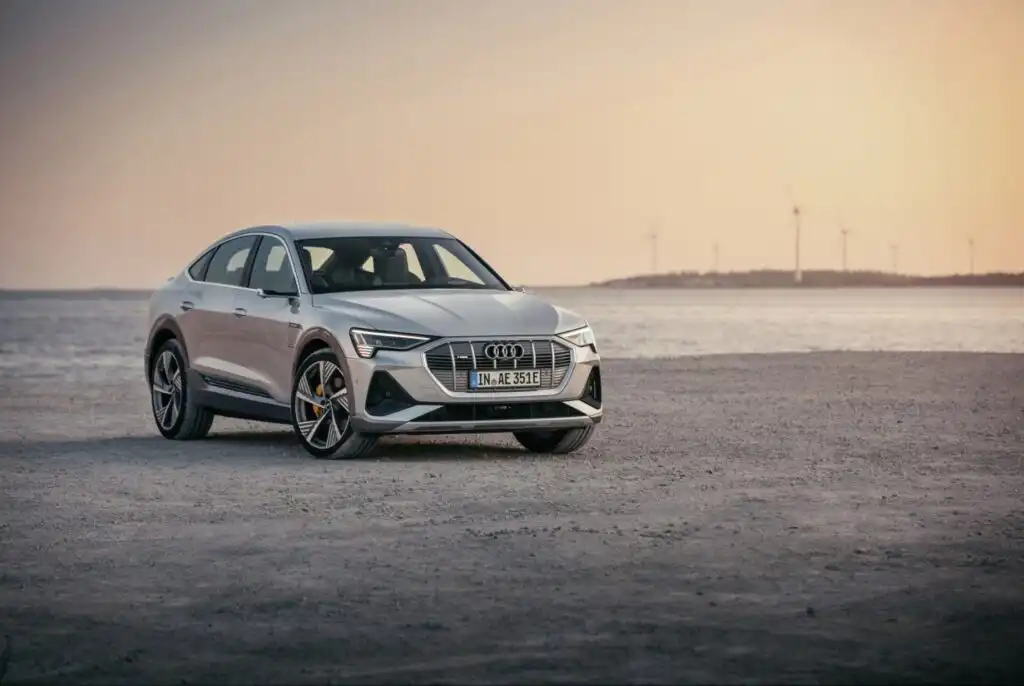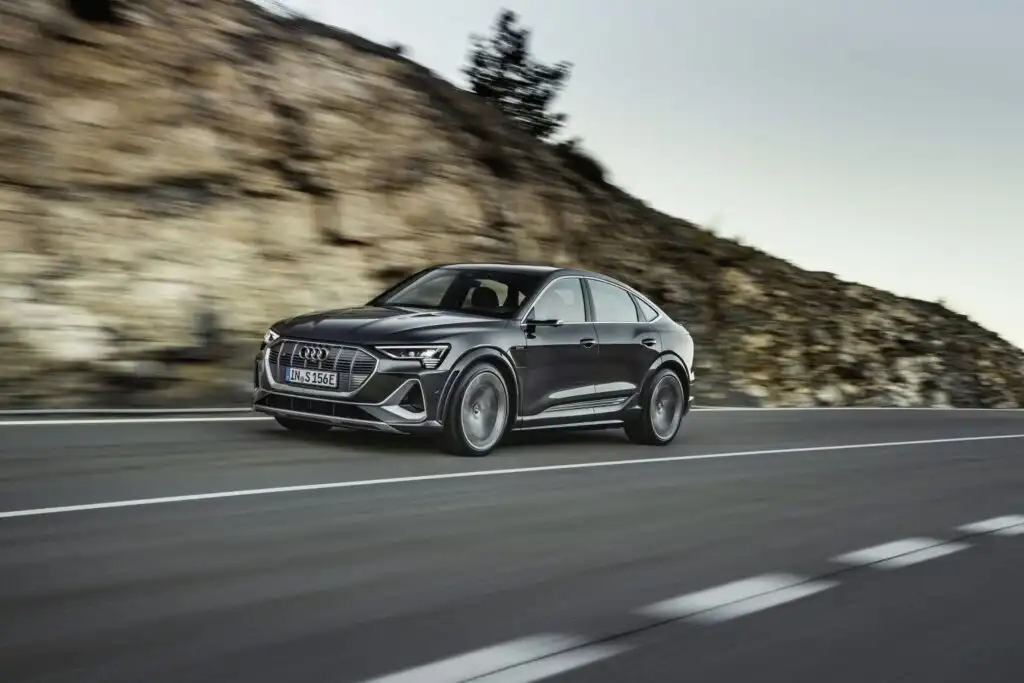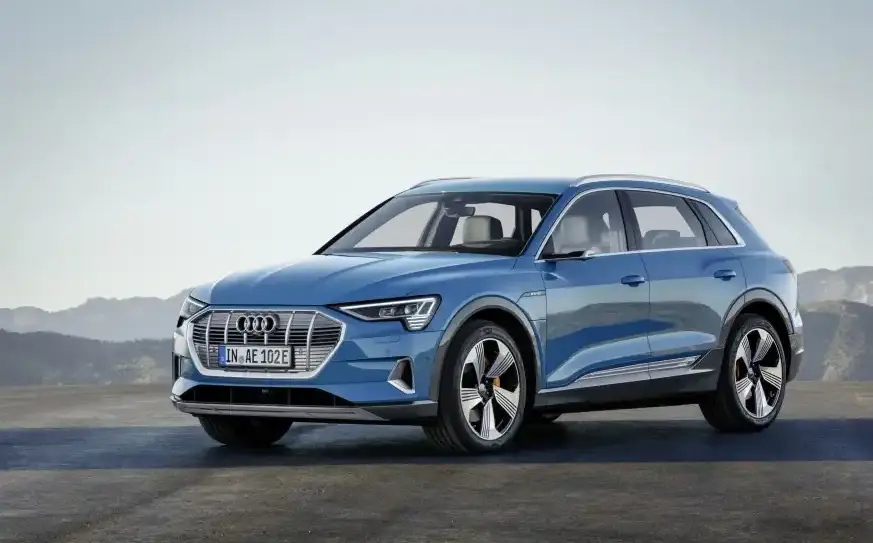
The Audi e-tron 55 95 kWh quattro, launched in September 2018 and produced through November 2019, represents Audi’s initial foray into the all-electric SUV market. Positioned as a premium offering, it aimed to compete with established electric vehicles like the Tesla Model X and Jaguar I-Pace. This variant, designated “55” by Audi, signified a balance between performance, range, and practicality within the first-generation e-tron lineup (internally known as the Q80). It served as the primary launch version in many markets, including the United States, showcasing Audi’s electric technology and design language.
Technical Specifications
| Brand | Audi |
| Model | e-tron |
| Generation | e-tron |
| Type | 55 95 kWh (408 Hp) quattro |
| Start of production | September, 2018 |
| End of production | November, 2019 |
| Powertrain Architecture | BEV (Electric Vehicle) |
| Body type | SUV |
| Seats | 5 |
| Doors | 5 |
| Fuel Type | Electricity |
| Acceleration 0 – 100 km/h | 5.7 sec |
| Acceleration 0 – 62 mph | 5.7 sec |
| Acceleration 0 – 60 mph | 5.4 sec |
| Maximum speed | 200 km/h (124.27 mph) |
| Weight-to-power ratio | 6.1 kg/Hp |
| Weight-to-torque ratio | 3.8 kg/Nm |
| Gross battery capacity | 95 kWh |
| Net (usable) battery capacity | 83.6 kWh |
| Battery voltage | 396 V |
| Battery technology | Lithium-ion (Li-Ion) |
| Battery weight | 700 kg (1543.24 lbs) |
| Battery location | Below the floor |
| Recuperation output | 220 kW |
| All-electric range (WLTP) | 417 km (259.11 mi) |
| Average Energy consumption (WLTP) | 22.6-26.2 kWh/100 km (36.37 – 42.16 kWh/100 mi) |
| Average Energy consumption (NEDC) | 23.7-24.6 kWh/100 km (38.14 – 39.59 kWh/100 mi) |
| Electric motor power (Rear) | 224 Hp |
| Electric motor Torque (Rear) | 355 Nm (261.83 lb.-ft.) |
| Electric motor location (Rear) | Rear axle, Transverse |
| Electric motor type (Rear) | Asynchronous |
| Electric motor power (Front) | 184 Hp |
| Electric motor Torque (Front) | 309 Nm (227.91 lb.-ft.) |
| Electric motor location (Front) | Front axle, Transverse |
| Electric motor type (Front) | Asynchronous |
| System power | 408 Hp |
| System torque | 664 Nm (489.74 lb.-ft.) |
| Kerb Weight | 2490 kg (5489.51 lbs) |
| Max. weight | 3130 kg (6900.47 lbs) |
| Max load | 640 kg (1410.96 lbs) |
| Trunk (boot) space – minimum | 660 l (23.31 cu. ft.) |
| Trunk (boot) space – maximum | 1725 l (60.92 cu. ft.) |
| Max. roof load | 75 kg (165.35 lbs) |
| Permitted trailer load with brakes (8%) | 1800 kg (3968.32 lbs) |
| Permitted trailer load without brakes | 750 kg (1653.47 lbs) |
| Length | 4901 mm (192.95 in) |
| Width | 1935 mm (76.18 in) |
| Height | 1629 mm (64.13 in) |
| Wheelbase | 2928 mm (115.28 in) |
| Front track | 1655 mm (65.16 in) |
| Rear track | 1652 mm (65.04 in) |
| Front suspension | Independent multi-link suspension, Transverse stabilizer, Air suspension |
| Rear suspension | Independent multi-link suspension, Air suspension, Transverse stabilizer |
| Front brakes | Ventilated discs |
| Rear brakes | Ventilated discs |
| Number of gears | 1 |
| Gearbox type | Automatic transmission |
Powertrain & Engine Architecture
The e-tron 55 quattro utilizes a dual-motor, all-wheel-drive (quattro) powertrain. Each axle houses an asynchronous electric motor. The front motor produces 184 hp and 309 Nm (227.91 lb-ft) of torque, while the rear motor generates 224 hp and 355 Nm (261.83 lb-ft) of torque. Combined, the system delivers a total output of 408 hp and 664 Nm (489.74 lb-ft). The powertrain is powered by a 95 kWh (gross) lithium-ion battery pack, providing 83.6 kWh of usable capacity. This battery is positioned low in the vehicle floor, contributing to a lower center of gravity and improved handling. Audi employed a sophisticated thermal management system to regulate battery temperature, ensuring optimal performance and longevity. The e-tron features a single-speed automatic transmission for each axle, simplifying the drivetrain and maximizing efficiency. The car supports DC fast charging, allowing for significant range replenishment in relatively short periods.
Driving Characteristics
The e-tron 55 quattro offers a smooth and refined driving experience. Acceleration from 0-60 mph takes approximately 5.4 seconds. The instant torque delivery characteristic of electric motors provides brisk acceleration, particularly in the initial stages. The quattro all-wheel-drive system ensures excellent traction in various weather conditions. The single-speed transmission means there are no gear changes, resulting in seamless power delivery. Compared to potential higher-performance e-tron variants (like the 55 S), the 55 offers a more balanced approach, prioritizing comfort and efficiency over outright speed. The regenerative braking system allows for one-pedal driving in certain situations, enhancing convenience and energy recovery. The air suspension provides a comfortable ride, absorbing bumps and imperfections in the road surface effectively.
Equipment & Trim Levels
The e-tron 55 quattro came standard with a comprehensive suite of features, including Audi’s Virtual Cockpit digital instrument cluster, a dual-touchscreen infotainment system, leather upholstery, heated front seats, and a panoramic sunroof. Standard safety features included adaptive cruise control, lane keeping assist, and automatic emergency braking. Optional extras included massaging front seats, a Bang & Olufsen premium sound system, and a head-up display. Trim levels were relatively streamlined, with options primarily revolving around exterior and interior customization choices. The focus was on providing a luxurious and technologically advanced experience.
Chassis & Braking
The e-tron 55 quattro features an independent multi-link suspension at both the front and rear axles, complemented by adaptive air suspension. This system allows for adjustable ride height and damping characteristics, optimizing comfort and handling. Ventilated disc brakes are used on all four wheels, providing ample stopping power. The electronic brake-force distribution (EBD) and anti-lock braking system (ABS) enhance braking performance and stability. The vehicle’s low center of gravity, thanks to the battery pack’s placement, contributes to reduced body roll and improved cornering agility.
Market Reception & Comparison
The Audi e-tron 55 quattro was generally well-received by automotive critics. It was praised for its luxurious interior, comfortable ride, and refined driving experience. However, some critics noted that its range was somewhat less than competitors like the Tesla Model X. Fuel economy, expressed as MPGe, ranged from 80-93, depending on driving conditions. Compared to the higher-performance e-tron 55 S variant, the 55 offered a more affordable entry point into the e-tron lineup, appealing to buyers prioritizing comfort and efficiency over outright performance. The 55 also offered a more practical and comfortable experience than some of the sportier electric SUVs on the market.
Legacy
The Audi e-tron 55 95 kWh quattro served as a crucial stepping stone for Audi in the electric vehicle market. While early models experienced some software glitches, the powertrain has proven to be relatively reliable. On the used car market, these early e-trons represent a relatively affordable entry point into the luxury electric SUV segment. Battery degradation is a common concern with any used electric vehicle, and potential buyers should have the battery health assessed before purchase. The e-tron’s influence can be seen in subsequent Audi electric models, which have benefited from the lessons learned during the development and production of the first-generation e-tron.