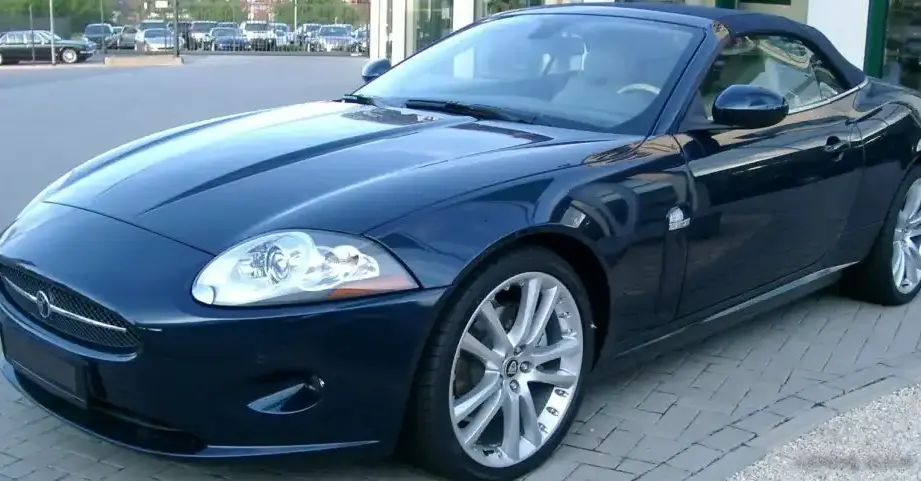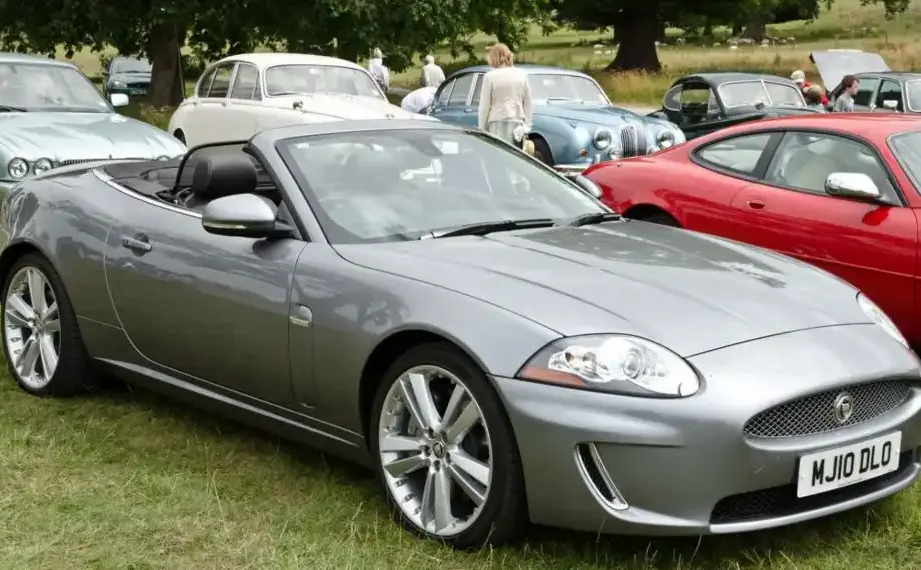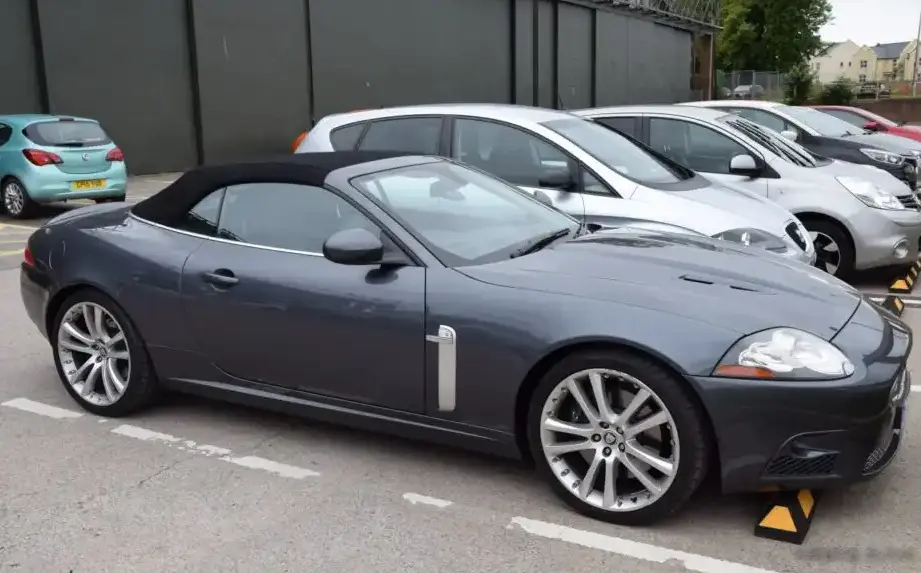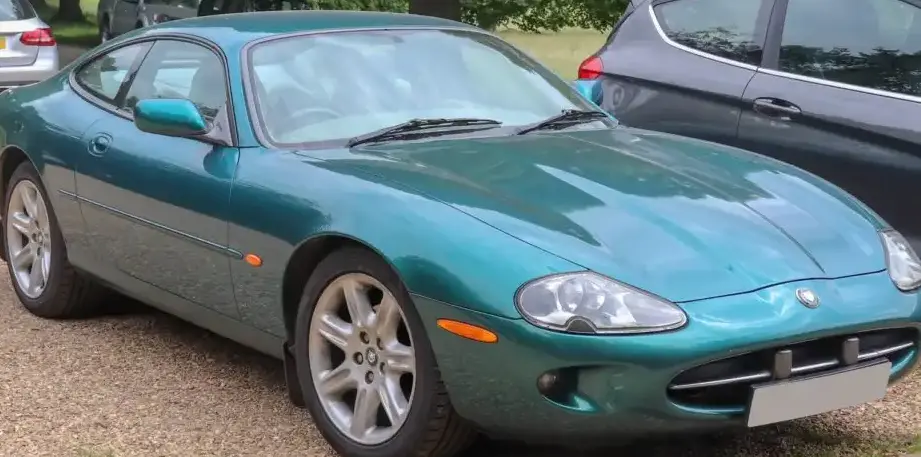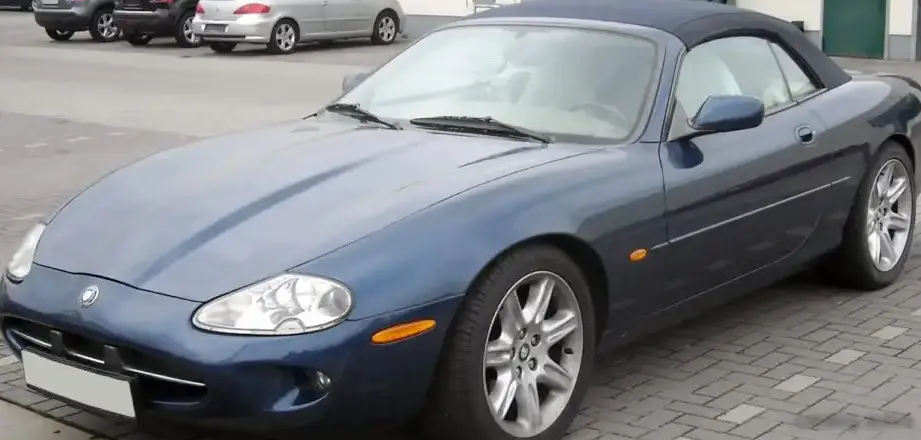
The Jaguar XK Convertible (X100) 4.2 V8 Automatic, produced between 2002 and 2005, represented a significant step forward for Jaguar’s grand touring lineage. Falling within the X100 generation, which spanned from 1996 to 2006, this variant offered a compelling blend of British luxury, performance, and open-air driving enjoyment. Positioned as a mid-to-upper range offering within the XK lineup, it sat above the base 4.0-liter models and below the supercharged XKR variants. The X100 platform was a clean-sheet design for Jaguar, moving away from the aging XJS it replaced, and aimed to recapture the spirit of the iconic E-Type.
Technical Specifications
| Brand | Jaguar |
| Model | XK |
| Generation | XK Convertible (X100) |
| Type (Engine) | 4.2 V8 (298 Hp) Automatic |
| Start of production | 2002 |
| End of production | 2005 |
| Powertrain Architecture | Internal Combustion engine |
| Body type | Cabriolet |
| Seats | 4 |
| Doors | 2 |
| Fuel consumption (urban) | 16.8 l/100 km (14 US mpg, 16.8 UK mpg, 6 km/l) |
| Fuel consumption (extra urban) | 8.3 l/100 km (28.3 US mpg, 34 UK mpg, 12 km/l) |
| Fuel consumption (combined) | 11.4 l/100 km (20.6 US mpg, 24.8 UK mpg, 8.8 km/l) |
| Fuel Type | Petrol (Gasoline) |
| Acceleration 0 – 100 km/h | 6.6 sec |
| Acceleration 0 – 62 mph | 6.6 sec |
| Acceleration 0 – 60 mph | 6.3 sec |
| Maximum speed | 250 km/h (155.34 mph) |
| Weight-to-power ratio | 6 kg/Hp, 167.9 Hp/tonne |
| Weight-to-torque ratio | 4.3 kg/Nm, 231.5 Nm/tonne |
| Power | 298 Hp @ 6800 rpm |
| Power per litre | 71 Hp/l |
| Torque | 411 Nm @ 4100 rpm (303.14 lb.-ft. @ 4100 rpm) |
| Engine layout | Front, Longitudinal |
| Engine Model/Code | AJ33 |
| Engine displacement | 4196 cm3 (256.06 cu. in.) |
| Number of cylinders | 8 |
| Engine configuration | V-engine |
| Cylinder Bore | 86 mm (3.39 in.) |
| Piston Stroke | 90.3 mm (3.56 in.) |
| Compression ratio | 11:1 |
| Number of valves per cylinder | 4 |
| Fuel injection system | Multi-port manifold injection |
| Engine aspiration | Naturally aspirated engine |
| Valvetrain | DOHC |
| Engine oil capacity | 7 l (7.4 US qt | 6.16 UK qt) |
| Coolant capacity | 9.5 l (10.04 US qt | 8.36 UK qt) |
| Kerb Weight | 1775 kg (3913.21 lbs.) |
| Max. weight | 2160 kg (4761.98 lbs.) |
| Max load | 385 kg (848.78 lbs.) |
| Trunk (boot) space – minimum | 307 l (10.84 cu. ft.) |
| Fuel tank capacity | 75 l (19.81 US gal | 16.5 UK gal) |
| Length | 4760 mm (187.4 in.) |
| Width | 1829 mm (72.01 in.) |
| Height | 1306 mm (51.42 in.) |
| Wheelbase | 2588 mm (101.89 in.) |
| Front track | 1504 mm (59.21 in.) |
| Rear (Back) track | 1498 mm (58.98 in.) |
| Drivetrain Architecture | Rear wheel drive |
| Number of gears | 6 |
| Gearbox type | Automatic transmission |
| Front suspension | Double wishbone |
| Rear suspension | Double wishbone |
| Front brakes | Ventilated discs |
| Rear brakes | Ventilated discs |
| Assisting systems | ABS (Anti-lock braking system) |
| Steering type | Steering rack and pinion |
| Tires size | 245/50 R17 |
Powertrain & Engine Architecture
At the heart of the XK 4.2 resided the AJ33 engine, a naturally aspirated 4.2-liter V8. This engine represented a significant upgrade over the earlier 4.0-liter unit, featuring a revised block, cylinder heads, and fuel injection system. The AJ33 utilized multi-port fuel injection and a double overhead camshaft (DOHC) valvetrain with four valves per cylinder, contributing to its smooth power delivery and responsiveness. The engine produced 298 horsepower at 6,800 rpm and 303 lb-ft of torque at 4,100 rpm. Paired with this engine was a six-speed automatic transmission, offering smooth shifts and a comfortable driving experience. This transmission was specifically tuned to complement the V8’s characteristics, providing a balance between performance and refinement. The engine’s longitudinal front-engine layout and rear-wheel drive configuration were traditional for a grand tourer, emphasizing driving dynamics.
Driving Characteristics
The 4.2-liter V8 Automatic XK Convertible offered a distinctly different driving experience compared to its 4.0-liter predecessor and the supercharged XKR. While not as brutally fast as the XKR, the 4.2 provided ample power for comfortable and confident cruising, as well as spirited driving. Acceleration from 0-60 mph took approximately 6.3 seconds, and it could reach a top speed of 155 mph. The automatic transmission, while smooth, did result in a slight loss of responsiveness compared to the available manual transmission. Gear ratios were optimized for both acceleration and highway cruising, providing a relaxed experience at higher speeds. The suspension, tuned for comfort, absorbed bumps effectively, but the car’s weight (approximately 3,913 lbs) was noticeable in corners.
Equipment & Trim Levels
The XK 4.2 Convertible came standard with a generous array of features, reflecting its positioning as a luxury grand tourer. Standard equipment included leather upholstery, power-adjustable front seats, automatic climate control, a premium sound system, and alloy wheels. Optional extras included heated seats, navigation system, upgraded leather trim, and a sport suspension package. Interior trim options typically included a range of wood veneers and leather colors, allowing buyers to personalize their vehicle. The dashboard layout was classic Jaguar, featuring analog gauges and a wood-trimmed center console.
Chassis & Braking
The X100 chassis utilized a double wishbone suspension system at both the front and rear, providing a comfortable ride and good handling characteristics. Ventilated disc brakes were fitted to all four wheels, providing ample stopping power. Anti-lock Braking System (ABS) was standard. The car’s weight distribution was relatively balanced, contributing to its stability. The steering was rack and pinion, offering precise control and feedback. The standard tire size was 245/50 R17, providing a good balance between grip and ride comfort.
Market Reception & Comparison
The Jaguar XK 4.2 Convertible was generally well-received by automotive critics. It was praised for its elegant styling, luxurious interior, and smooth, refined driving experience. However, some critics noted that the automatic transmission could feel slightly sluggish compared to the manual option, and the car’s weight limited its agility. Compared to the 4.0-liter XK, the 4.2 offered a noticeable improvement in performance and refinement. Compared to the supercharged XKR, it provided a more relaxed and comfortable driving experience, albeit with less outright speed. Fuel economy, at around 20.6 mpg combined, was typical for a V8-powered grand tourer of the era.
Legacy
The Jaguar XK 4.2 V8 Automatic has proven to be a relatively reliable powertrain, although maintenance costs can be higher than for more mainstream vehicles. The AJ33 engine is known for its durability, but regular maintenance, including oil changes and timing chain inspections, is crucial. The automatic transmission is generally reliable, but can require servicing over time. Today, the X100 XK Convertible remains a desirable classic, offering a blend of British luxury, performance, and open-air driving enjoyment. Well-maintained examples command reasonable prices in the used car market, appealing to enthusiasts seeking a stylish and refined grand tourer.