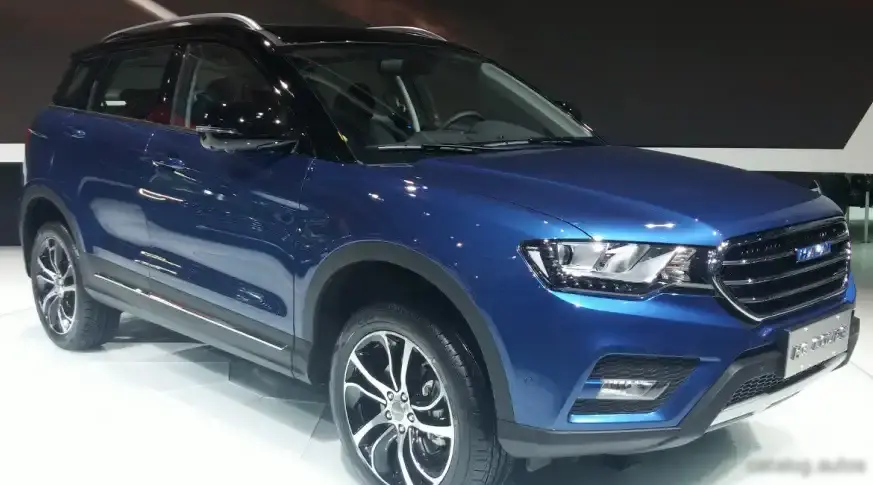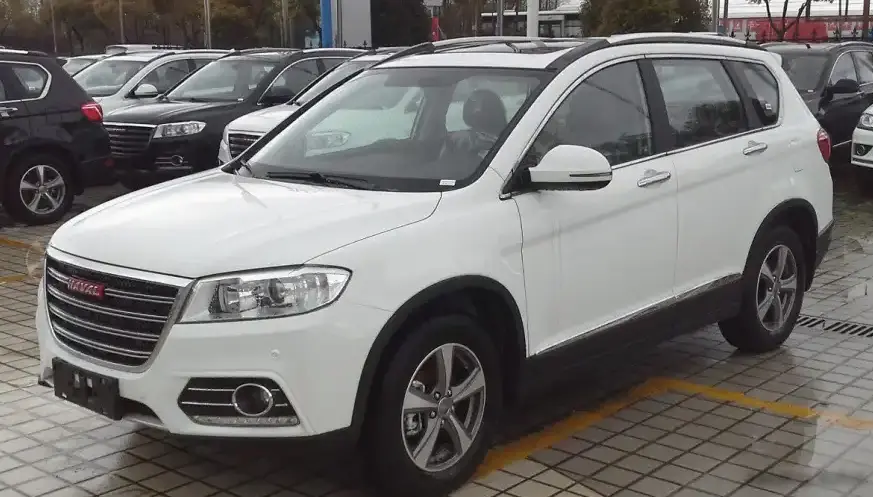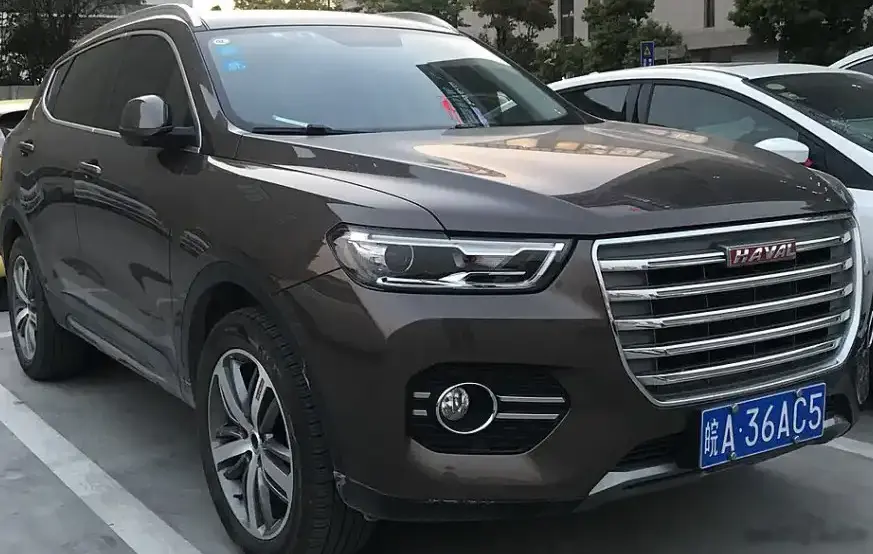
The Haval H6 II 2.0 GDIT (224 Hp) DCT represents a significant step in Haval’s ambition to establish itself as a major player in the global SUV market. Produced from September 2019 through 2020, this variant of the H6 II was positioned as a mid-to-upper range offering, bridging the gap between more basic trims and the fully-equipped luxury versions. It was primarily aimed at the Chinese domestic market, where Haval enjoys substantial popularity, but also represented an initial foray into potential export markets. The H6 II, built on an updated platform compared to its predecessor, sought to deliver a more refined driving experience and improved technology integration.
Technical Specifications
| Brand | Haval |
| Model | H6 |
| Generation | H6 II |
| Type (Engine) | 2.0 GDIT (224 Hp) DCT |
| Start of production | September, 2019 |
| End of production | 2020 |
| Powertrain Architecture | Internal Combustion engine |
| Body type | SUV |
| Seats | 5 |
| Doors | 5 |
| Fuel Type | Petrol (Gasoline) |
| Power | 224 Hp @ 5500 rpm |
| Torque | 385 Nm @ 1600-3600 rpm / 283.96 lb.-ft. @ 1600-3600 rpm |
| Engine layout | Front, Transverse |
| Engine Model/Code | GW4C20B |
| Engine configuration | Inline |
| Fuel injection system | Direct injection |
| Engine aspiration | Turbocharger, Intercooler |
| Valvetrain | DVVT |
| Engine oil capacity | 4.5 l / 4.76 US qt | 3.96 UK qt |
| Coolant | 7.7 l / 8.14 US qt | 6.78 UK qt |
| Length | 4600 mm / 181.1 in |
| Width | 1860 mm / 73.23 in |
| Height | 1720 mm / 67.72 in |
| Wheelbase | 2680 mm / 105.51 in |
| Drivetrain Architecture | The Internal combustion engine (ICE) drives the front wheels of the vehicle. |
| Drive wheel | Front wheel drive |
| Number of gears and type of gearbox | 7 gears, automatic transmission DCT |
| Front suspension | Independent type McPherson |
| Rear suspension | Double wishbone |
| Front brakes | Ventilated discs |
| Rear brakes | Ventilated discs |
| Assisting systems | ABS (Anti-lock braking system) |
| Tires size | 235/55 R19 |
| Wheel rims size | 19 |
Powertrain & Engine Architecture
The heart of the Haval H6 II 2.0 GDIT DCT is the GW4C20B engine, a 2.0-liter turbocharged inline-four cylinder gasoline engine. This engine utilizes direct fuel injection, a technology that improves both power and fuel efficiency by delivering fuel directly into the combustion chamber. The “GDIT” designation stands for Gasoline Direct Injection Technology. The engine also incorporates a twin continuously variable valve timing (DVVT) system, optimizing valve timing for improved performance across the engine’s operating range. The turbocharger, coupled with an intercooler, provides a significant boost in power output. The engine is transversely mounted in the front of the vehicle.
The transmission is a 7-speed dual-clutch transmission (DCT). DCTs offer faster and smoother gear changes compared to traditional automatic transmissions, contributing to a more engaging driving experience. The DCT’s programming is tuned for a balance between fuel economy and responsiveness. The DCT is known for its quick shifts and efficiency, but can sometimes exhibit slight hesitation at low speeds. This is a common characteristic of DCTs, particularly in stop-and-go traffic.
Driving Characteristics
The 224 horsepower and 283.96 lb-ft of torque delivered by the 2.0 GDIT engine provide the H6 II with respectable acceleration. While not a sports SUV, it offers sufficient power for confident highway merging and overtaking. The DCT transmission contributes to a relatively smooth and responsive driving experience. The gear ratios are optimized for both everyday driving and higher-speed cruising. Compared to lower-powered versions of the H6 II (typically utilizing 1.5-liter turbocharged engines), the 2.0 GDIT offers a noticeable performance upgrade. However, it doesn’t match the performance of some competitors offering larger displacement engines or more aggressive tuning.
The front-wheel-drive configuration provides adequate traction in most conditions, but lacks the all-weather capability of all-wheel-drive variants. The steering feel is generally light and precise, making it easy to maneuver in urban environments. The suspension is tuned for comfort, absorbing bumps and imperfections in the road surface effectively. Overall, the driving experience is geared towards providing a comfortable and relaxed ride rather than sporty handling.
Equipment & Trim Levels
The 2.0 GDIT DCT trim of the Haval H6 II typically included a comprehensive suite of standard features. These generally included leather upholstery, automatic climate control, a touchscreen infotainment system with navigation, a rearview camera, and a suite of driver-assistance systems such as ABS, electronic stability control, and tire pressure monitoring. Higher sub-trims within the 2.0 GDIT range offered additional features like a panoramic sunroof, heated and ventilated front seats, a premium sound system, and advanced driver-assistance features like adaptive cruise control and lane departure warning.
Interior materials were generally of good quality for the price point, with a focus on providing a comfortable and modern cabin environment. The dashboard layout is clean and intuitive, with easy-to-use controls. The infotainment system is responsive and offers a range of connectivity options, including Bluetooth and smartphone integration. The overall impression is one of a well-equipped and thoughtfully designed interior.
Chassis & Braking
The Haval H6 II utilizes an independent McPherson strut suspension setup at the front, providing a comfortable ride and responsive handling. The rear suspension employs a double wishbone configuration, further enhancing ride quality and stability. The vehicle is equipped with ventilated disc brakes on all four wheels, providing ample stopping power. The ABS (Anti-lock Braking System) helps to maintain steering control during emergency braking situations.
The chassis is designed to balance ride comfort with handling stability, offering a generally composed driving experience. The 19-inch wheels and 235/55 R19 tires contribute to both aesthetics and grip. The steering system is electrically assisted, providing a light and precise feel. The overall chassis setup is geared towards providing a comfortable and predictable driving experience.
Market Reception & Comparison
The Haval H6 II 2.0 GDIT DCT was generally well-received in the Chinese market, where it competed with established domestic brands and increasingly popular international SUVs. Critics praised the vehicle’s spacious interior, comfortable ride, and comprehensive feature set. The 2.0-liter engine was seen as a significant improvement over the smaller 1.5-liter options, providing a more satisfying driving experience. Fuel economy was considered competitive for its class.
Compared to other trims in the H6 II lineup, the 2.0 GDIT DCT offered a noticeable performance advantage but came at a higher price point. Reliability reports were still emerging during its short production run, but initial indications suggested a reasonable level of dependability. Competitors like the Geely Boyue and the Changan CS75 offered similar levels of equipment and performance, but the Haval H6 II distinguished itself with its spacious interior and comfortable ride.
Legacy
The Haval H6 II 2.0 GDIT DCT, despite its relatively short production run, played a crucial role in establishing Haval as a credible SUV manufacturer. The powertrain, while not without its minor quirks, proved to be generally reliable. On the used car market, these models represent a good value proposition, offering a well-equipped and reasonably powerful SUV at a competitive price. The DCT transmission, while requiring periodic maintenance, has proven to be durable in many examples.
As Haval continues to expand its global presence, the H6 II 2.0 GDIT DCT serves as a stepping stone in the brand’s evolution, demonstrating its commitment to delivering modern and capable SUVs. It represents a significant step forward in Haval’s engineering and design capabilities, and helped to pave the way for the brand’s future success. The H6 II, in all its variants, remains a popular choice in the Chinese market and is increasingly being recognized as a viable alternative to established international brands.