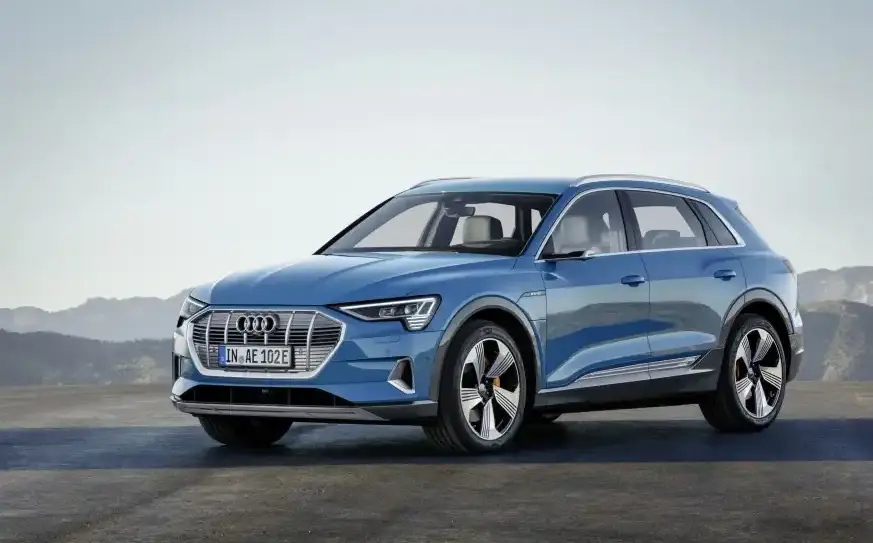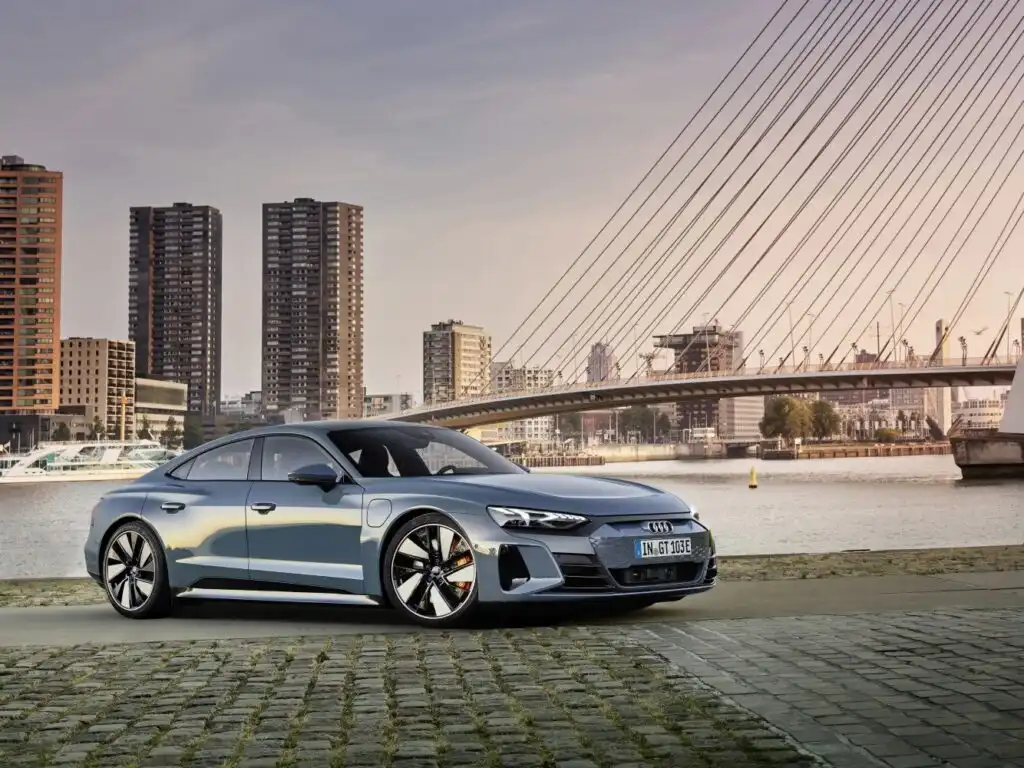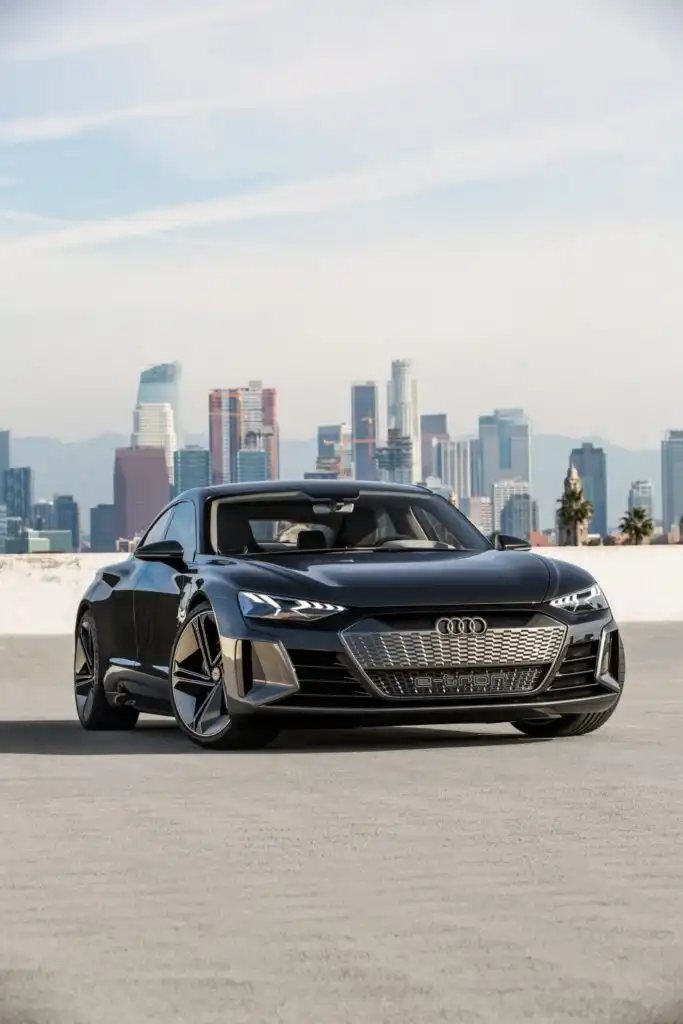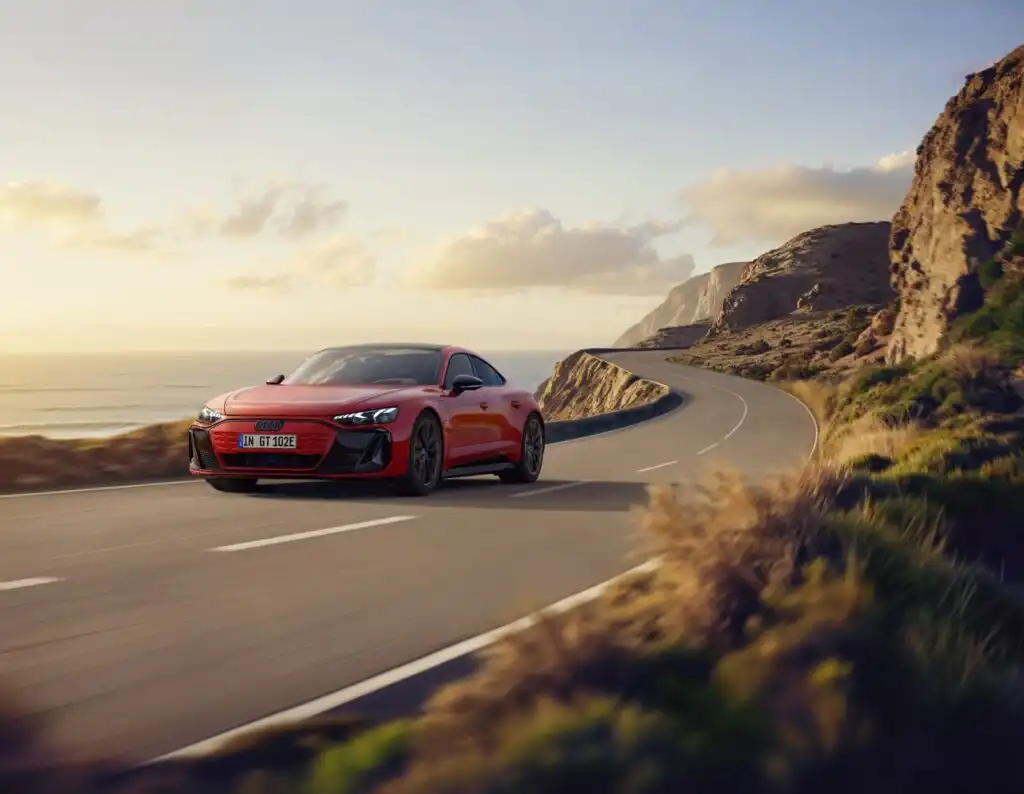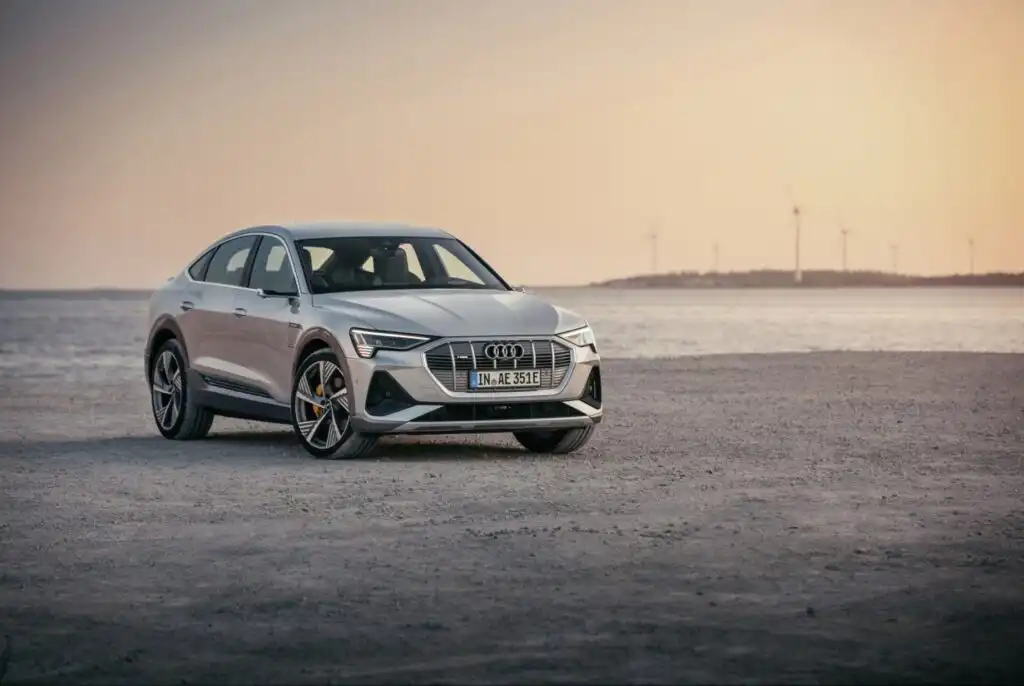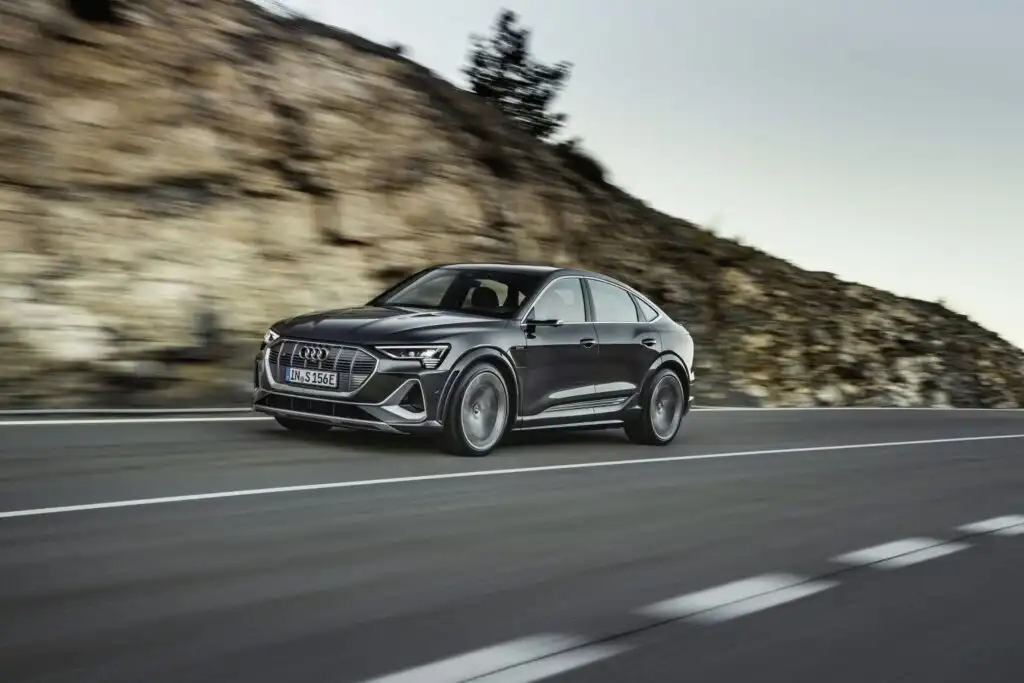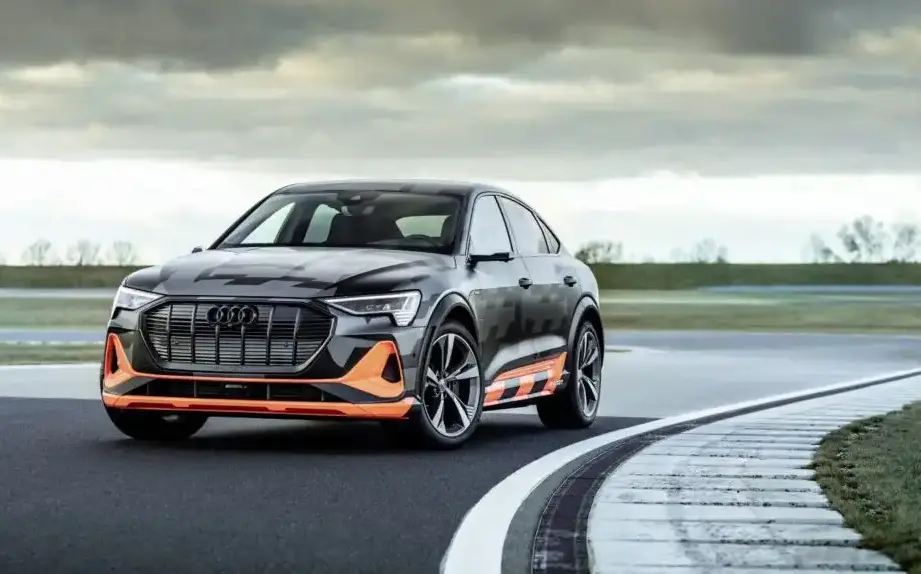
The Audi e-tron S, specifically the 95 kWh quattro variant, represents a high-performance iteration of Audi’s initial foray into all-electric SUVs. Introduced in November 2020 and produced through 2022, it sits within the first generation of the e-tron family (the 1HX0/A3 platform). This model aimed to deliver the luxury and refinement expected of an Audi, combined with the instant torque and acceleration characteristic of electric vehicles, while offering a more dynamic driving experience than the standard e-tron models. It was positioned as a premium offering, bridging the gap between the base e-tron and the later, more focused e-tron GT.
Technical Specifications
| Brand | Audi |
| Model | e-tron |
| Generation | e-tron |
| Type | S 95 kWh (503 Hp) quattro |
| Start of production | November, 2020 |
| End of production | 2022 |
| Powertrain Architecture | BEV (Electric Vehicle) |
| Body type | SUV |
| Seats | 5 |
| Doors | 5 |
| Fuel Type | Electricity |
| Acceleration 0 – 100 km/h | 4.5 sec |
| Acceleration 0 – 62 mph | 4.5 sec |
| Acceleration 0 – 60 mph | 4.3 sec |
| Maximum speed | 210 km/h (130.49 mph) |
| Weight-to-power ratio | 5.2 kg/Hp, 192 Hp/tonne |
| Weight-to-torque ratio | 2.7 kg/Nm, 371.4 Nm/tonne |
| Gross battery capacity | 95 kWh |
| Net (usable) battery capacity | 86 kWh |
| Battery voltage | 397 V |
| Battery technology | Lithium-ion (Li-Ion) |
| Battery weight | 700 kg (1543.24 lbs) |
| Battery location | Below the floor |
| Recuperation output | 270 kW |
| All-electric range (WLTP) | 344-372 km (213.75 – 231.15 mi) |
| Average Energy consumption (WLTP) | 26.2-28.4 kWh/100 km (42.16 – 45.71 kWh/100 mi) |
| Average Energy consumption (NEDC, WLTP equivalent) | 25.1-26.3 kWh/100 km (40.39 – 42.33 kWh/100 mi) |
| Electric motor 1 power | 213 Hp |
| Electric motor 1 torque | 355 Nm (261.83 lb.-ft.) |
| Electric motor 1 location | Front axle, Transverse |
| Electric motor 1 type | Asynchronous |
| Electric motor 2 power | 188 Hp |
| Electric motor 2 torque | 309 Nm (227.91 lb.-ft.) |
| Electric motor 2 location | Rear axle, Transverse |
| Electric motor 2 type | Asynchronous |
| Electric motor 3 power | 188 Hp |
| Electric motor 3 torque | 309 Nm (227.91 lb.-ft.) |
| Electric motor 3 location | Rear axle, Transverse |
| Electric motor 3 type | Asynchronous |
| System power | 503 Hp |
| System torque | 973 Nm (717.65 lb.-ft.) |
| Kerb Weight | 2620 kg (5776.11 lbs) |
| Max. weight | 3245 kg (7154 lbs) |
| Max load | 625 kg (1377.89 lbs) |
| Trunk (boot) space – minimum | 660 l (23.31 cu. ft.) |
| Trunk (boot) space – maximum | 1725 l (60.92 cu. ft.) |
| Max. roof load | 75 kg (165.35 lbs) |
| Permitted trailer load with brakes (8%) | 1800 kg (3968.32 lbs) |
| Permitted trailer load with brakes (12%) | 1800 kg (3968.32 lbs) |
| Permitted trailer load without brakes | 750 kg (1653.47 lbs) |
| Permitted towbar download | 80 kg (176.37 lbs) |
| Length | 4902 mm (192.99 in) |
| Width | 1976 mm (77.8 in) |
| Width including mirrors | 2189 mm (86.18 in) |
| Height | 1629 mm (64.13 in) |
| Wheelbase | 2928 mm (115.28 in) |
| Front track | 1683 mm (66.26 in) |
| Rear (Back) track | 1683 mm (66.26 in) |
| Front overhang | 928 mm (36.54 in) |
| Rear overhang | 1046 mm (41.18 in) |
| Ride height (ground clearance) | 172 mm (6.77 in) |
| Drag coefficient (Cd) | 0.28 |
| Minimum turning circle (turning diameter) | 12.2 m (40.03 ft) |
| Front suspension | Independent multi-link suspension, Transverse stabilizer, Air suspension |
| Rear suspension | Independent multi-link suspension, Air suspension, Transverse stabilizer |
| Front brakes | Ventilated discs, 400 mm |
| Rear brakes | Ventilated discs |
| Drive wheel | All wheel drive (4×4) |
| Number of gears and type of gearbox | 1 gears, automatic transmission |
| Tires size | 285/45 R20; 285/40 R21; 285/35 R22 |
| Wheel rims size | 10J x 20; 10.5J x 21; 10.5J x 22 |
Powertrain & Engine Architecture
The e-tron S 95 kWh quattro utilizes a tri-motor electric powertrain. Unlike some dual-motor EVs, Audi opted for a motor on the front axle and two independent motors powering the rear wheels. The front motor produces 213 hp and 355 Nm (261.83 lb-ft) of torque, while each rear motor delivers 188 hp and 309 Nm (227.91 lb-ft) of torque. Combined, this yields a total system output of 503 hp and a substantial 973 Nm (717.65 lb-ft) of torque. All motors are asynchronous induction motors, chosen for their robustness and efficiency. The 95 kWh battery pack, positioned low in the vehicle floor, provides a usable capacity of 86 kWh. The battery operates at 397V and employs lithium-ion technology. Audi’s thermal management system is crucial for maintaining optimal battery temperature, enabling fast charging and consistent performance. The single-speed automatic transmission is inherent to electric vehicle design, providing seamless acceleration.
Driving Characteristics
The tri-motor setup of the e-tron S quattro delivers a markedly different driving experience compared to the standard e-tron models. The dual rear motors enable torque vectoring, enhancing agility and stability, particularly during cornering. Acceleration is brisk, with a 0-60 mph time of around 4.3 seconds. While not as overtly sporty as some performance EVs, the e-tron S offers a refined and powerful driving experience. The single-speed transmission provides instant torque delivery, and the air suspension contributes to a comfortable ride. The weight of the vehicle (2620 kg / 5776.11 lbs) is noticeable, but the powerful electric motors mitigate this to a degree. Regenerative braking is adjustable, allowing drivers to tailor the level of deceleration when lifting off the throttle.
Equipment & Trim Levels
The e-tron S 95 kWh quattro came standard with a high level of equipment, befitting its premium positioning. Standard features included Audi’s Virtual Cockpit digital instrument cluster, a large touchscreen infotainment system with navigation, leather upholstery, heated and ventilated front seats, a panoramic sunroof, and a premium sound system. Available options included massaging front seats, a head-up display, and various driver-assistance systems such as adaptive cruise control and lane-keeping assist. Exterior options included different wheel designs and paint colors. Interior trim choices allowed for personalization, with options for wood or carbon fiber accents.
Chassis & Braking
The e-tron S features an independent multi-link suspension at both the front and rear axles, enhanced by adaptive air suspension. This system allows for adjustable ride height and damping, optimizing comfort and handling. Large ventilated disc brakes (400mm front, ventilated discs rear) provide ample stopping power. The electronic stability control (ESC) system is integrated with the torque vectoring capabilities of the rear motors, further enhancing stability. The steering system is electric power-assisted, offering precise and responsive control.
Market Reception & Comparison
The Audi e-tron S 95 kWh quattro was generally well-received by automotive critics. Praise was directed towards its powerful acceleration, refined ride quality, and luxurious interior. However, some reviewers noted its relatively high price and the limited range compared to some competitors. Compared to the standard e-tron, the S model offered a significant performance upgrade, but at a higher cost. Against rivals like the Porsche Taycan and Tesla Model S, the e-tron S positioned itself as a more comfort-oriented and traditionally luxurious option. Fuel economy, expressed as MPGe, ranged from 74-80, depending on driving conditions.
Legacy
The e-tron S represented an important step in Audi’s transition to electric mobility. While superseded by newer e-tron models with improved range and efficiency, the 95 kWh quattro remains a desirable vehicle in the used car market. The tri-motor powertrain proved to be reliable, and the robust construction of the e-tron platform suggests long-term durability. However, as with all EVs, battery health is a key consideration for potential buyers. The e-tron S paved the way for Audi’s future electric vehicles, demonstrating the brand’s commitment to innovation and performance in the electric era.