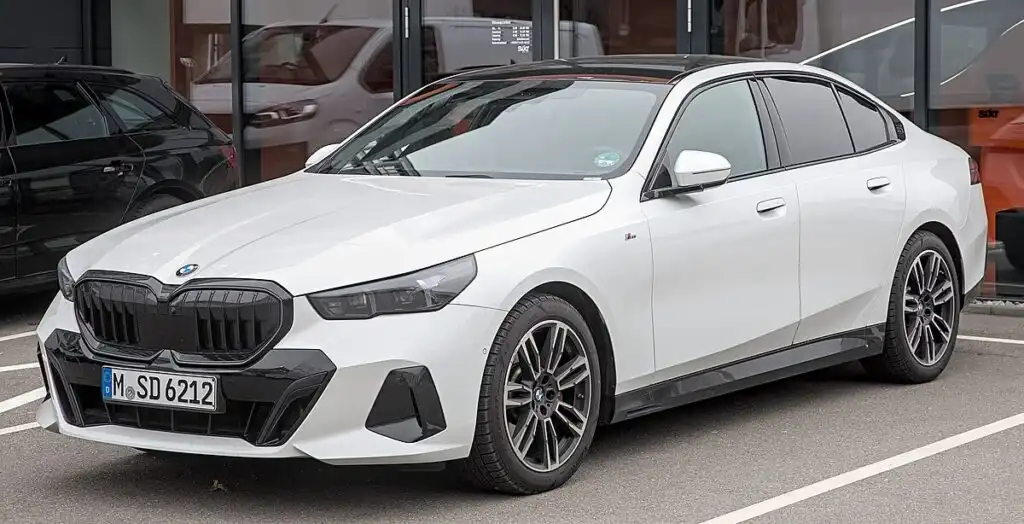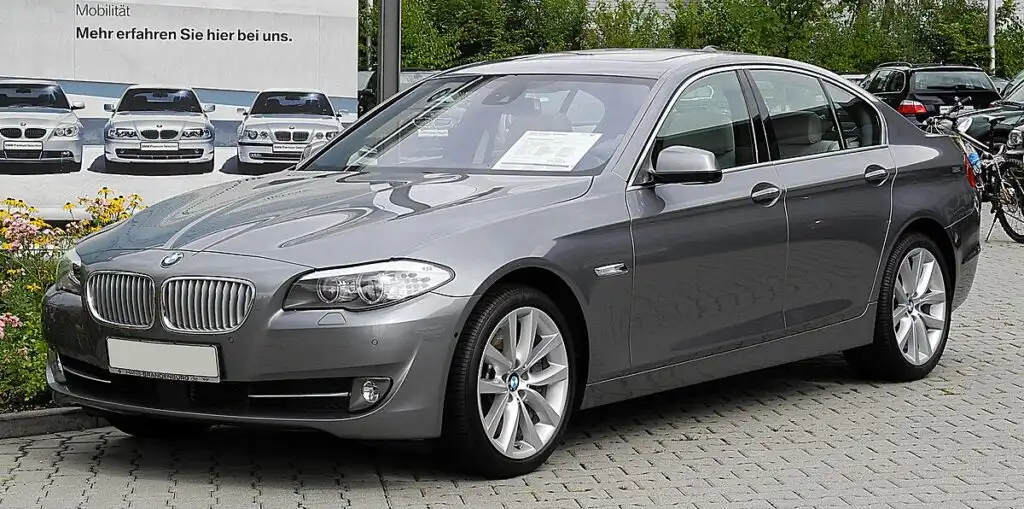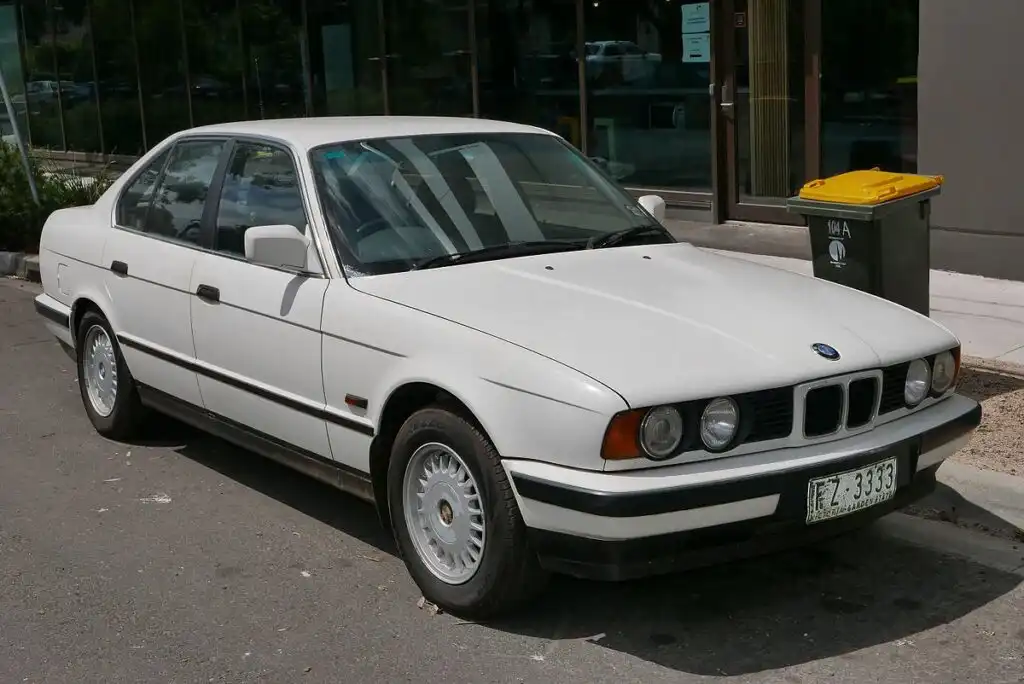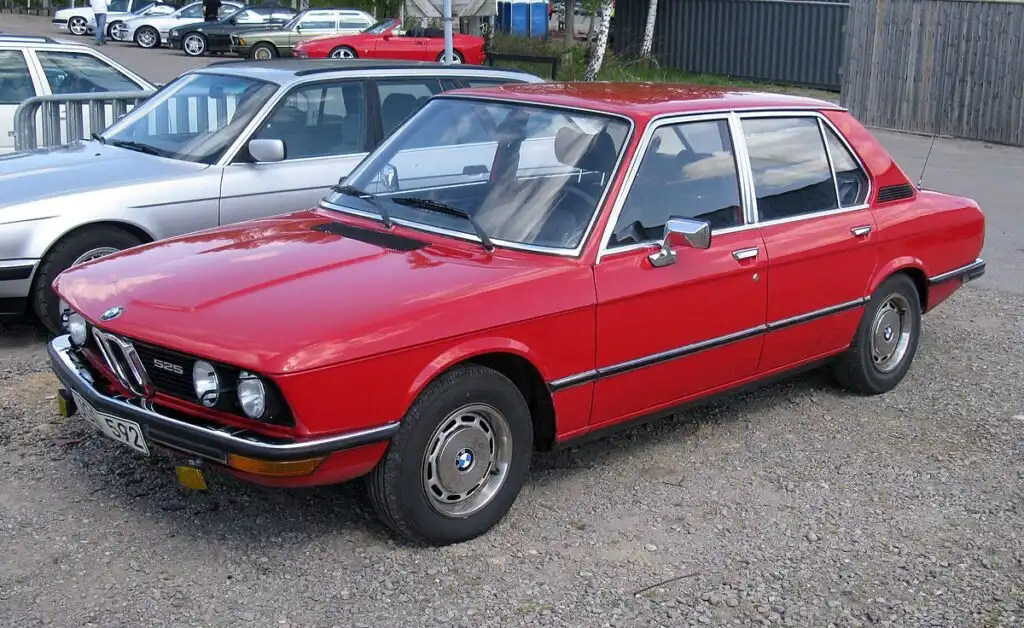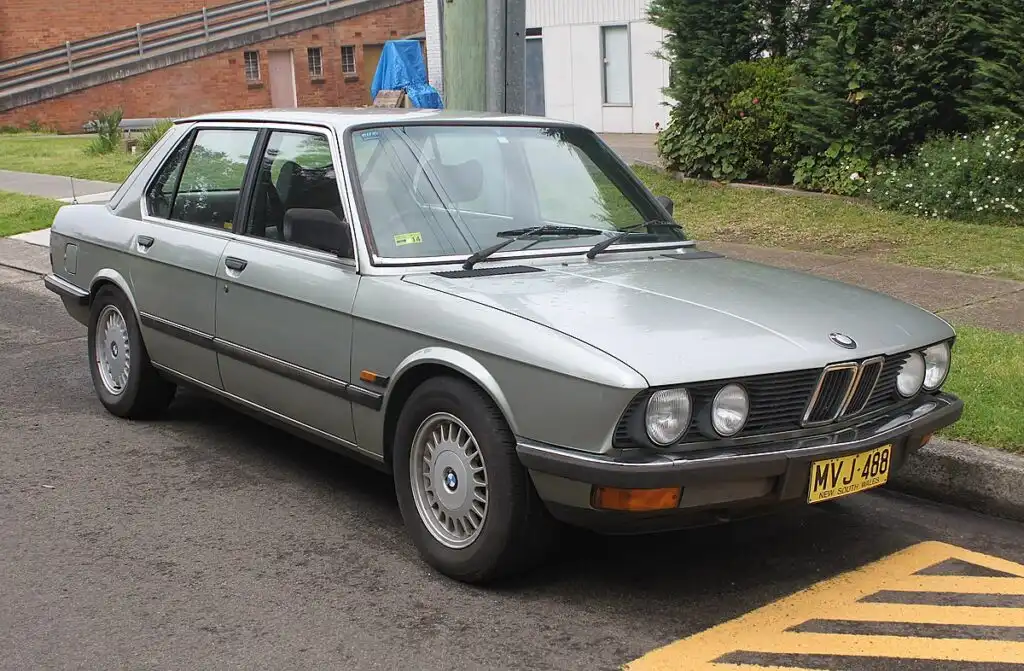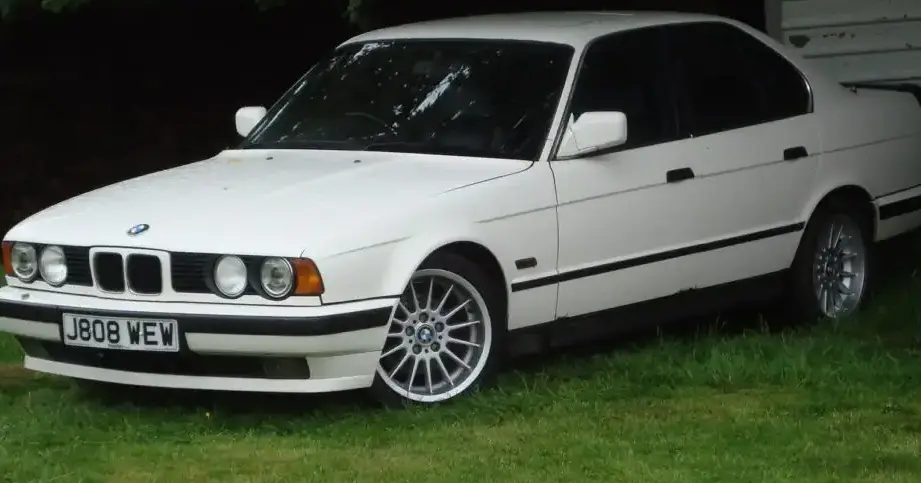
The BMW 5 Series E34 520i 24V, produced between 1989 and 1995, represented a significant evolution in BMW’s mid-size executive car lineup. Positioned as an entry-level offering within the E34 generation, it provided a balance of performance, refinement, and affordability. The “24V” designation refers to the four-valve-per-cylinder cylinder head, a key upgrade over earlier 520i models. This variant played a crucial role in broadening the appeal of the E34, attracting buyers who desired the BMW driving experience without the higher price tag of the 525i or 530i/540i models. It was a popular choice in Europe and other markets where fuel economy and purchase price were significant considerations.
Technical Specifications
| Brand | BMW |
| Model | 5 Series |
| Generation | 5 Series (E34) |
| Type (Engine) | 520i 24V (150 Hp) |
| Start of production | 1989 |
| End of production | 1995 |
| Powertrain Architecture | Internal Combustion engine |
| Body type | Sedan |
| Seats | 5 |
| Doors | 4 |
| Fuel consumption (urban) | 12.7 l/100 km (18.5 US mpg, 22.2 UK mpg, 7.9 km/l) |
| Fuel consumption (extra urban) | 7.1 l/100 km (33.1 US mpg, 39.8 UK mpg, 14.1 km/l) |
| Fuel consumption (combined) | 8.9 l/100 km (26.4 US mpg, 31.7 UK mpg, 11.2 km/l) |
| Fuel Type | Petrol (Gasoline) |
| Acceleration 0 – 100 km/h | 10.6 sec |
| Acceleration 0 – 62 mph | 10.6 sec |
| Acceleration 0 – 60 mph | 10.1 sec |
| Maximum speed | 211 km/h (131.11 mph) |
| Weight-to-power ratio | 9.6 kg/Hp, 103.8 Hp/tonne |
| Weight-to-torque ratio | 7.6 kg/Nm, 131.5 Nm/tonne |
| Power | 150 Hp @ 5900 rpm |
| Power per litre | 75.3 Hp/l |
| Torque | 190 Nm @ 4200 rpm (140.14 lb.-ft. @ 4200 rpm) |
| Engine layout | Front, Longitudinal |
| Engine Model/Code | M50B20 |
| Engine displacement | 1991 cm3 (121.5 cu. in.) |
| Number of cylinders | 6 |
| Engine configuration | Inline |
| Piston Stroke | 66 mm (2.6 in.) |
| Compression ratio | 11:1 |
| Number of valves per cylinder | 4 |
| Fuel injection system | Multi-port manifold injection |
| Engine aspiration | Naturally aspirated engine |
| Valvetrain | DOHC |
| Engine oil capacity | 5.75 l (6.08 US qt | 5.06 UK qt) |
| Coolant capacity | 10.5 l (11.1 US qt | 9.24 UK qt) |
| Kerb Weight | 1445 kg (3185.68 lbs.) |
| Max. weight | 1955 kg (4310.04 lbs.) |
| Max load | 510 kg (1124.36 lbs.) |
| Trunk (boot) space – minimum | 460 l (16.24 cu. ft.) |
| Fuel tank capacity | 80 l (21.13 US gal | 17.6 UK gal) |
| Length | 4720 mm (185.83 in.) |
| Width | 1751 mm (68.94 in.) |
| Height | 1412 mm (55.59 in.) |
| Wheelbase | 2761 mm (108.7 in.) |
| Front track | 1470 mm (57.87 in.) |
| Rear (Back) track | 1495 mm (58.86 in.) |
| Drivetrain Architecture | Rear wheel drive |
| Number of gears and type of gearbox | 5 gears, manual transmission |
| Front suspension | Wishbone |
| Rear suspension | Spring Strut |
| Front brakes | Disc |
| Rear brakes | Disc |
| Assisting systems | ABS (Anti-lock braking system), Hydraulic Steering |
| Tires size | 195/65 R15 |
| Wheel rims size | 15 |
Powertrain & Engine Architecture
The heart of the 520i 24V is the M50B20 engine, a 2.0-liter inline-six cylinder powerplant. This engine represented a significant upgrade from the earlier M20 engine family, primarily due to the switch to a four-valve-per-cylinder design. This improved cylinder head design, coupled with a higher compression ratio of 11:1, allowed for increased airflow and combustion efficiency. The M50B20 utilized Bosch Motronic fuel injection, a sophisticated system for its time, which precisely controlled fuel delivery based on various engine parameters. The engine’s valvetrain employed a double overhead camshaft (DOHC) configuration, further enhancing its breathing capabilities. The 5-speed manual transmission was standard, providing a direct connection between the engine and the rear wheels. The transmission featured well-spaced gear ratios designed to maximize both acceleration and fuel efficiency.
Driving Characteristics
The 520i 24V offered a refined and balanced driving experience. While not as overtly sporty as the higher-powered 525i or 530i/540i models, it provided ample power for everyday driving and comfortable highway cruising. The 150 horsepower engine delivered a smooth and linear power delivery, with peak torque of 190 Nm (140 lb-ft) available at 4200 rpm. This made it a tractable engine, offering good responsiveness in most driving situations. Compared to the manual transmission equipped models, the automatic version offered a more relaxed driving experience, but at the cost of some performance and driver engagement. The automatic transmission, while smooth, did result in slightly slower acceleration times and a less direct feel. The E34’s well-tuned suspension provided a comfortable ride, absorbing bumps and imperfections in the road effectively.
Equipment & Trim Levels
The 520i 24V typically came equipped with a respectable level of standard features. These included power windows, central locking, and an AM/FM stereo. Interior upholstery was typically cloth, although leather was available as an option. Dashboard configuration was relatively straightforward, with clearly marked gauges and intuitive controls. Optional extras included a sunroof, air conditioning, heated seats, and upgraded audio systems. The trim level was generally considered to be mid-range within the E34 lineup, offering a good balance of features and affordability. It was a step up from the base models but lacked some of the luxury appointments found in the higher-spec variants.
Chassis & Braking
The E34 520i 24V utilized a robust chassis with independent suspension at all four wheels. The front suspension employed a MacPherson strut design, while the rear featured a semi-trailing arm setup. This configuration provided a good balance of ride comfort and handling precision. Braking duties were handled by disc brakes on all four wheels, providing ample stopping power. Anti-lock Braking System (ABS) was standard, enhancing safety and stability during hard braking maneuvers. The steering was hydraulically assisted, providing a light and responsive feel. Stabilizer bars were fitted to both the front and rear axles, further reducing body roll during cornering.
Market Reception & Comparison
The 520i 24V was generally well-received by automotive critics. It was praised for its refined engine, comfortable ride, and overall value. However, some critics noted that it lacked the outright performance of the higher-powered models. Compared to the 525i, the 520i offered less horsepower and torque, resulting in slower acceleration times. However, the 520i typically achieved better fuel economy. Compared to the later 520d (diesel) models, the 520i offered a more refined and responsive driving experience, but at the cost of fuel efficiency. The 520i 24V was often seen as a sensible choice for buyers who prioritized comfort, reliability, and affordability over outright performance.
Legacy
The M50B20 engine, found in the 520i 24V, is known for its durability and reliability. When properly maintained, these engines can accumulate high mileage without major issues. Today, the E34 520i 24V is a popular choice among classic BMW enthusiasts. Its relative affordability and readily available parts make it an attractive option for those looking to experience the classic BMW driving experience. While not as sought-after as the higher-powered models, the 520i 24V remains a well-respected and enjoyable car, offering a unique blend of performance, refinement, and practicality.