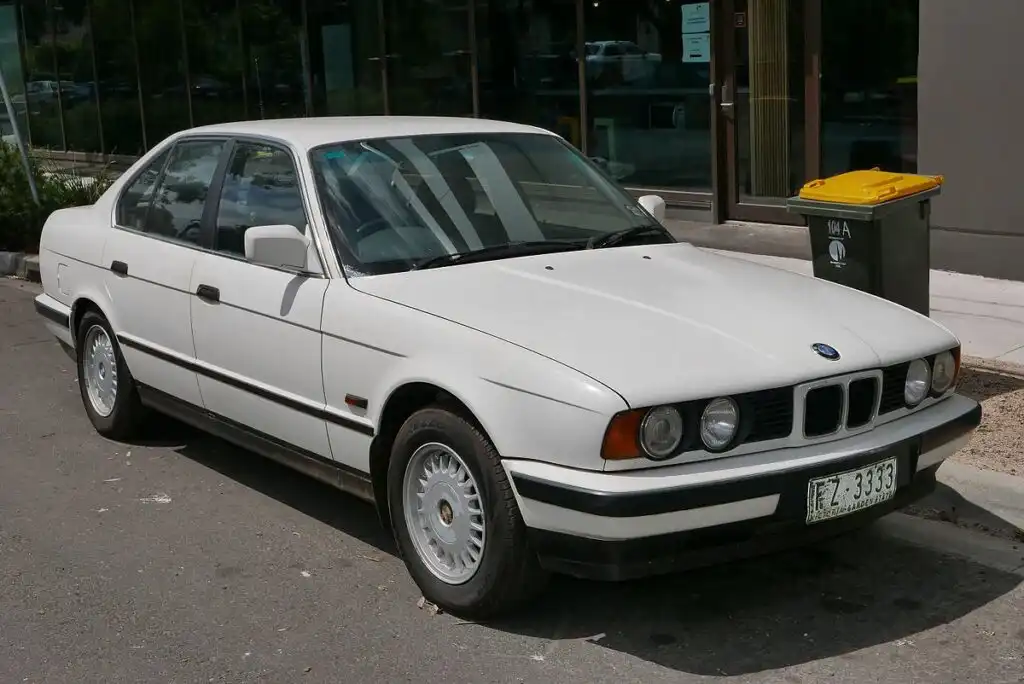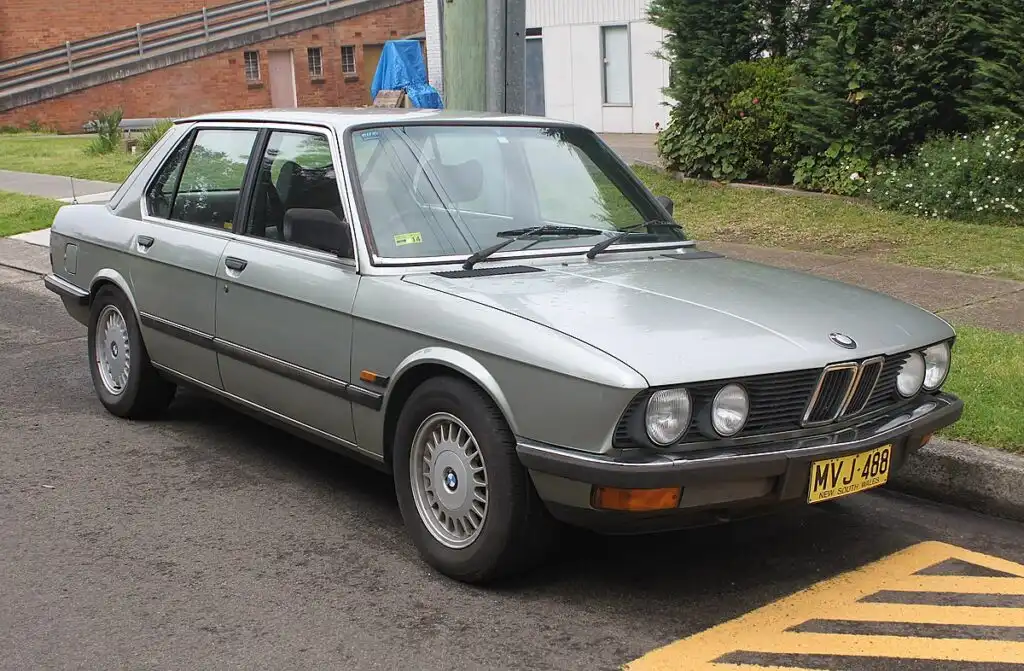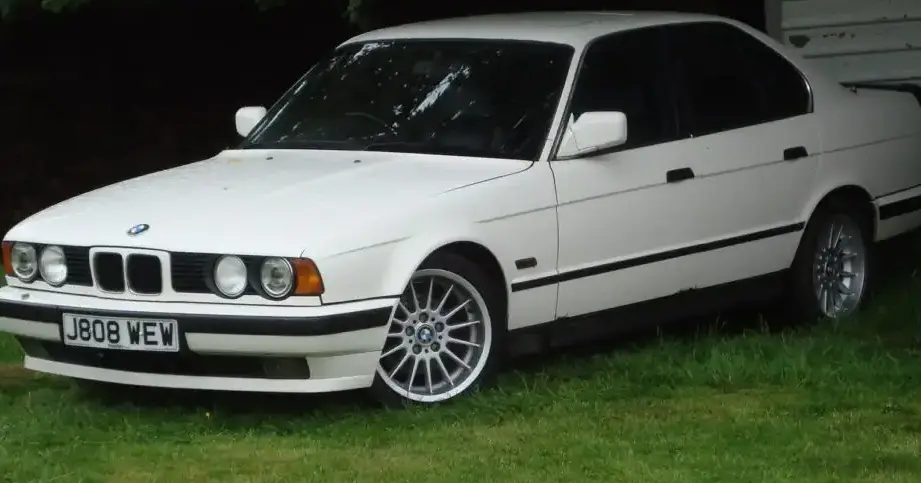
The BMW 5 Series (E34) 524td, produced between 1988 and 1991, represents a unique offering within the second generation of BMW’s mid-size executive car. Positioned as a diesel-powered variant, it catered to European markets prioritizing fuel economy and long-distance comfort. The E34 chassis, known for its robust build quality and refined handling, provided a solid foundation for this turbocharged diesel model. While not widely exported to the United States due to emissions regulations and differing market preferences, the 524td holds a significant place in the E34 lineage as a technologically advanced diesel option for its time. It was built on the 5 Series (E34) platform, a successor to the E28, and offered a more modern design and improved features compared to its predecessor.
Technical Specifications
| Brand | BMW |
| Model | 5 Series |
| Generation | 5 Series (E34) |
| Type (Engine) | 524td (115 Hp) |
| Start of production | 1988 |
| End of production | 1991 |
| Powertrain Architecture | Internal Combustion engine |
| Body type | Sedan |
| Seats | 5 |
| Doors | 4 |
| Fuel consumption (urban) | 9.5 l/100 km (24.8 US mpg) |
| Fuel consumption (extra urban) | 5.1 l/100 km (46.1 US mpg) |
| Fuel consumption (combined) | 6.6 l/100 km (35.6 US mpg) |
| Fuel Type | Diesel |
| Acceleration 0 – 100 km/h | 12.9 sec |
| Acceleration 0 – 62 mph | 12.9 sec |
| Acceleration 0 – 60 mph | 12.3 sec |
| Maximum speed | 192 km/h (119.3 mph) |
| Weight-to-power ratio | 12.9 kg/Hp |
| Weight-to-torque ratio | 6.7 kg/Nm |
| Power | 115 Hp @ 4800 rpm |
| Torque | 222 Nm @ 2400 rpm (163.74 lb.-ft. @ 2400 rpm) |
| Engine layout | Front, Longitudinal |
| Engine Model/Code | M21D24 |
| Engine displacement | 2443 cm3 (149.08 cu. in.) |
| Number of cylinders | 6 |
| Engine configuration | Inline |
| Cylinder Bore | 80 mm (3.15 in.) |
| Piston Stroke | 81 mm (3.19 in.) |
| Compression ratio | 22:1 |
| Number of valves per cylinder | 2 |
| Fuel injection system | Precombustion chamber injection |
| Engine aspiration | Turbocharger, Intercooler |
| Engine oil capacity | 6 l (6.34 US qt | 5.28 UK qt) |
| Coolant capacity | 12 l (12.68 US qt | 10.56 UK qt) |
| Kerb Weight | 1480 kg (3262.84 lbs.) |
| Max. weight | 1990 kg (4387.2 lbs.) |
| Max load | 510 kg (1124.36 lbs.) |
| Trunk (boot) space – minimum | 460 l (16.24 cu. ft.) |
| Fuel tank capacity | 80 l (21.13 US gal | 17.6 UK gal) |
| Length | 4720 mm (185.83 in.) |
| Width | 1751 mm (68.94 in.) |
| Height | 1412 mm (55.59 in.) |
| Wheelbase | 2761 mm (108.7 in.) |
| Front track | 1470 mm (57.87 in.) |
| Rear (Back) track | 1495 mm (58.86 in.) |
| Drivetrain Architecture | Rear wheel drive |
| Number of gears | 5 gears, manual transmission |
| Front suspension | Wishbone |
| Rear suspension | Spring Strut |
| Front brakes | Disc |
| Rear brakes | Disc |
| Assisting systems | ABS (Anti-lock braking system) |
| Power steering | Hydraulic Steering |
| Tires size | 195/65 R15 |
| Wheel rims size | 15 |
Powertrain & Engine Architecture
The heart of the 524td is the M21D24 engine, a 2.4-liter inline-six cylinder diesel. This engine represents a significant advancement for BMW, incorporating a turbocharger and intercooler to boost power output to 115 horsepower and 222 Nm (163.74 lb-ft) of torque. The M21 series was known for its durability and relatively simple mechanical design. Unlike modern common-rail diesels, the M21D24 utilizes a precombustion chamber injection system. This system injects fuel into a small pre-chamber within the cylinder head, where it ignites, and then ignites the main charge in the cylinder. This design aids in smoother combustion and reduced engine noise, common challenges with early diesel technology. The five-speed manual transmission was standard, providing a balance between fuel efficiency and driver control. The engine is longitudinally mounted, driving the rear wheels, a classic BMW configuration.
Driving Characteristics
The 524td offered a distinctly different driving experience compared to its gasoline-powered siblings. While lacking the outright acceleration of the 525i or 535i, the 524td excelled in providing strong low-end torque. This made it a comfortable and capable cruiser, particularly well-suited for long highway journeys. The turbocharger provided a noticeable boost in power, but the engine did exhibit some turbo lag, typical of turbocharging systems of that era. The five-speed manual transmission allowed drivers to effectively manage the engine’s powerband. Compared to the 524i, the 524td was noticeably slower in acceleration, taking approximately 12.9 seconds to reach 62 mph. However, its superior fuel economy – around 35.6 US mpg combined – made it an attractive option for those prioritizing efficiency.
Equipment & Trim Levels
The 524td typically came with a fairly standard level of equipment for a BMW of that period. This included power windows, central locking, and a basic stereo system. Interior upholstery was generally cloth, although leather was available as an option. Dashboard configuration was consistent with other E34 models, featuring a straightforward layout with clearly marked gauges. Optional extras included a sunroof, upgraded sound system, and air conditioning. The trim level was generally considered mid-range, offering a good balance of comfort and features without the luxury appointments of the higher-end models.
Chassis & Braking
The E34 chassis provided a solid and well-engineered platform for the 524td. The front suspension utilized a MacPherson strut design, while the rear employed a semi-trailing arm setup. This configuration delivered a comfortable ride and predictable handling. Brakes were disc brakes all around, providing adequate stopping power for the vehicle’s weight and performance. ABS (Anti-lock Braking System) was standard, enhancing safety. Due to the diesel engine’s added weight, the suspension was often tuned slightly firmer compared to the gasoline models to maintain handling balance. Stabilizer bars were fitted front and rear to reduce body roll during cornering.
Market Reception & Comparison
The 524td was primarily marketed in Europe, where diesel engines were more popular due to higher fuel prices and government incentives. Critics generally praised the car’s fuel economy and comfortable ride, but noted its relatively modest performance compared to the gasoline-powered models. Compared to the 525i, the 524td offered significantly better fuel economy but lacked the same level of refinement and acceleration. Against other diesel-powered competitors, such as the Mercedes-Benz E-Class diesel, the 524td was often seen as offering a more engaging driving experience. Reliability was generally good, although the turbocharger and fuel injection system required regular maintenance.
Legacy
The BMW 524td (E34) represents a pivotal moment in BMW’s diesel engine development. It demonstrated the potential of turbocharged diesel technology in a luxury vehicle. While not a high-volume seller in all markets, the 524td has gained a following among enthusiasts who appreciate its unique character and robust engineering. Today, well-maintained examples are sought after by collectors and classic car enthusiasts. The M21D24 engine, while aging, is known for its durability, but requires careful maintenance to prevent issues related to turbocharger wear and fuel injection system components. The 524td remains a testament to BMW’s commitment to innovation and its ability to create compelling vehicles for a diverse range of customers.