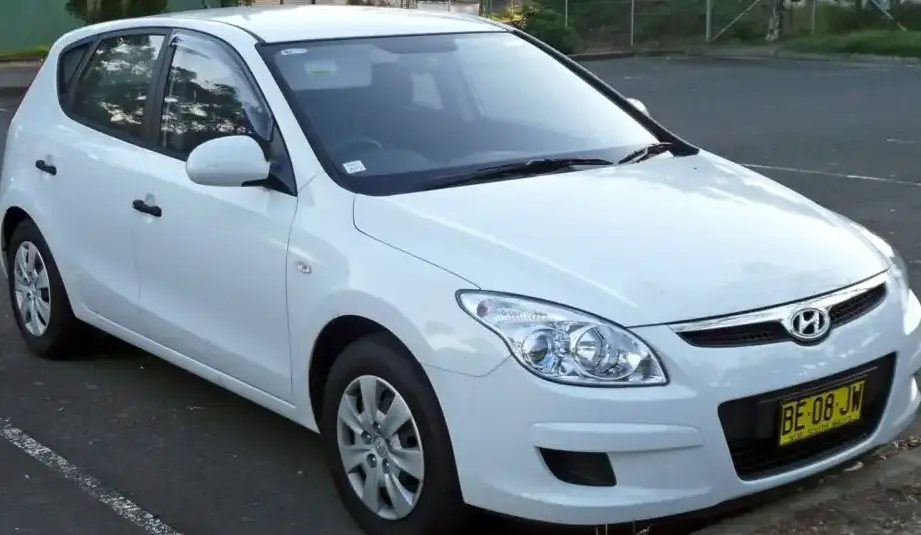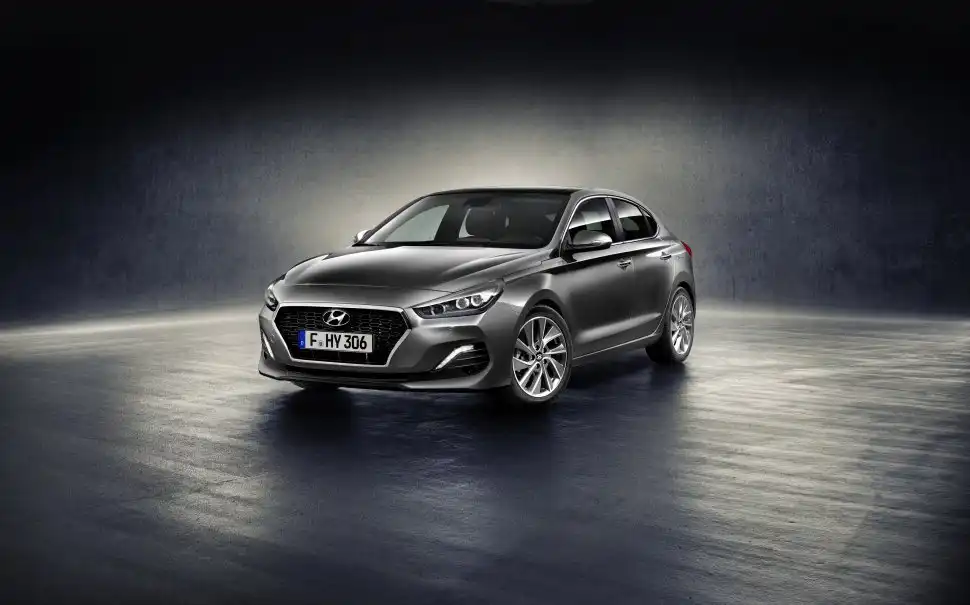
The Hyundai i30 III Fastback N 2.0 T-GDI (250 hp) was a performance-oriented variant of the third-generation Hyundai i30 Fastback, produced from 2018 to 2020. Positioned as the flagship model within the Fastback range, it represented Hyundai’s entry into the competitive hot hatch segment, aiming to challenge established European rivals. This model was part of the broader i30 III generation (PD), which utilized the PQ35 platform, also underpinning the Kia Ceed and Hyundai Elantra. The “N” designation signifies Hyundai’s high-performance sub-brand, developed with expertise gained from motorsport activities.
Technical Specifications
| Brand | Hyundai |
| Model | i30 |
| Generation | i30 III Fastback |
| Type (Engine) | N 2.0 T-GDI (250 Hp) |
| Start of production | 2018 |
| End of production | 2020 |
| Powertrain Architecture | Internal Combustion engine |
| Body type | Fastback |
| Seats | 5 |
| Doors | 5 |
| Fuel consumption (urban) | 10.7 l/100 km (22 US mpg) |
| Fuel consumption (extra urban) | 5.9 l/100 km (39.9 US mpg) |
| Fuel consumption (combined) | 7.7 l/100 km (30.5 US mpg) |
| CO2 emissions | 176 g/km |
| Fuel Type | Petrol (Gasoline) |
| Acceleration 0 – 100 km/h | 6.4 sec |
| Acceleration 0 – 62 mph | 6.4 sec |
| Acceleration 0 – 60 mph | 6.1 sec |
| Maximum speed | 250 km/h (155.34 mph) |
| Emission standard | Euro 6d – TEMP |
| Power | 250 Hp @ 6000 rpm |
| Torque | 353 Nm @ 1450-4000 rpm (260.36 lb.-ft.) |
| Engine layout | Front, Transverse |
| Engine Model/Code | G4KH |
| Engine displacement | 1998 cm3 (121.93 cu. in.) |
| Number of cylinders | 4 |
| Engine configuration | Inline |
| Cylinder Bore | 86 mm (3.39 in.) |
| Piston Stroke | 86 mm (3.39 in.) |
| Compression ratio | 9.5:1 |
| Number of valves per cylinder | 4 |
| Fuel injection system | Direct injection |
| Engine aspiration | Turbocharger, Intercooler |
| Valvetrain | DOHC, E-CVVT |
| Engine oil capacity | 4.8 l (5.07 US qt | 4.22 UK qt) |
| Coolant | 8.5 l (8.98 US qt | 7.48 UK qt) |
| Trunk (boot) space – minimum | 436 l (15.4 cu. ft.) |
| Trunk (boot) space – maximum | 1351 l (47.71 cu. ft.) |
| Fuel tank capacity | 50 l (13.21 US gal | 11 UK gal) |
| Length | 4455 mm (175.39 in.) |
| Width | 1795 mm (70.67 in.) |
| Height | 1417-1419 mm (55.79 – 55.87 in.) |
| Wheelbase | 2650 mm (104.33 in.) |
| Front overhang | 905 mm (35.63 in.) |
| Rear overhang | 900 mm (35.43 in.) |
| Ride height (ground clearance) | 132 mm (5.2 in.) |
| Minimum turning circle | 10.6 m (34.78 ft.) |
| Drivetrain Architecture | Front wheel drive |
| Number of gears | 6 gears, manual transmission |
| Front suspension | Independent type McPherson |
| Rear suspension | Independent multi-link suspension |
| Front brakes | Ventilated discs |
| Rear brakes | Disc |
| Tires size | 225/40 R18; 235/35 R19 |
| Wheel rims size | 18; 19 |
INTRODUCTION
The Hyundai i30 III Fastback N 2.0 T-GDI (250 hp) represented a significant step forward for Hyundai’s performance ambitions. Introduced in 2018 as part of the i30 III generation’s mid-cycle refresh, the Fastback body style offered a more coupe-like silhouette compared to the standard hatchback. The “N” variant, developed under the guidance of former BMW M division engineer Albert Biermann, was specifically engineered to deliver a dynamic and engaging driving experience. It aimed to provide a compelling alternative to established hot hatches like the Volkswagen Golf GTI, Ford Focus ST, and Opel Astra OPC.
Powertrain & Engine Architecture
At the heart of the i30 Fastback N lay the Hyundai-Kia G4KH 2.0-liter turbocharged inline-four cylinder engine. This engine, part of the Theta II family, featured direct injection and a twin-scroll turbocharger. The G4KH produced 250 horsepower at 6,000 rpm and 353 Nm (260 lb-ft) of torque between 1,450 and 4,000 rpm. The engine utilized a DOHC (Double Overhead Camshaft) valvetrain with Hyundai’s E-CVVT (Electronic Variable Valve Timing) technology for optimized performance and efficiency. The engine’s internal components were strengthened to handle the increased power output compared to the standard 1.4 and 1.6 liter engines available in the i30 range. The sole transmission option was a six-speed manual gearbox, chosen for its driver engagement and performance characteristics. Hyundai deliberately avoided offering an automatic transmission in the initial N models to maintain a purist driving experience.
Driving Characteristics
The i30 Fastback N’s driving experience was markedly different from its more pedestrian siblings. The 250 hp engine, coupled with the close-ratio six-speed manual transmission, provided brisk acceleration. The car could sprint from 0 to 60 mph in approximately 6.1 seconds and achieve a top speed of 155 mph (electronically limited). The suspension was significantly stiffer and lower than standard i30 models, featuring upgraded dampers and springs. The steering was also recalibrated for greater responsiveness and feel. The exhaust system was tuned to deliver a more aggressive and sporty sound. While the ride quality was firmer, it remained reasonably compliant for everyday driving. The car’s front-wheel-drive layout could exhibit some torque steer under hard acceleration, adding to the engaging driving experience.
Equipment & Trim Levels
The i30 Fastback N came generously equipped, reflecting its position as the range-topping model. Standard features included sport seats with distinctive N badging, a leather-wrapped steering wheel, and aluminum pedals. Infotainment was provided by an 8-inch touchscreen display with Apple CarPlay and Android Auto compatibility. Safety features included automatic emergency braking, lane departure warning, and blind-spot monitoring. Optional extras included a panoramic sunroof, premium sound system, and various cosmetic enhancements. The interior featured unique N-specific trim elements, such as blue stitching and accents, to differentiate it from other i30 models.
Chassis & Braking
The i30 Fastback N benefited from significant chassis upgrades. The suspension featured stiffer springs and dampers, along with a thicker stabilizer bar, to reduce body roll and improve handling. The braking system was upgraded with larger ventilated discs at the front and solid discs at the rear, providing ample stopping power. The car also featured an electronically controlled limited-slip differential (e-LSD) which enhanced traction and cornering performance by distributing torque between the front wheels. The steering system was revised with a quicker ratio and more direct feel. The car rode on 19-inch alloy wheels with performance tires, further contributing to its enhanced grip and handling.
Market Reception & Comparison
The i30 Fastback N was generally well-received by automotive critics. Reviewers praised its engaging driving dynamics, powerful engine, and generous equipment levels. It was often lauded as a surprisingly capable competitor to established hot hatches from Europe. Compared to the standard i30 models, the N offered a significantly more thrilling driving experience, but at the expense of some ride comfort. Fuel economy was respectable for a performance car, averaging around 30.5 mpg in combined driving. Reliability reports were generally positive, although some owners reported minor issues with the infotainment system. The i30 N offered a compelling value proposition, often undercutting the price of its rivals.
Legacy
The Hyundai i30 Fastback N 2.0 T-GDI (250 hp) played a crucial role in establishing Hyundai’s N performance brand. It demonstrated Hyundai’s commitment to building genuinely engaging and capable performance cars. On the used car market, these models hold their value relatively well, particularly those with low mileage and a full service history. The G4KH engine has proven to be reasonably reliable, although regular maintenance is essential. The i30 Fastback N remains a popular choice for enthusiasts seeking an affordable and fun-to-drive hot hatch. It paved the way for subsequent N models, further solidifying Hyundai’s position in the performance car segment.