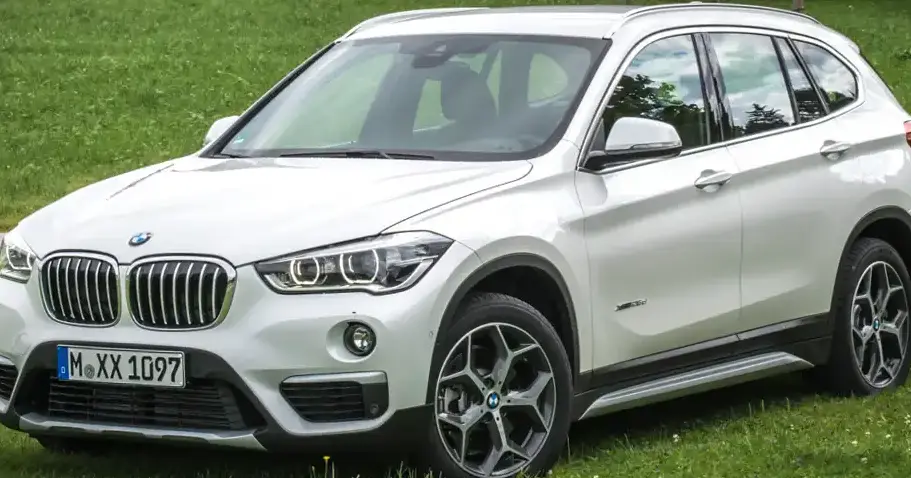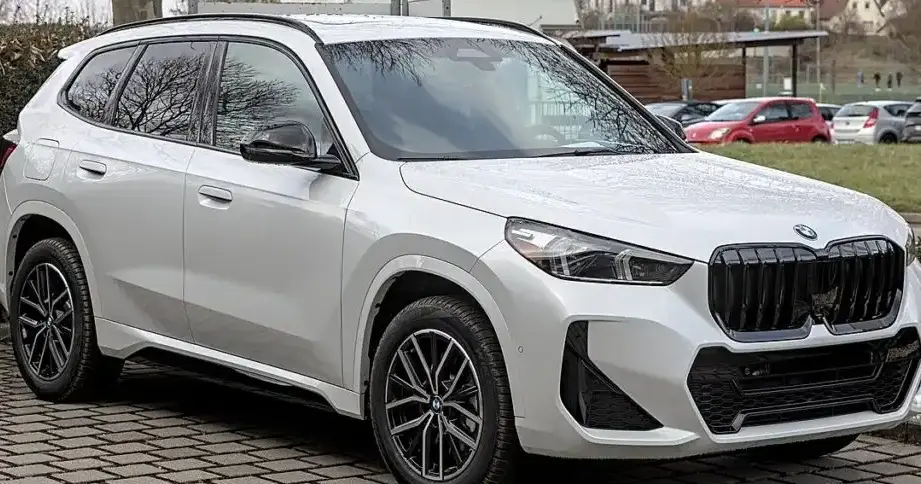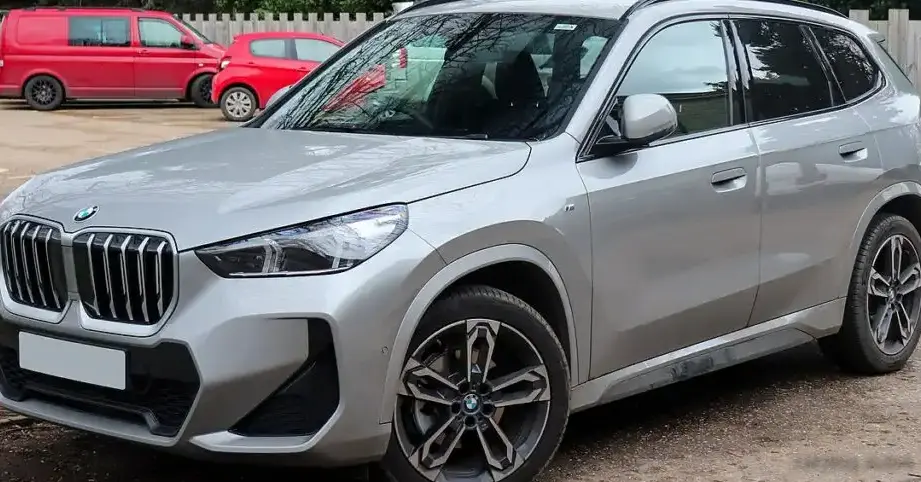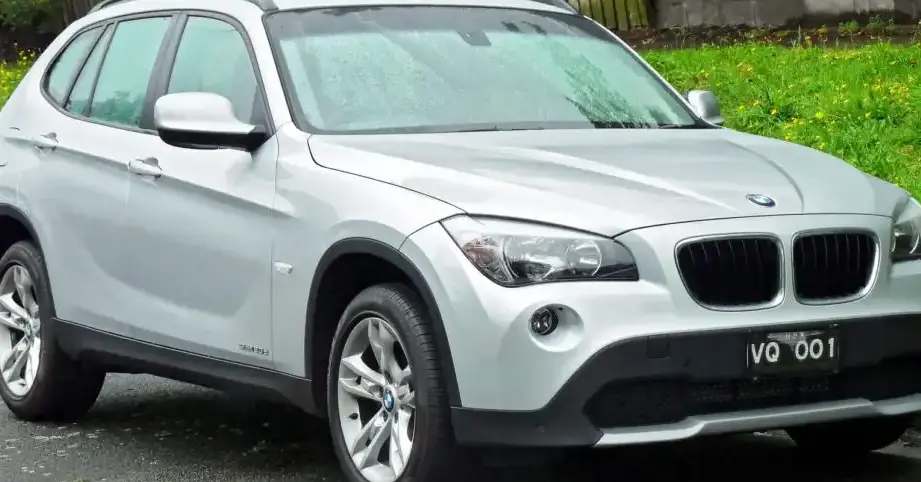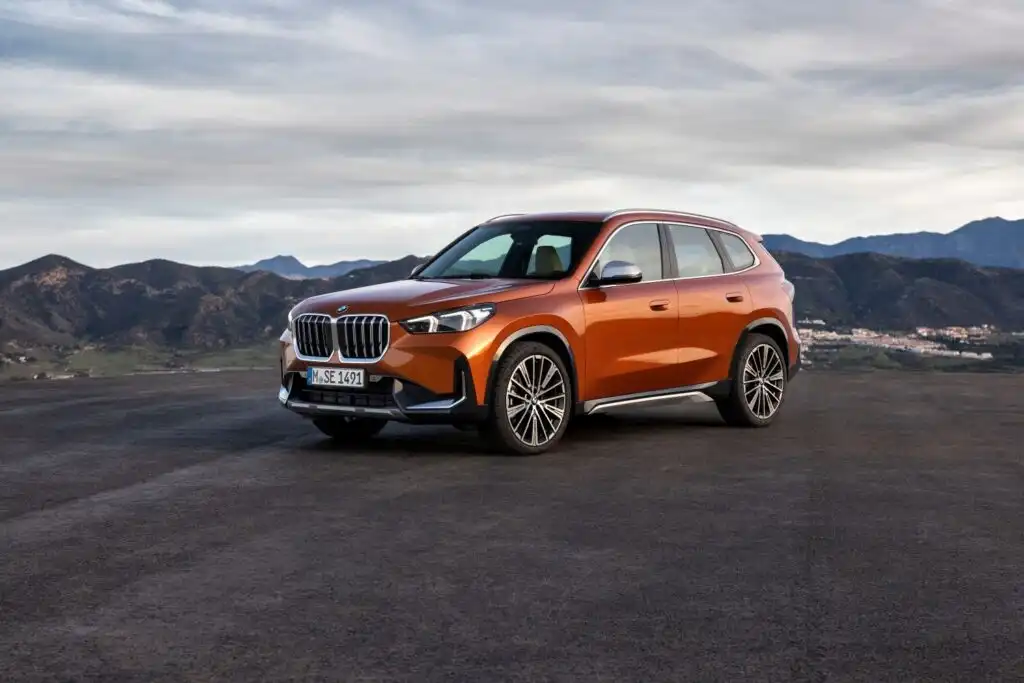
The BMW X1 (U11) 23i, introduced in 2022, represents the third generation of BMW’s compact Sports Activity Vehicle (SAV), built on the UKL2 platform shared with other BMW Group models like the MINI Countryman and certain 2 Series Active Tourers. This particular variant, powered by a 2.0-liter turbocharged four-cylinder engine paired with a 48-volt mild hybrid system and a 7-speed Steptronic automatic transmission, occupies a mid-range position within the U11 X1 lineup, offering a balance between performance, efficiency, and technology. The xDrive all-wheel-drive system is standard, enhancing all-weather capability and driving dynamics. This generation marked a significant departure from its predecessor, featuring a more modern interior, increased space, and a greater emphasis on digital connectivity.
Technical Specifications
| Brand | BMW |
| Model | X1 |
| Generation | X1 (U11) |
| Type (Engine) | 23i (218 Hp) Mild Hybrid xDrive Steptronic |
| Start of production | 2022 |
| Powertrain Architecture | MHEV (Mild Hybrid Electric Vehicle) |
| Body type | SAV |
| Seats | 5 |
| Doors | 5 |
| Combined fuel consumption (WLTP) | 6.5-7.2 l/100 km (36.2 – 32.7 US mpg, 43.5 – 39.2 UK mpg, 15.4 – 13.9 km/l) |
| CO2 emissions (WLTP) | 146-162 g/km |
| Fuel Type | Petrol (Gasoline) |
| Acceleration 0 – 100 km/h | 7.1 sec |
| Acceleration 0 – 62 mph | 7.1 sec |
| Acceleration 0 – 60 mph | 6.7 sec |
| Maximum speed | 233 km/h (144.78 mph) |
| Emission standard | Euro 6d |
| Weight-to-power ratio | 7.6 kg/Hp, 131.7 Hp/tonne |
| Weight-to-torque ratio | 4.6 kg/Nm, 217.5 Nm/tonne |
| Gross battery capacity | 0.9 kWh |
| Battery voltage | 48 V |
| Battery technology | Lithium-ion (Li-Ion) |
| Battery location | Under the trunk |
| Electric motor power | 19 Hp |
| Electric motor Torque | 55 Nm (40.57 lb.-ft.) |
| Electric motor location | Integrated into the transmission |
| System power | 218 Hp |
| System torque | 360 Nm (265.52 lb.-ft.) |
| Power | 204 Hp @ 5000-6500 rpm |
| Torque | 320 Nm @ 1500-4000 rpm (236.02 lb.-ft. @ 1500-4000 rpm) |
| Engine layout | Front, Transverse |
| Engine Model/Code | B48A20P |
| Engine displacement | 1998 cm3 (121.93 cu. in.) |
| Number of cylinders | 4 |
| Engine configuration | Inline |
| Cylinder Bore | 82 mm (3.23 in.) |
| Piston Stroke | 94.6 mm (3.72 in.) |
| Compression ratio | 11.1:1 |
| Number of valves per cylinder | 4 |
| Fuel injection system | Direct injection |
| Engine aspiration | Twin-power turbo, Intercooler |
| Valvetrain | DOHC |
| Engine oil capacity | 5.25 l (5.55 US qt | 4.62 UK qt) |
| Kerb Weight | 1655 kg (3648.65 lbs.) |
| Max. weight | 2220 kg (4894.26 lbs.) |
| Max load | 565 kg (1245.61 lbs.) |
| Trunk (boot) space – minimum | 500 l (17.66 cu. ft.) |
| Trunk (boot) space – maximum | 1545 l (54.56 cu. ft.) |
| Fuel tank capacity | 45 l (11.89 US gal | 9.9 UK gal) |
| Max. roof load | 75 kg (165.35 lbs.) |
| Permitted trailer load with brakes (12%) | 2000 kg (4409.25 lbs.) |
| Permitted trailer load without brakes | 750 kg (1653.47 lbs.) |
| Permitted towbar download | 80 kg (176.37 lbs.) |
| Length | 4500 mm (177.17 in.) |
| Width | 1845 mm (72.64 in.) |
| Width including mirrors | 2104 mm (82.83 in.) |
| Height | 1642 mm (64.65 in.) |
| Wheelbase | 2692 mm (105.98 in.) |
| Front track | 1592 mm (62.68 in.) |
| Rear (Back) track | 1593 mm (62.72 in.) |
| Front overhang | 875 mm (34.45 in.) |
| Rear overhang | 933 mm (36.73 in.) |
| Ride height (ground clearance) | 205 mm (8.07 in.) |
| Drag coefficient (Cd) | 0.27 |
| Minimum turning circle (turning diameter) | 11.7 m (38.39 ft.) |
| Drivetrain Architecture | ICE and electric motor drive all wheels, with rear wheel engagement via clutch. |
| Drive wheel | All wheel drive (4×4) |
| Number of gears and type of gearbox | 7 gears, automatic transmission Steptronic |
| Front suspension | Spring Strut, Transverse stabilizer |
| Rear suspension | Independent multi-link spring suspension with stabilizer |
| Front brakes | Ventilated discs |
| Rear brakes | Ventilated discs |
| Assisting systems | ABS (Anti-lock braking system) |
| Steering type | Steering rack and pinion |
| Power steering | Electric Steering |
| Tires size | 205/65 R17 |
| Wheel rims size | 7J x 17 |
Powertrain & Engine Architecture
The heart of the X1 23i is the BMW B48A20P 2.0-liter inline-four cylinder engine. This engine utilizes direct fuel injection and a single twin-scroll turbocharger, delivering a responsive and efficient power delivery. The B48 engine family is known for its robust construction and advanced thermal management system. The mild hybrid system, incorporating a 48-volt starter-generator, provides a boost during acceleration and allows for extended coasting with the engine switched off, improving fuel economy. The 7-speed Steptronic automatic transmission is a torque-converter type, offering smooth and quick shifts. It features adaptive shift programs that adjust to the driver’s style and road conditions. The transmission is integrated with the mild hybrid system, enabling optimized gear selection for efficiency.
Driving Characteristics
The X1 23i offers a comfortable and composed driving experience. The 218 horsepower and 360 Nm (265 lb-ft) of combined system output provide adequate acceleration, with a 0-60 mph time of around 6.7 seconds. While not as sporty as higher-performance X1 variants, the 23i delivers sufficient power for everyday driving and highway cruising. The xDrive all-wheel-drive system provides excellent traction in various weather conditions. The Steptronic transmission contributes to a relaxed driving experience, with seamless gear changes. Compared to the manual transmission options available in some markets, the automatic prioritizes convenience and ease of use, though it may slightly diminish driver engagement.
Equipment & Trim Levels
The X1 23i typically comes standard with features such as BMW’s Live Cockpit Plus, which includes a digital instrument cluster and a central infotainment display. Standard upholstery is typically a combination of cloth and synthetic leather, with optional upgrades to full leather available. Other standard features include automatic climate control, parking sensors, and a suite of driver-assistance systems like lane departure warning and forward collision warning. Optional extras include a panoramic sunroof, premium sound system, and adaptive cruise control. Trim levels often vary by market, but generally offer packages that bundle popular options together.
Chassis & Braking
The U11 X1 utilizes a front-wheel-drive based chassis with a multi-link rear suspension. The suspension is tuned for comfort, providing a smooth ride over most road surfaces. The front suspension employs MacPherson struts, while the rear features a more sophisticated multi-link setup. Braking duties are handled by ventilated disc brakes on all four wheels, providing ample stopping power. The electronic stability control system (DSC) integrates with the xDrive system to enhance stability and control. The steering is electrically assisted, offering precise and responsive handling.
Market Reception & Comparison
The X1 23i has been generally well-received by automotive critics, praised for its comfortable ride, spacious interior, and efficient powertrain. Compared to other trims in the X1 lineup, the 23i offers a good balance between performance and fuel economy. The xDrive25i, with its more powerful engine, provides quicker acceleration but at the expense of fuel efficiency. The diesel-powered variants, like the xDrive20d, offer even better fuel economy but may lack the refinement of the gasoline engine. The 23i’s mild hybrid system contributes to improved fuel economy compared to non-hybrid X1 models.
Legacy
The BMW B48 engine family has proven to be reliable, and the addition of the 48-volt mild hybrid system is expected to further enhance its longevity. The U11 X1, as a whole, represents a significant step forward in terms of technology and refinement for BMW’s compact SAV. The X1 23i, with its balanced performance and efficiency, is likely to remain a popular choice in the used car market, offering a practical and enjoyable driving experience for years to come. Regular maintenance, including oil changes and adherence to BMW’s recommended service intervals, will be crucial for ensuring the long-term reliability of this powertrain.