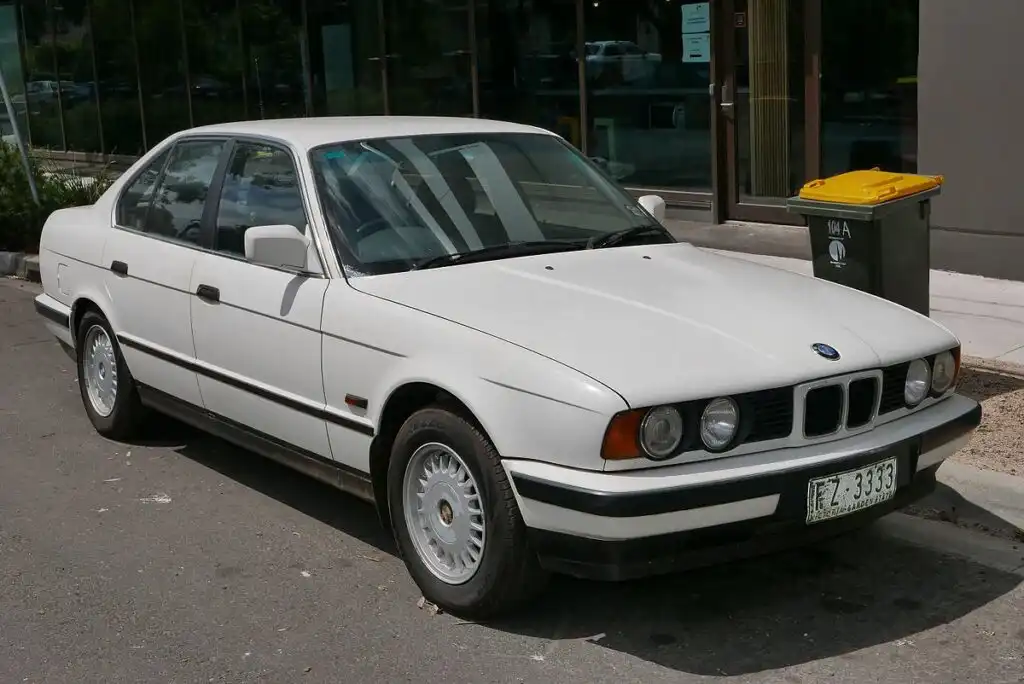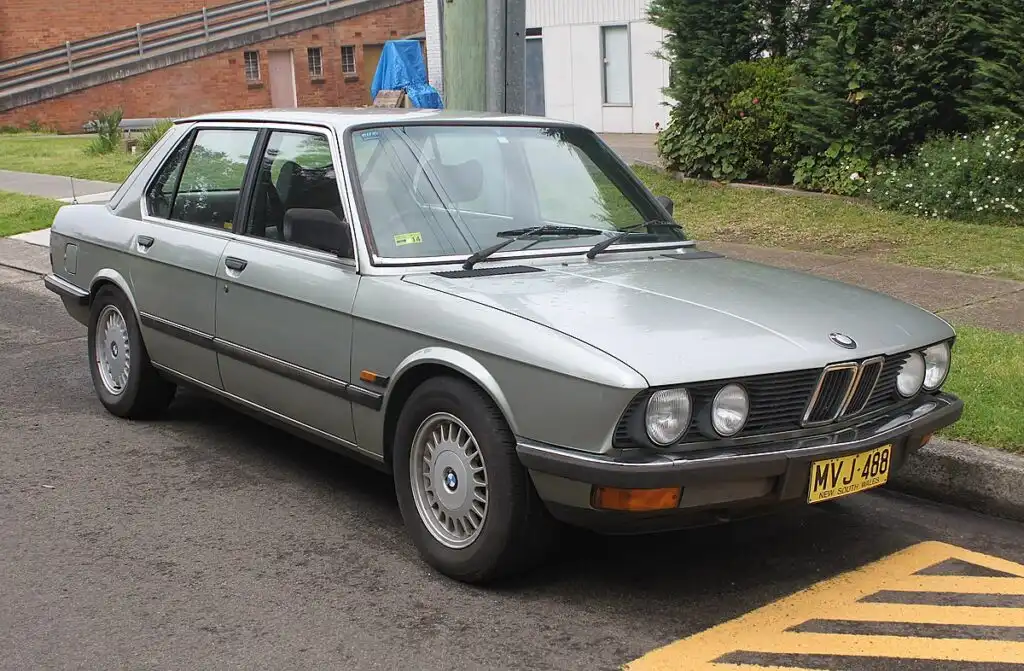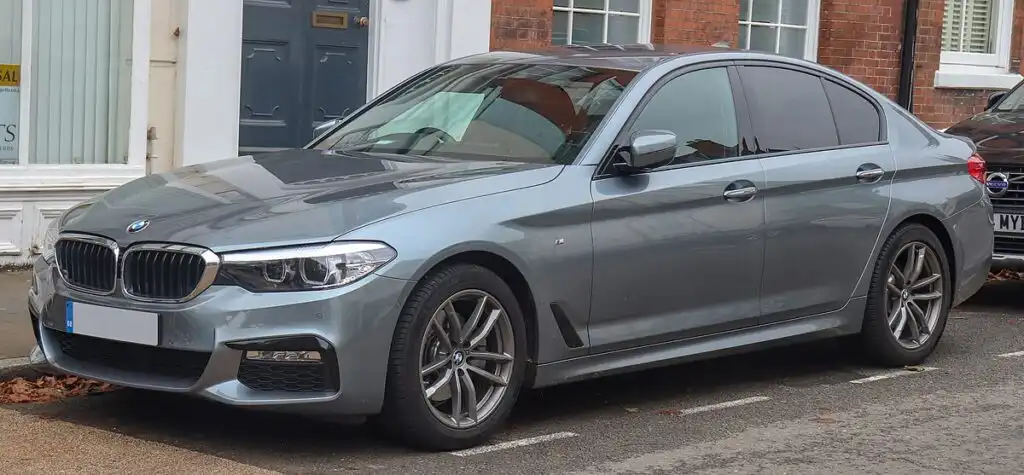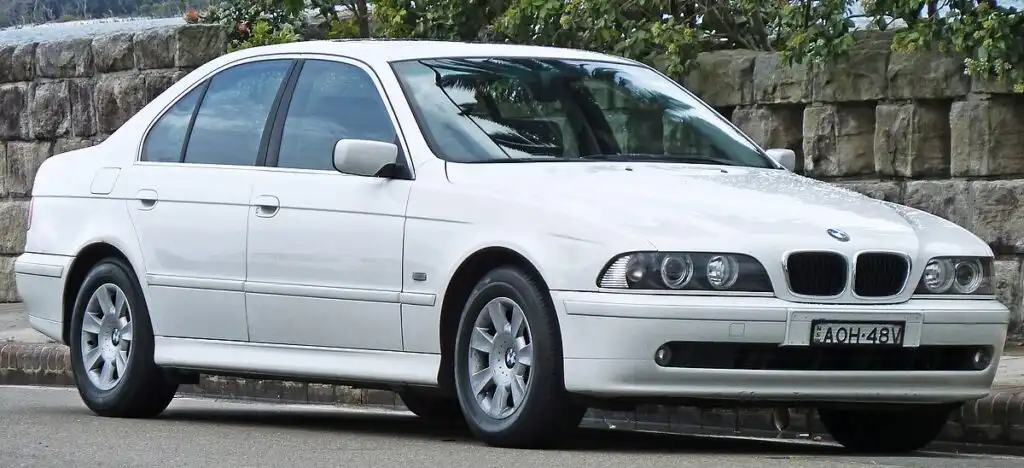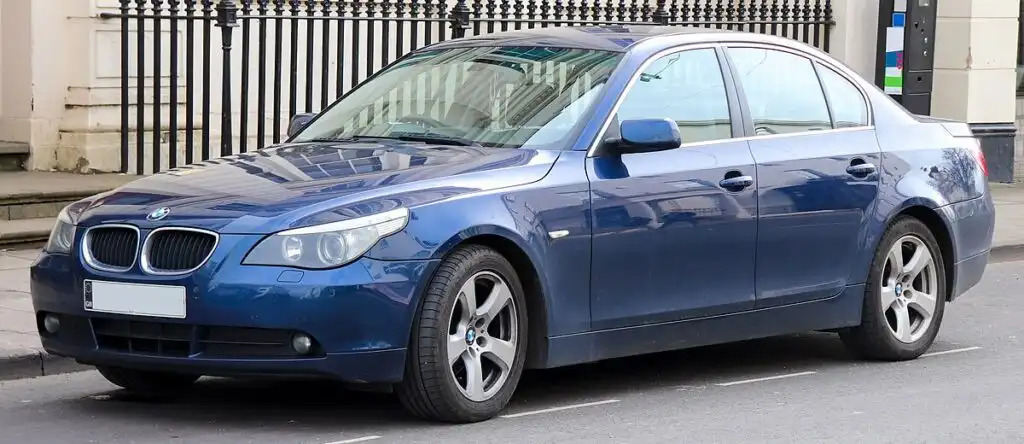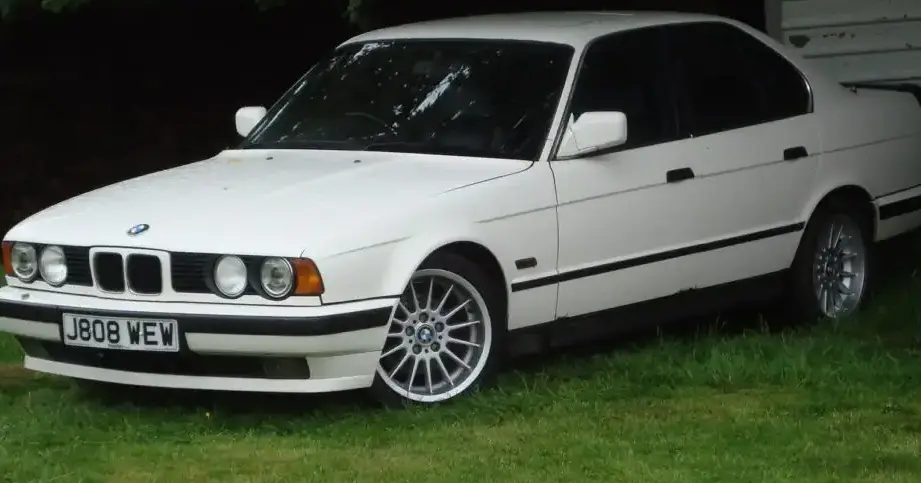
The BMW 5 Series E34 525td, produced between 1993 and 1995, represents a unique offering within the E34 generation. Positioned as a fuel-efficient alternative to the gasoline-powered models, the 525td combined a turbocharged diesel engine with a five-speed manual transmission. It aimed to provide the comfort and refinement expected of a BMW 5 Series, but with significantly improved economy, particularly appealing to European drivers facing high fuel costs and long distances. This variant was not officially sold in the North American market, making it a relatively rare sight even among E34 enthusiasts today.
Technical Specifications
| Brand | BMW |
| Model | 5 Series |
| Generation | 5 Series (E34) |
| Type (Engine) | 525td (115 Hp) |
| Start of production | 1993 |
| End of production | 1995 |
| Powertrain Architecture | Internal Combustion engine |
| Body type | Sedan |
| Seats | 5 |
| Doors | 4 |
| Fuel consumption (combined) | 7.1 l/100 km |
| Fuel consumption (US mpg) | 33.1 |
| Fuel consumption (UK mpg) | 39.8 |
| Fuel consumption (km/l) | 14.1 |
| Fuel Type | Diesel |
| Acceleration 0 – 100 km/h | 12.9 sec |
| Acceleration 0 – 62 mph | 12.9 sec |
| Acceleration 0 – 60 mph | 12.3 sec |
| Maximum speed | 194 km/h (120.55 mph) |
| Weight-to-power ratio | 12.7 kg/Hp |
| Weight-to-torque ratio | 6.6 kg/Nm |
| Power | 115 Hp @ 4800 rpm |
| Power per litre | 46 Hp/l |
| Torque | 222 Nm @ 1900 rpm (163.74 lb.-ft. @ 1900 rpm) |
| Engine layout | Front, Longitudinal |
| Engine Model/Code | M51D25 |
| Engine displacement | 2498 cm3 (152.44 cu. in.) |
| Number of cylinders | 6 |
| Engine configuration | Inline |
| Cylinder Bore | 80 mm (3.15 in.) |
| Piston Stroke | 82.8 mm (3.26 in.) |
| Compression ratio | 22:1 |
| Number of valves per cylinder | 2 |
| Fuel injection system | Precombustion chamber injection |
| Engine aspiration | Turbocharger, Intercooler |
| Valvetrain | OHC |
| Engine oil capacity | 6.75 l (7.13 US qt | 5.94 UK qt) |
| Coolant capacity | 9.75 l (10.3 US qt | 8.58 UK qt) |
| Kerb Weight | 1465 kg (3229.77 lbs.) |
| Max. weight | 1975 kg (4354.13 lbs.) |
| Max load | 510 kg (1124.36 lbs.) |
| Trunk (boot) space – minimum | 460 l (16.24 cu. ft.) |
| Fuel tank capacity | 80 l (21.13 US gal | 17.6 UK gal) |
| Length | 4720 mm (185.83 in.) |
| Width | 1751 mm (68.94 in.) |
| Height | 1412 mm (55.59 in.) |
| Wheelbase | 2761 mm (108.7 in.) |
| Front track | 1470 mm (57.87 in.) |
| Rear track | 1495 mm (58.86 in.) |
| Drivetrain Architecture | Rear wheel drive |
| Number of gears | 5 |
| Gearbox type | Manual transmission |
| Front suspension | Wishbone |
| Rear suspension | Spring Strut |
| Front brakes | Disc |
| Rear brakes | Disc |
| Assisting systems | ABS (Anti-lock braking system) |
| Power steering | Hydraulic Steering |
| Tires size | 195/65 R15 |
| Wheel rims size | 15 |
INTRODUCTION
The BMW 525td, introduced in 1993, was a diesel-powered variant of the E34 5 Series, designed primarily for the European market. It slotted into the lineup as an economy-focused option, offering a balance between the performance associated with BMW and the fuel efficiency demanded by many drivers. Unlike its gasoline counterparts, the 525td utilized a turbocharged diesel engine, the M51D25, and was exclusively offered with a five-speed manual transmission. This combination provided a different driving experience, prioritizing torque and fuel economy over outright horsepower. The E34 5 Series, as a whole, represented a significant step forward for BMW, establishing a new benchmark for mid-size executive cars in terms of handling, build quality, and overall refinement.
Powertrain & Engine Architecture
The heart of the 525td is the M51D25, a 2.5-liter inline-six diesel engine. This engine employed precombustion chamber injection, a system common in European diesels of the era. This system uses a small precombustion chamber connected to the main cylinder, where fuel is injected and ignited by the compression ratio of 22:1. The resulting flame then ignites the main fuel charge in the cylinder. The M51D25 was also equipped with a turbocharger and intercooler, boosting power output to 115 horsepower and 222 Nm (163.74 lb-ft) of torque. The five-speed manual transmission was chosen to complement the engine’s torque characteristics, providing a good balance between acceleration and fuel efficiency. The engine’s longitudinal mounting and rear-wheel-drive configuration were standard BMW practice for the time, contributing to the car’s balanced handling.
Driving Characteristics
The 525td offered a distinctly different driving experience compared to the gasoline-powered E34 5 Series models. While lacking the high-revving eagerness of the six-cylinder gasoline engines, the 525td delivered strong low-end torque, making it well-suited for relaxed cruising and effortless overtaking. The manual transmission allowed for precise control, and the gear ratios were optimized for fuel efficiency. Acceleration to 60 mph took around 12.3 seconds, and top speed was approximately 120.55 mph. Compared to the 525i (gasoline version), the 525td felt less responsive but offered significantly better fuel economy. The diesel engine’s characteristic noise and vibration were present, but BMW engineers did a commendable job of minimizing these for a relatively refined experience.
Equipment & Trim Levels
The 525td typically came with a fairly standard level of equipment for a mid-range E34. Interior upholstery was usually cloth, although leather was available as an option. Standard features included power windows, central locking, and an adjustable steering column. Optional extras included a sunroof, air conditioning, and upgraded audio systems. The dashboard layout was consistent with other E34 models, featuring a clear and functional design. Trim levels were relatively limited for the 525td, with most variations stemming from optional equipment choices rather than distinct trim packages.
Chassis & Braking
The 525td shared the E34’s well-regarded chassis design, featuring independent suspension at all four wheels. The front suspension utilized a MacPherson strut setup, while the rear employed a semi-trailing arm configuration. Brakes were disc brakes all around, providing ample stopping power. ABS (Anti-lock Braking System) was standard, enhancing safety. Due to the diesel engine’s added weight, the suspension was often tuned slightly differently compared to the gasoline models, with stiffer springs and dampers to maintain handling balance. The 525td’s curb weight of 1465 kg (3229.77 lbs) was noticeably higher than the lighter gasoline variants.
Market Reception & Comparison
The 525td was well-received in Europe as a practical and economical alternative to the gasoline-powered 5 Series models. Critics praised its fuel efficiency and strong torque, but some noted the engine’s lack of refinement compared to its gasoline counterparts. Compared to the 525i, the 525td offered significantly better fuel economy (around 33.1 US mpg combined) but slower acceleration. Against other diesel-powered competitors, the 525td stood out for its BMW badge, refined interior, and engaging driving dynamics. The 535i and 540i models, with their larger and more powerful gasoline engines, were aimed at a different segment of the market, prioritizing performance over economy.
Legacy
The M51D25 engine proved to be a durable and reliable powerplant, and many 525td models remain on the road today. While not as sought-after as some of the more iconic E34 variants, the 525td has gained a following among diesel enthusiasts and those seeking a classic BMW with excellent fuel economy. Maintenance costs are generally reasonable, although sourcing specific diesel components can sometimes be challenging. The 525td represents a unique chapter in the E34’s history, demonstrating BMW’s willingness to explore alternative powertrains and cater to diverse customer needs. Its enduring appeal lies in its blend of practicality, refinement, and the inherent qualities that make the E34 5 Series a beloved classic.