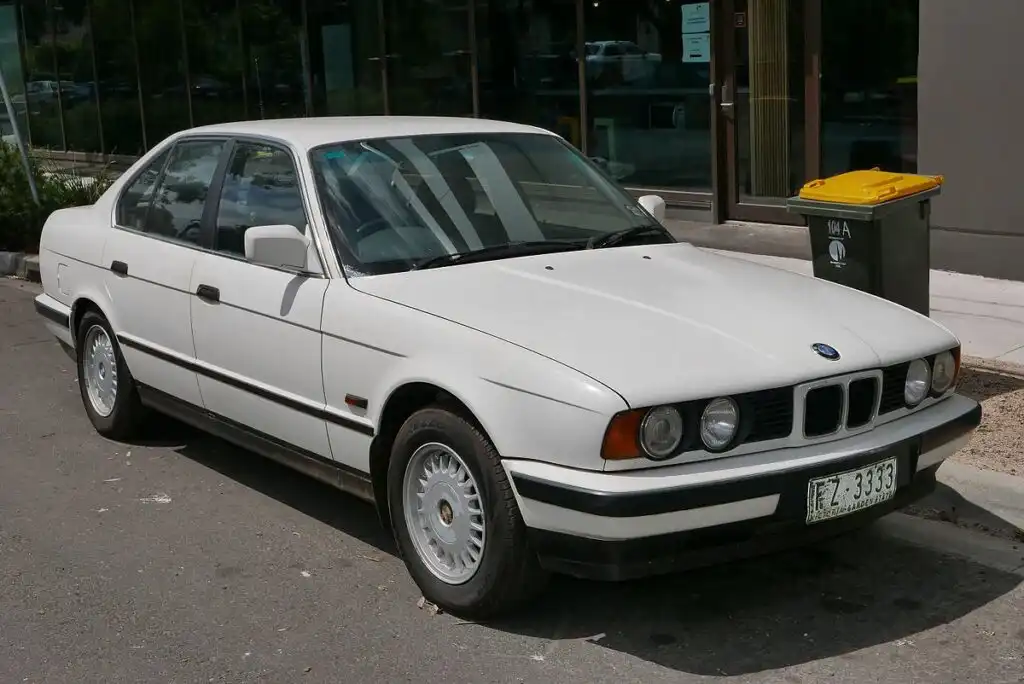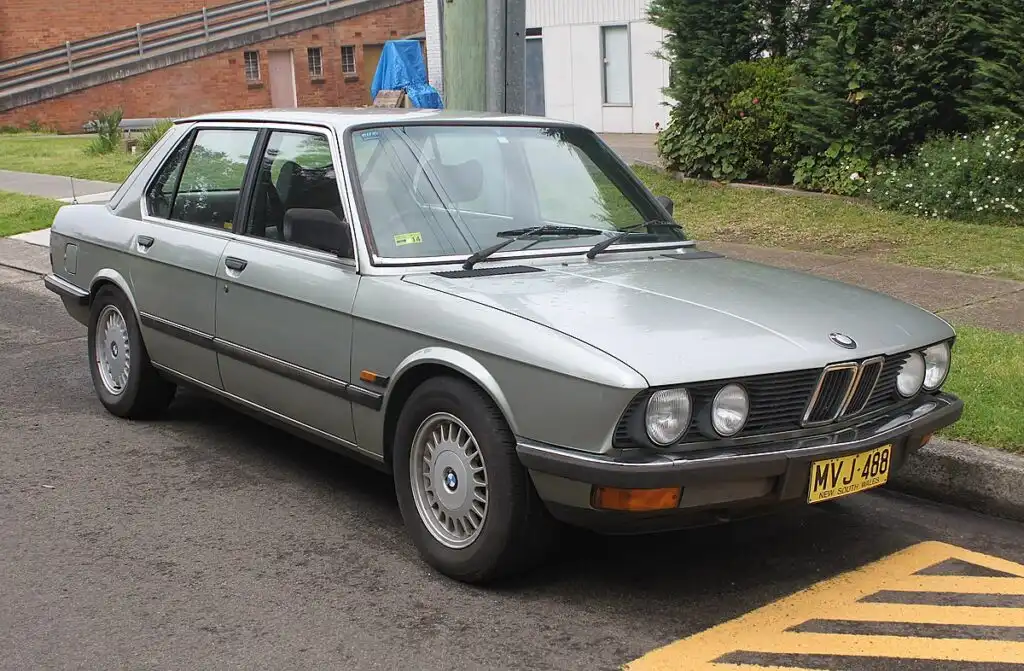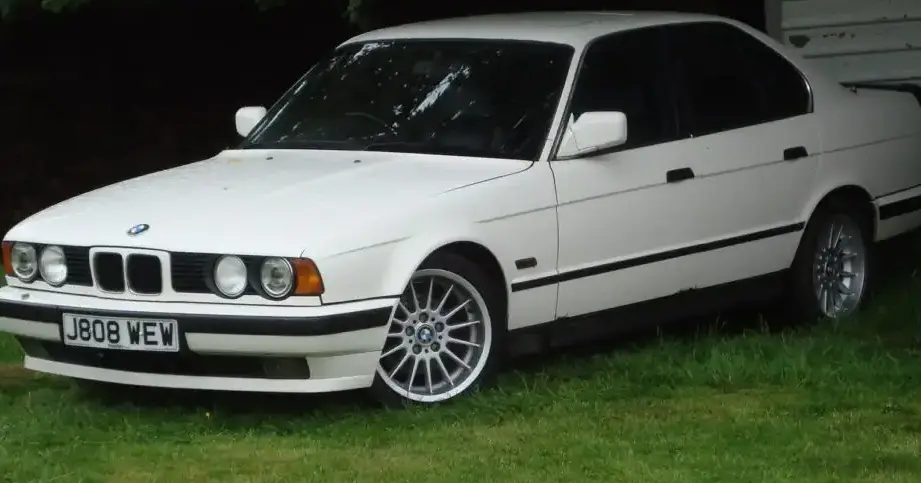
The BMW 5 Series (E34) 525tds, produced between 1991 and 1995, represents a unique offering within the E34 generation. Positioned as a fuel-efficient, torque-rich alternative to the gasoline-powered models, the 525tds aimed to provide a blend of performance and economy, particularly appealing to European drivers accustomed to higher fuel costs and long distances. It occupied a middle ground in the 5 Series lineup, offering more refinement than the base models but lacking the outright performance of the 530i or 540i. The “tds” designation signifies a turbocharged diesel engine with indirect injection, a technology BMW refined during this period.
Technical Specifications
| Brand | BMW |
| Model | 5 Series |
| Generation | 5 Series (E34) |
| Type (Engine) | 525tds (143 Hp) |
| Start of production | 1991 |
| End of production | 1995 |
| Powertrain Architecture | Internal Combustion engine |
| Body type | Sedan |
| Seats | 5 |
| Doors | 4 |
| Fuel consumption (combined) | 7 l/100 km (33.6 US mpg, 40.4 UK mpg, 14.3 km/l) |
| Fuel Type | Diesel |
| Acceleration 0 – 100 km/h | 11 sec |
| Acceleration 0 – 62 mph | 11 sec |
| Acceleration 0 – 60 mph | 10.5 sec |
| Maximum speed | 207 km/h (128.62 mph) |
| Weight-to-power ratio | 10.3 kg/Hp, 96.6 Hp/tonne |
| Weight-to-torque ratio | 5.3 kg/Nm, 189.2 Nm/tonne |
| Power | 143 Hp @ 4600 rpm |
| Power per litre | 57.2 Hp/l |
| Torque | 280 Nm @ 2200 rpm (206.52 lb.-ft. @ 2200 rpm) |
| Engine layout | Front, Longitudinal |
| Engine Model/Code | M51D25 |
| Engine displacement | 2498 cm3 (152.44 cu. in.) |
| Number of cylinders | 6 |
| Engine configuration | Inline |
| Cylinder Bore | 80 mm (3.15 in.) |
| Piston Stroke | 82.8 mm (3.26 in.) |
| Compression ratio | 22:1 |
| Number of valves per cylinder | 2 |
| Fuel injection system | Precombustion chamber injection |
| Engine aspiration | Turbocharger, Intercooler |
| Valvetrain | OHC |
| Engine oil capacity | 6.75 l (7.13 US qt | 5.94 UK qt) |
| Coolant | 9.75 l (10.3 US qt | 8.58 UK qt) |
| Kerb Weight | 1480 kg (3262.84 lbs.) |
| Max. weight | 1990 kg (4387.2 lbs.) |
| Max load | 510 kg (1124.36 lbs.) |
| Trunk (boot) space – minimum | 460 l (16.24 cu. ft.) |
| Fuel tank capacity | 80 l (21.13 US gal | 17.6 UK gal) |
| Length | 4720 mm (185.83 in.) |
| Width | 1751 mm (68.94 in.) |
| Height | 1412 mm (55.59 in.) |
| Wheelbase | 2761 mm (108.7 in.) |
| Front track | 1470 mm (57.87 in.) |
| Rear (Back) track | 1495 mm (58.86 in.) |
| Drivetrain Architecture | The Internal combustion engine (ICE) drives the rear wheels of the vehicle. |
| Drive wheel | Rear wheel drive |
| Number of gears and type of gearbox | 5 gears, manual transmission |
| Front suspension | Wishbone |
| Rear suspension | Spring Strut |
| Front brakes | Ventilated discs |
| Rear brakes | Disc |
| Assisting systems | ABS (Anti-lock braking system) |
| Power steering | Hydraulic Steering |
| Tires size | 205/65 R15 |
| Wheel rims size | 15 |
Powertrain & Engine Architecture
The heart of the 525tds is the M51D25 engine, a 2.5-liter inline-six cylinder diesel. This engine utilized precombustion chamber injection, a system common in European diesels of the era. This system involved injecting fuel into a small pre-chamber connected to the main combustion chamber, promoting more complete combustion and reducing engine noise. The addition of a turbocharger and intercooler significantly boosted power output to 143 horsepower and 280 Nm (206 lb-ft) of torque. The engine’s robust construction and relatively low compression ratio (22:1) contributed to its longevity. The 5-speed manual transmission was standard, providing a good balance between fuel efficiency and driver control. While an automatic transmission was available, it was less common and often criticized for diminishing the engine’s responsiveness.
Driving Characteristics
The 525tds offered a distinctly different driving experience compared to its gasoline counterparts. While lacking the high-revving eagerness of the 530i or 540i, the 525tds excelled in providing strong, low-end torque. This made it a capable cruiser, particularly well-suited for highway driving and overtaking maneuvers. The manual transmission allowed drivers to exploit the engine’s torque band effectively, although the gear ratios were geared towards economy rather than outright acceleration. Compared to the 525i, the ‘tds’ felt heavier and less nimble, but offered significantly better fuel economy. The automatic transmission, when equipped, further dulled the driving experience, resulting in noticeable turbo lag and slower response times.
Equipment & Trim Levels
The 525tds typically came equipped with a respectable level of standard features, reflecting its position as a mid-range model. This included power windows, central locking, and a basic stereo system. Interior upholstery was typically cloth, although leather was available as an option. Trim levels varied depending on the market, but generally included options for upgraded sound systems, sunroofs, and climate control. The dashboard layout was consistent with other E34 models, featuring a straightforward design with clearly marked gauges. Optional extras could significantly enhance the comfort and convenience of the 525tds, but also added to the overall cost.
Chassis & Braking
The E34 525tds utilized a robust chassis featuring independent suspension at the front (wishbone) and a semi-trailing arm suspension at the rear. The suspension was tuned for comfort, providing a relatively smooth ride, although it wasn’t as sporty as the setups found in the higher-performance models. Braking duties were handled by ventilated discs at the front and solid discs at the rear. Anti-lock braking system (ABS) was standard, enhancing safety and control, particularly in adverse weather conditions. The steering was hydraulically assisted, providing a reasonable level of feedback and ease of use.
Market Reception & Comparison
The 525tds was generally well-received in Europe, where diesel engines were more popular and fuel economy was a primary concern. Critics praised its fuel efficiency, strong torque, and comfortable ride. However, some criticized its relatively slow acceleration and the sometimes-agricultural nature of the diesel engine. Compared to the 525i, the ‘tds’ offered significantly better fuel economy but lacked the same level of refinement and performance. Against other diesel-powered competitors, such as the Mercedes-Benz E-Class diesel, the 525tds offered a more engaging driving experience and a sportier image.
Legacy
The M51D25 engine proved to be remarkably durable, and many 525tds models have remained on the road for decades. The engine’s robust construction and relatively simple design contribute to its longevity, although regular maintenance is crucial. In the used car market, the 525tds is often sought after by enthusiasts who appreciate its fuel efficiency, reliability, and unique character. While not as collectible as the higher-performance E34 models, the 525tds represents a significant chapter in BMW’s diesel engine development and remains a practical and enjoyable classic car.