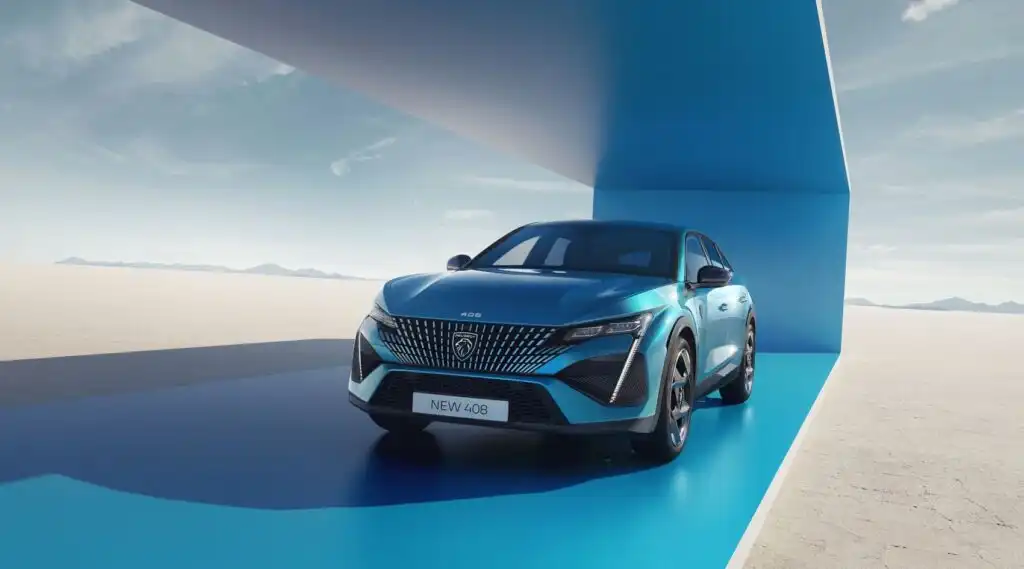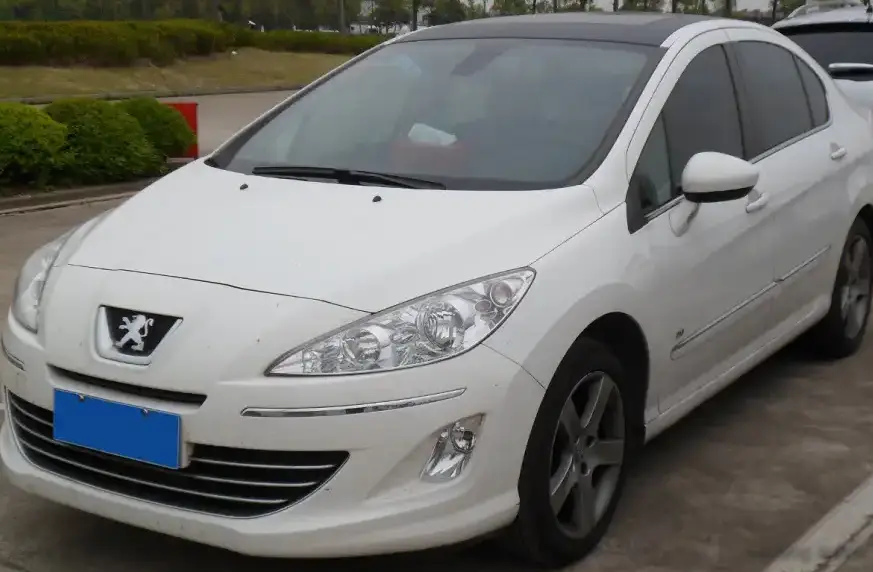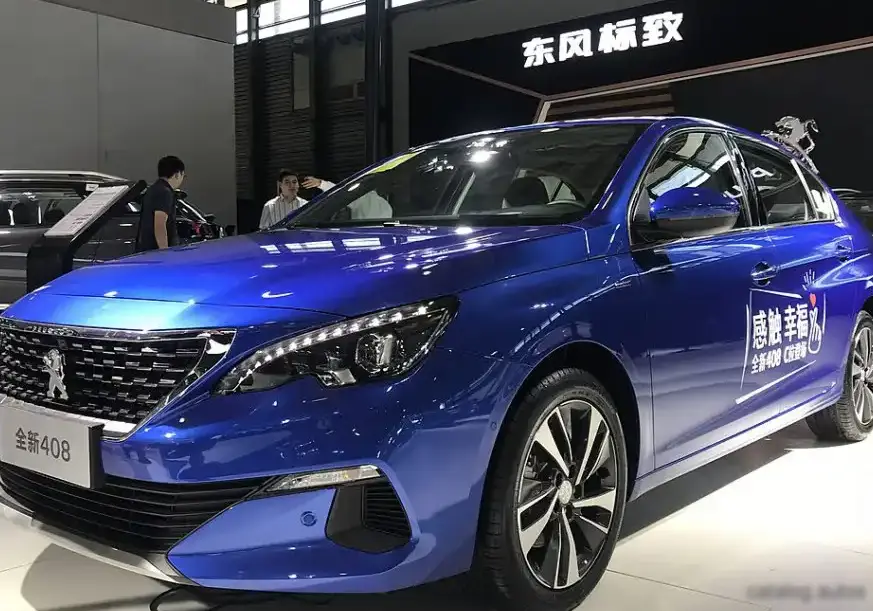
The Peugeot 408 II, specifically the 230THP PureTech variant with a 136 horsepower engine and automatic transmission, represents a significant iteration of Peugeot’s mid-size sedan, produced from 2018 to 2022. This facelifted version of the 408, built on the EMP2 platform, aimed to refine the model’s appeal in a competitive segment. The 230THP Automatic trim occupied a middle ground within the 408 lineup, offering a balance between performance, fuel efficiency, and comfort, targeting buyers seeking a practical and reasonably equipped family sedan. It was primarily marketed in Europe and other regions where sedans remained popular, offering a more affordable and accessible entry point compared to higher-spec models.
Technical Specifications
| Brand | Peugeot |
| Model | 408 |
| Generation | 408 II (facelift 2018) |
| Type (Engine) | 230THP PureTech (136 Hp) Automatic |
| Start of production | 2018 |
| End of production | 2022 |
| Powertrain Architecture | Internal Combustion engine |
| Body type | Sedan |
| Seats | 5 |
| Doors | 4 |
| Fuel consumption (combined) | 5.6 l/100 km (42 US mpg, 50.4 UK mpg, 17.9 km/l) |
| Fuel Type | Petrol (Gasoline) |
| Maximum speed | 200 km/h (124.27 mph) |
| Weight-to-power ratio | 9.9 kg/Hp, 101.1 Hp/tonne |
| Weight-to-torque ratio | 5.8 kg/Nm, 171 Nm/tonne |
| Power | 136 Hp @ 5500 rpm |
| Power per litre | 113.4 Hp/l |
| Torque | 230 Nm @ 1750-3500 rpm (169.64 lb.-ft. @ 1750-3500 rpm) |
| Engine layout | Front, Transverse |
| Engine displacement | 1199 cm3 (73.17 cu. in.) |
| Number of cylinders | 3 |
| Engine configuration | Inline |
| Number of valves per cylinder | 4 |
| Fuel injection system | Direct injection |
| Engine aspiration | Turbocharger, Intercooler |
| Kerb Weight | 1345 kg (2965.22 lbs.) |
| Trunk (boot) space – minimum | 455 l (16.07 cu. ft.) |
| Fuel tank capacity | 53 l (14 US gal | 11.66 UK gal) |
| Length | 4750 mm (187.01 in.) |
| Width | 1820 mm (71.65 in.) |
| Height | 1488 mm (58.58 in.) |
| Wheelbase | 2730 mm (107.48 in.) |
| Drivetrain Architecture | The Internal combustion engine (ICE) drives the front wheels of the vehicle. |
| Drive wheel | Front wheel drive |
| Number of gears and type of gearbox | 6 gears, automatic transmission |
| Front suspension | Independent, type McPherson with coil spring and anti-roll bar |
| Rear suspension | Independent coil spring |
| Front brakes | Ventilated discs |
| Rear brakes | Disc |
| Assisting systems | ABS (Anti-lock braking system) |
Powertrain & Engine Architecture
The heart of the 408 II 230THP Automatic is Peugeot’s 1.2-liter, three-cylinder PureTech engine, designated as the EB2DT. This engine, part of the THP (Turbo High Pressure) family, utilizes direct fuel injection and a single-scroll turbocharger with an intercooler to deliver a respectable 136 horsepower at 5500 rpm and 230 Nm (169.64 lb-ft) of torque between 1750 and 3500 rpm. The engine’s aluminum block and cylinder head contribute to its relatively lightweight design. The 230THP employs a timing chain for durability. The automatic transmission paired with this engine is an Aisin-sourced six-speed torque converter automatic. This transmission was chosen for its smoothness and reliability, offering a more relaxed driving experience compared to a manual gearbox. While not a performance-oriented transmission, it was well-suited to the engine’s torque characteristics.
Driving Characteristics
The 408 II 230THP Automatic delivers a comfortable and refined driving experience. The 136 hp engine provides adequate power for everyday driving situations, with the turbocharger mitigating any noticeable turbo lag. Acceleration from 0 to 62 mph (0-100 km/h) takes around 10.7 seconds, which is competitive within its class. The automatic transmission shifts smoothly, although it can sometimes feel hesitant during quick overtaking maneuvers. Compared to the more powerful 1.6 THP variants, the 1.2 PureTech offers less outright performance, but it compensates with improved fuel economy. The gear ratios are tuned for efficiency rather than outright speed, prioritizing comfortable cruising over sporty acceleration. The front-wheel-drive configuration provides predictable handling, and the suspension offers a good balance between comfort and control.
Equipment & Trim Levels
The 230THP Automatic trim typically included standard features such as air conditioning, power windows, power mirrors, a touchscreen infotainment system with Bluetooth connectivity, and a suite of safety features including ABS, ESP (Electronic Stability Program), and multiple airbags. Higher trim levels offered additional features like leather upholstery, a panoramic sunroof, navigation system, and parking sensors. The interior design of the 408 II is characterized by a minimalist aesthetic, with a focus on ergonomics and user-friendliness. The dashboard layout is clean and uncluttered, and the materials used are of reasonable quality.
Chassis & Braking
The 408 II utilizes a McPherson strut front suspension and an independent coil spring rear suspension. This setup provides a comfortable ride quality while maintaining decent handling characteristics. The front brakes are ventilated discs, while the rear brakes are solid discs. ABS (Anti-lock Braking System) is standard, providing enhanced braking performance in emergency situations. The steering is electrically assisted, offering a light and precise feel. The chassis is designed to provide a good balance between rigidity and weight, contributing to the car’s overall stability.
Market Reception & Comparison
The Peugeot 408 II 230THP Automatic was generally well-received by automotive critics. It was praised for its comfortable ride, fuel efficiency, and well-equipped interior. However, some critics noted that the 1.2-liter engine could feel underpowered when fully loaded or when tackling steep hills. Compared to the 1.6 THP variants, the 230THP offered better fuel economy (around 5.6 l/100 km) but less performance. The 1.6 THP was favored by drivers seeking a more engaging driving experience. In terms of reliability, the 1.2 PureTech engine has been subject to some reports of timing chain issues, although these problems were more prevalent in earlier iterations of the engine.
Legacy
The Peugeot 408 II 230THP Automatic remains a relatively affordable and practical option in the used car market. While the 1.2 PureTech engine has had some reported issues, regular maintenance and careful driving can mitigate these risks. The Aisin automatic transmission is generally considered to be reliable. The 408 II represents a solid mid-size sedan that offers a good balance of comfort, fuel efficiency, and features. Its relatively simple mechanical design makes it easier and less expensive to maintain compared to more complex modern vehicles. As a result, it continues to be a popular choice for buyers seeking a dependable and affordable family car.